Newsletters


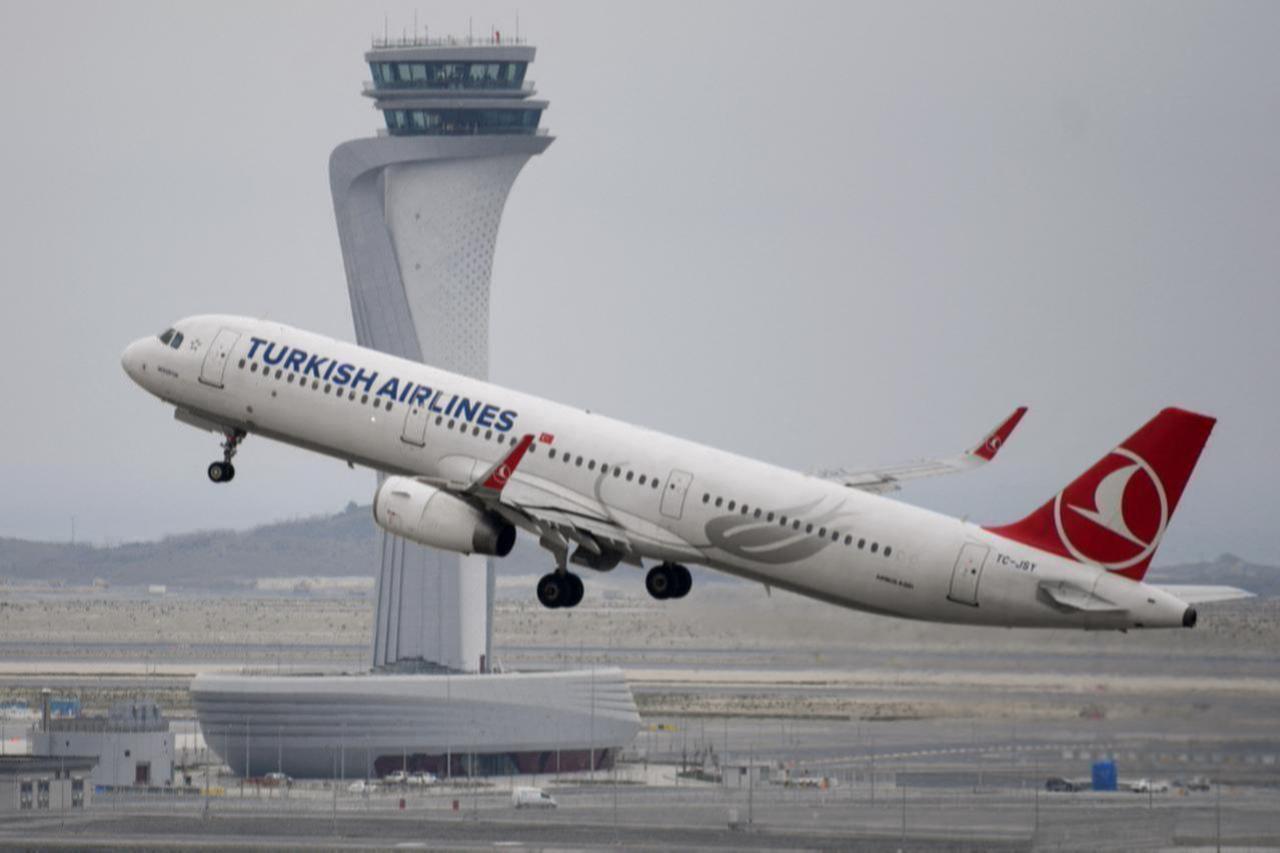


Türkiye's Transport Minister Abdulkadir Uraloglu announced on Saturday that Turkish carriers have extended flight cancellations across the Middle East through at least March 13, with some Iran routes suspended until late March, as the region's aviation crisis enters its second week with no sign of abating.
Turkish Airlines, AJet, Pegasus and SunExpress have canceled all flights to Iraq, Syria, Lebanon and Jordan through the end of March 13, Uraloglu said in a post on X. The latest extension pushes the suspension well beyond the initial cutoff of March 9 that carriers had set earlier in the week, reflecting what the minister described as "ongoing risks" following updated assessments.
Flights to six Gulf destinations, Doha, Dubai, Kuwait, Bahrain, Abu Dhabi and Dammam, have also been scrapped through March 13.
Iran services face the longest disruption. Pegasus has pulled its Tehran flights from its schedule through March 12, while Turkish Airlines has removed Iran from its flight program entirely until March 20, the furthest cancellation horizon of any Turkish carrier.
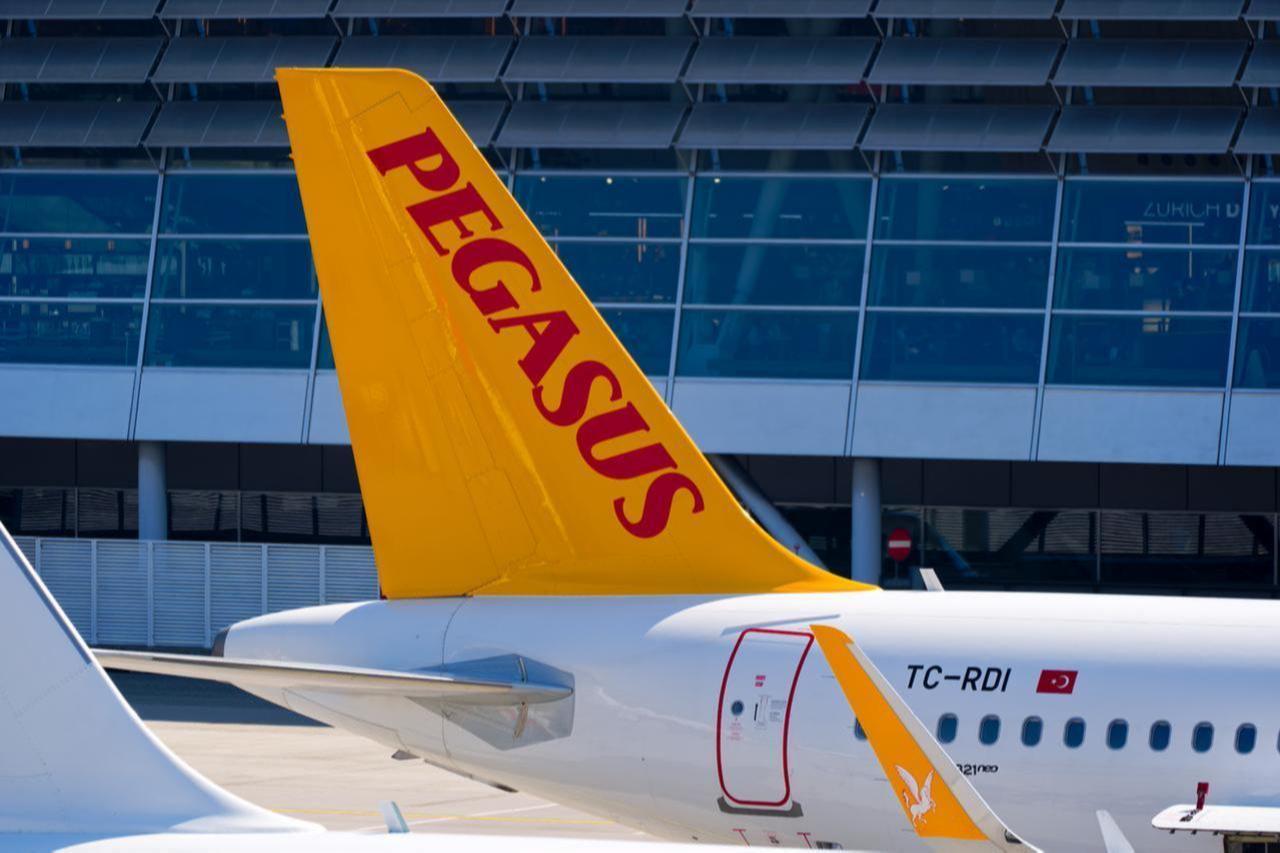

Two Turkish aircraft remain on the ground at Tehran's Imam Khomeini International Airport, one belonging to Turkish Airlines and one to Pegasus, Uraloglu confirmed. A third aircraft, operated by Tailwind Airlines and leased to an Iraqi company, is grounded somewhere in Iraq.
The stranded planes have been a recurring element of the minister's updates since the crisis began. Earlier in the week, Uraloglu noted that the crews and airline representatives stationed in Tehran had already been evacuated to Türkiye through the Turkish embassy's coordination.
Uraloglu said his ministry is closely tracking developments across Middle Eastern airspace. NOTAMs, the formal notices that officially close airspace to civilian traffic, remain in effect over Iran, Israel, Iraq, Qatar, Bahrain, Kuwait and Syria, with the exception of the area around Aleppo. Partial civilian flights continue in Oman, Jordan and Saudi Arabia, while the United Arab Emirates is operating air traffic on a controlled, limited basis.
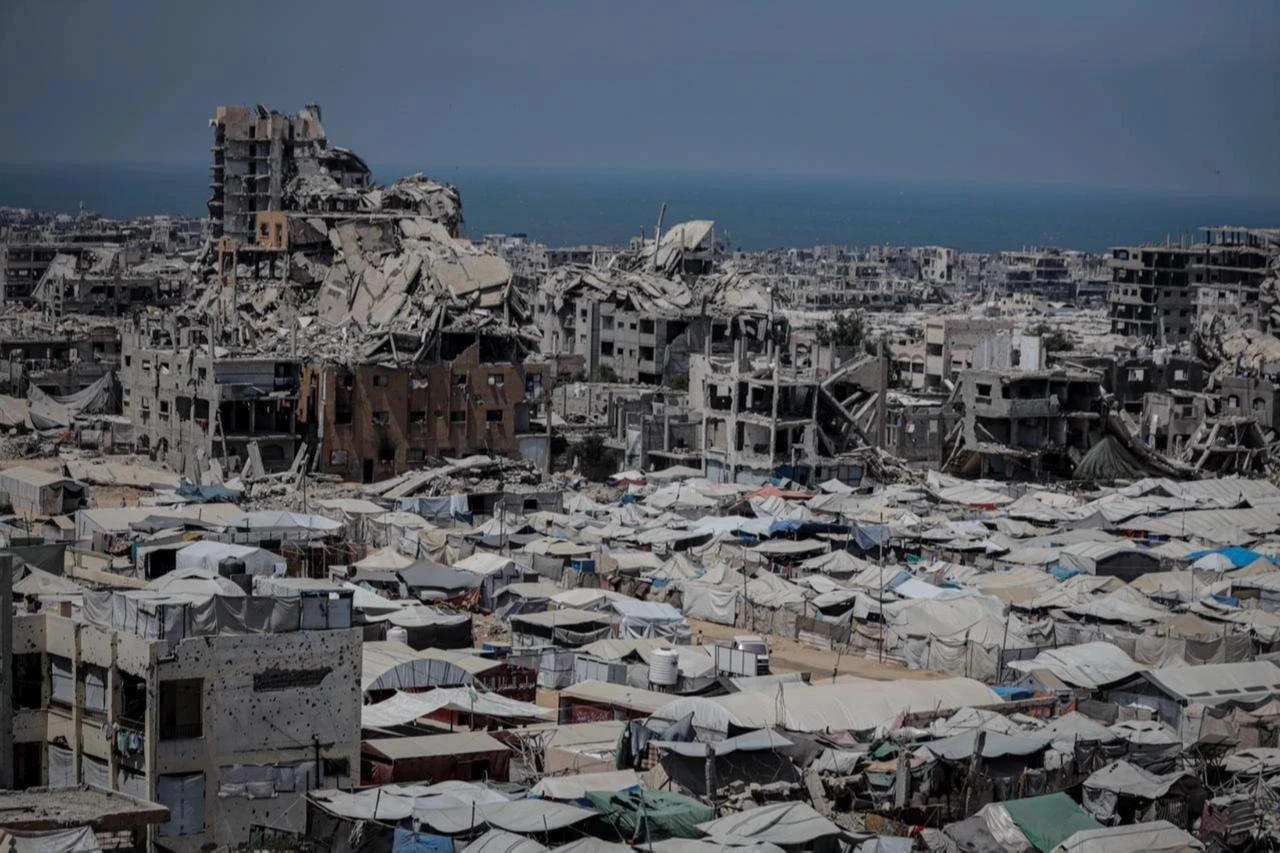
The picture the minister described is consistent with the broader regional situation. The airspace disruptions stem from U.S. and Israeli military strikes on Iran that began on February 28, followed by Iranian retaliatory missile and drone attacks targeting sites across the Gulf region, including strikes on cities from Riyadh to Dubai. The conflict has effectively severed the main east-west aviation corridor that normally carries heavy commercial traffic between Europe and Asia through the Gulf.
The repeated extensions by Turkish carriers underscore the uncertainty facing airlines across the region. Uraloglu has acknowledged in previous statements that "decisions are being made based on daily assessments," and that cancellations would continue if conditions failed to improve.
Türkiye's situation mirrors the broader industry response. More than 11,000 flights have been canceled or disrupted since the conflict began, affecting over a million travelers globally. Major carriers including Emirates, Qatar Airways, Lufthansa, British Airways and Air France have all imposed their own rolling suspensions. Muscat, Oman has emerged as a key hub for repatriation flights, while some Gulf airports have begun limited commercial operations through tightly controlled emergency corridors.
Uraloglu said the relevant units of his ministry are continuing to work in coordination as the situation develops.


 Set as preferred source
 Set as preferred source


 1 min read

 1 min read