Newsletters


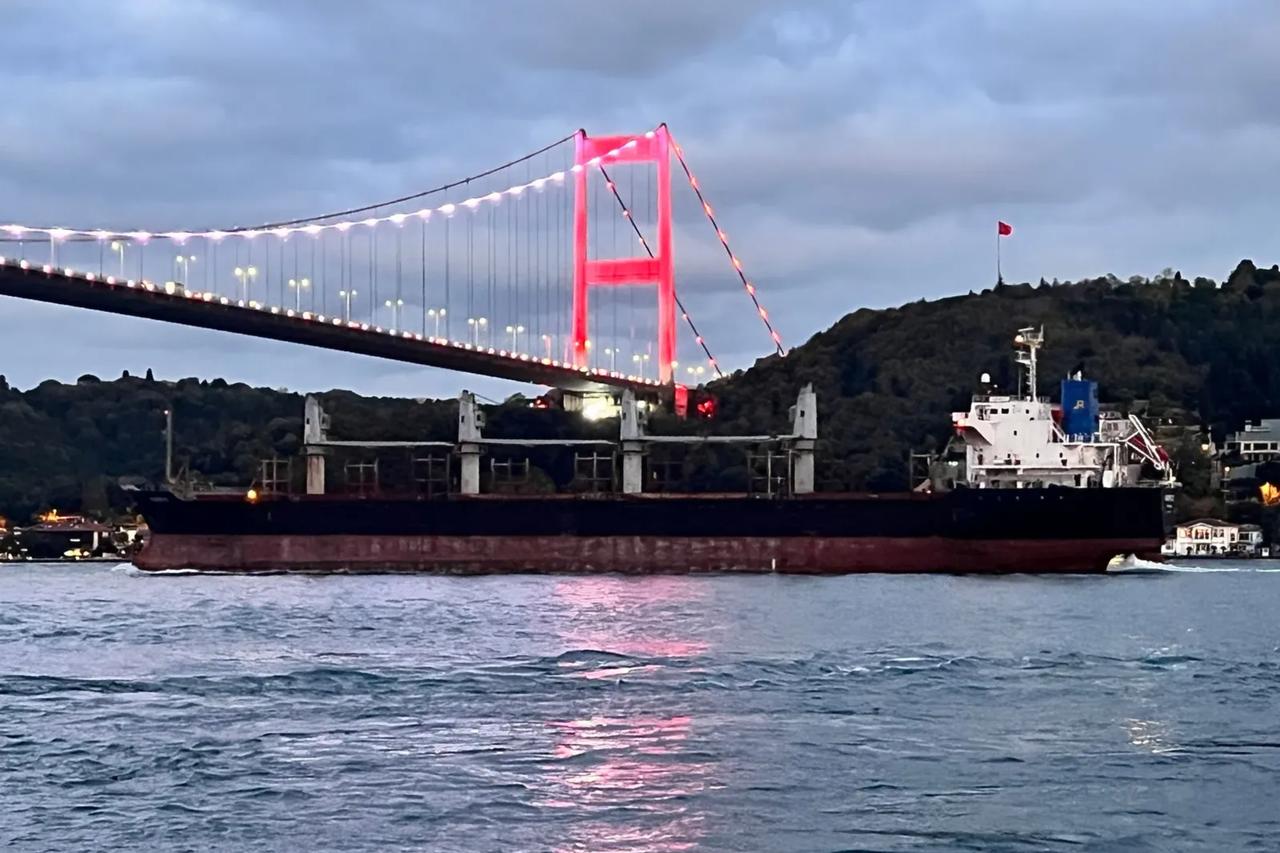


The Russian bulk carrier Panormitis, carrying barley and wheat reportedly sourced from occupied Ukrainian territories, was denied port entry by both Israel and Türkiye within a week.
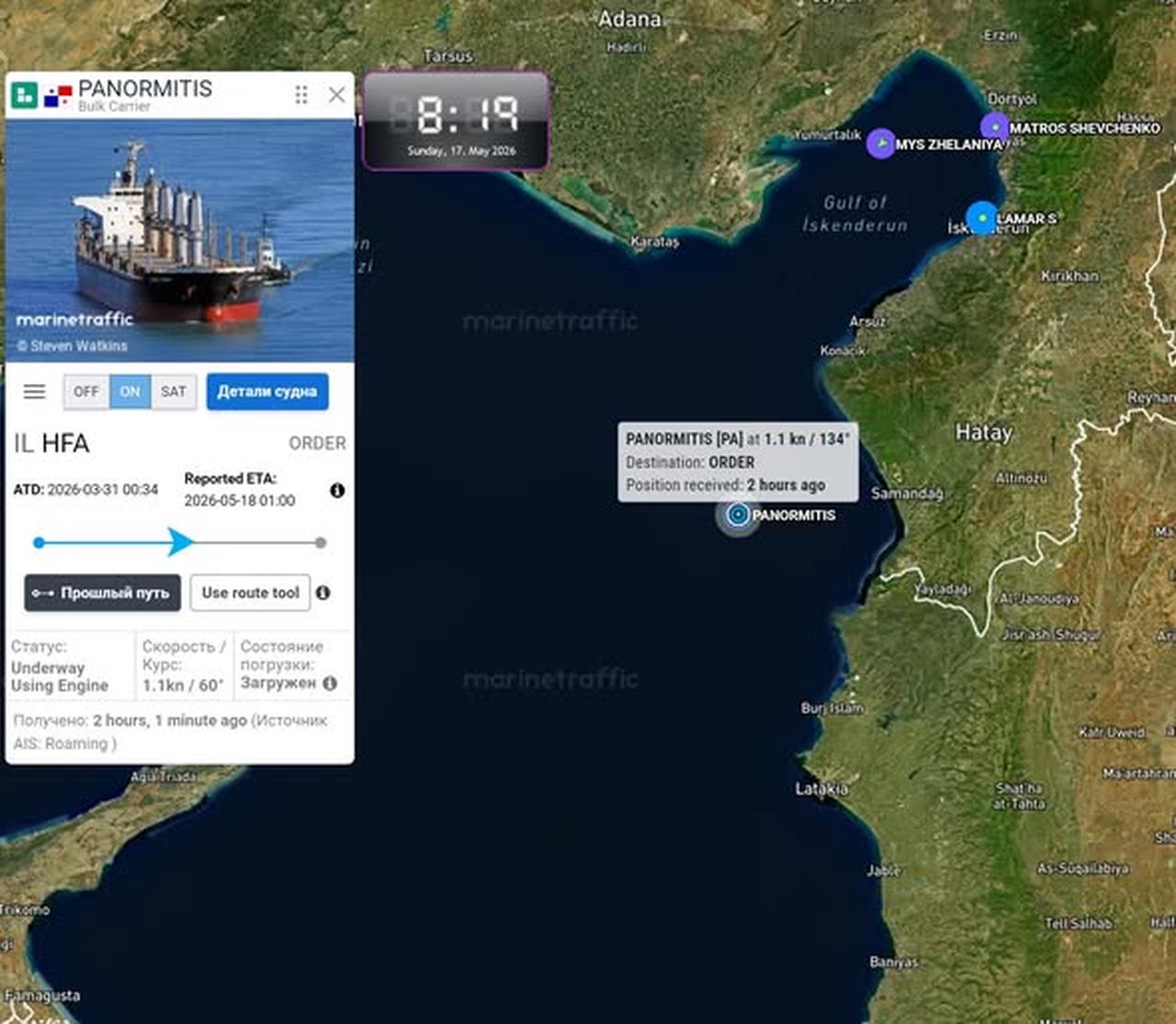
The vessel has been waiting near the Turkish port city of Iskenderun after an Israeli importer refused to unload the grain cargo in Haifa last week.
Before the Russian ship departed Turkish waters following the refusal, Ukrainian Ambassador to Israel Yevgen Korniychuk expressed hope that Ankara would follow West Jerusalem's lead.
"We hope they will do the right thing, just as Israel did," Korniychuk said.
According to Korniychuk, Ukraine's Ministry of Foreign Affairs and the Prosecutor General's Office were actively working to convince Ankara to reject the shipment and deny the vessel entry.
The Panormitis had arrived off the coast of the Turkish port of Iskenderun on May 13.
Previously, Ukrainian Foreign Minister Andrii Sybiha and President Volodymyr Zelenskyy had accused Israel of allowing the transit of stolen grain. However, Israeli Foreign Minister Gideon Saar rejected the allegations, stating that Kyiv had failed to provide sufficient evidence to back up the claims.

The standoff over the Panormitis underscores a continuous diplomatic and maritime cat-and-mouse game across the Mediterranean and Black Sea regions involving Türkiye and other regional actors.
Since the invasion of Ukraine, Kyiv has repeatedly accused Moscow of weaponizing and illegally commercializing agricultural yields from occupied Ukrainian fields, including Crimea and Kherson.
As a mediator maintaining ties with both Kyiv and Moscow, Türkiye consistently balances its geopolitical commitments. While Ankara played a pivotal role in the previous Black Sea Grain Initiative to secure global food supplies, it faces ongoing pressure from Ukraine and Western allies to block vessels carrying disputed or illicit cargo from its ports.
As Türkiye Today previously revealed, Russia has increasingly relied on a highly coordinated, covert shipping network to bypass international tracking and sanctions. Türkiye Today's report revealed how Russia's ghost ship fleet continues to frequent Syrian ports with Ukrainian grain.
These vessels frequently turn off their automatic identification system (AIS) transponders, forge documentation, and engage in ship-to-ship transfers to obscure the true origin of their cargo.


 Set as preferred source
 Set as preferred source


 1 min read