Newsletters


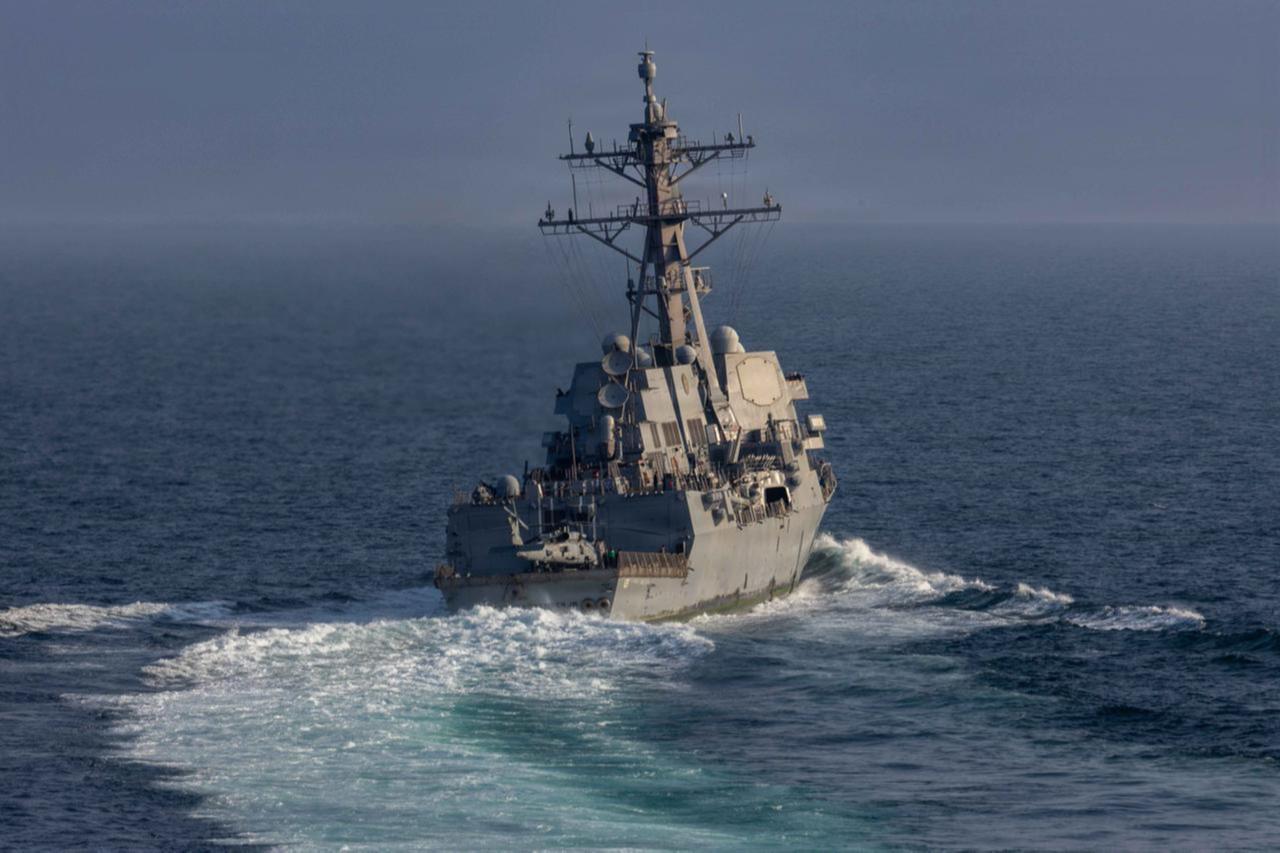


Iran warned on Sunday that the Gulf of Oman could turn into a "graveyard" for U.S. warships unless Washington lifts its naval blockade targeting Iranian maritime traffic in the Strait of Hormuz.
Maj. Gen. Mohsen Rezaei, a senior adviser to Iran’s supreme leader and member of the Expediency Discernment Council, pushed back against the blockade and described it as an act of war.
"My advice to the U.S. militarily is to back off before the Gulf of Oman turns into a graveyard for your ships," Rezaei said in remarks aired by Iranian state television. "Our understanding is that a naval blockade is an act of war, and responding to it is our natural right."
Rezaei also stressed that Tehran’s restraint should not be interpreted as acceptance of mounting pressure from Washington. "If we’ve been patient until now, it doesn’t mean we have accepted it," he added.
Rezaei also criticized the long-standing U.S. military presence in Gulf waters, arguing that Washington no longer has a clear justification for keeping warships in the region. "America comes here and brings its warships. Who is its enemy?" he asked, noting that the Soviet Union, once cited by Washington as a strategic threat, no longer exists.
The Iranian official insisted that commercial traffic through the Strait of Hormuz would continue, while warning against military deployments in the area. "The Strait of Hormuz is open to trade, but it will be closed to military buildups and any attempts to destabilize security," he said.
Iranian state media reported last week that more commercial vessels, mostly Chinese ships, had been cleared to pass through the strait in coordination with the Iranian navy. Iran's state television said on Saturday that several European countries had also opened talks with Tehran to secure transit access through the waterway.
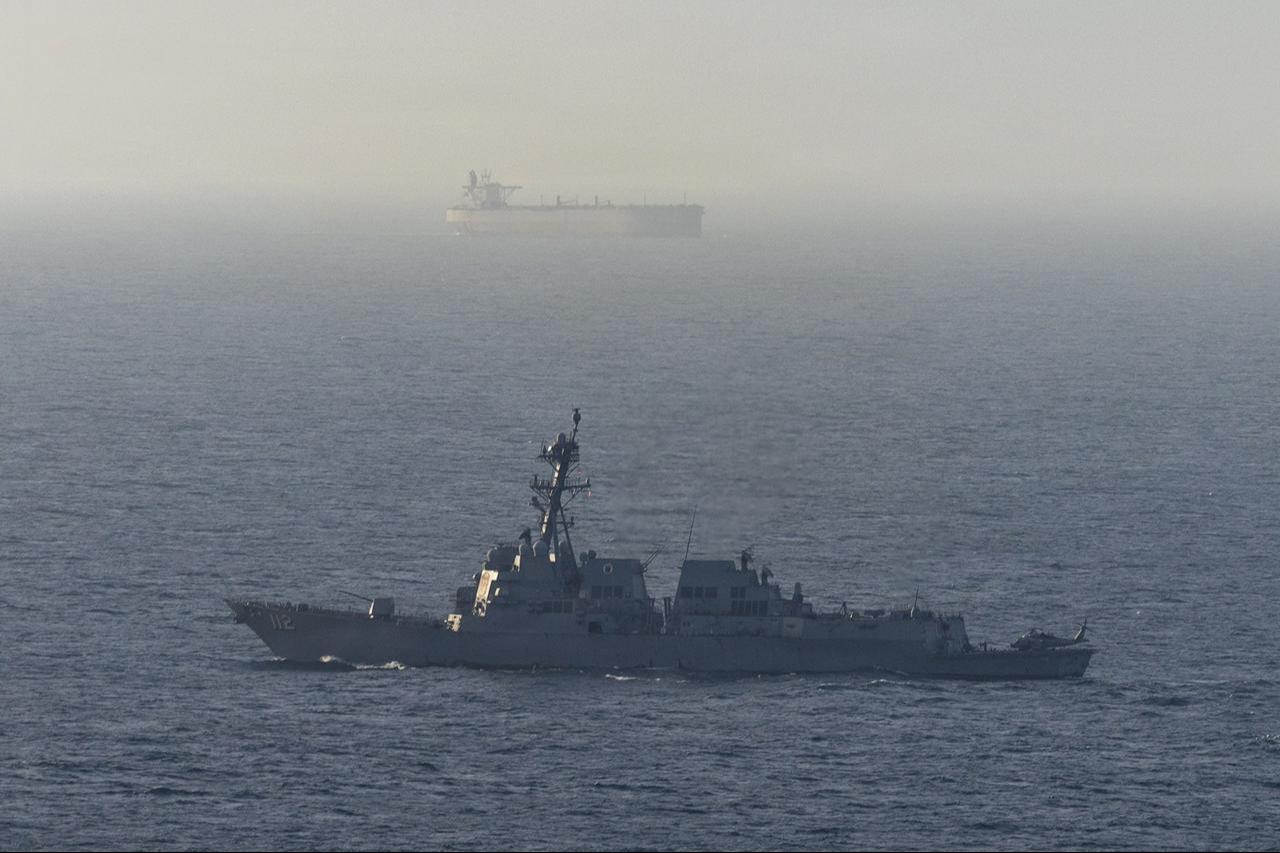

Regional tensions have remained high since the U.S. and Israel launched strikes on Iran on Feb. 28, prompting retaliatory attacks by Tehran and disruptions around the strategic waterway.
A ceasefire mediated by Pakistan took effect on April 8, though follow-up talks in Islamabad failed to secure a permanent agreement. U.S. President Donald Trump later extended the truce without setting a deadline for renewed negotiations.
Iran has repeatedly argued that the U.S. naval blockade, enforced since April 13, violates the ceasefire terms and must be lifted before negotiations can resume. On Saturday, U.S. Central Command (CENTCOM) said blockade enforcement efforts had redirected 78 commercial vessels and stopped four others from transiting the Strait of Hormuz since operations began.
Iranian media on Sunday reported that Tehran wants several confidence-building measures in place before entering talks, including an end to regional conflicts, particularly in Lebanon, the removal of anti-Iran sanctions, the release of frozen Iranian funds, compensation for war damages and recognition of Iran’s sovereignty over the Strait of Hormuz.
Trump, meanwhile, kept up pressure on Tehran in comments to Axios. "The clock is ticking for Iran," Trump told the U.S. media outlet. "They had better get moving fast or they are not gonna have anything left."


 Set as preferred source
 Set as preferred source


 1 min read
 1 min read