Newsletters


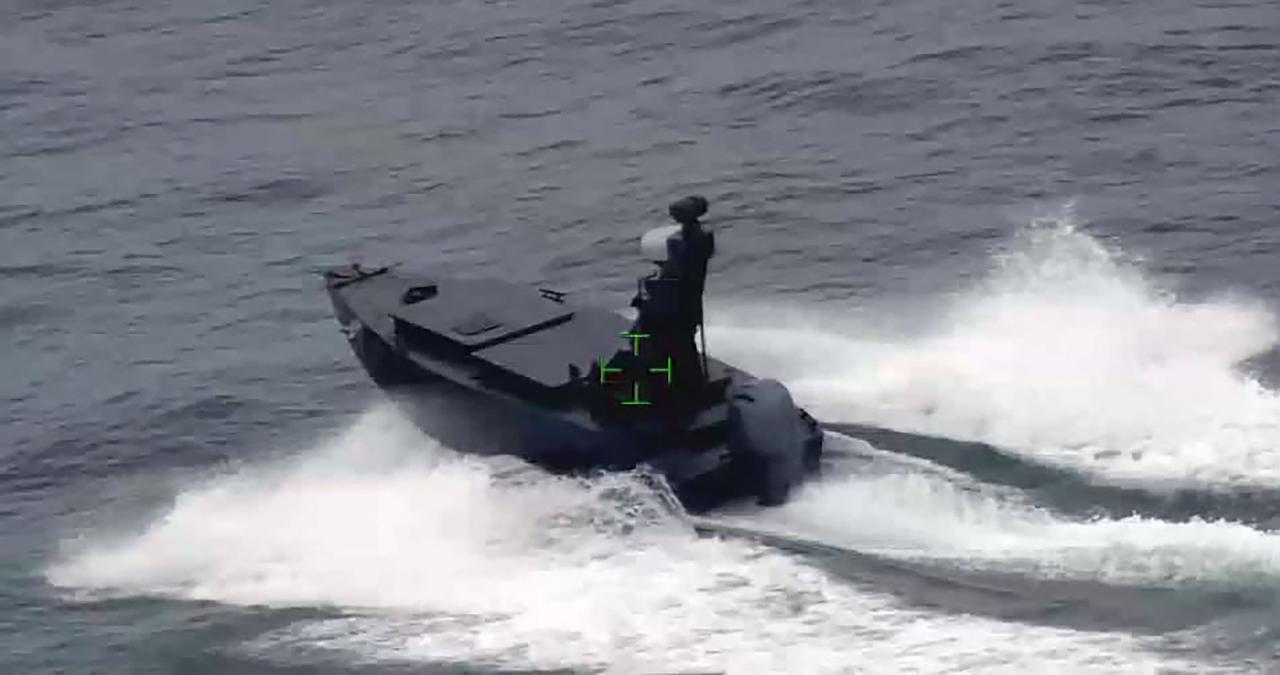
A wave of drone strikes on cargo ships near NATO members Romania and Bulgaria is turning the Russia-Ukraine maritime war into a major test for the alliance in the Black Sea, analysts told Reuters, as Türkiye presses for a deal to restore safe grain shipments.
Nine cargo vessels were hit near the two countries in October, one of them in Romanian territorial waters and the rest in Romania’s or Bulgaria's exclusive economic zones.
At least 30 mariners have been killed or are missing in the recent surge.
"I think it’s undeniably an escalation," said Sidharth Kaushal, a senior fellow at the RUSI think tank, who spoke to Reuters.
Military analysts said they had little doubt the attacks were Russian. Russia denies targeting Ukraine’s neighbors and says European governments are escalating the war by arming Kyiv.
Russia’s attacks take into account the West’s aversion to escalation, Iulia Joja of the Middle East Institute said. "This is about testing these red lines," she told Reuters, adding that Brussels and Washington had not decided whether the Black Sea is fully part of NATO’s commitment.
A NATO official called the alliance’s commitment to defending all members, including on the Black Sea, "ironclad," noting plans to invest more than $40 billion in counter-drone capabilities over five years.
NATO said last month it would deploy maritime patrol aircraft, radars and drones to the region.
Bucharest has accused Russia of "systematic" strikes on civilian ships but stopped short of attributing individual attacks, while Sofia has not blamed Russia. Bulgaria has asked NATO for combat aircraft and anti-drone systems, and Romania has begun F-16 patrols along its coast.
NATO and the Black Sea states must "develop anti-drone defenses, and the alliance should beef up its presence in Romanian and Bulgarian airspace and on land," according to Dimitar Bechev, director of the Dahrendorf Programme at St Antony’s College at Oxford. "At sea, Türkiye, Romania and Bulgaria could do more to enforce freedom of navigation," Bechev told CNN.
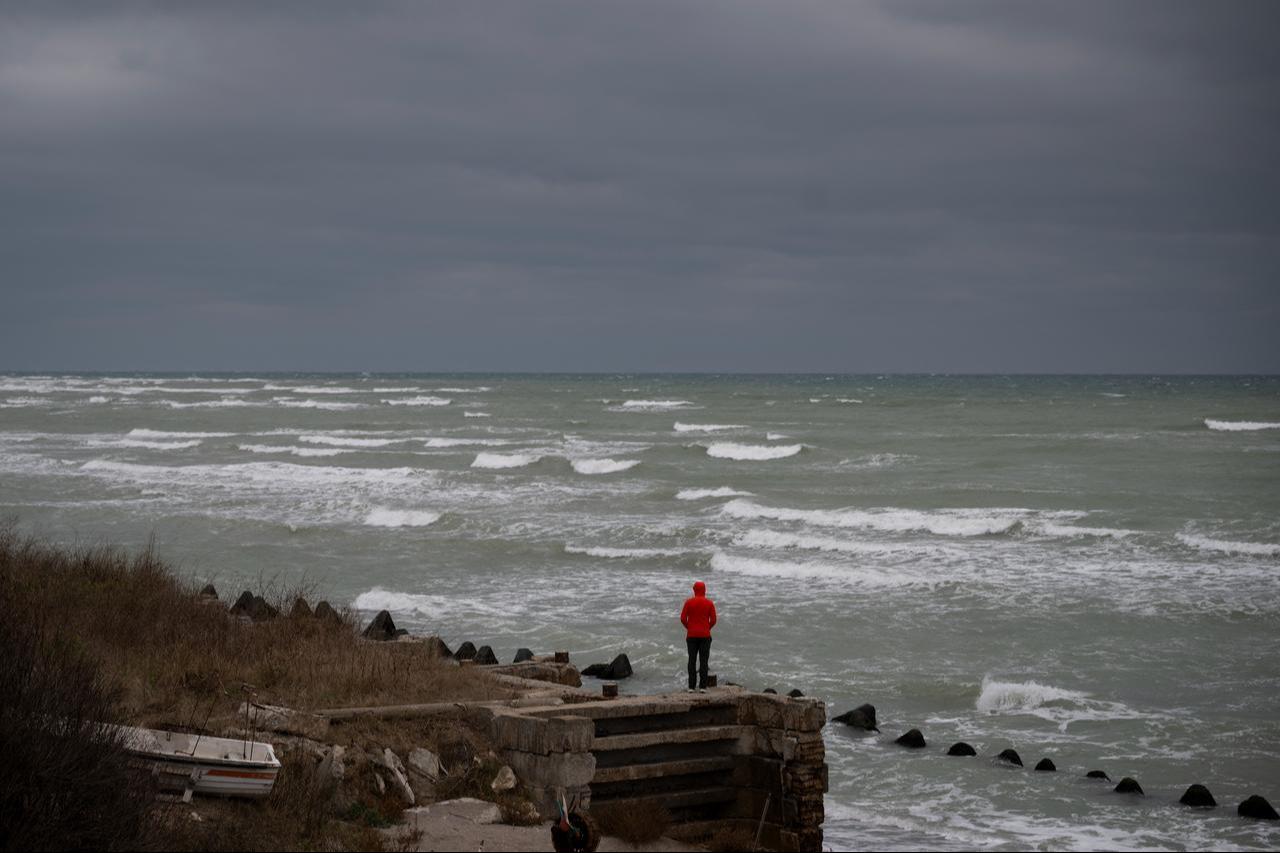

Russia and Ukraine hit 317 merchant and other vessels in the Black Sea and Sea of Azov between May and October, more than four times the previous six months, said Tomas Alexa of Ambrey Analytics.
Ukraine carried out more attacks in the third quarter, while Russia carried out 38 of 43 in October, Ambrey said.
Russia exported just 0.3 million tons of grain through the Black Sea and Azov in September, down from 4.74 million a year earlier, while Ukraine's port grain exports fell to 0.81 million tons from 2.1 million, according to data cited by Reuters.
London insurers’ Joint War Committee extended the high-risk area to the whole Black Sea, excluding the territorial waters of Türkiye, Romania, Bulgaria and Georgia.
"We cannot accept these attacks under any circumstances, regardless of who carries them out or what justification they may offer," Turkish President Recep Tayyip Erdogan said Saturday after meeting Ukrainian President Volodymyr Zelenskyy in Istanbul.
"In parallel with the recent escalation, we are witnessing the conflict spreading into the Black Sea," he noted.
"Today, I reached an agreement with President Erdogan to work on the Black Sea grain corridor," Zelenskyy said.

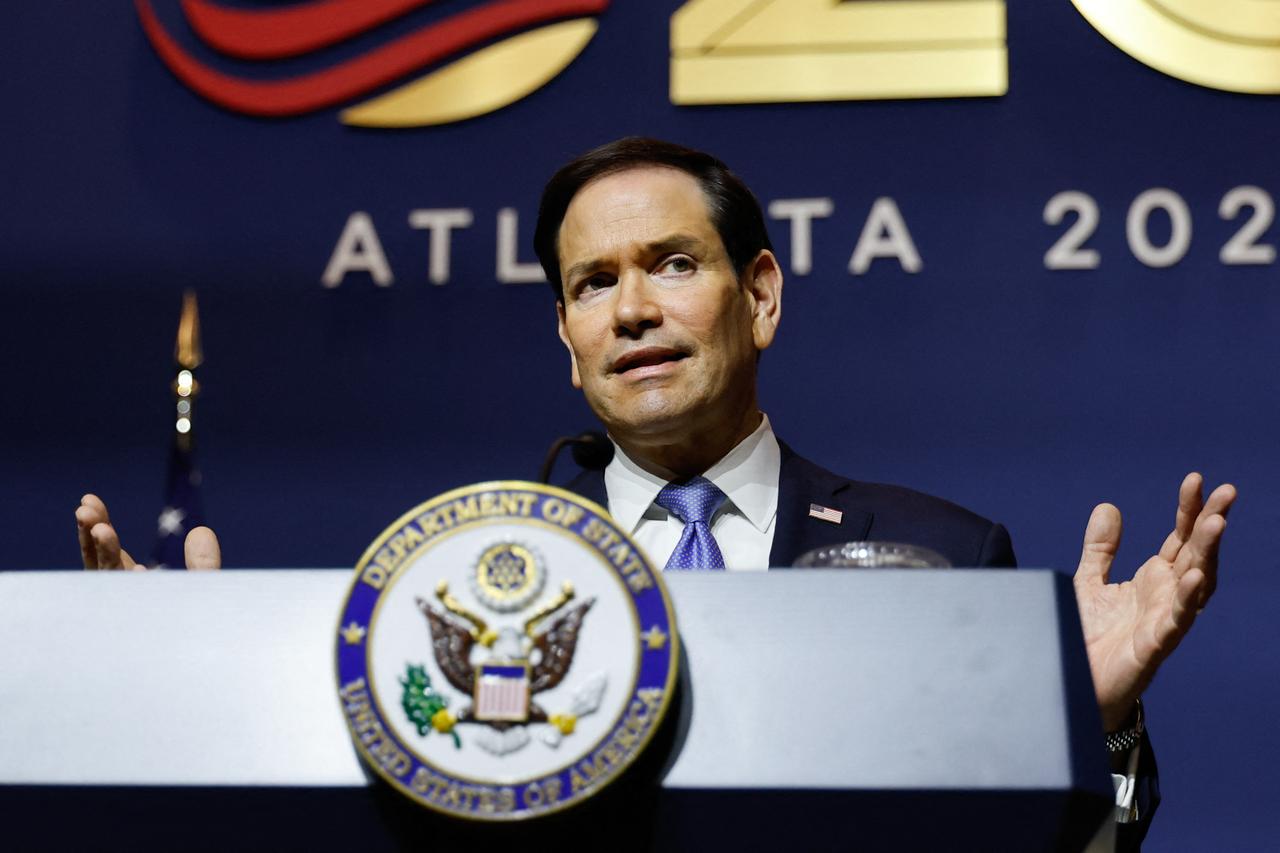
U.S. Secretary of State Marco Rubio also said Washington is examining proposals, including one from Türkiye, to facilitate Black Sea grain shipments.
"It doesn’t solve the war, but at least it solves a unique aspect of it," he said.
"These wars are no longer sustainable. Therefore, Russia and Ukraine must reach an agreement," Turkish Foreign Minister Hakan Fidan said in Atlanta.
Türkiye, which controls warship passage through the Turkish Straits under the Montreux Convention, is awaiting responses from Moscow and Kyiv on a narrow maritime ceasefire proposal. Russia has rejected a narrow maritime ceasefire, saying it would give Kyiv respite.
"Everyone is talking about diesel and forgetting about grain," Zelenskyy said last month, warning of an agricultural crisis as the Black Sea becomes ever more dangerous for shipping.


 Set as preferred source
 Set as preferred source


 1 min read


 1 min read