Newsletters


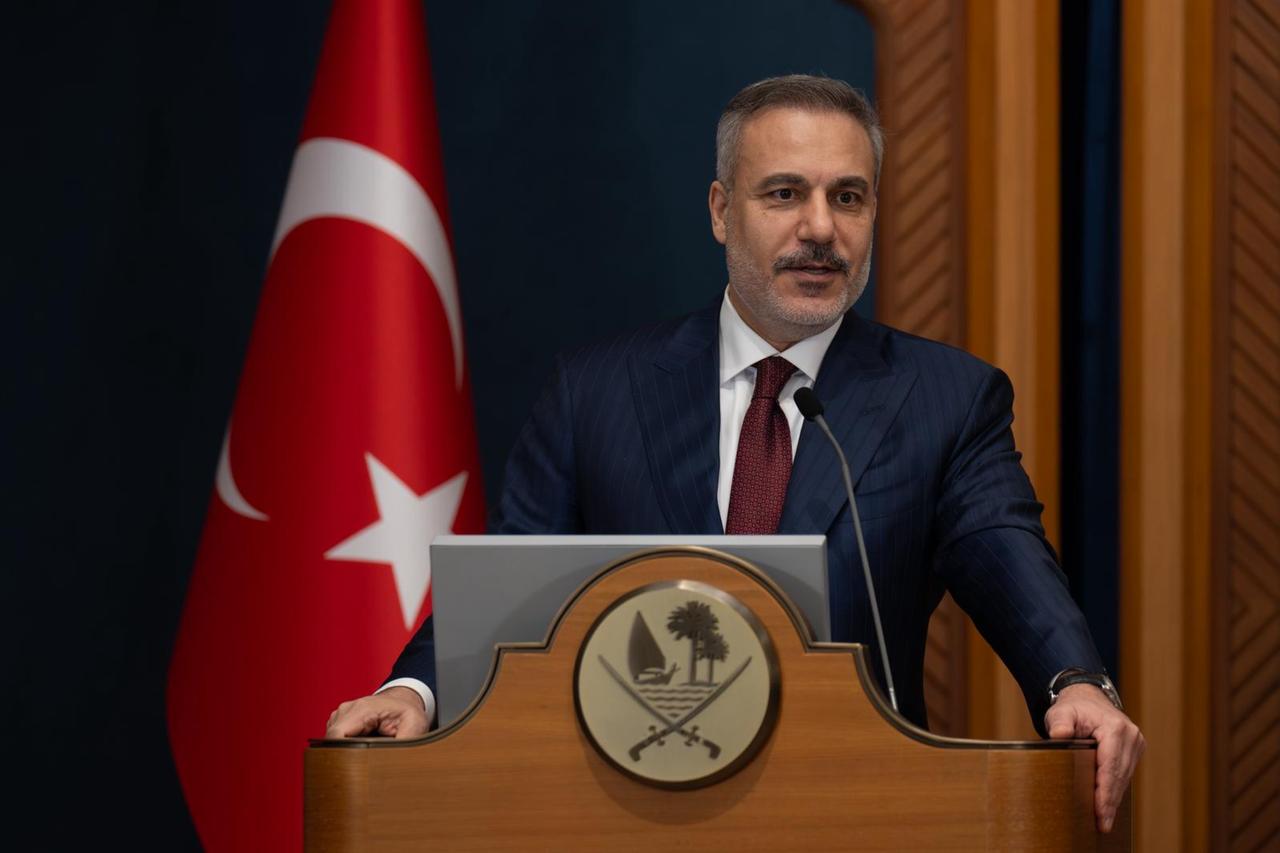


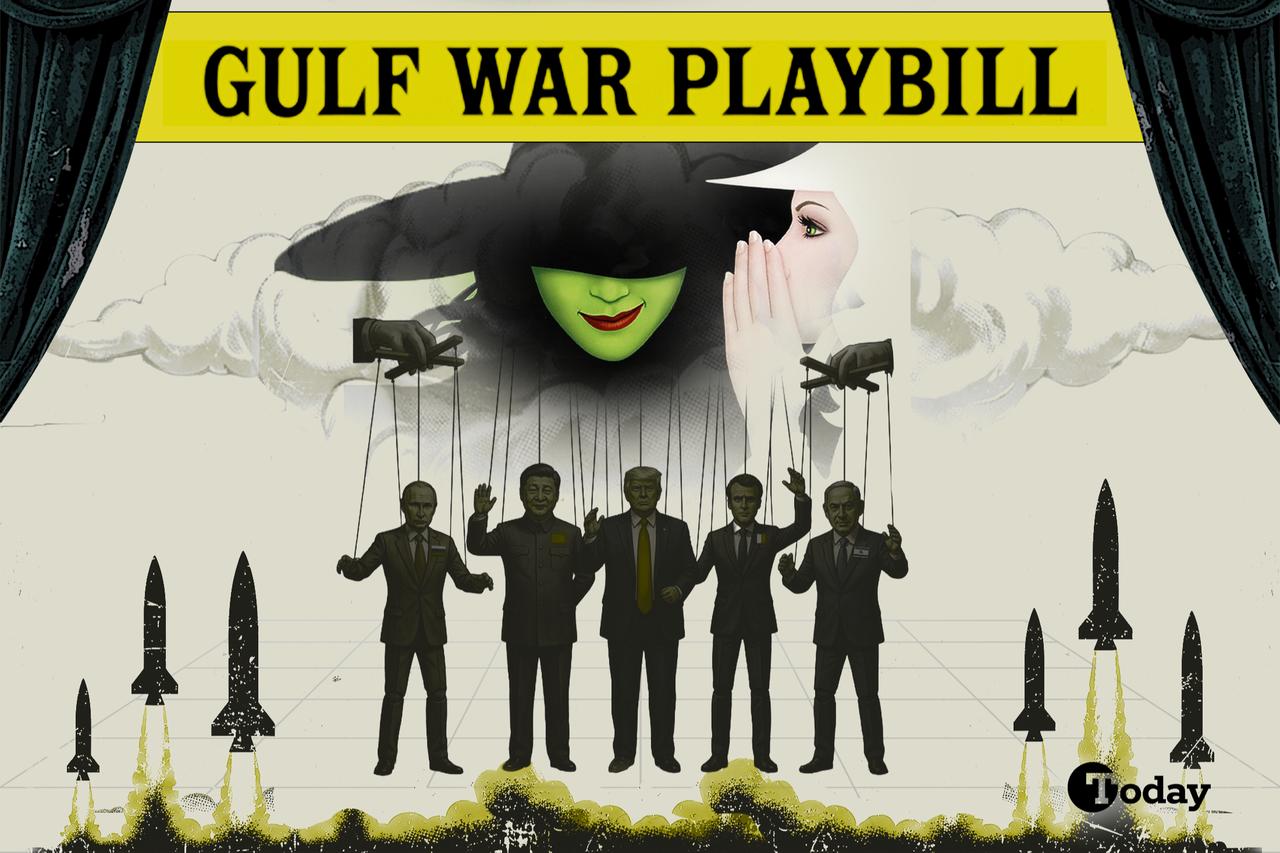
Foreign Minister Hakan Fidan said Gulf states delivered what amounted to final warnings that they would take countermeasures against Iran if attacks on their territory continue, signaling a dangerous escalation in a regional conflict that Fidan warned risks drawing the entire Middle East into a prolonged war.
Speaking to reporters after a diplomatic tour of Saudi Arabia, Qatar and the United Arab Emirates, Fidan said the assessment among Gulf capitals is that the current war could last another two to three weeks, though the decisive factor would be Washington's posture. Israel, he cautioned, would seek to influence the United States and "will want to prevent a ceasefire or reaching peace in a short time."
The minister's remarks came after a March 19 meeting in Riyadh organized by Saudi Arabia with a single agenda item: evaluating Iran's attacks on Gulf states. Fidan described the gathering as a search for collective wisdom, with all countries directly or indirectly affected by the war seated at the table.
Fidan outlined the grievances voiced by Gulf nations, saying they questioned why Iran had targeted them in a war they had no part in starting. He reported that these countries declared from the outset they would not allow their airspace or military bases on their soil to be used against Iran, yet Tehran struck civilian infrastructure and economic targets in addition to military installations.
"We have been warning from the beginning. Gulf states are saying they will have to take countermeasures if the current situation continues. At this meeting, they essentially delivered their final warnings on this matter," Fidan said, adding bluntly: "The risk has increased."
He stressed that Türkiye does not want the situation to spiral into a long-running war that engulfs the entire region, and pledged to continue using all diplomatic channels, including regional initiatives like the Riyadh meeting, to push for an end to hostilities.
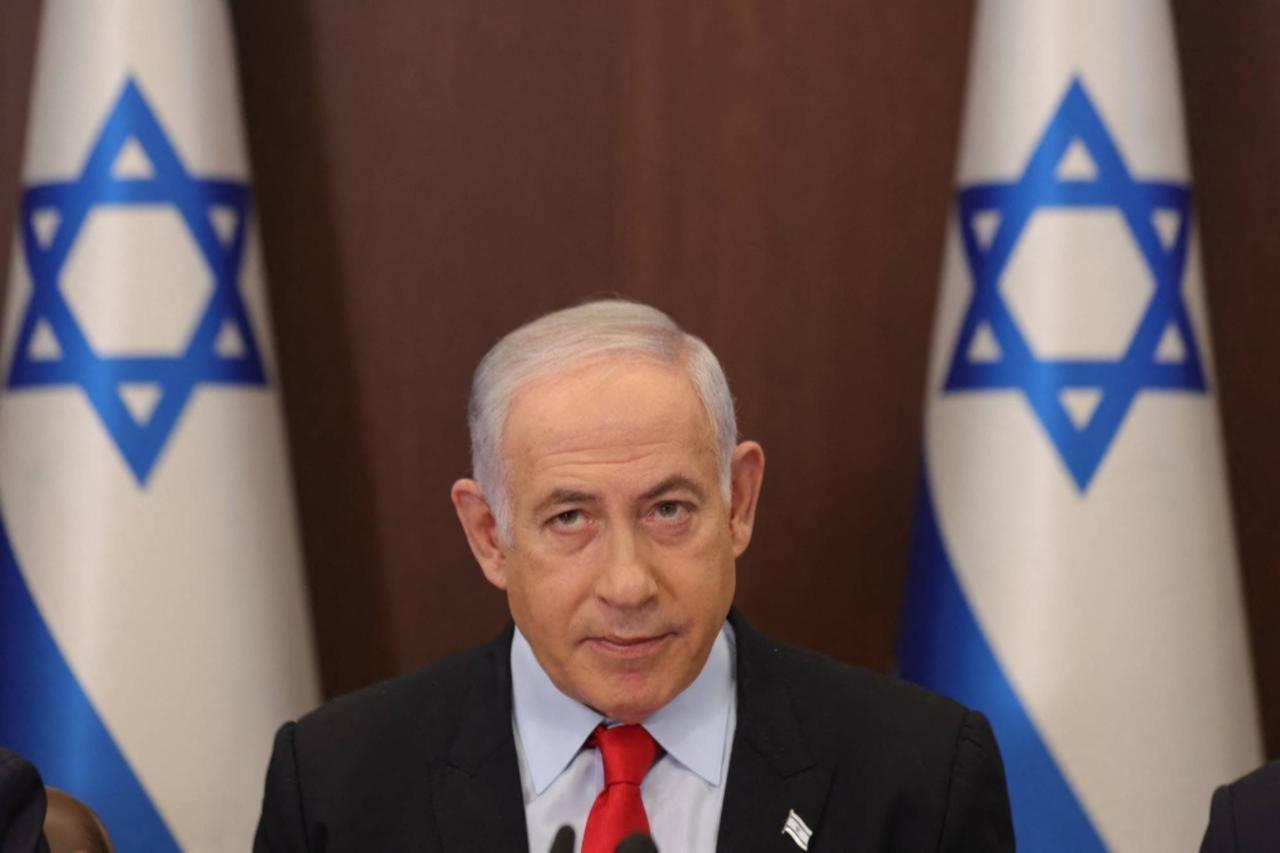

Fidan placed the blame for the conflict's persistence squarely on Israel, saying the fundamental problem is not a lack of peace plans but Israel's unwillingness to pursue peace. "The problem is not the absence of plans to end the war. The problem is Israel not wanting peace. We emphasize this reality everywhere, at every opportunity," he said.
He noted that assessments suggesting Washington and Tel Aviv's initial positions are diverging have grown, a development that could result in a longer war. Israel, Fidan suggested, may pursue a strategy of prolonging the conflict to inflict greater damage on Iran, and gave the impression it would not stop until it had eliminated military and industrial targets it considers significant. He added that assassinations were continuing.
The European Union's stance would become critical in the face of such an approach, Fidan said. He also raised the possibility that while negotiations during active fighting appeared unlikely, a short-term ceasefire could open a window for talks, though he acknowledged the risk that parties could simply resume hostilities if diplomacy failed.
Fidan said trust in Türkiye has grown as a result of the conflict, attributing this to Ankara's consistent and principled stance. "We did not take an ambivalent position from the start. Everyone sees that we openly told all sides about the mistakes being made," he said, adding that Türkiye has been vocal in condemning wrongs committed against both Iran and Gulf states.
At the Riyadh meeting, despite the session being organized solely around the Iran agenda, Fidan said Türkiye succeeded in highlighting Israel's role in sparking the war and ensured that the threat posed by Israeli expansionism was referenced in the joint statement. He described Türkiye as the country that has criticized Israel most forcefully since the conflict's outset.
On mediation efforts more broadly, Fidan struck a measured tone, noting that Türkiye's proposals are rooted in a search for stability that serves everyone's interests. But when parties prioritize victory or domination over stability, he said, dialogue risks becoming performative, conducted merely to advance other agendas.
Looking beyond the battlefield, Fidan said much could change in the Gulf after the war ends, with countries potentially seeking new partnerships in the defense industry. He outlined a scenario in which Gulf states could lay out their expectations for Iran clearly, potentially pivoting toward economic cooperation if certain conditions are met, while Iran might raise demands regarding US military bases in the Gulf.
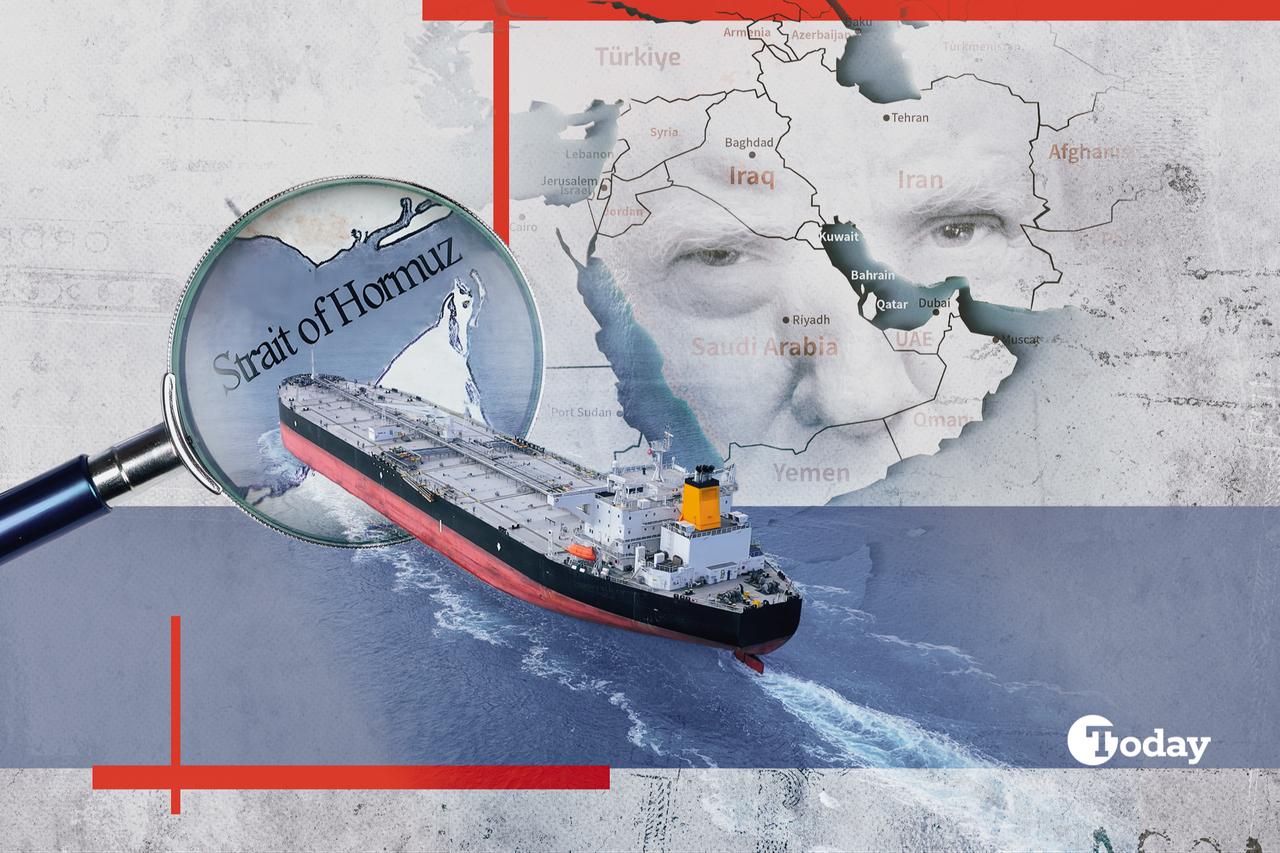
He underscored the strategic importance of oil and LNG shipments passing through the Strait of Hormuz to China, the EU, South Korea, Japan and India, and flagged the question of what these consumer nations would expect from a post-war order.
On Türkiye's EU relations, Fidan said President Recep Tayyip Erdogan's position remains clear: Türkiye's goal of membership has not changed, but Ankara is waiting for a political will to emerge in Europe to advance the accession process.
He described the relationship as stable, noting it is not deteriorating but could improve. Updating the Customs Union and visa liberalization remain priorities, with work continuing on six outstanding benchmarks for visa-free travel.
The EU, Fidan observed, continues to need Türkiye on issues ranging from irregular migration and counterterrorism to evacuating European citizens from conflict zones.


 Set as preferred source
 Set as preferred source


 1 min read
 1 min read