Newsletters


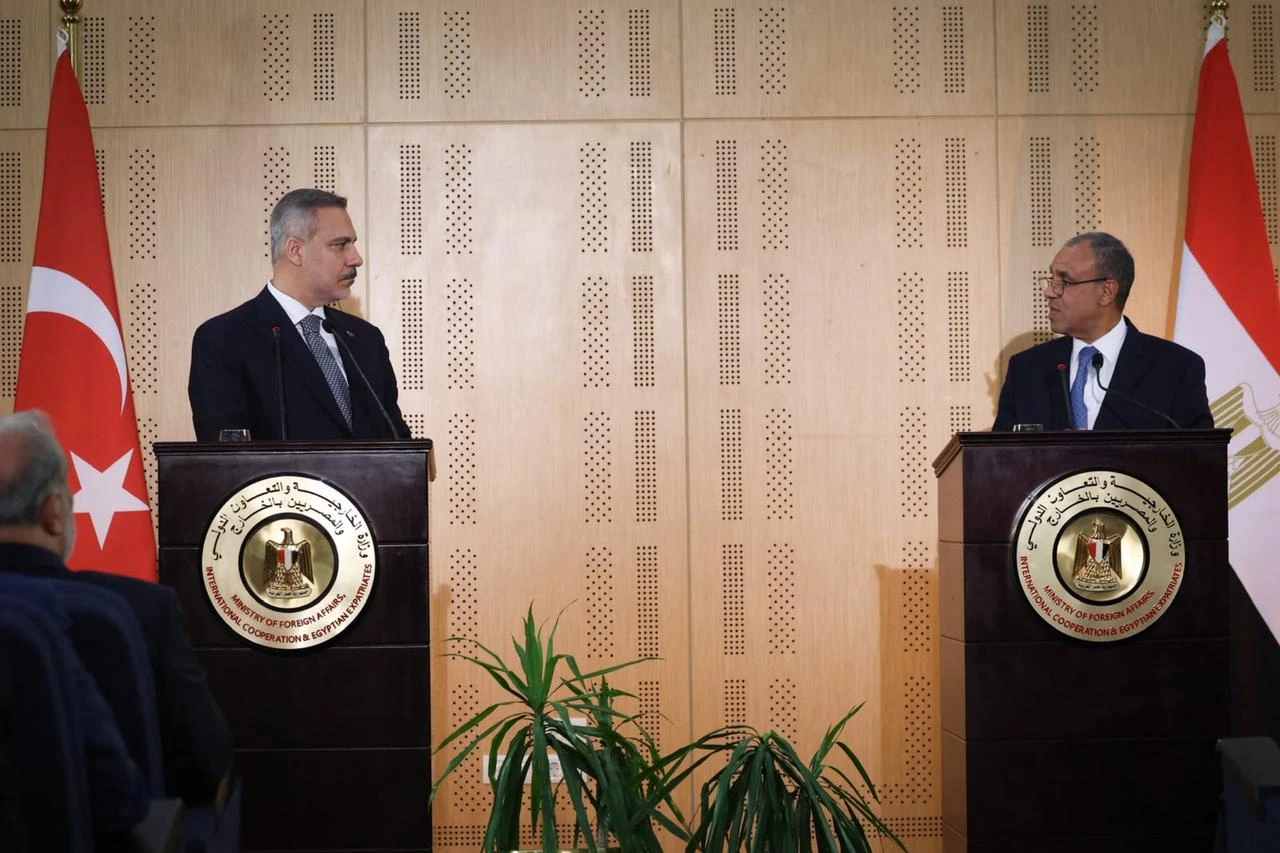


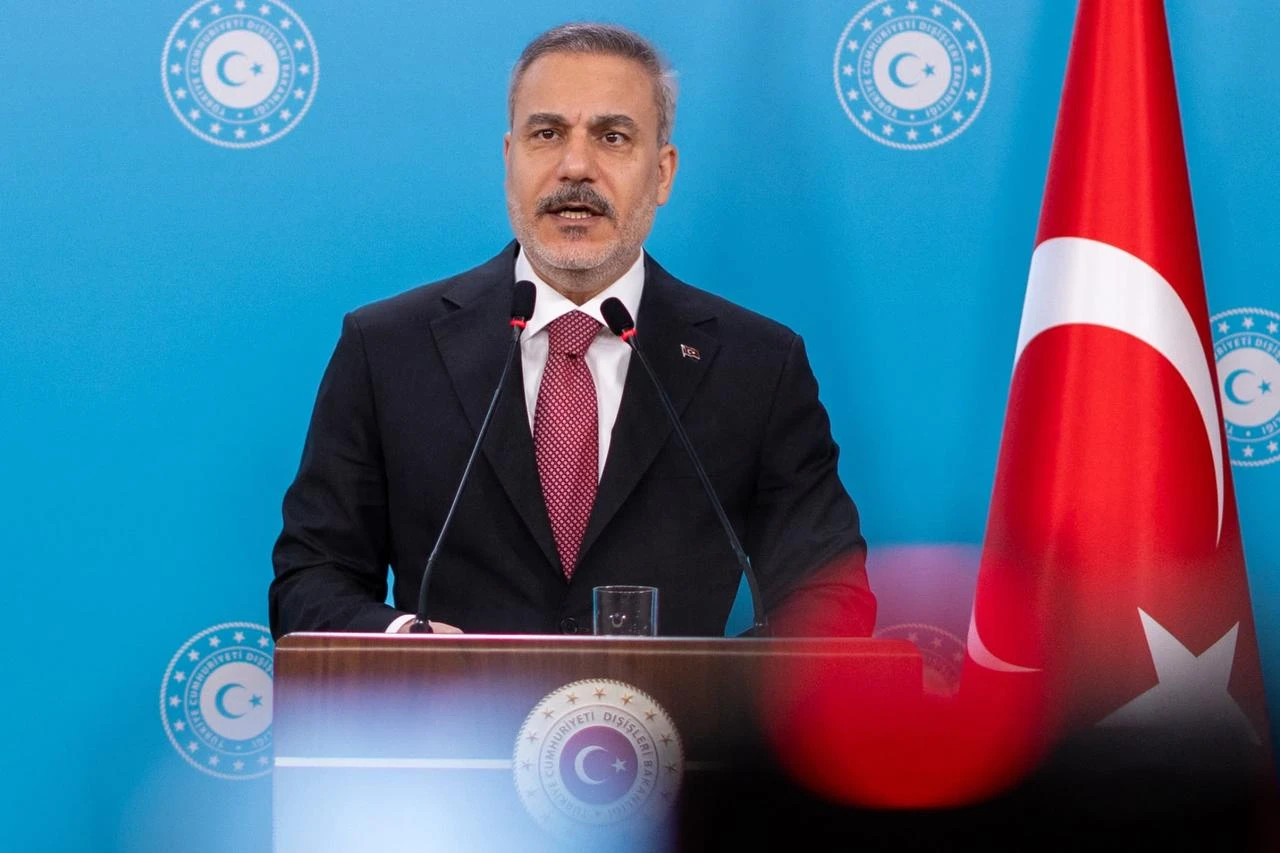
Foreign Minister Hakan Fidan warned that Türkiye, Qatar and Egypt could be pushed toward joint "radical steps" over Gaza if the United States fails to apply sufficient pressure on Israel, as Israel has not advanced to the second phase of the Gaza peace plan despite the Palestinian side fulfilling its commitments.
"We expect the US to apply the necessary pressure on Israel. Otherwise, there will be radical steps that we, as Türkiye, Qatar and Egypt, will need to take on this matter," Fidan said.
The comments came during a joint press conference with Egyptian Foreign Minister Badr Abdelatty in El Alamein, Egypt, where the two ministers co-chaired the second meeting of the Türkiye-Egypt Joint Planning Group.
Fidan was in Egypt on an official visit that also included talks on Libya, Sudan and bilateral trade.
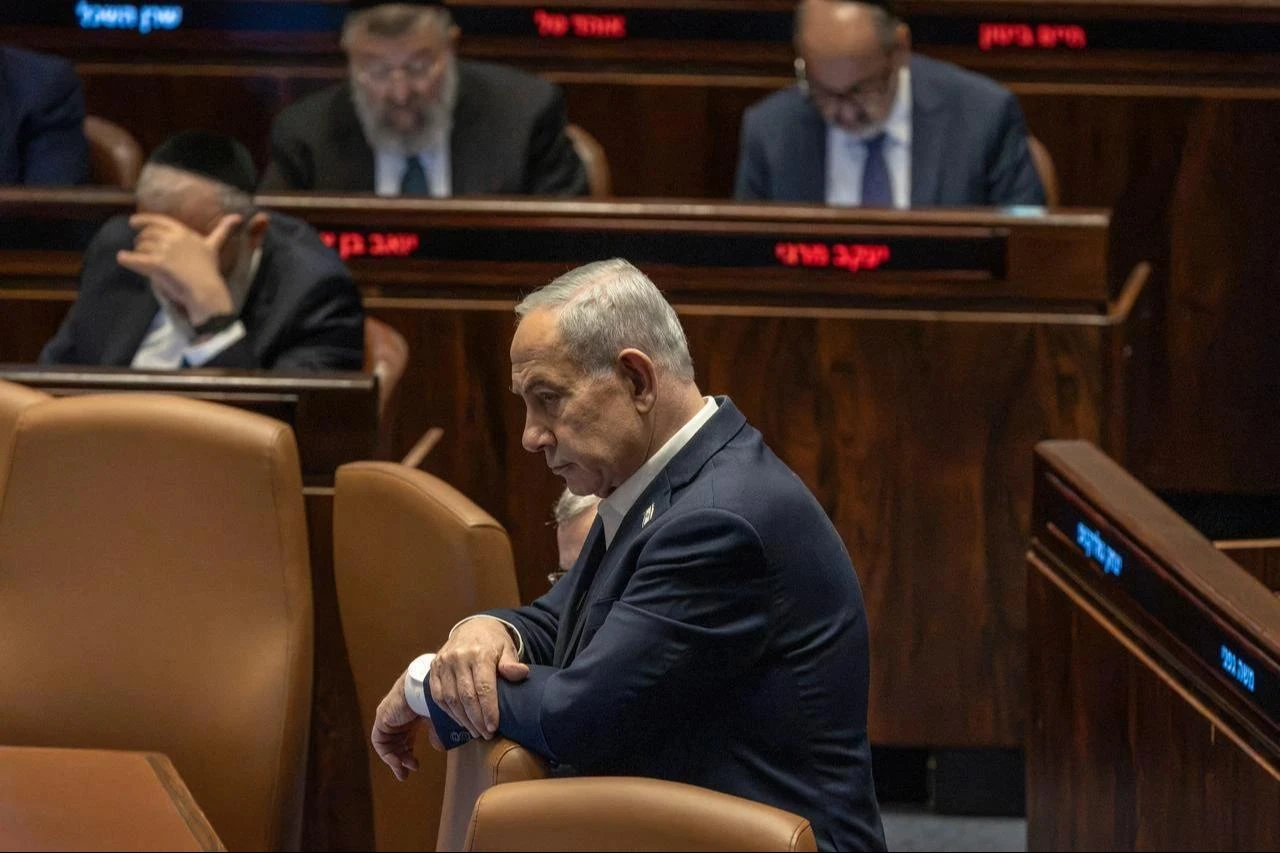

Fidan said the talks addressed the situation in Gaza and possible paths to a resolution, accusing Israeli Prime Minister Benjamin Netanyahu and his government of escalating policies that "trample human dignity" and provoke the international community.
He described the situation as having grown beyond a regional issue into a security concern for the entire international community.
Fidan said the two countries had agreed on the need for more serious measures, including ensuring humanitarian access, preventing the killing of Palestinians, and upholding the terms of the Gaza peace plan.
He said Ankara and Cairo were maintaining coordination "at the highest level" on the peace plan and continuing efforts on humanitarian aid to Gaza.
He added that while the first phase of the plan, halting what he described as genocide, had been achieved with international pressure, the amount of humanitarian aid reaching Gaza remained below what was needed.
Fidan said Israel's apparent goal was to displace Palestinians from Gaza and leave none remaining there, and he called for increased international pressure on Netanyahu to abandon what he called these "reckless" plans.
 1 min read
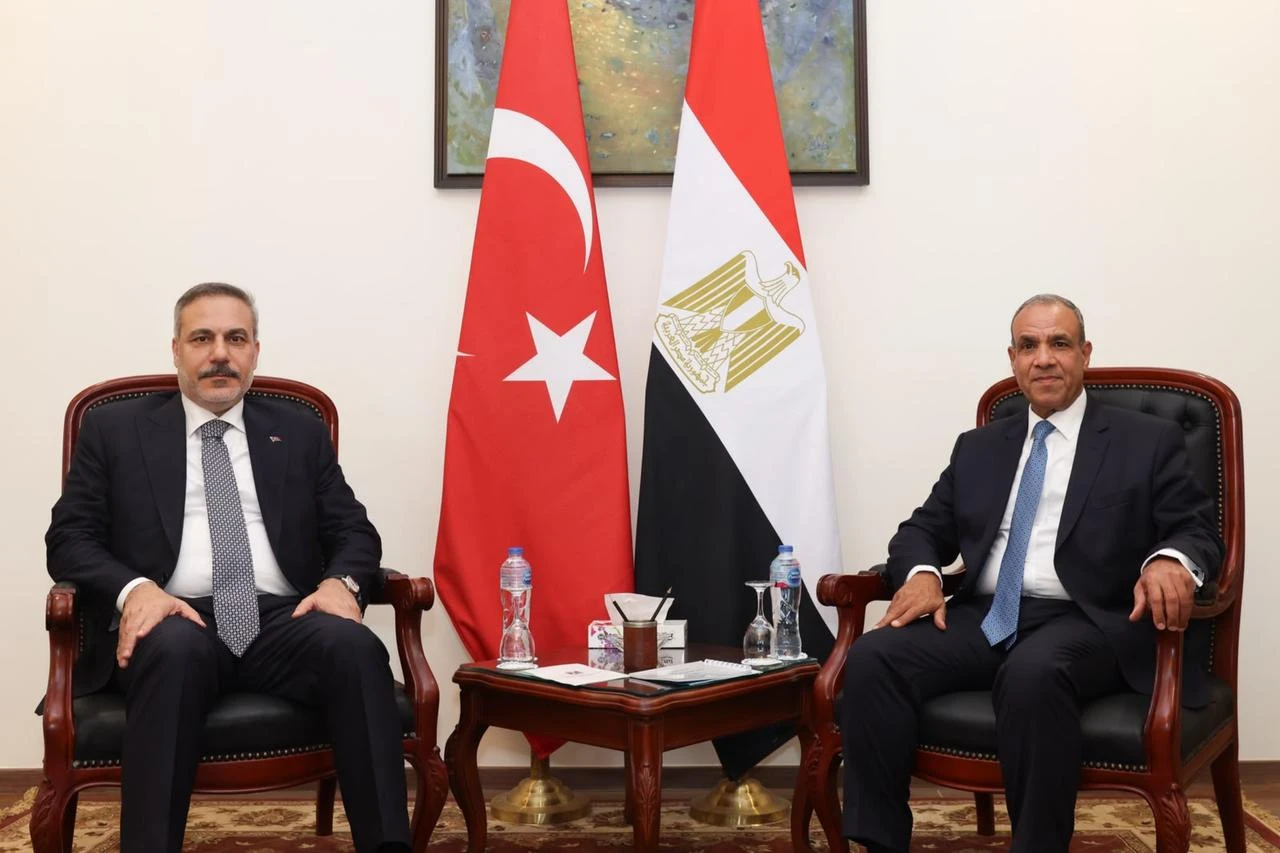
Fidan pointed to last month's defense agreement signed by Saudi Arabia, Türkiye and Pakistan, which he called the "Mecca Alliance," describing it as a historic moment for the region.
He said the alliance reflected a shift toward regional countries taking ownership of their own problems rather than waiting for outside powers to resolve them, calling that expectation naive.
He said Egypt had been closely consulted from the outset on the initiative and described Egypt as Türkiye's "natural partner," adding he hoped it would soon become a formal partner as well.
Fidan rejected the idea that the alliance was directed against any country, saying it was intended to reinforce mutual commitments to security, sovereignty and prosperity.
He contrasted it with what he described as a separate security arrangement formed earlier between Israel, Greece and the Greek Cypriot administration in the Mediterranean, saying that pact's purpose was clear even though it had drawn less public attention.
Fidan said he and Abdelatty also discussed the conflict in Sudan, stressing the need to end the fighting and ease the suffering of civilians.
He noted that Sudan's war posed a direct threat to Egypt's security and economy given their shared border, drawing a comparison to the refugee flows Türkiye experienced as a result of the conflict in Syria.
He said Egypt had shown support for Sudanese refugees while also working toward ending the civil war, and that Türkiye was coordinating with Egypt, Saudi Arabia and other regional countries on the issue.


 Set as preferred source
 Set as preferred source


 1 min read