Newsletters


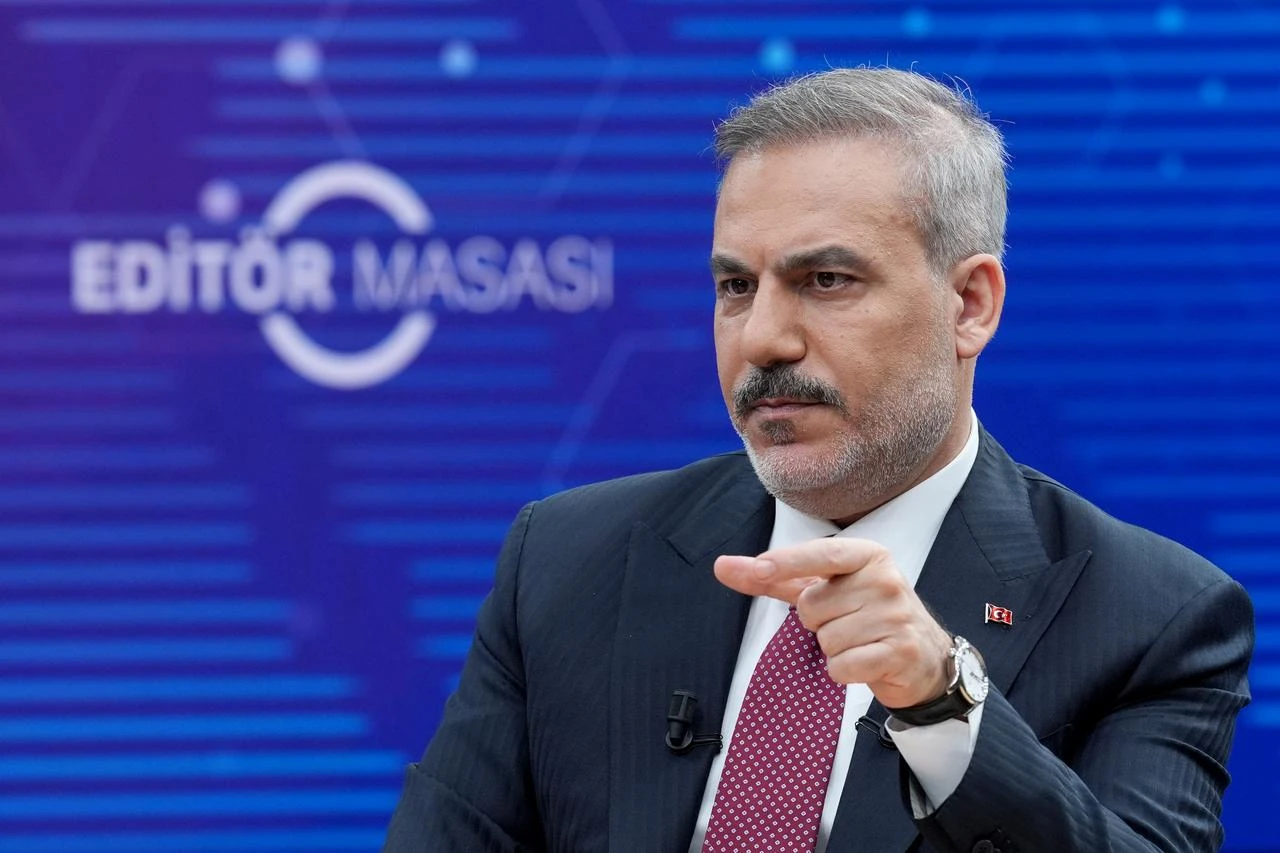


Turkish Foreign Minister Hakan Fidan said on Saturday that Egypt could join the Mecca Joint Defense Agreement, emphasizing that Ankara envisions expanding the new regional security pact beyond its three founding members.
Speaking about the agreement, Fidan said President Recep Tayyip Erdogan envisions the initiative growing over time rather than remaining limited to Türkiye, Saudi Arabia and Pakistan.
"Our president's vision is for this initiative not to remain limited to three countries, but to grow and, if necessary, bring all countries under this umbrella," he said. Fidan added that several other countries have also expressed interest in joining the framework.
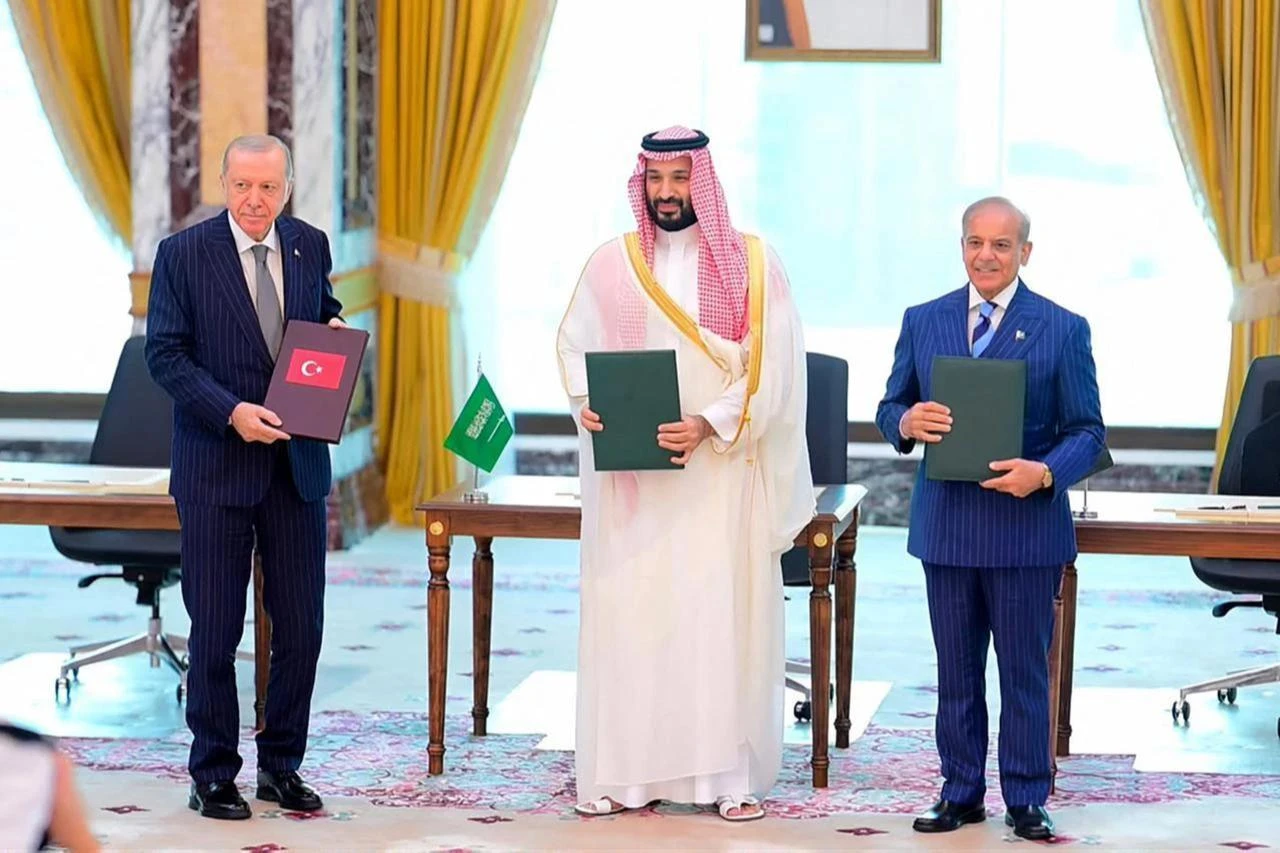
Signed by Türkiye, Saudi Arabia and Pakistan on Aug. 7, the Mecca Joint Defense Agreement is a mutual defense pact under which an attack on one member is considered an attack on all.
It also provides for closer military cooperation, joint planning and defense coordination, while remaining open to new members with the consent of the founding countries.
Fidan described the agreement as the result of nearly three years of continuous discussions with the partner countries, arguing that the region needed a collective defense arrangement to help improve stability and prosperity.
He noted that the pact would function in a way that is technically similar to NATO's Article 5, with a ministers' committee, political and military committees, and a permanent secretariat responsible for overseeing implementation of decisions.
The secretariat will be based in Saudi Arabia, while joint military exercises and training programs are also planned.
Rejecting suggestions that the alliance is aimed at Iran, Fidan stressed that the agreement is defensive in nature.
"When we come together with these countries, it naturally becomes a defense organization. Unless it is attacked from inside or outside the region, this alliance will not take action," he said. "I want to underline that Iran is not the target of this alliance. No country that does not attack us is our target."
He also said Iranian officials are familiar with the initiative through previous discussions and argued that Türkiye could continue to serve as a mediator if requested by the parties involved.
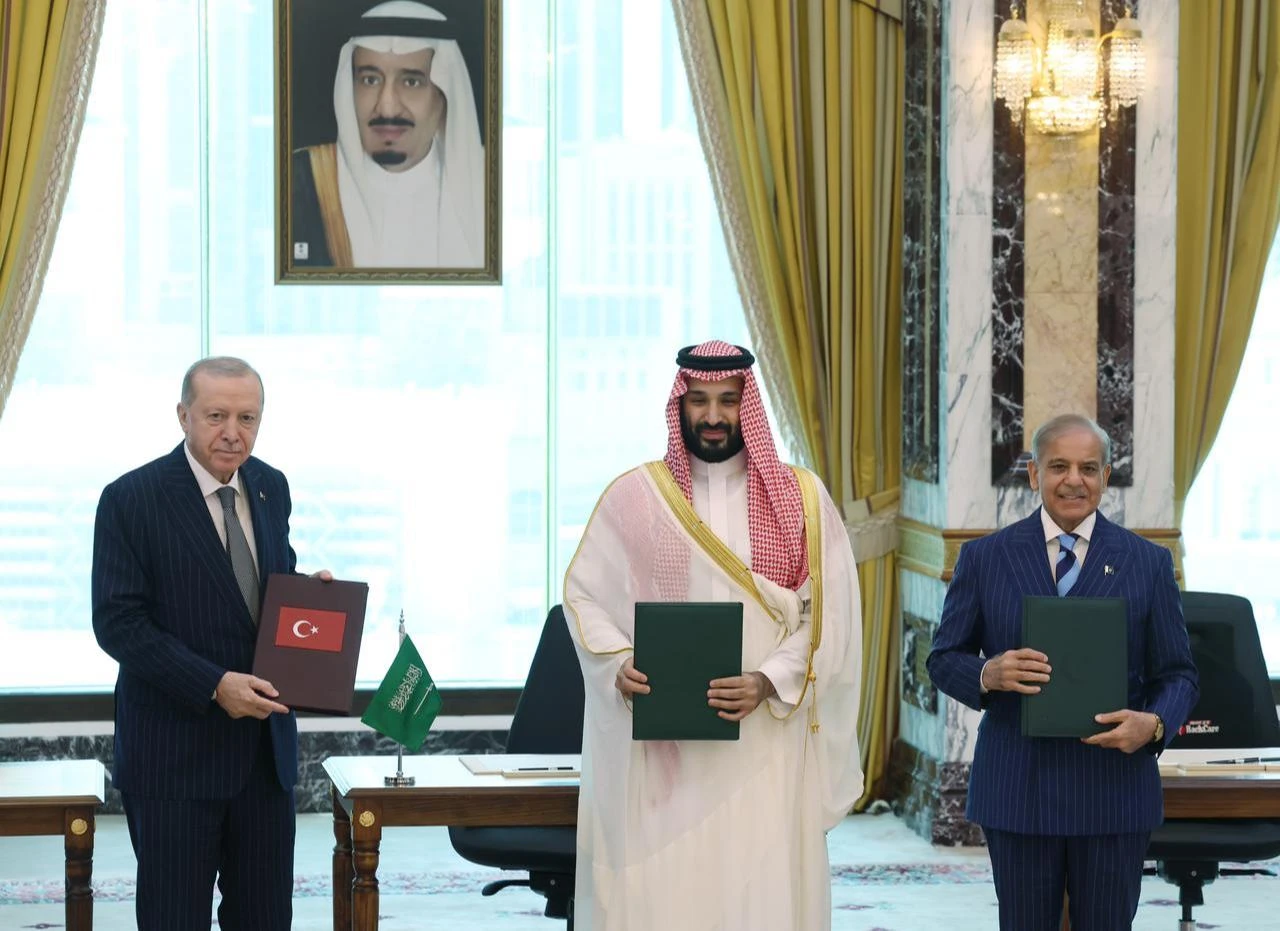

Turning to wider regional issues, Fidan said securing even a temporary agreement to reopen the Strait of Hormuz remains the most urgent priority, noting that countries across the Middle East, Europe, Asia and the United States are pushing for maritime traffic to resume.
He said negotiations have advanced significantly and expressed confidence that a final agreement could be reached once procedural issues between Oman and Iran are resolved.
"We are talking to all sides. Wherever we think the process has stalled, we are trying to unblock it," Fidan said, adding that regional countries, the United States, Europe and Asian nations all want the strategic shipping route reopened as soon as possible.
On Gaza, Fidan accused Israel of delaying the second phase of the peace plan despite Hamas accepting conditions linked to disarmament. He asserted that Israel's long-term objective remains the displacement of Palestinians from Gaza and maintained that sustained political pressure is the only way to alter its course.
"The thing Israel fears most is international isolation," he said, arguing that growing global awareness is making it increasingly difficult for Israel to maintain international backing.
Addressing security in the Black Sea, Fidan warned that attacks have expanded from military targets to commercial shipping, affecting Turkish-owned and Turkish-flagged vessels as well as ships carrying Turkish crews.
"They first targeted military ports and military ships. Now they are striking all commercial vessels without distinction," he said, adding that Ankara has proposed a moratorium on attacks against commercial shipping to both Russia and Ukraine and is awaiting their response.
Fidan warned that the Russia-Ukraine conflict is becoming increasingly destructive as neither side is prepared to make concessions. He said continued attacks on civilian infrastructure risk pushing the war into an even more dangerous phase, warning that Russia could ultimately resort to its "last option" if the conflict continues to escalate.
"We have to do whatever it takes to stop this war," Fidan said. "Everything that was once considered impossible has already happened," he added, warning that the conflict has expanded in geography, targets and methods and could escalate further unless diplomacy prevails.


 Set as preferred source
 Set as preferred source


 2 min read
 1 min read