

 Newsletters


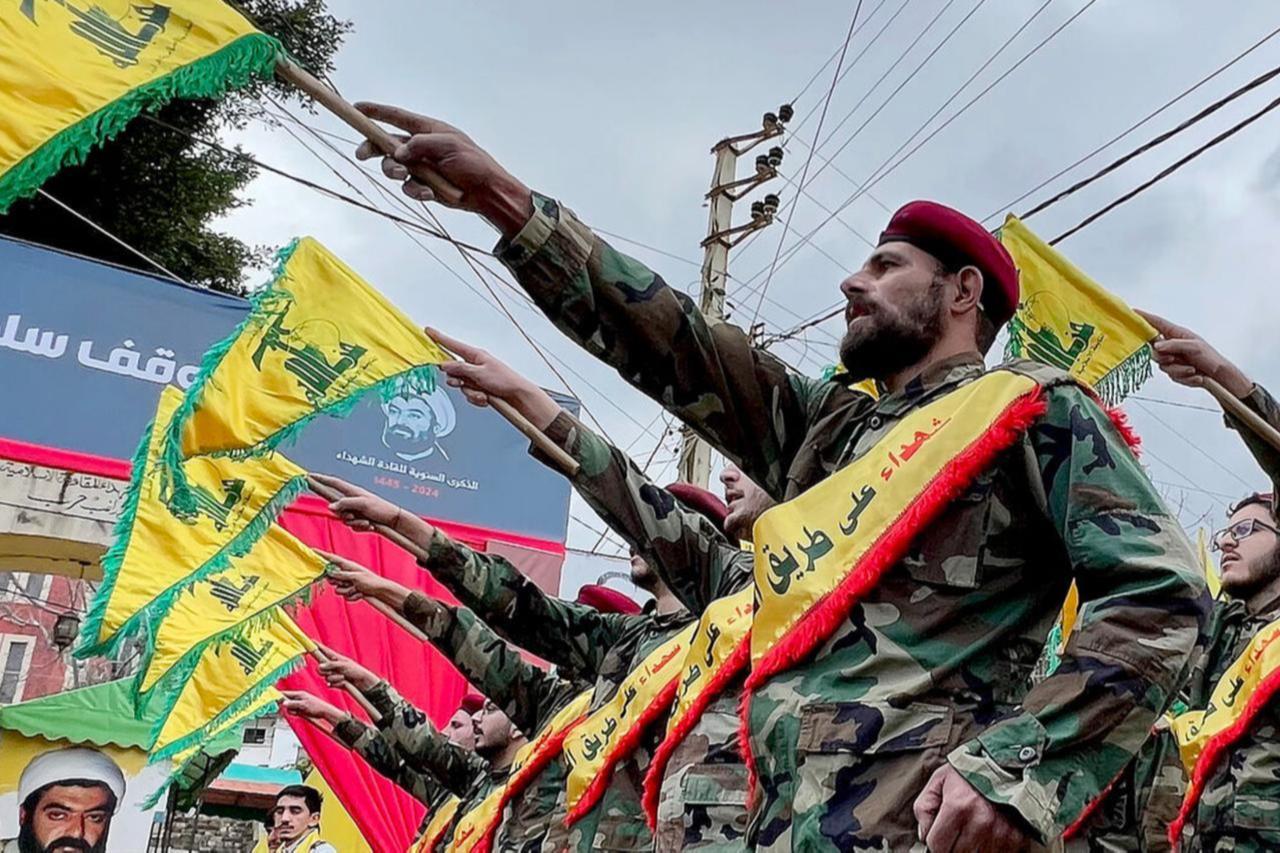


A senior Hezbollah official has signaled that the Lebanese armed movement would not enter a military confrontation with the United States if Washington launched limited strikes against Iran, but warned that any attempt to topple the Iranian regime or target Supreme Leader Ali Khamenei would trigger its direct involvement.
The official, speaking to AFP on condition of anonymity on Wednesday, laid out what amounts to a calibrated set of thresholds for the group's intervention, offering a rare public glimpse into Hezbollah's strategic calculus as tensions between Washington and Tehran continue to escalate.
"In the event of limited US strikes on Iran, Hezbollah's position will be to not intervene militarily," the official said. However, if the group determines that the United States is trying to "provoke the downfall of the Iranian regime or to target the supreme leader, Hezbollah will then intervene."
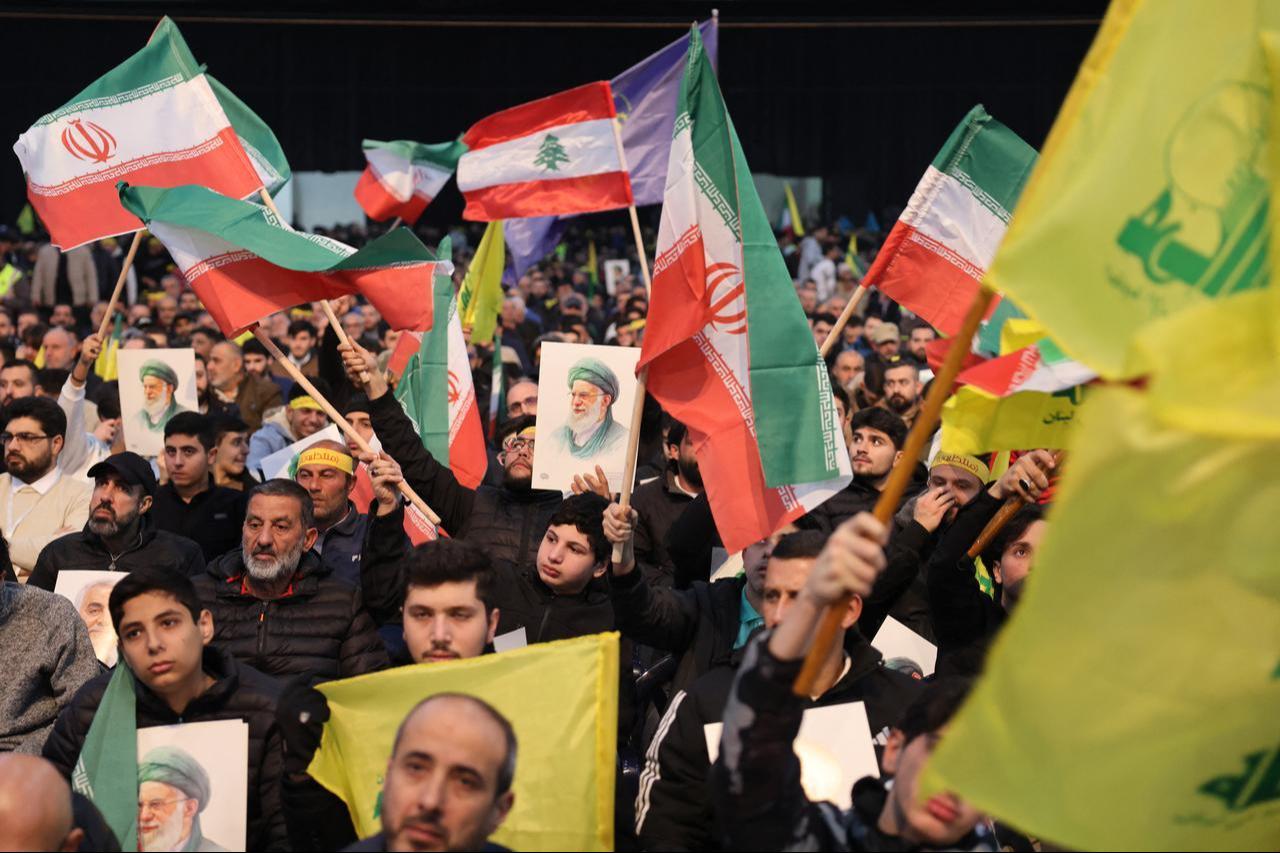

The distinction matters enormously for Lebanon, a country still reeling from over a year of war between Hezbollah and Israel that a November 2024 ceasefire was meant to end. Lebanese officials have expressed mounting anxiety that any US-Iran military confrontation could spiral into a broader regional conflict with Lebanon caught in the middle.
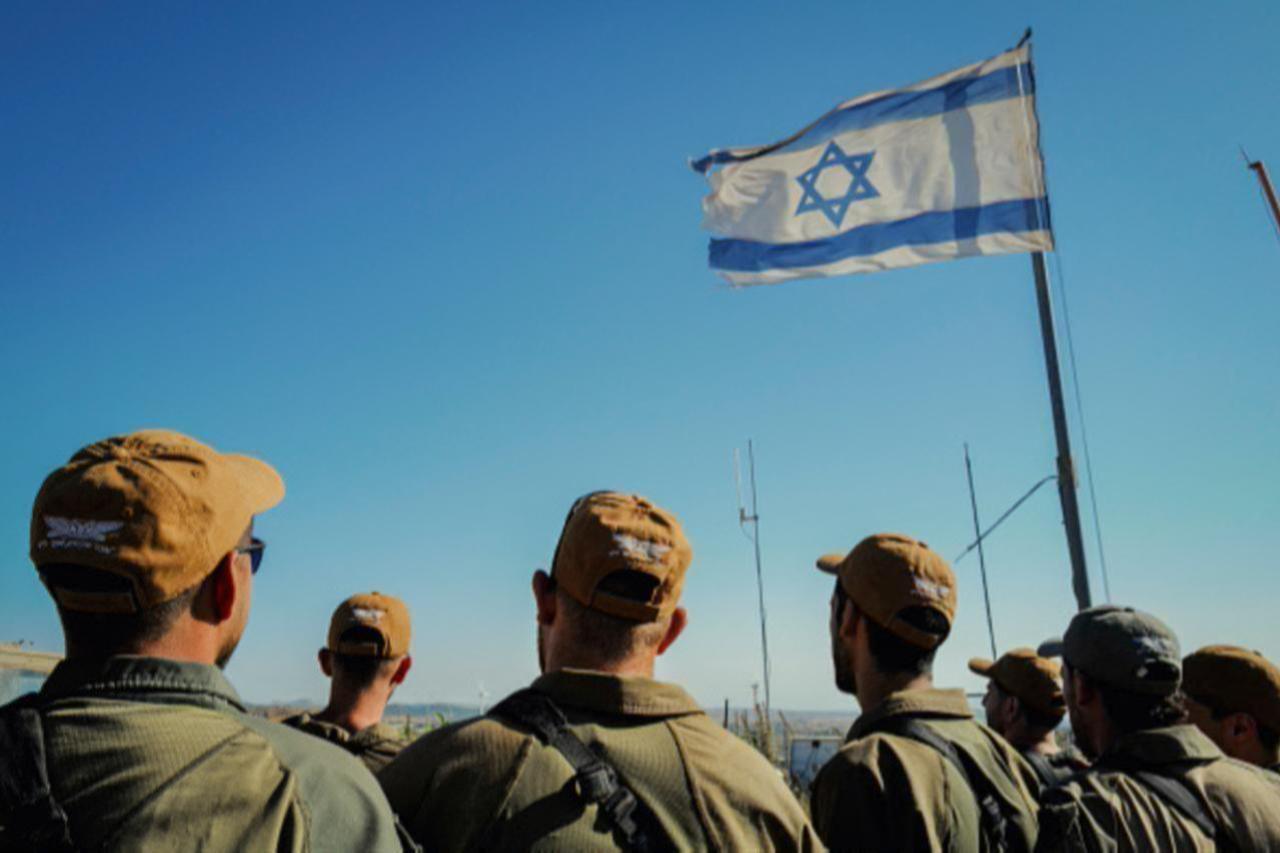
Lebanon's foreign minister said Tuesday that the government feared Israeli attacks on civilian infrastructure if Hezbollah, which still maintains an arsenal of ballistic missiles, became entangled in a US-Iran war. A separate Lebanese official, also requesting anonymity, described the nightmare scenario plainly: "What the Lebanese fear is a chain reaction: an American strike against Iran, a Hezbollah retaliatory strike against Israel, followed by a massive Israeli response."
The Hezbollah official predicted that any hypothetical US attempt to militarily unseat the Iranian government would lead Israel to "inevitably wage a war against Lebanon."
The movement finds itself in a significantly diminished position compared to previous regional flare-ups. More than a year of conflict with Israel left the group weakened, and its leader, Naim Qassem, has publicly described Hezbollah as being in a "defensive position," though he has said the group would consider itself "targeted" by any American strike on Iran.
That defensive posture was demonstrated during the 12-day war between Israel and Iran last June, which the US later joined. Hezbollah chose not to intervene in that conflict.
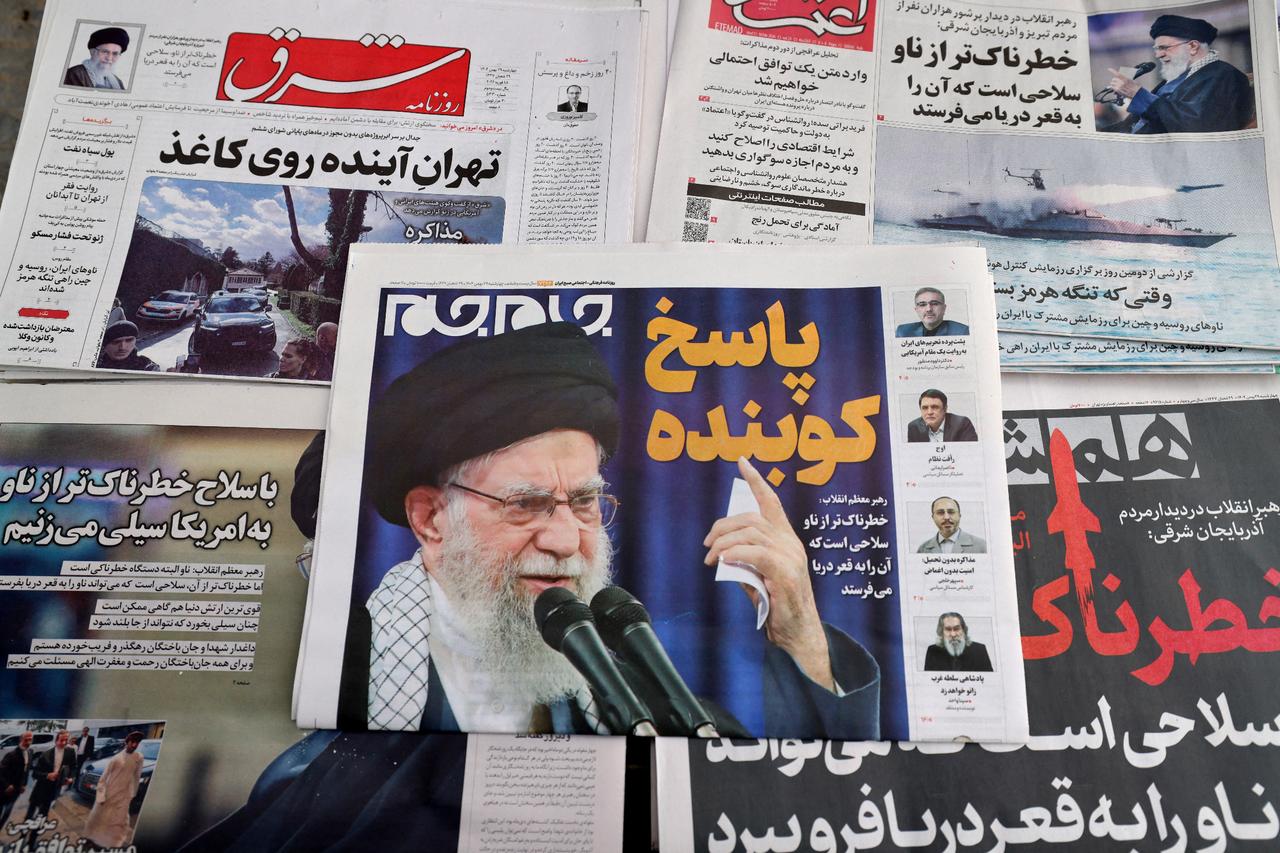
US President Donald Trump has deployed warships and fighter jets near Iran to reinforce threats of strikes should ongoing negotiations between Washington and Tehran fail to produce a deal over Iran's contentious nuclear programme.
Even as Hezbollah signals caution on the broader US-Iran front, the official struck a harder tone on Israel's continued military operations inside Lebanon. Despite the November 2024 ceasefire agreement, Israel has carried out near-daily strikes on targets it says are linked to Hezbollah, framing the operations as enforcement of ceasefire provisions against the group rearming.
Hezbollah and the Lebanese government have protested the strikes as ceasefire violations. The official stressed that while Hezbollah has so far refrained from responding, its patience is finite.
"Israeli attacks cannot continue indefinitely without a response," the official said, adding that the group's restraint "has limits."


 Set as preferred source
 Set as preferred source


 1 min read
 1 min read



