Newsletters


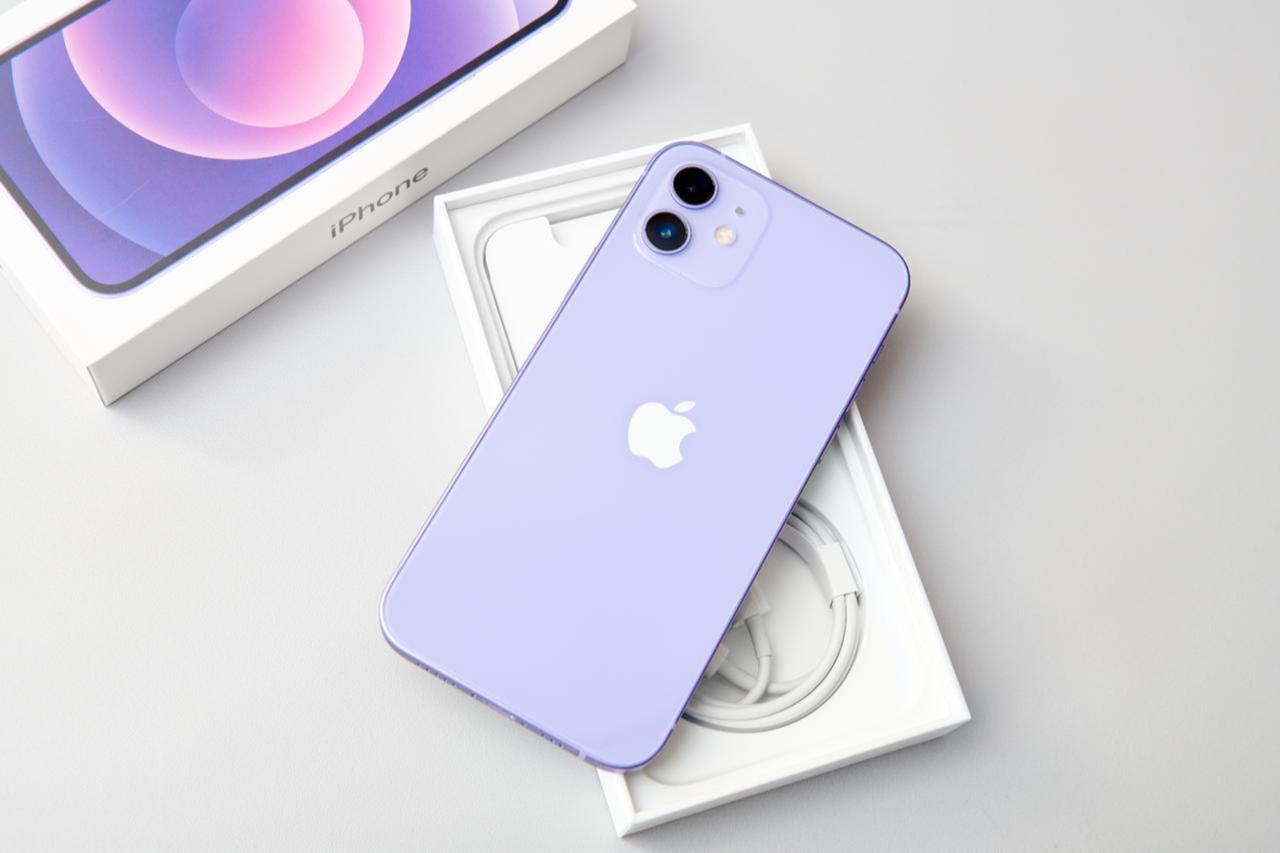


At least three Turkish ministers received notifications from Apple warning that their iPhones may have been targeted by mercenary spyware, according to sources familiar with the matter who spoke to Middle East Eye.
The warnings were part of a broader alert Apple issued last month to an unspecified number of iPhone users across 110 countries, including Türkiye. Middle East Eye understands the ministers were notified as part of that same batch of alerts.
A Turkish official told Middle East Eye that authorities believe the attempts to compromise the ministers' phones did not succeed.
The official did not disclose the ministers' identities, but said they had been using phones equipped with enhanced security measures and specially encrypted applications designed to protect sensitive information.
After Apple's notification, Türkiye's newly established Presidency of Cyber Security inspected the affected devices, replaced them and put additional safeguards in place, the official said.
It remains unclear what specific spyware tool was used in the attempted attack, as multiple companies produce similar surveillance software, and updating an iPhone's operating system can erase evidence that might otherwise help identify an intrusion.
Any digital traces that do remain typically point only to an IP address linked to a particular country, which does not necessarily establish where an attack originated.
The official said attempts to hack the phones of ministers, politicians, businesspeople and other prominent figures have become routine across the region, prompting officials to operate on the assumption that they could be targeted at any moment.
"A specific reason isn't needed for these attacks, and we all have to be vigilant," the official said.
Sources in Ankara said a wide range of political and economic interest groups could plausibly be behind the latest targeting attempt, though pinpointing responsibility is notoriously difficult.
Suspicion in such cases often falls on countries including Israel and Greece, the sources said, though spyware tools have also been sold to numerous governments throughout the region.
 1 min read
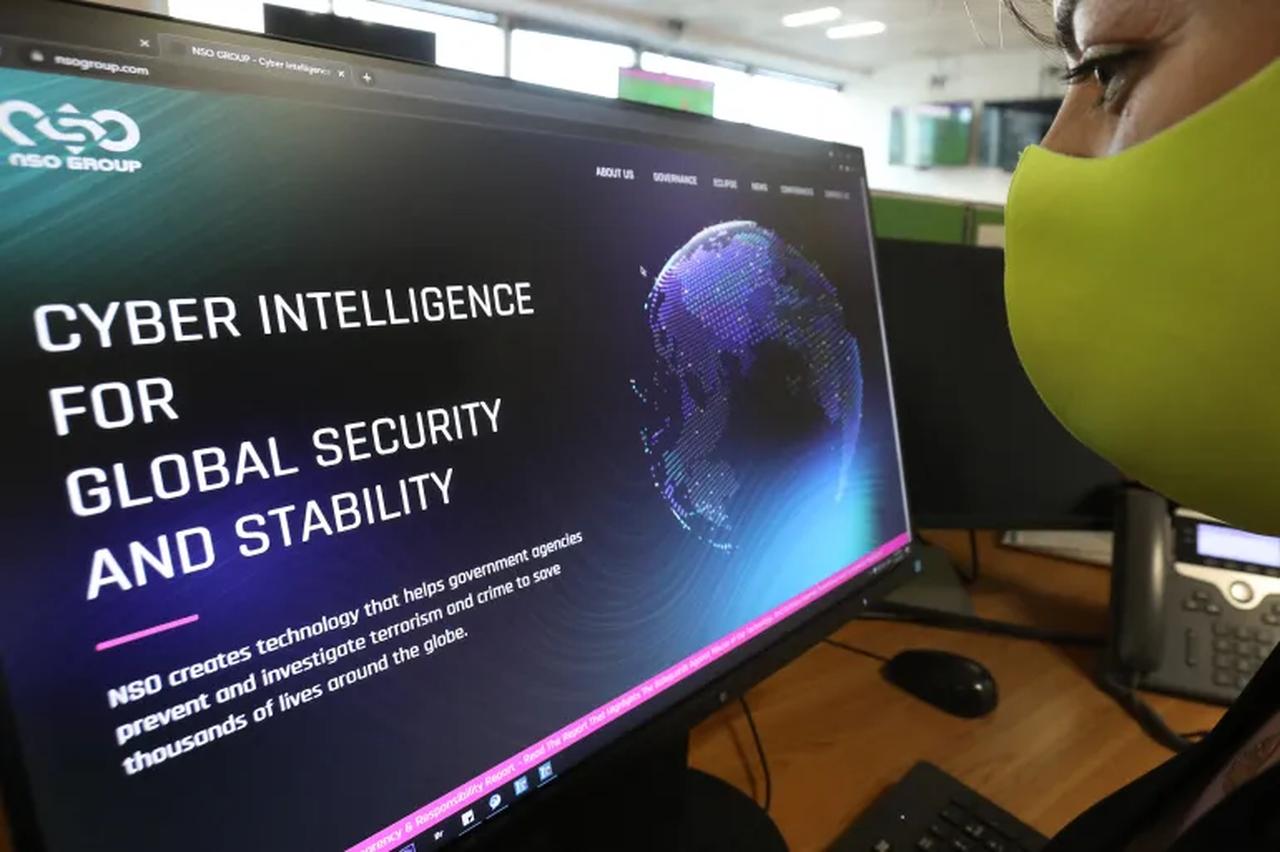
This is not the first time senior Turkish officials have faced such threats. In 2021, officials were targeted in suspected attacks involving Pegasus, spyware developed by the Israeli firm NSO Group that has been linked to surveillance operations against journalists, activists, diplomats and government officials worldwide.
Pegasus has been documented exploiting vulnerabilities in Apple's iMessage system to infiltrate phones without requiring users to click a link, an approach known as a zero-click exploit.
That year, the Paris-based nonprofit Forbidden Stories, working with a consortium of 16 media organizations, reported that government clients had selected more than 50,000 phone numbers worldwide as potential surveillance targets since 2016, an investigation that became widely known as the Pegasus Project.
In response to that earlier wave of attacks, Turkish officials replaced their phones and changed phone numbers in an effort to cut off any possible connection to the spyware.
Apple has since introduced a feature called Lockdown Mode, designed to give high-risk users additional protection against sophisticated, targeted attacks.


 Set as preferred source
 Set as preferred source


 1 min read