

 Newsletters


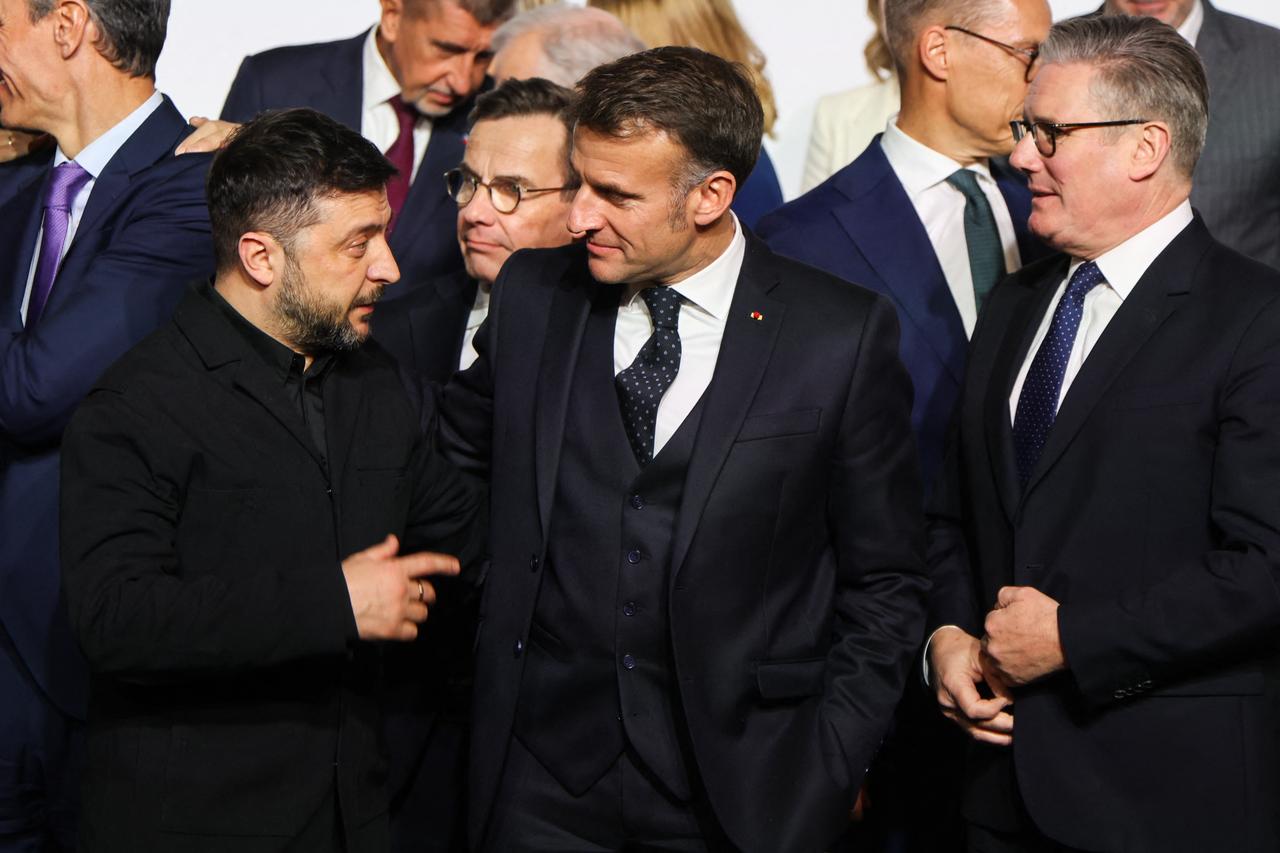


Leaders from France, Britain and Ukraine signed a declaration Tuesday committing to deploy a multinational force in Ukraine following any ceasefire, marking a concrete step toward establishing security guarantees designed to deter future Russian aggression.
The agreement emerged from a Paris summit of the Coalition of the Willing that brought together representatives from 35 countries, including 27 heads of state or government, alongside top US envoys working to broker an end to nearly four years of devastating warfare.
EU foreign policy chief Kaja Kallas emphasized the urgency of concrete security arrangements following the signing, writing on social media that Ukraine requires "extensive security guarantees after the war to deter Russia from renewed aggression." She described the coalition's mission as turning "plans into real protection," combining a reinforced Ukrainian military with multinational force deployment and American support.
"Our priority is ending the war, but right now, Russia flatly rejects peace," Kallas wrote, underscoring the challenge facing negotiators despite the diplomatic breakthrough in Paris.
The summit focused on security guarantees Ukraine requires in the event of a ceasefire to prevent renewed Russian military action. A draft statement circulated before the talks indicated Washington would spearhead a "ceasefire monitoring and verification mechanism" with European participation if a peace agreement materializes.
The United States also pledged to support the European-led multinational force that would deploy inside Ukraine after any cessation of hostilities, with American backing committed in the event of another Russian invasion.
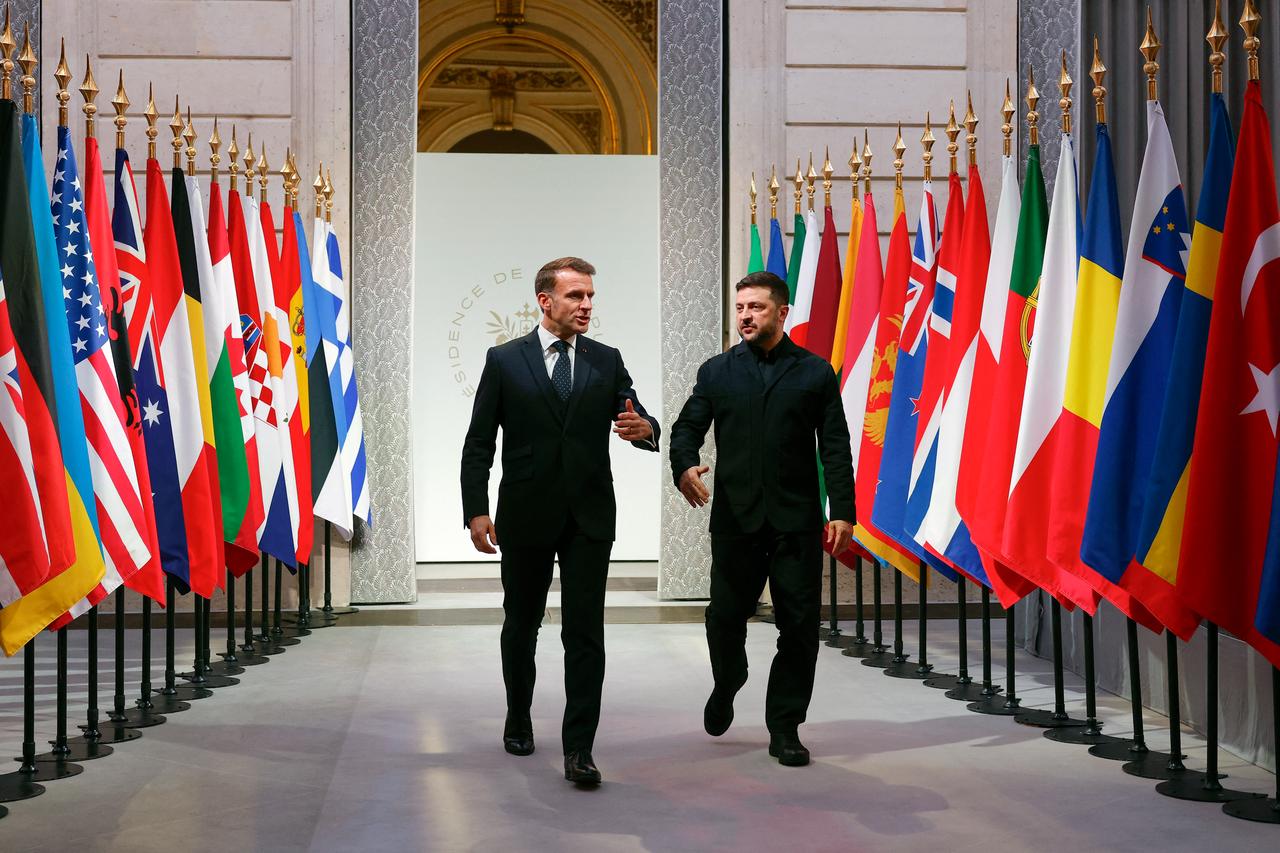
US special envoy Steve Witkoff and presidential advisor Jared Kushner traveled to Paris for the gathering, which French President Emmanuel Macron opened with a private meeting with Ukrainian President Volodymyr Zelenskyy at the Elysee Palace. The coalition was originally launched last year by France and Britain as a vehicle for coordinating Western security commitments to Kyiv.
The French presidency characterized the summit as demonstrating "alignment" between Washington, Kyiv and European allies on post-conflict security architecture, though the meeting occurred against a backdrop of continued intense fighting across multiple fronts in eastern Ukraine.
Ukrainian officials recently suggested a peace framework was "90 percent" complete, but critical obstacles remain. Russia currently occupies approximately 20 percent of Ukrainian territory and continues demanding full control of the eastern Donbas region as part of any settlement. Kyiv has warned that territorial concessions without robust deterrence mechanisms would merely invite future Russian military action.
Poland's Prime Minister Donald Tusk, speaking before departing for Paris, framed the summit's objective as aligning "European and American positions," arguing that coordinated pressure represents the only viable path to compelling Russia to seriously consider ceasefire terms. He cautioned against expecting definitive decisions to emerge from Tuesday's gathering.
German Chancellor Friedrich Merz acknowledged the difficulties facing negotiators in a letter to lawmakers obtained Tuesday. "Russia is showing little willingness to negotiate, President Zelenskyy is struggling to maintain unity among Ukrainians, and transatlantic cooperation has changed profoundly," Merz wrote. He added that Berlin seeks "a ceasefire that preserves Ukraine's sovereignty" supported by both American and European security commitments.
Russia has consistently rejected any NATO military presence on Ukrainian soil for ceasefire monitoring purposes, complicating efforts to design verification mechanisms acceptable to all parties. Moscow continues advancing in eastern Ukraine while diplomatic discussions proceed, maintaining pressure on Ukrainian defensive positions.
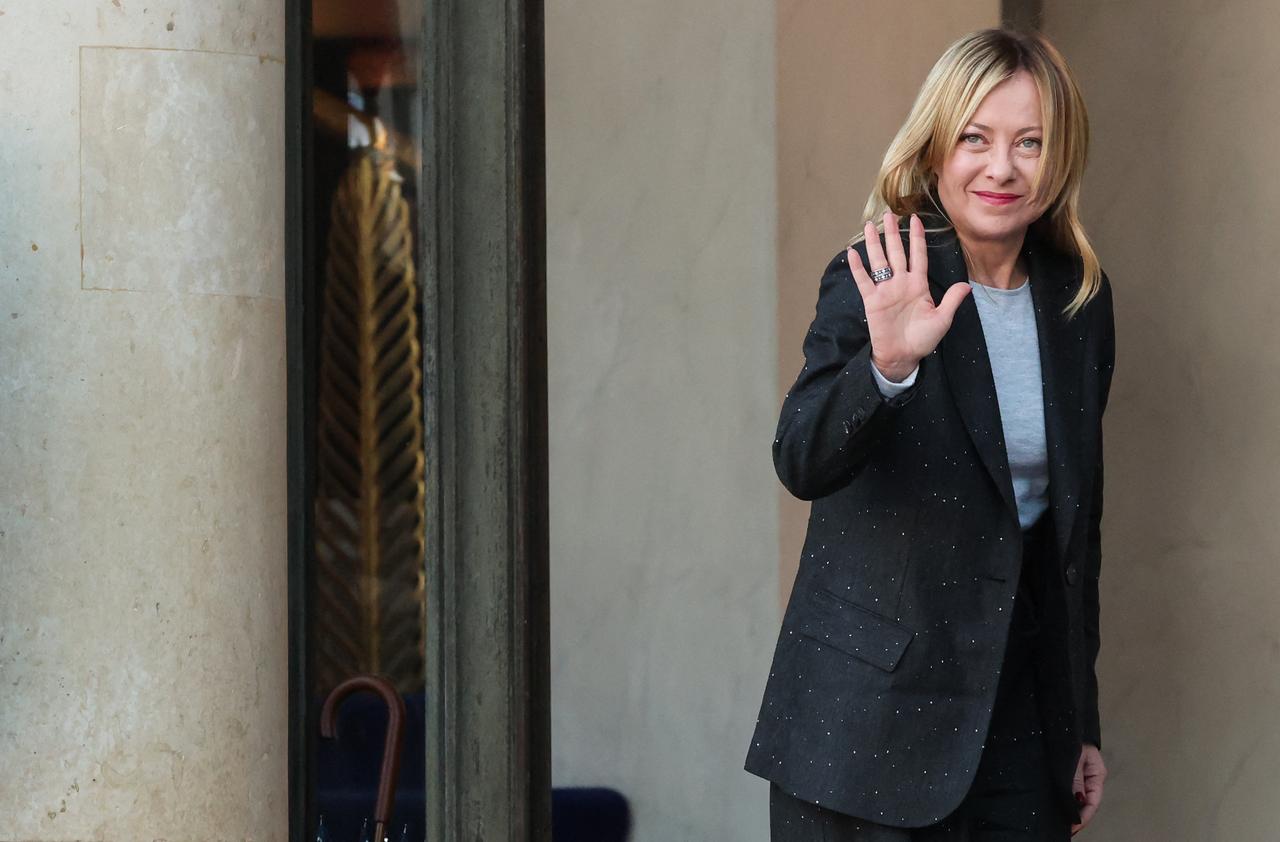

Not all coalition members have embraced the prospect of deploying forces to Ukraine. Italian Prime Minister Giorgia Meloni, while reaffirming Rome's support for Ukrainian sovereignty, explicitly ruled out Italian ground troops as part of any security guarantee package.
"In confirming Italy's support for Ukraine's security, in line with what has always been done, President Meloni reiterated some key points of the Italian government's position on the issue of guarantees, in particular the exclusion of the use of Italian troops on the ground," her office stated Tuesday.
Meloni, who called the meeting "constructive and concrete," suggested guarantees would instead form part of a "broader package of agreements" coordinated with Washington, including ceasefire monitoring mechanisms and programs to strengthen Ukrainian military capabilities.
A Macron adviser described the meeting Monday as the culmination of efforts launched after President Donald Trump's inauguration to prevent "the United States from abandoning Ukraine." Preparatory talks involving security advisers from 15 countries, NATO and European Union representatives took place in Kyiv over the weekend, with Witkoff participating virtually.
The Coalition of the Willing framework represents an attempt to construct security arrangements outside formal NATO membership, which remains politically unattainable for Ukraine in the near term despite Kyiv's aspirations. Whether the guarantees being discussed would prove sufficient to deter Russian aggression without the Article 5 collective defense commitment that NATO membership would provide remains a central question as negotiations continue.


 Set as preferred source
 Set as preferred source


 1 min read

 1 min read


