Newsletters


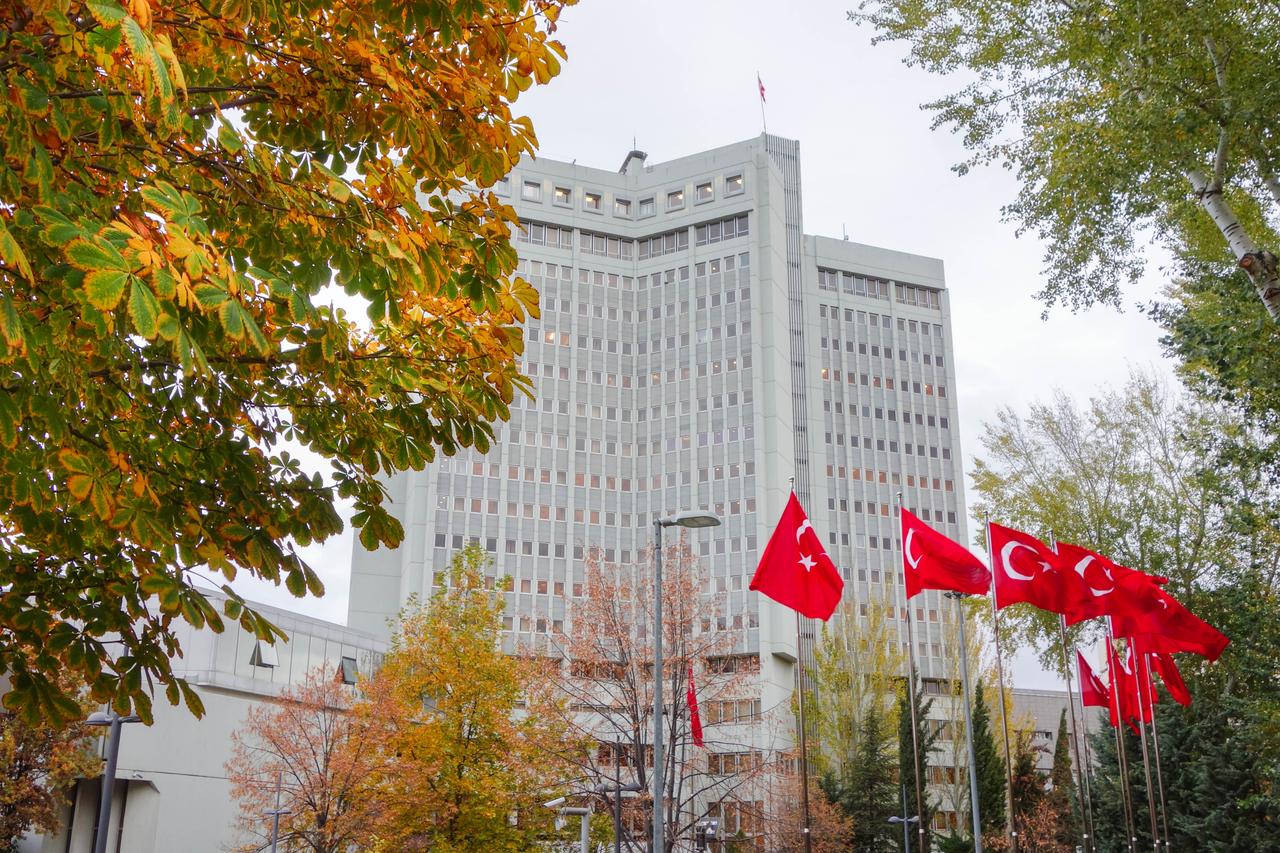


Türkiye has strongly condemned the Greek Cypriot Administration’s statements marking its assumption of the rotating Presidency of the Council of the European Union, accusing it of promoting a biased narrative on the decadeslong Cyprus dispute.
Turkish Foreign Ministry Spokesperson Oncu Keceli said on Thursday that references to "occupation," "invasion," and "division" made in recent speeches by Greek Cypriot officials "in no way correspond to the historical or current realities on the Island."
The only "occupation" on the island stems from the Greek Cypriot side’s seizure of the partnership state’s institutions in 1963, he added, calling it a clear violation of the Constitution and the inherent rights of Turkish Cypriots.
Keceli also criticized statements made by EU officials during the transition, saying they "once again disregard the existence of Turkish Cypriots," highlighting what he described as the EU’s ongoing partiality in the conflict.
"The Greek Cypriot side’s misuse of the EU Presidency from the very outset, contrary to the commitments made publicly, to promote its distorted narrative and uncompromising positions on the Cyprus issue clearly demonstrates why the EU cannot be a neutral and constructive actor in efforts to resolve the Cyprus question," he said.
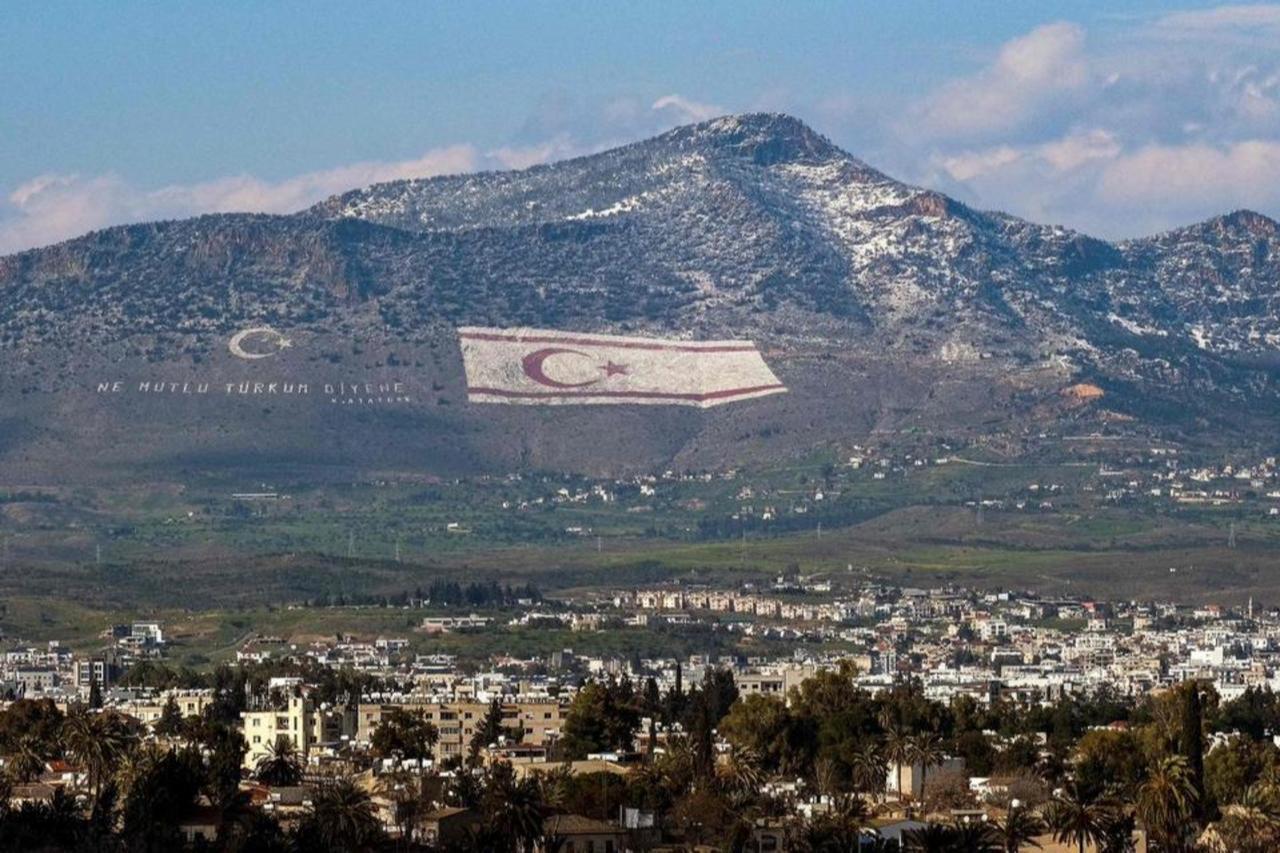

On Wednesday, Cyprus took the rotating Presidency of the Council of the EU in the first half of 2026, and in his welcome address, Greek Cypriot President Nikos Christodoulides defined the island as a country "under occupation," asserting that Cyprus "knows first-hand what invasion and occupation means."
Founded in 1975, the Turkish Republic of Northern Cyprus (TRNC) was established after Türkiye’s 1974 peace operation, which aimed to protect Turkish Cypriots following a Greece-backed coup. Since then, numerous UN-led efforts to reach a negotiated reunification have failed due to the Greek Cypriot side’s rejection of power-sharing.
The Presidency of the Council of the European Union is a rotating role held by each EU member state for six months, during which the presiding country sets the agenda, leads negotiations, and represents the Council in relations with other EU institutions. The Greek Cypriot Administration has been a member of the EU since 2004.


 Set as preferred source
 Set as preferred source


 1 min read
 1 min read