Newsletters


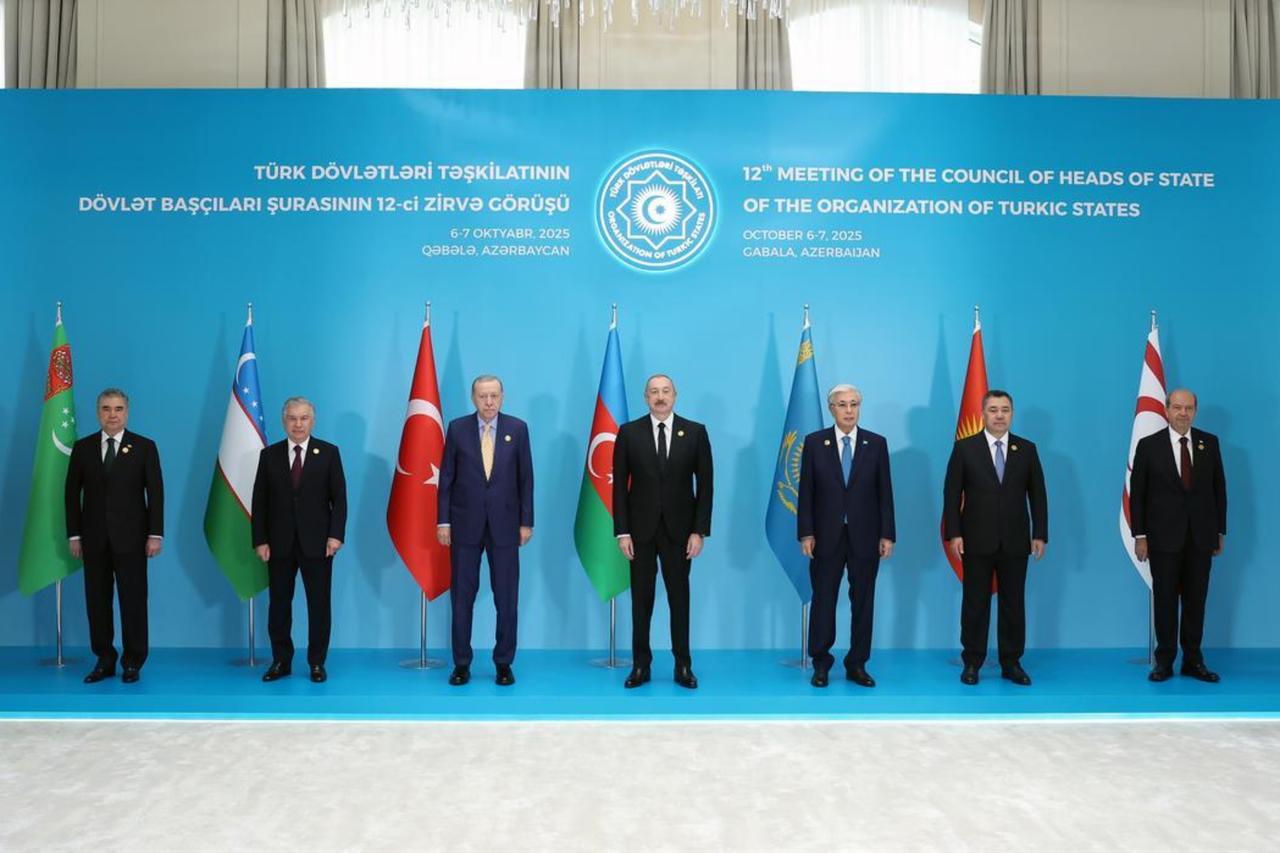


Türkiye's trade with fellow Organization of Turkic States members Azerbaijan, Kazakhstan, Kyrgyzstan and Uzbekistan reached $72.2 billion between 2021 and 2025, while cooperation expanded across areas ranging from free zones and transportation to artificial intelligence and energy.
According to information compiled by the Turkish state-run Anadolu Agency from Turkish Statistical Institute data, Türkiye exported $41.6 billion worth of goods to the four countries during the five years and imported $30.6 billion.
The figures gave Türkiye a trade surplus of $10.9 billion with the four member states over the period.
Data from the Turkish Exporters Assembly showed Türkiye's exports to the countries reached $4.8 billion in the first nine months of this year.
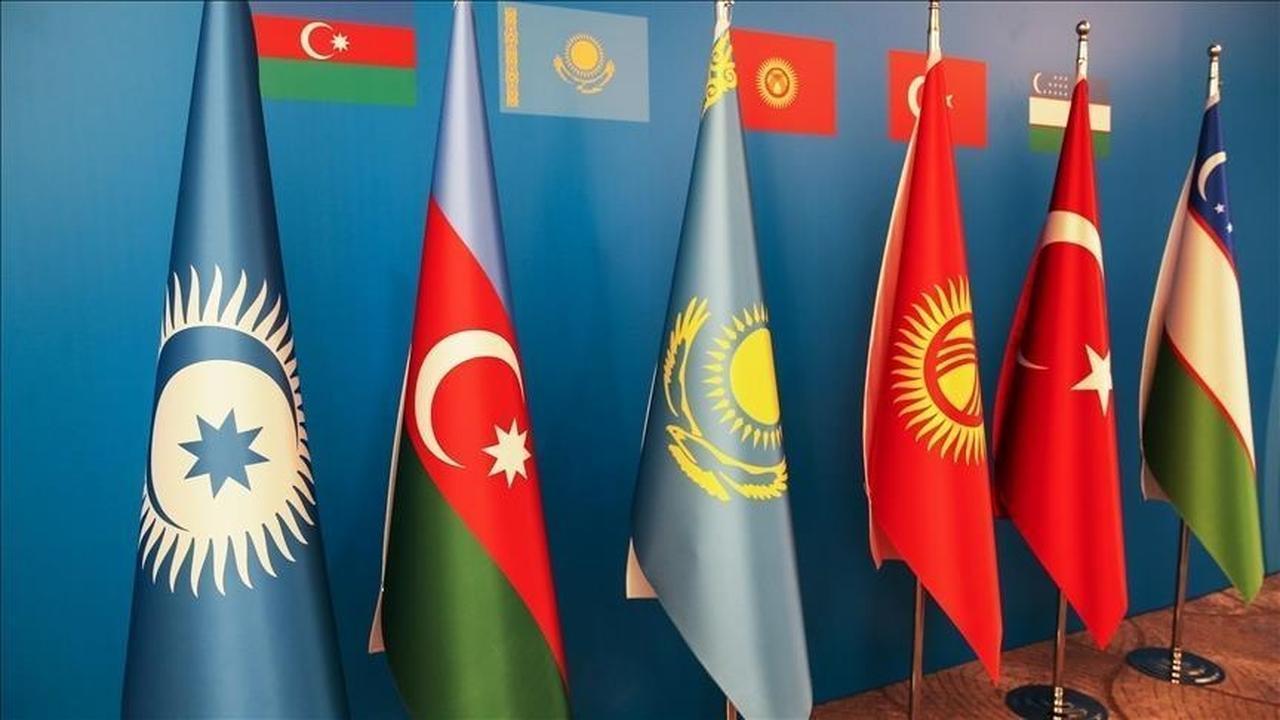

Azerbaijan was Türkiye's largest export market among the four countries between 2021 and 2025, receiving $13.7 billion worth of Turkish goods.
Türkiye exported $12.4 billion to Kazakhstan, $9.9 billion to Uzbekistan, and $5.6 billion to Kyrgyzstan during the same period.
Kazakhstan was the largest source of Türkiye's imports among the four countries, with purchases totaling $16.7 billion.
Türkiye also imported $6.9 billion from Uzbekistan, $6.2 billion from Azerbaijan and $951.9 million from Kyrgyzstan.
The Organization of Turkic States was established on Oct. 3, 2009, as the Cooperation Council of Turkic Speaking States with the aim of turning common ties among Turkic countries into partnerships in geopolitical, economic and security fields.
The organization adopted its current name in 2021.
Under its "Turkic World Vision 2040" document, the organization aims to develop its members into a strong regional power that is politically, economically, culturally and socially integrated.
Its medium- and long-term goals include gradually enabling the free movement of goods, capital, services, technology and human resources among member states.
The organization also aims to make the Middle Corridor the world's fastest, safest and most cost-effective logistics route.
Joint investments in renewable energy and smart grid technologies, along with coordinated action by member countries during regional and global crises, are also among its strategic priorities.
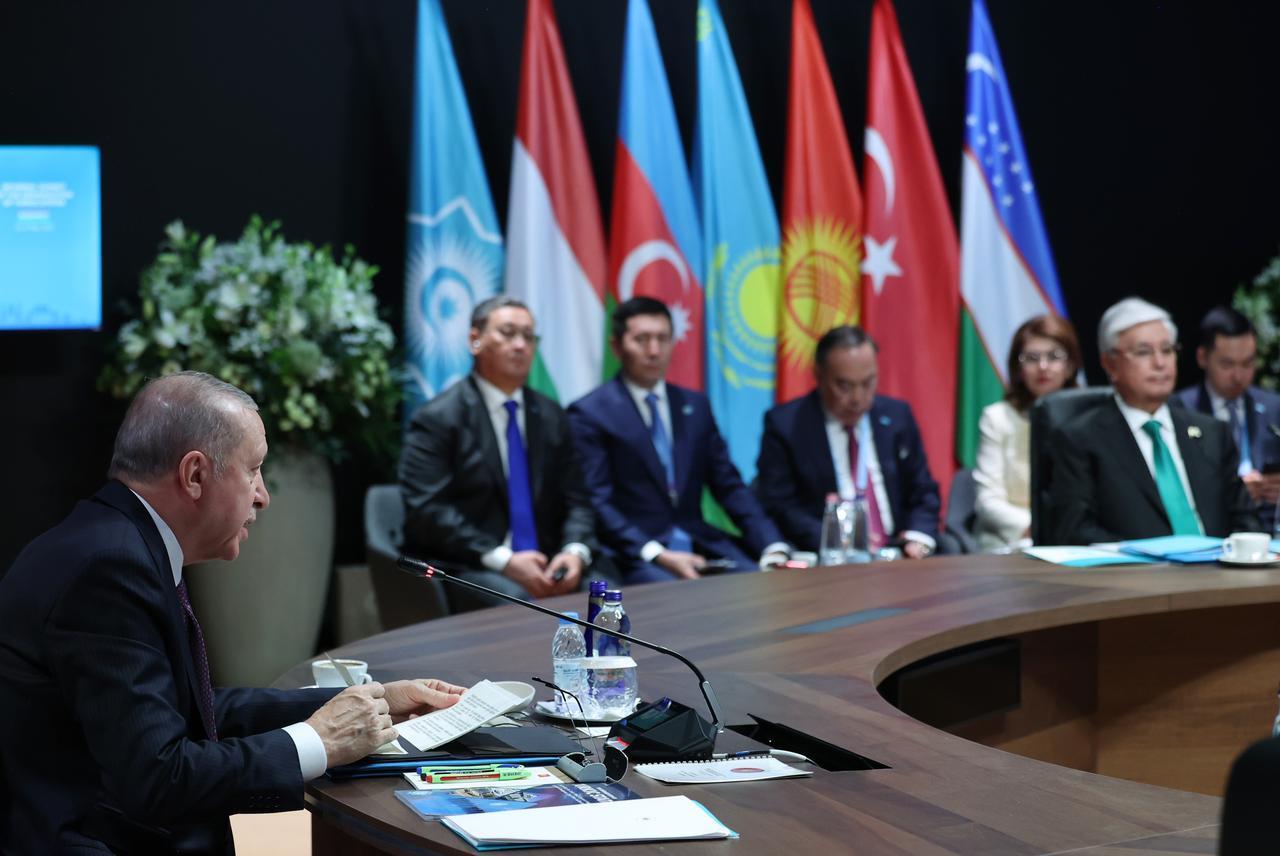
Türkiye and Azerbaijan already cooperate in areas including defense, energy, transportation, media and technology.
The Baku-Tbilisi-Kars railway, which connects Asia and Europe, is one of the main elements of transportation cooperation between the two countries.
Türkiye and Kazakhstan have increasingly transformed their historical ties into a strategic economic partnership, particularly through the Middle Corridor.
Cooperation between Ankara and Astana has expanded into areas including artificial intelligence, innovation, space activities, and mining.
Türkiye's relations with Kyrgyzstan and Uzbekistan are also deepening through the Middle Corridor and international transportation routes, as well as cooperation in energy, mining, free zones, digital trade and mutual investment.


 Set as preferred source
 Set as preferred source


 2 min read
 1 min read