Newsletters


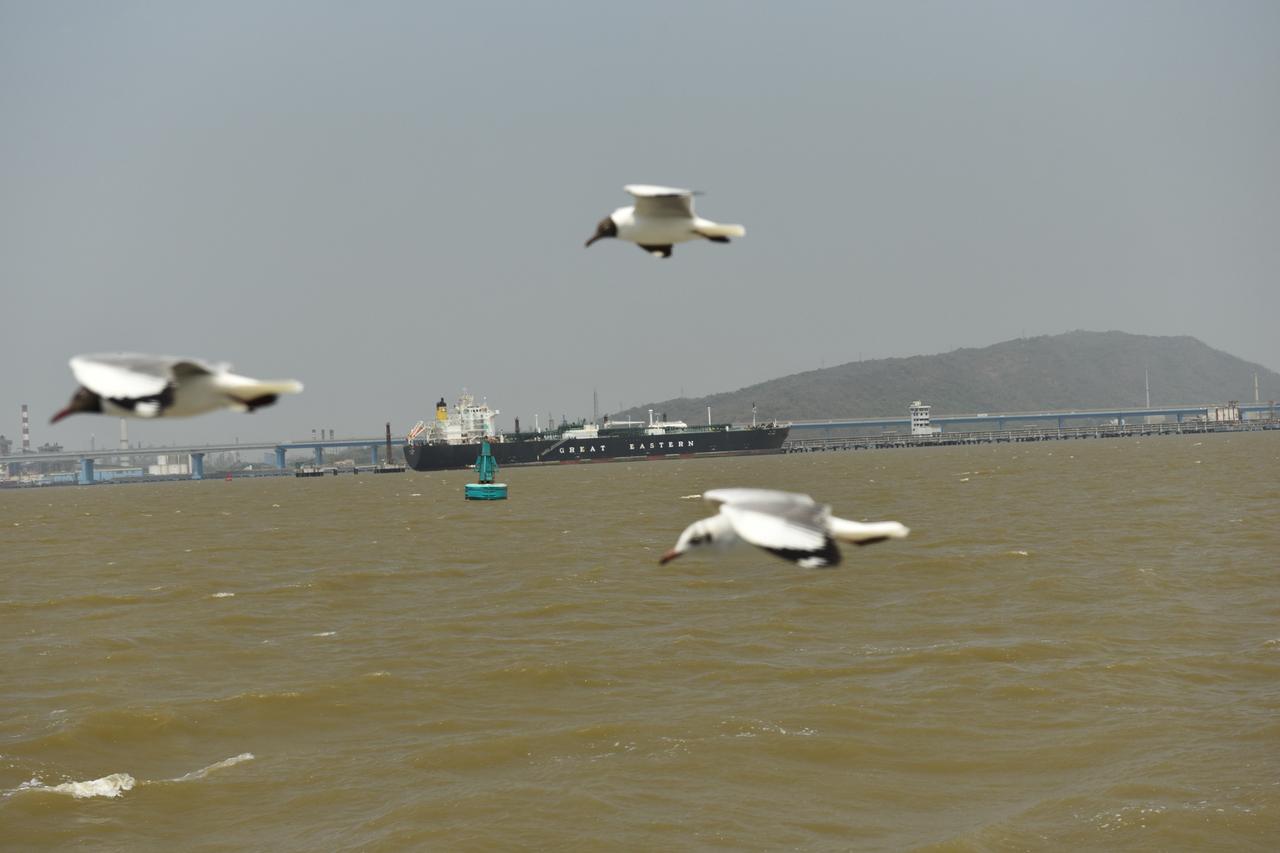


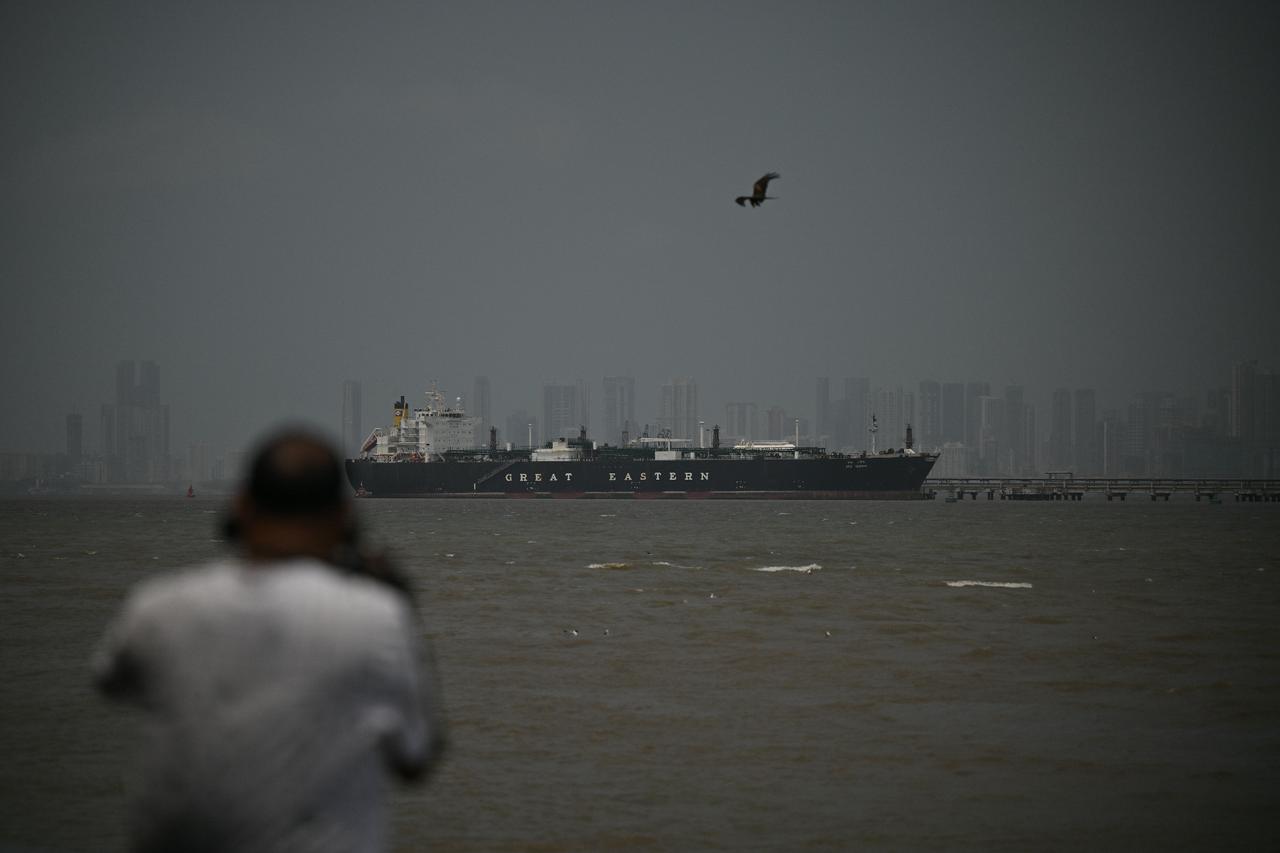
Thirteen Turkish-owned ships remain in the Strait of Hormuz following the outbreak of war, though two vessels have successfully departed the region, according to Transport Minister Abdulkadir Uraloglu.
Türkiye is currently coordinating with the Foreign Ministry to facilitate the exit of nine additional ships, while the remaining four have yet to request departure.
Speaking on CNN Turk's "Hakan Celik ile Hafta Sonu," Uraloglu said there are currently no Turkish-flagged ships in the Strait of Hormuz, but there were 15 Turkish-owned ships in the area when the war began. He said two of those ships have exited, while 13 remain.
Uraloglu said four of the 13 remaining ships have not requested to leave the area. He said two of them are energy ships and two are engaged in regional trade.
He said the government is working to remove the other nine ships in coordination with the Foreign Ministry.
Uraloglu also underlined the broader importance of the strait, saying the Strait of Hormuz supplies 20% of the world's oil and 30% of liquefied natural gas.
He said the problems in the region have not affected Türkiye's supply chain, but energy prices have risen sharply.
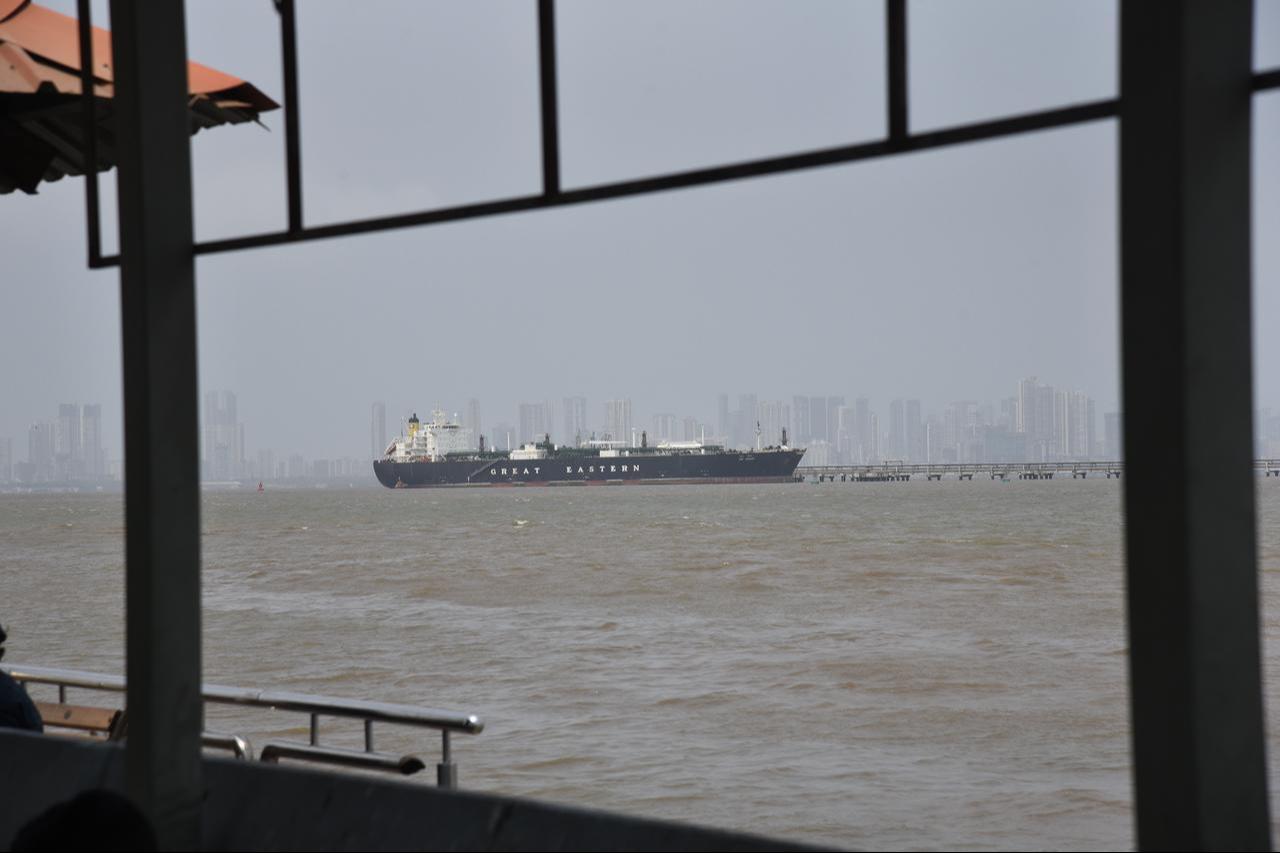

Uraloglu said Iran is Türkiye's neighbor and described the war as a situation Türkiye does not want.
He said wars inevitably have consequences and added that since the conflict began, civil flights have not been able to operate to Iran, Syria except for Aleppo, Iraq, Qatar, Kuwait and Bahrain.
He said flights to Riyadh are continuing.
Uraloglu also said Türkiye evacuated Turkish citizens and citizens of other countries from Amman in the first days of the war and added that there is no humanitarian problem in terms of evacuation.
He said one aircraft from each of two Turkish airlines remains in Iran and one aircraft remains in Iraq. He said authorities acted cautiously as the risk of war increased.
Uraloglu said the effects of the war are not limited to ticket prices, adding that the aviation market is also shrinking.
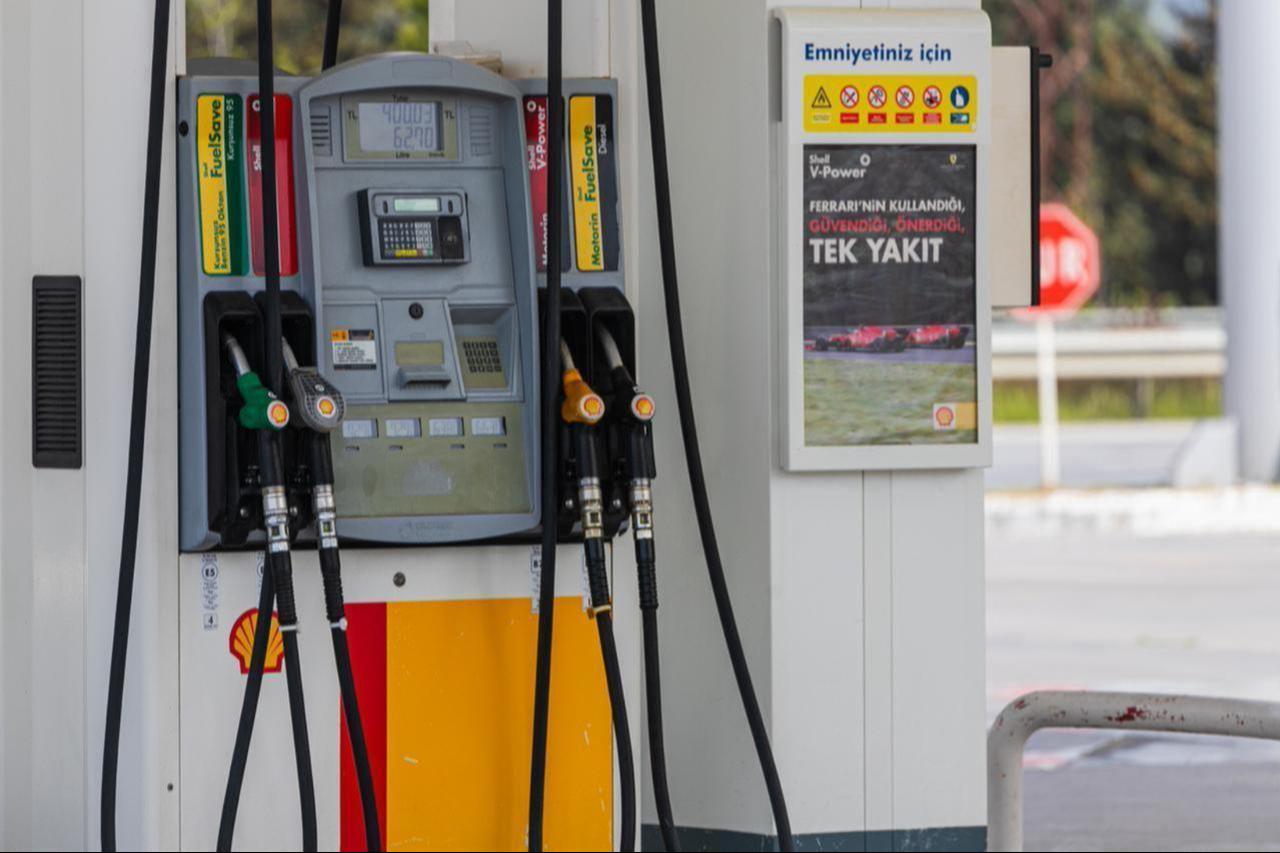
He said Türkiye's Middle East flights have decreased and that jet fuel prices have doubled.
Uraloglu said officials are in contact with airline companies and that the companies have presented the government with information on their costs.
He said the domestic airfare ceiling price last year was around 3,000 liras, while the average ticket price in Türkiye is between 2,300 and 2,400 liras.
He said that even if a new regulation is introduced, ticket prices would continue at reasonable levels.
Speaking of logistics and regional transport, Uraloglu said Iraq's Faw Port in the Persian Gulf is linked to projects involving a highway, railway and energy transmission line extending from the port to Türkiye.
He said that if the project had already been completed, the global effects of the war would not have been as severe for Türkiye .
Uraloglu said four countries have agreed on financing the project: the United Arab Emirates, Qatar, Iraq and Türkiye.
He said the financing format has been determined and added that they are confident international financing can be secured for such a project.
According to Uraloglu, the first phase of the project will require $8 billion to $10 billion in financing, while total financing will eventually reach $20 billion.
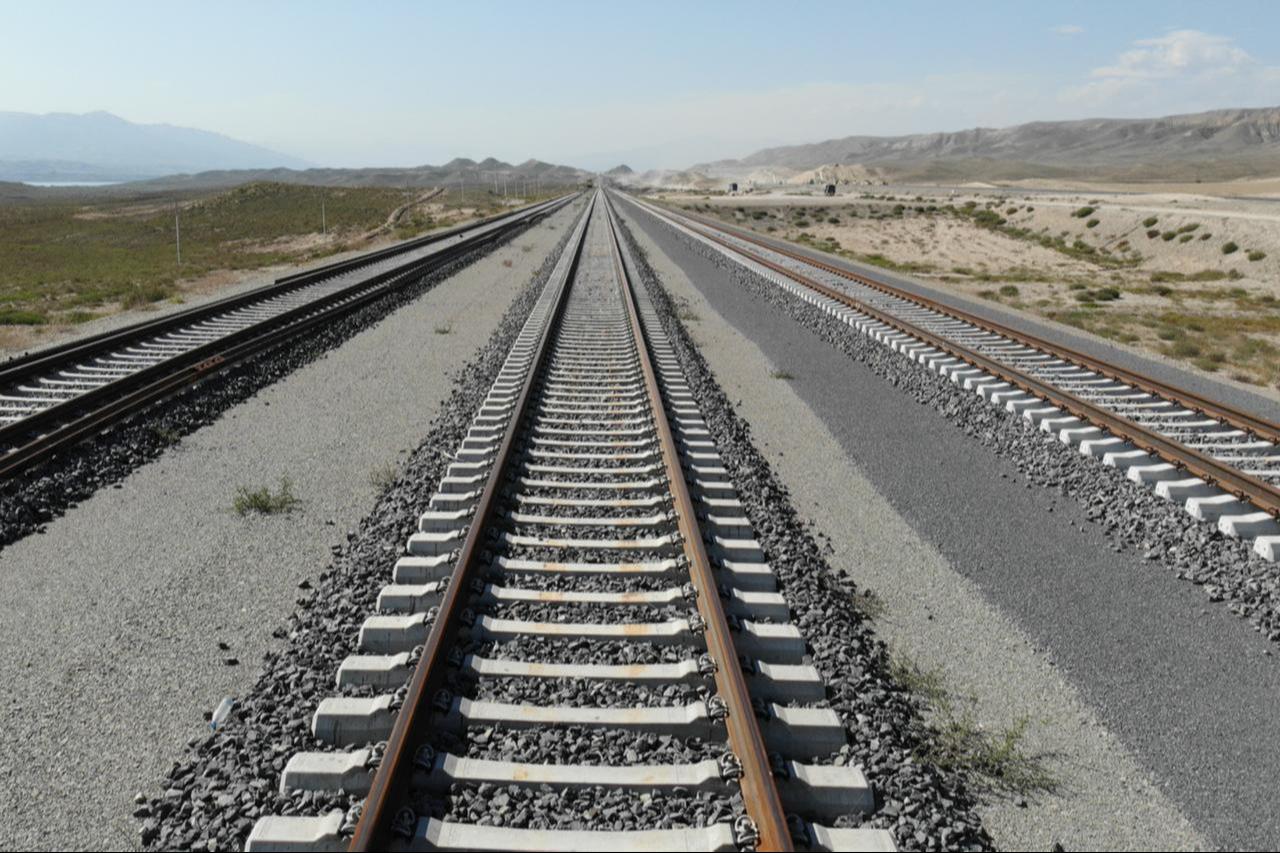
Uraloglu said the Middle Corridor is currently the shortest route from Europe to the easternmost part of Asia, with a railway transit time of 18 days.
He said the Northern Corridor and Southern Corridor can take 25 days and even up to 45 days.
He said the narrowest section on the Caspian Sea would be eased through the Zangezur Corridor. According to Uraloglu, the tender has been completed for a 224-kilometer railway project extending from Kars to Dilucu: A part of the Nakhchivan section is ready, while another part is being built by Azerbaijan.
He concluded with the hope that work on the Zangezur Corridor will begin soon and confirmed that the Azerbaijani side is almost near completion.


 Set as preferred source
 Set as preferred source


 1 min read
 1 min read