

 Newsletters


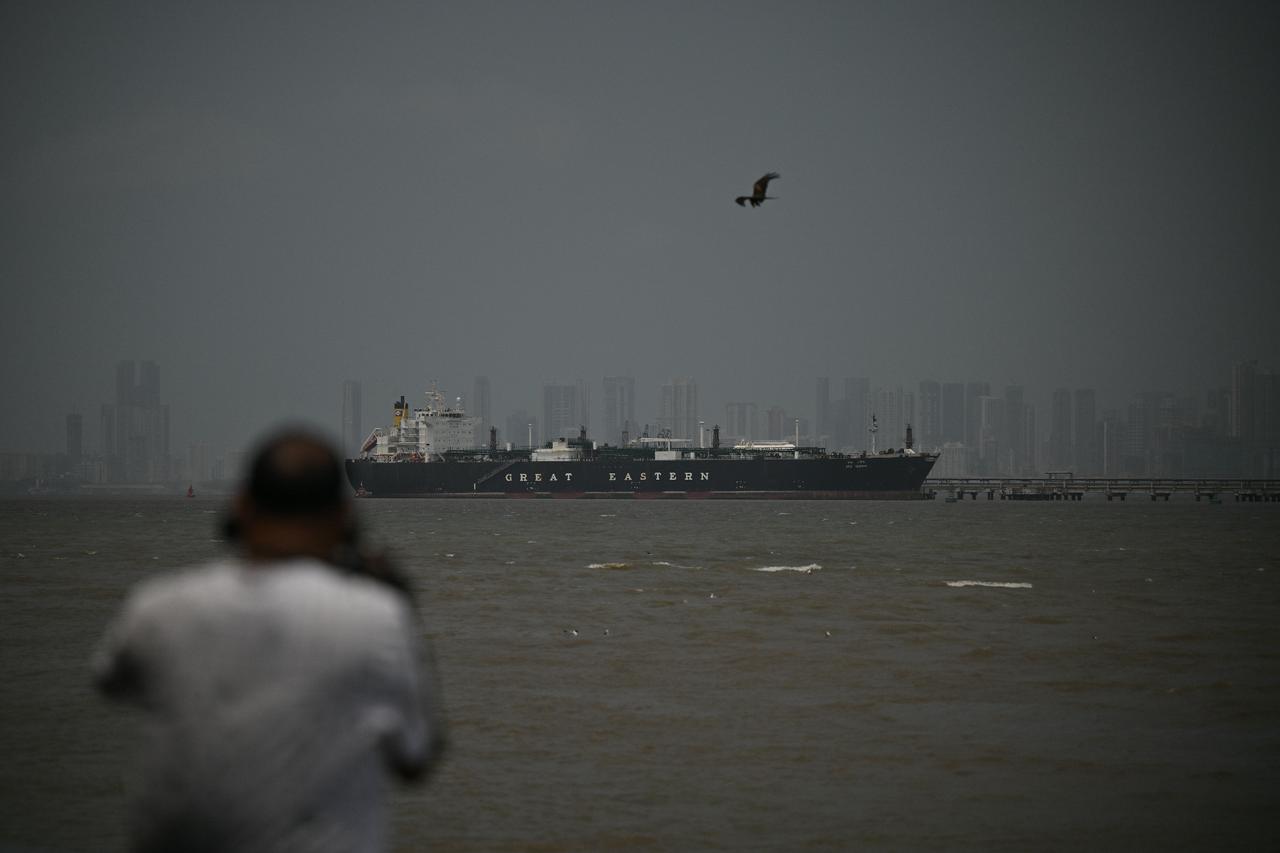


U.S. intelligence reports warn that Iran is unlikely to relinquish its grip on the Strait of Hormuz anytime soon because control of the world's most critical oil chokepoint provides Tehran with its only real leverage over the United States, according to three sources familiar with the assessments who spoke to Reuters.
A finding that undercuts U.S. President Donald Trump's public confidence that the waterway can be "easily" reopened.
"In the attempt to try to prevent Iran from developing a weapon of mass destruction, the U.S. handed Iran a weapon of mass disruption," said Ali Vaez, director of the Iran Project at the International Crisis Group.
Tehran understands its ability to drive world energy markets through the Strait "is much more potent than even a nuclear weapon," Vaez said.

The reports suggest Tehran will continue to throttle the strait to keep energy prices high as a means of pressuring Trump to find a quick exit from the nearly five-week-old war, which remains unpopular with U.S. voters.
"It is certainly the case that now that Iran has tasted its power and leverage over the strait, it won't soon give it up," one of the three sources said. All requested anonymity to discuss the classified assessments. They declined to elaborate on which agencies produced the reports.
Rising energy costs risk fueling inflation in the United States, posing a political liability for Trump as he faces dismal poll numbers and his Republican Party prepares for midterm congressional elections in November.
Trump has sought to downplay the difficulty of reopening the strait.
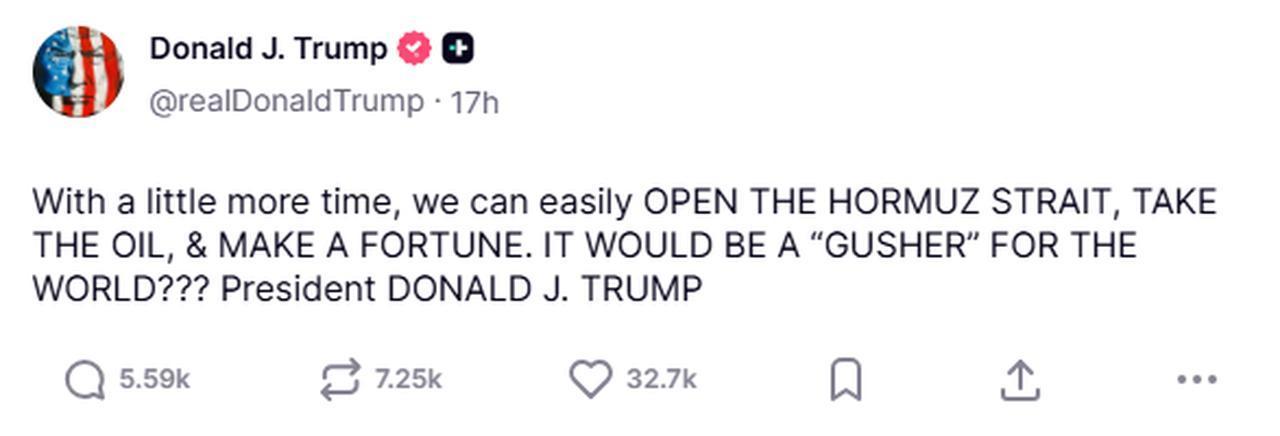
On Friday, he posted: "With a little more time, we can easily OPEN THE HORMUZ STRAIT, TAKE THE OIL, & MAKE A FORTUNE."
But his position has shifted repeatedly. He has made ending Iran's chokehold a precondition for a ceasefire, then called on Gulf oil-dependent countries and NATO allies to take the lead in reopening it.
A White House official, speaking on condition of anonymity, said Trump is "confident that the strait will be open very soon" and has been clear that Iran would not be allowed to regulate waterway traffic after the war. But the official noted Trump has also said other countries "have far more at stake in preventing this outcome" than the U.S.
Analysts have long warned that attempting to use force against Iran, which controls one side of the strait, could prove costly and draw the U.S. into a protracted ground war.
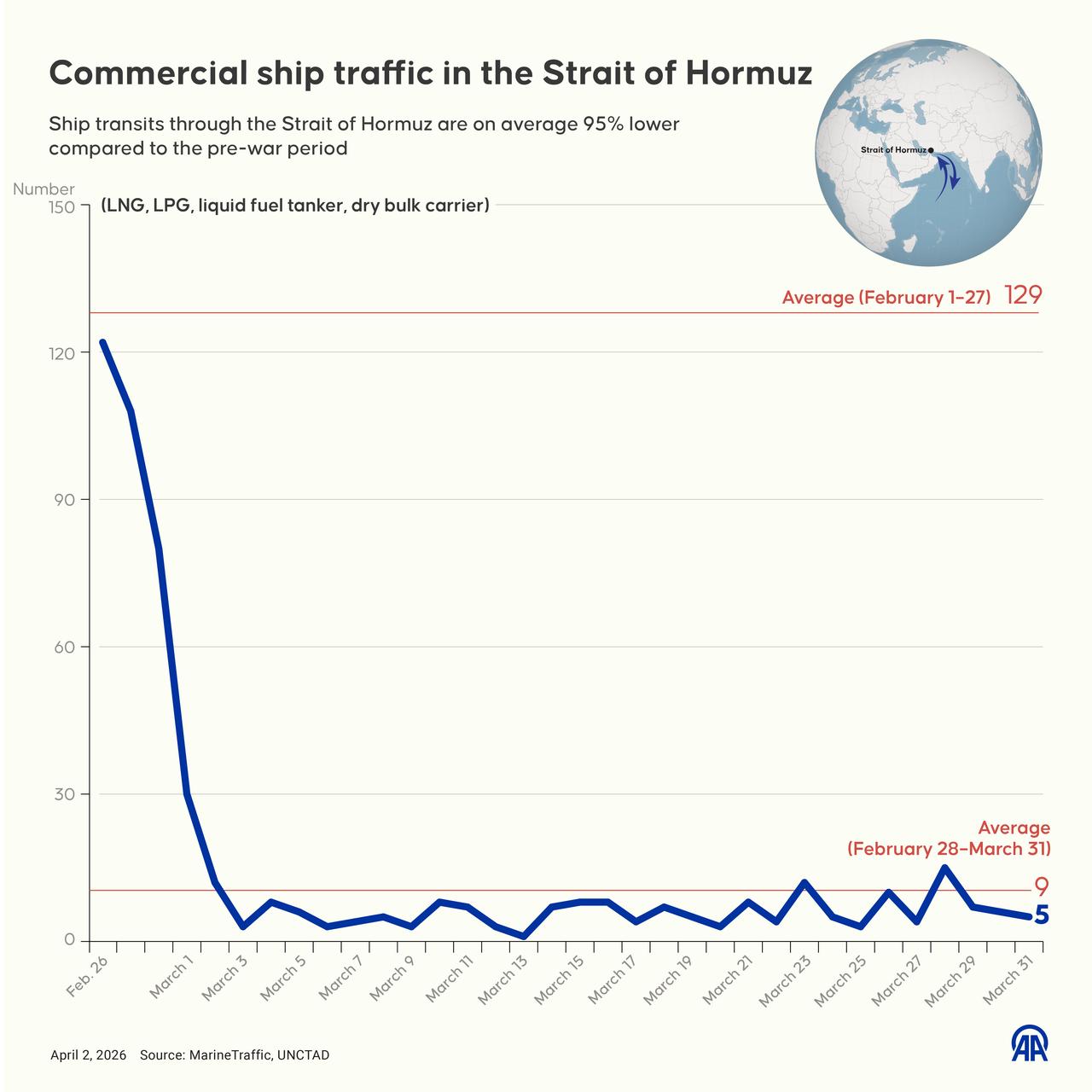
Data from MarineTraffic and Kpler showed just 220 vessels transited the strait in March, with liquid tankers accounting for 111 crossings, or 51% of the total.
Dry bulk vessels made 82 crossings (37%) and LPG carriers 27 (12%). No LNG crossings were recorded during the entire month.
Traffic remained heavily skewed toward outbound movements, with 149 west-to-east crossings (68%) compared to 71 east-to-west transits (32%), indicating an uneven flow through the chokepoint.
Before the war, the strait handled roughly 130 transits per day, meaning March's total of 220 for the entire month represents approximately a 95% drop from normal levels.
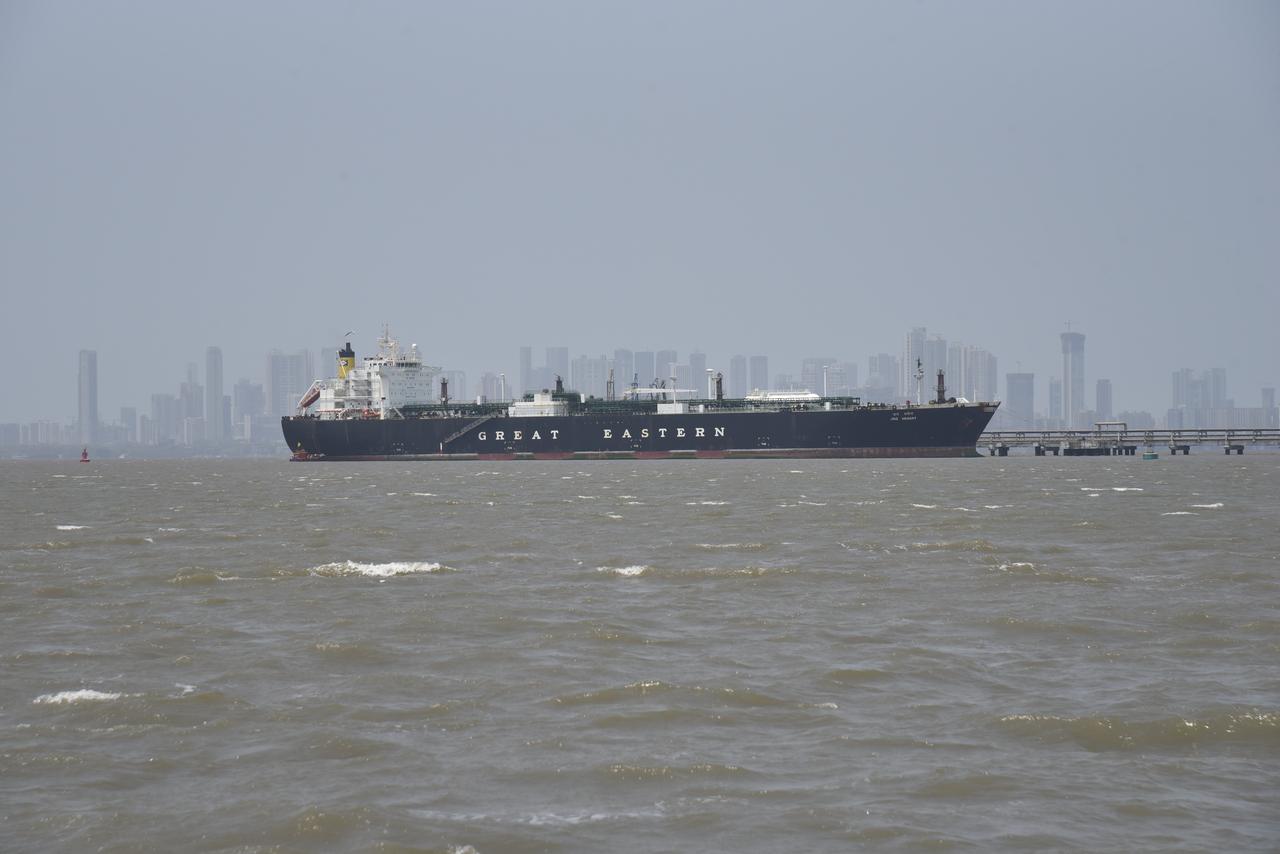
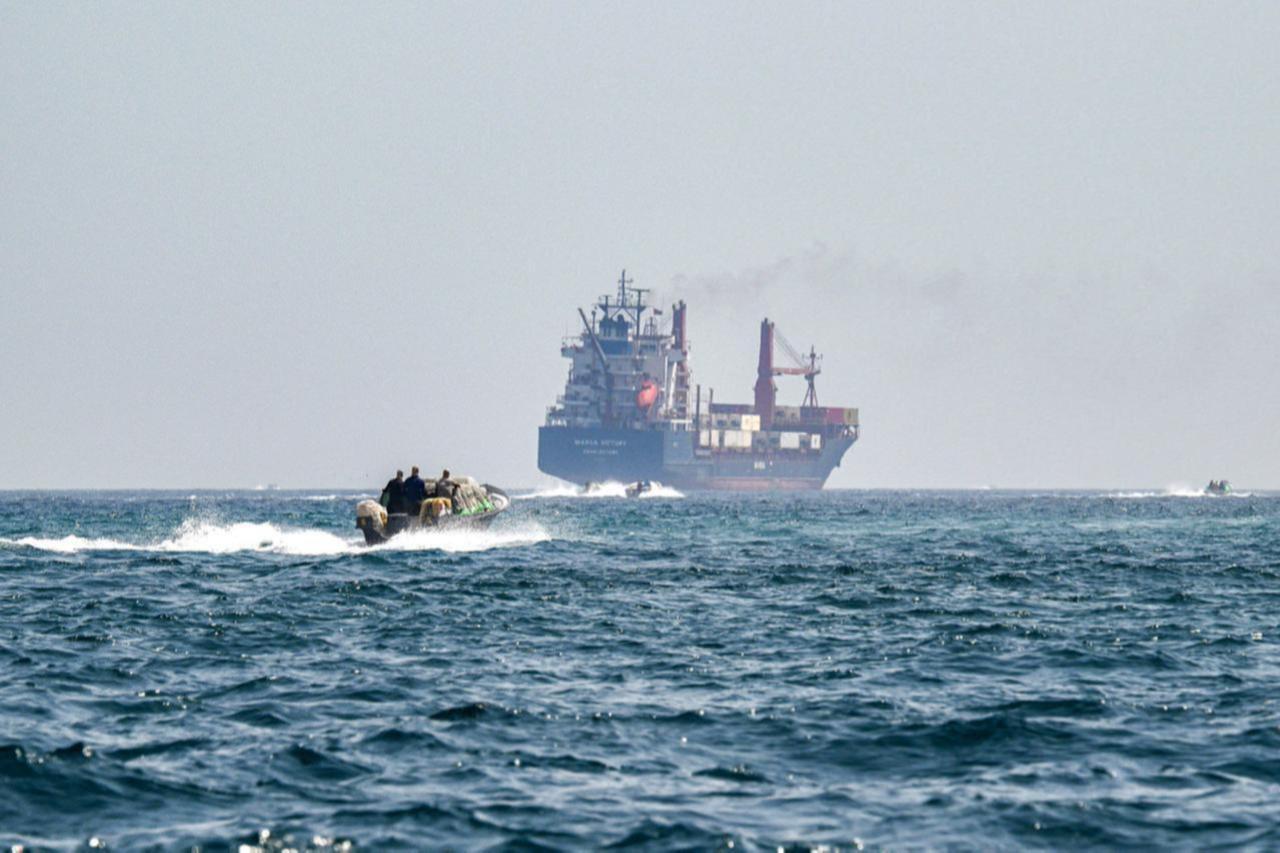
Iran's Revolutionary Guard Corps (IRGC) has used multiple tactics to make commercial transit too dangerous or uninsurable since the war began Feb. 28. These include attacking civilian vessels, releasing mines and demanding passage fees.
Tehran has maintained effective control of the strait, allowing passage for vessels from nations it considers "friendly" while blocking ships linked to the U.S., Israel and their supporters.
Recent data showed transit volumes beginning to recover gradually through an Iranian-controlled corridor near Larak Island, though traffic remains at a fraction of prewar levels.
The strait carries approximately a fifth of the world's oil trade, as well as significant volumes of liquefied natural gas and fertilizers. Roughly 20 million barrels of oil passed through daily before the disruption.


 Set as preferred source
 Set as preferred source


 1 min read
 1 min read



