Newsletters





The United Arab Emirates (UAE) categorically denied reports Saturday that it had agreed to release billions of dollars in frozen Iranian funds, calling the allegations "entirely false and unfounded."
The statement came hours after Reuters reported, citing four sources, that the UAE had agreed to unlock between $10 billion and $20 billion for Iran and that more than $3 billion had already been delivered.
The UAE Foreign Ministry said in a statement, "The United Arab Emirates has categorically denied reports published by certain international media outlets alleging the transfer of funds from the UAE to the Islamic Republic of Iran, including allegations concerning $3 billion."
"These allegations are entirely false and unfounded," the ministry said, stressing that "no frozen Iranian funds have been released, transferred, or facilitated through the UAE."
It called on media outlets to "exercise accuracy, rely on official sources, and refrain from publishing or circulating unverified information and unfounded allegations."
Earlier, when asked by Reuters to comment ahead of the denial, a UAE official said the country's foreign policy was "guided by promoting de-escalation and reducing tensions across the region, while advancing lasting peace and stability."
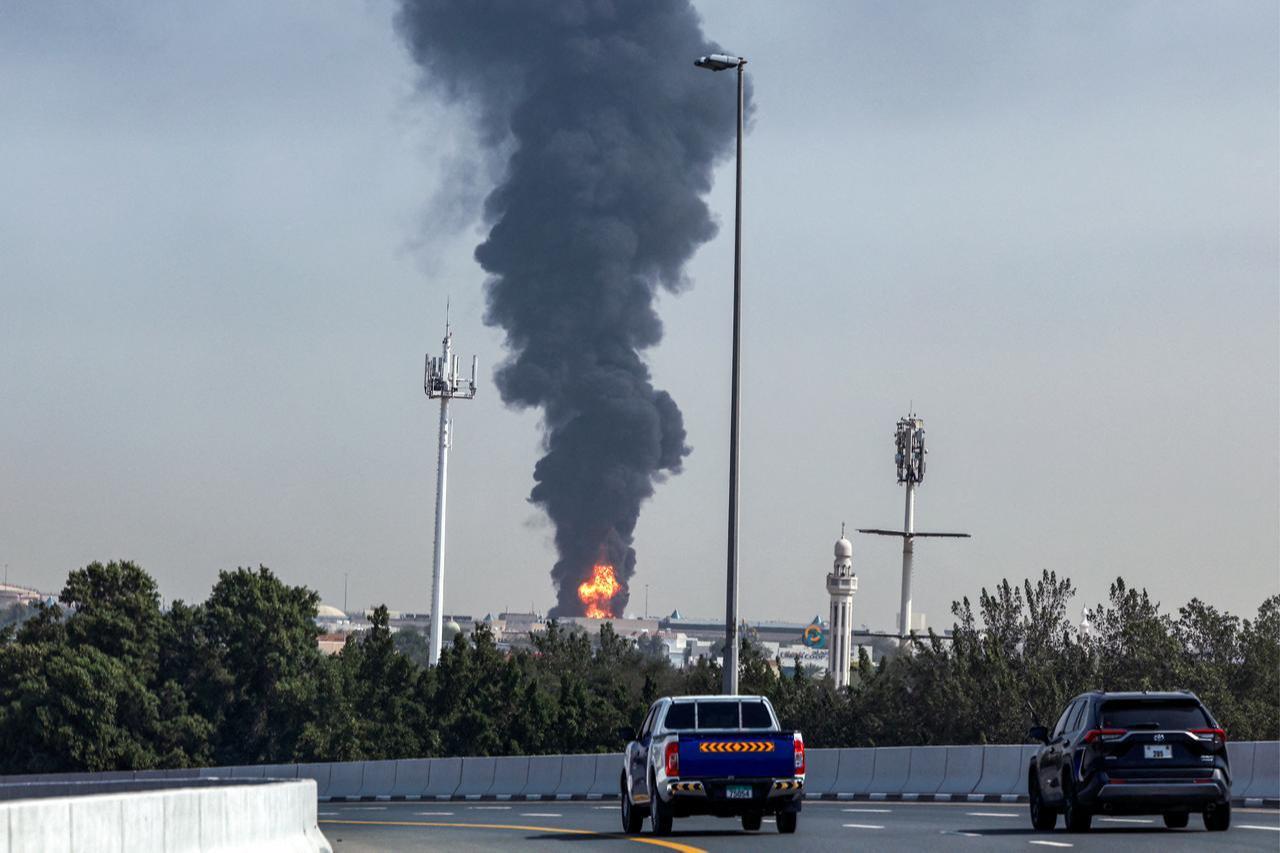

Reuters, citing four sources, reported that the UAE had agreed to release Iranian funds as part of a tactical shift following weeks of Iranian attacks on the Gulf state.
Two regional sources told the agency the UAE had agreed to release a total of $10 billion, with more than $3 billion already delivered.
Two other sources put the total at $20 billion, describing the move as "agreed in exchange for a halt to Iranian attacks on the UAE."
One source described the arrangement as offering all parties a way out that avoided crossing red lines: Iran could claim war reparations, Washington could deny paying anything, and Abu Dhabi would secure its own safety and Dubai's status as a global hub.
The first source said talks had begun several weeks ago but accelerated when Islamic Revolutionary Guard Corps (IRGC) officials visited Abu Dhabi to meet Sheikh Tahnoun bin Zayed al Nahyan, the UAE's national security adviser and deputy ruler of Abu Dhabi, and stayed at his guest house.
UAE officials subsequently traveled to Tehran to negotiate the mechanism.
Reuters said it could not establish whether the funds involved belonged to the UAE or originated in long-blocked Iranian accounts held in UAE banks under U.S. sanctions.
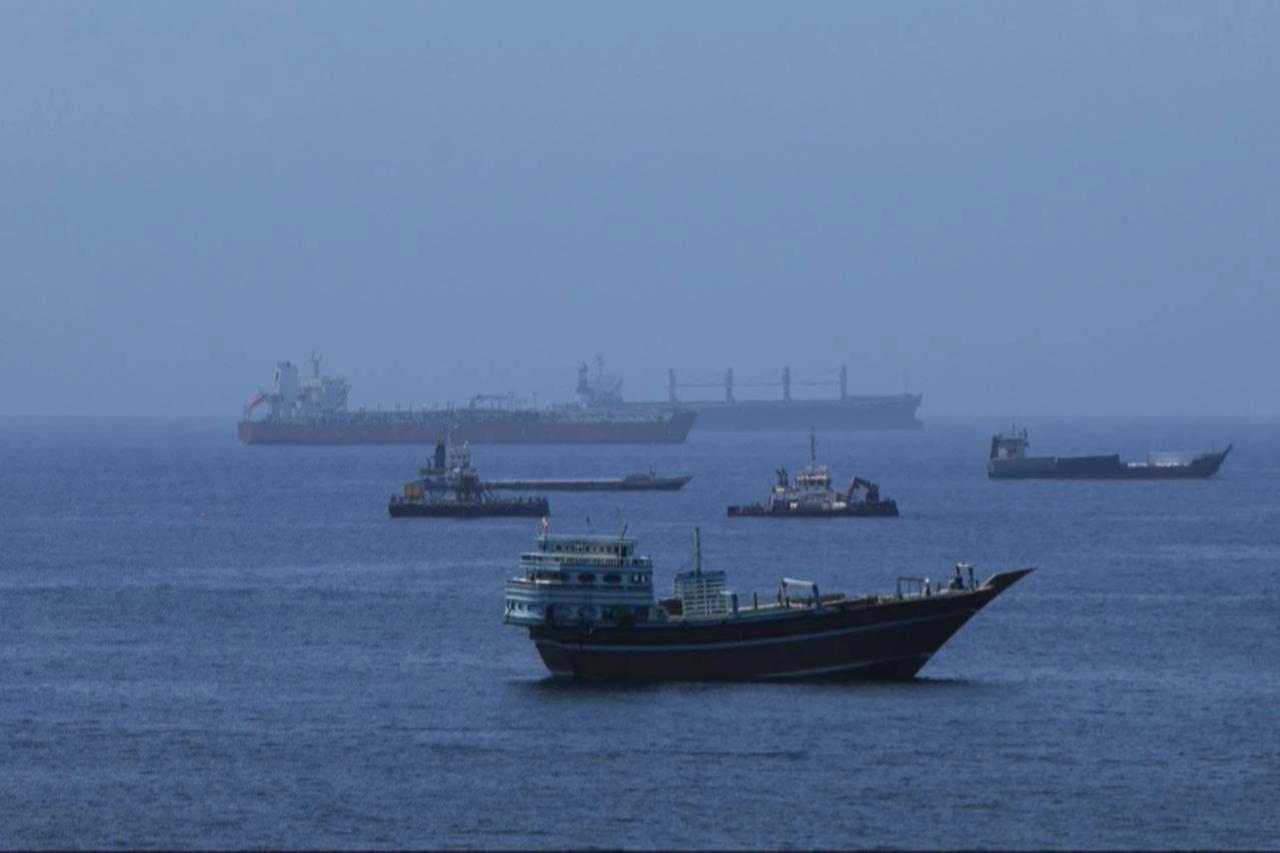
The last known direct Iranian attack on the UAE was a May 4 strike on Fujairah port.
One source said Iran had approached at least two other Gulf Arab countries for similar arrangements.


 Set as preferred source
 Set as preferred source



 2 min read