Newsletters


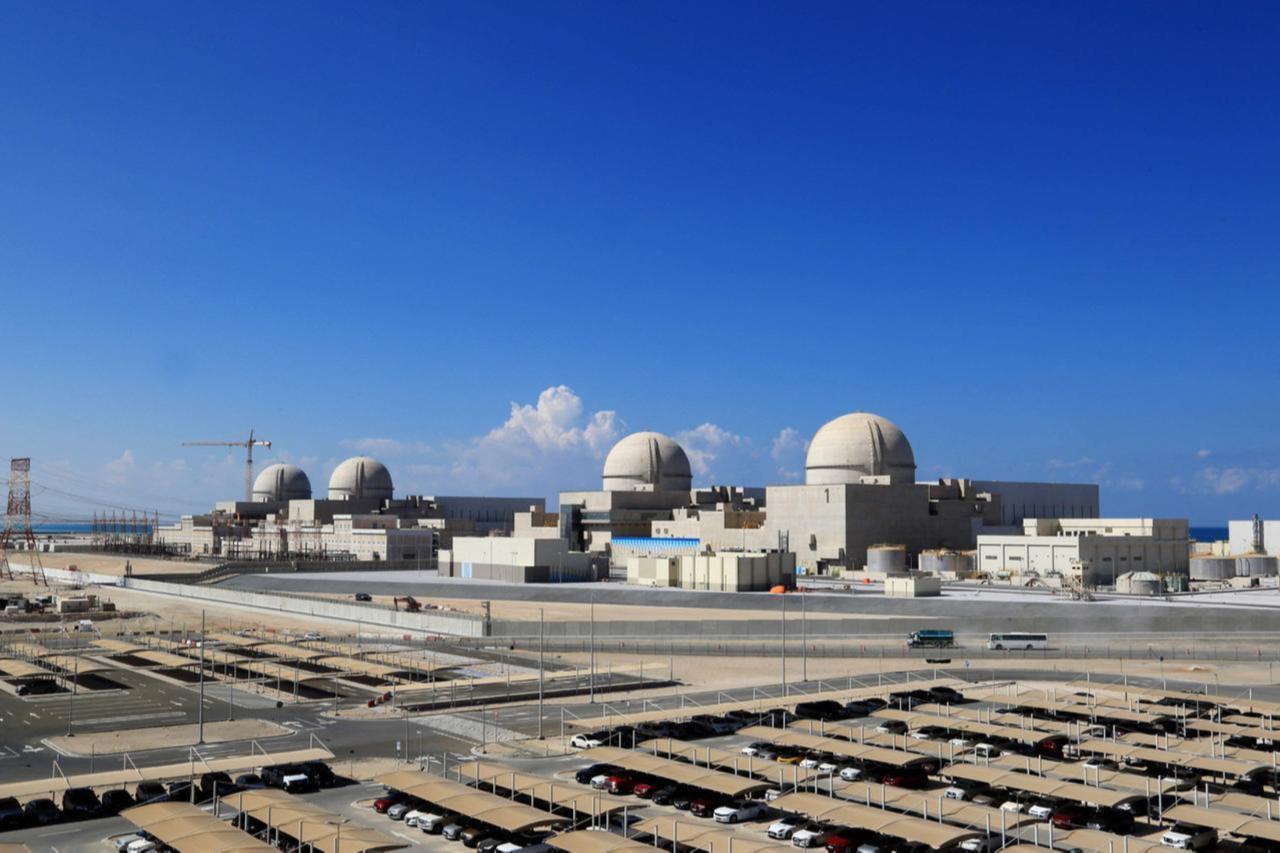


The United Arab Emirates' foreign minister has told the head of the world's nuclear watchdog that his country reserves the full right to respond to what he called "terrorist attacks," following a drone strike on the Barakah Nuclear Energy Plant that drew swift regional condemnation and renewed fears of escalation.
Foreign Minister Abdullah bin Zayed Al Nahyan delivered the message directly to International Atomic Energy Agency chief Rafael Grossi, framing the attack on the Arabian Peninsula's only nuclear power station as an act of terrorism that warranted a response.
Presidential adviser Anwar Gargash sharpened the UAE's rhetoric, condemning what he called the "terrorist targeting" of the nuclear facility. The attack, he said, "whether carried out by the principal perpetrator or through one of its agents, represents a dangerous escalation and a dark scene that violates all international laws and norms, in criminal disregard for the lives of civilians in the UAE and its surroundings."
Gargash also warned that adversaries would not succeed in destabilizing the country, posting on X that "no one will twist the UAE's arm, nor will they succeed in undermining its vision."
The UAE has not publicly named a responsible party. The Defence Ministry said air defenses neutralized two drones, while a third struck an electrical generator outside the plant's inner perimeter in the Al Dhafra region. The drones entered from the "western border," officials said, with investigations ongoing.
 1 min read
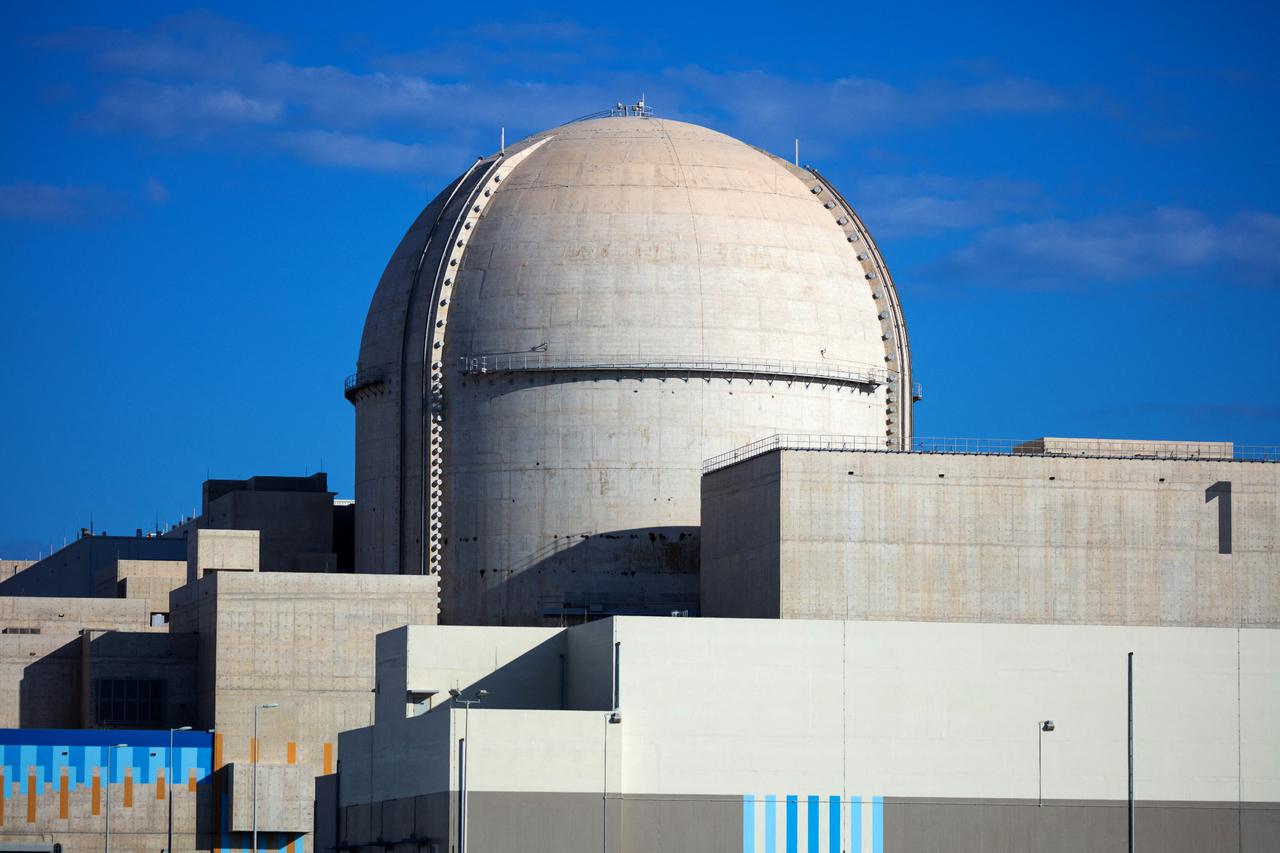
The IAEA confirmed the strike temporarily forced one reactor to rely on emergency diesel generators, though Barakah's nuclear regulator said all units continued operating normally and radiation levels remained unaffected. Grossi expressed "grave concern" and stated that military activity threatening nuclear facilities was "unacceptable."
No injuries were reported. The plant sits approximately 225 kilometers west of Abu Dhabi, near the Saudi Arabian border.
Qatar's Foreign Ministry condemned the attack as a "flagrant violation of international law" and a "serious threat to regional security and stability," warning that such "reckless attacks" had crossed red lines by targeting critical civilian infrastructure. Doha called for de-escalation and reaffirmed full solidarity with the UAE.


 Set as preferred source
 Set as preferred source



 1 min read