Newsletters


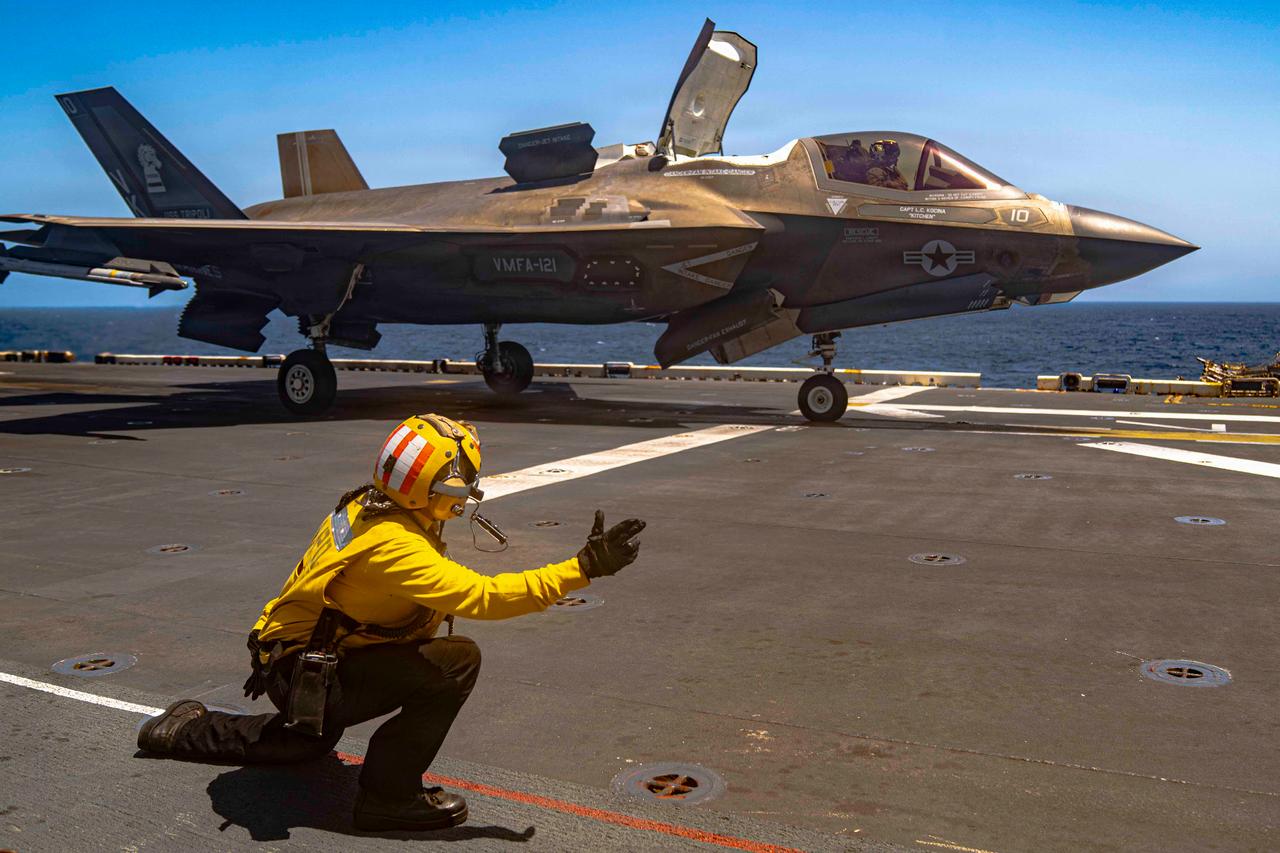


The United Arab Emirates (UAE) has made a more concerted push in recent days for an end to the Iran war, joining Saudi Arabia and Qatar in urging U.S. President Donald Trump to allow negotiations to proceed, according to people familiar with the matter cited by Bloomberg on Friday.
The conversations were prompted by fears that any Iranian retaliation if hostilities resume would plunge Gulf economies into chaos.
In separate calls with Trump, leaders of Saudi Arabia, Qatar, and the UAE said military action would not achieve America's long-standing objectives with Iran.
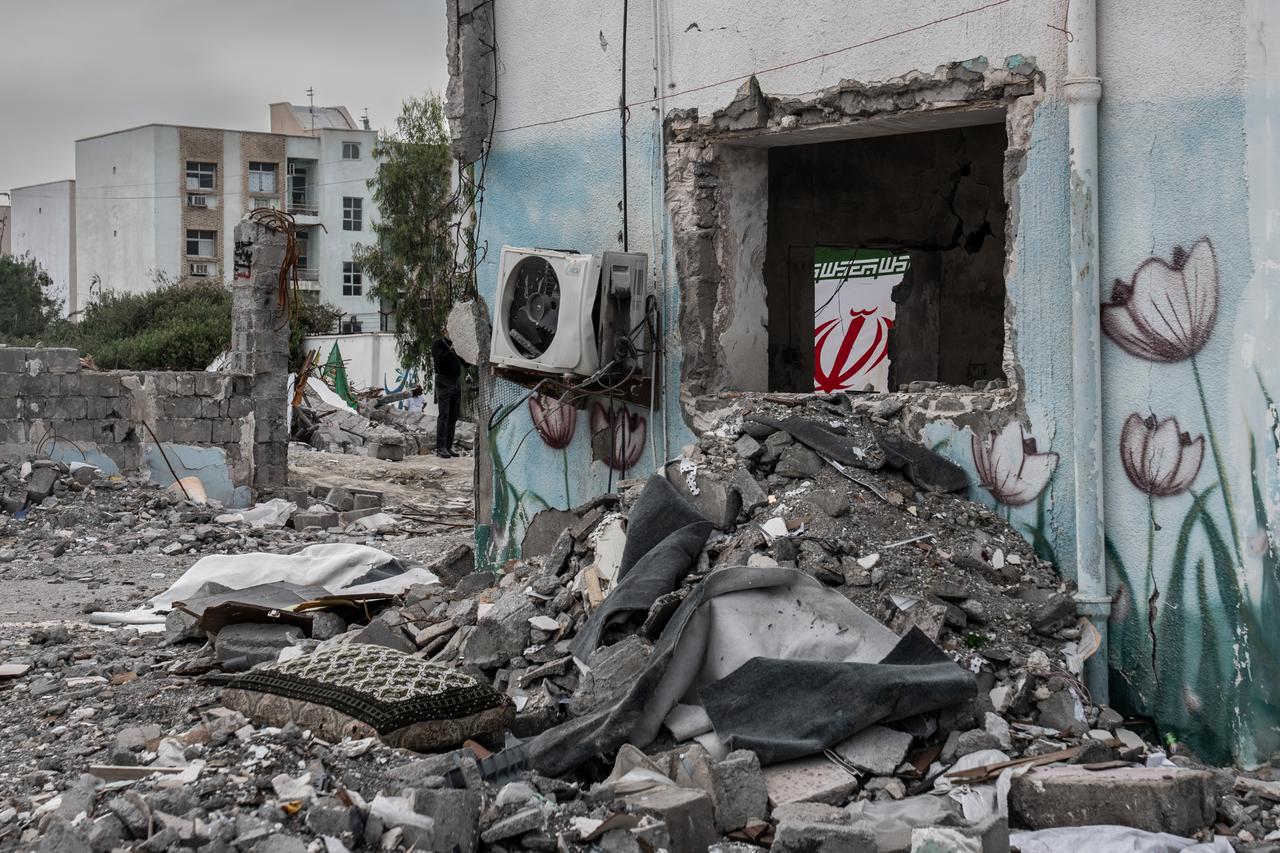
Abu Dhabi's position marks a shift: the UAE bore the brunt of Iranian attacks during the war and had previously been the most hawkish of the Gulf states toward Tehran.

The three Gulf states differ on the diplomatic framework they want the U.S. to pursue, Bloomberg reported. Saudi Arabia supports Pakistan-led mediation and believes curbing Iran's nuclear and ballistic-missile programs can only be resolved through negotiations.
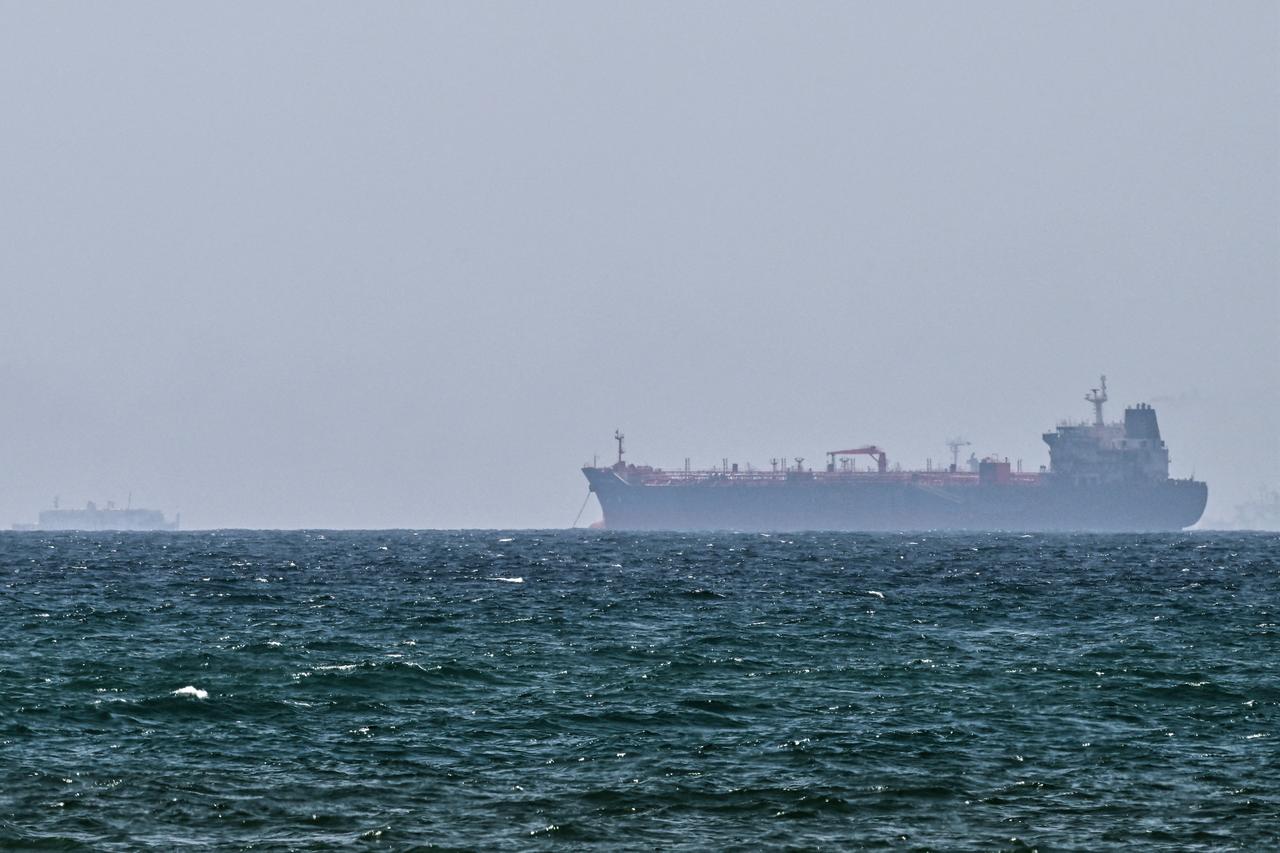
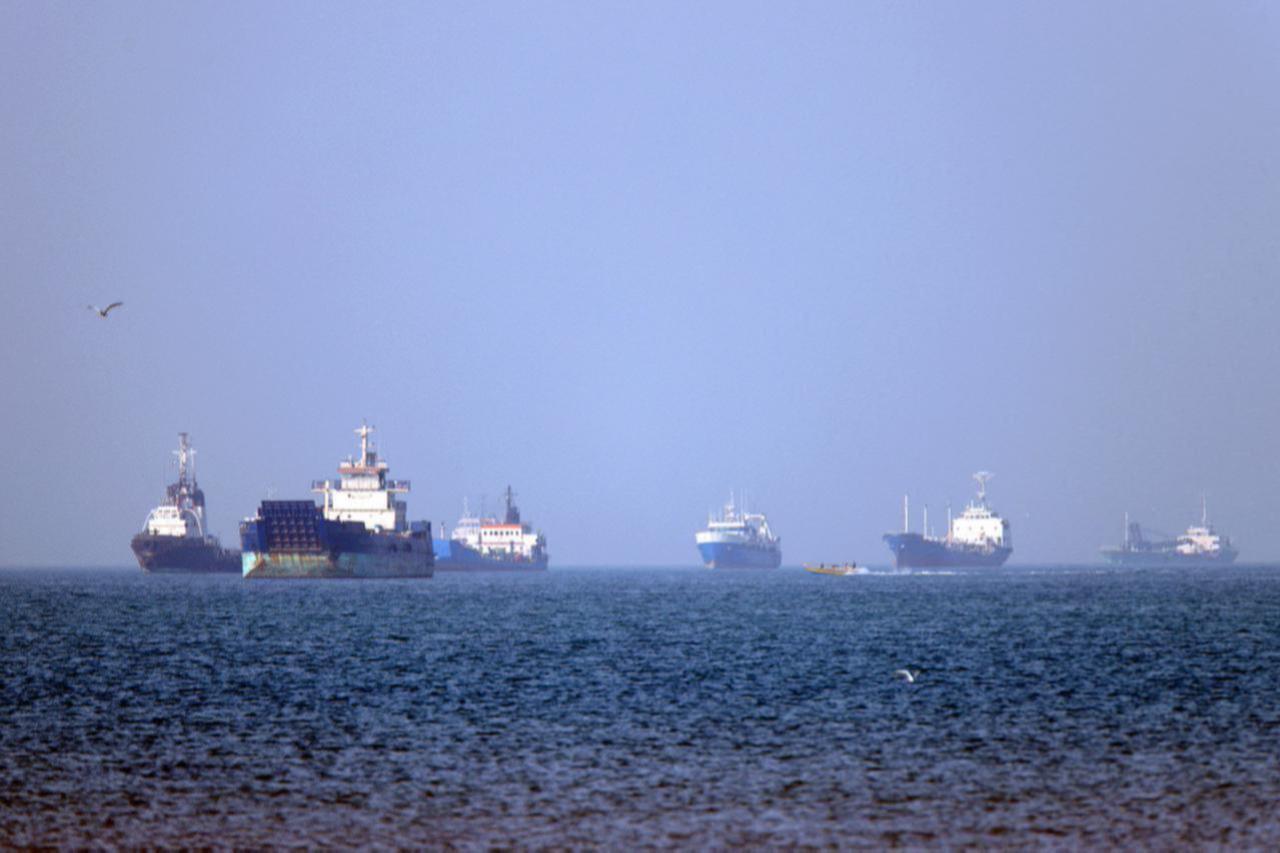
The kingdom and the UAE both believe Washington should focus for now on pressuring Iran to reopen the Strait of Hormuz, while maintaining its naval blockade of Iranian ports as leverage.
Qatar has consistently backed the Pakistan-led mediation process and advocated for de-escalation for the sake of the region and its people, a Qatari diplomat told Bloomberg.
The UAE's foreign ministry said in a statement to Bloomberg that any deal must address Iran's "full range of threats", including nuclear capabilities, ballistic missiles, drones and "affiliated proxies and terrorist groups."
Saudi Foreign Minister Faisal bin Farhan said Riyadh highly appreciated Trump's decision to give diplomacy a chance. Prince Faisal's statement came after Trump said he had spoken with the Saudi crown prince, UAE president and Qatari emir and that they asked him not to resume strikes.
All GCC members except Oman sent a letter to a global shipping watchdog rejecting Iran's attempts to permanently control maritime traffic through the Strait of Hormuz, Bloomberg reported. The Strait normally carries approximately one-fifth of global oil production.
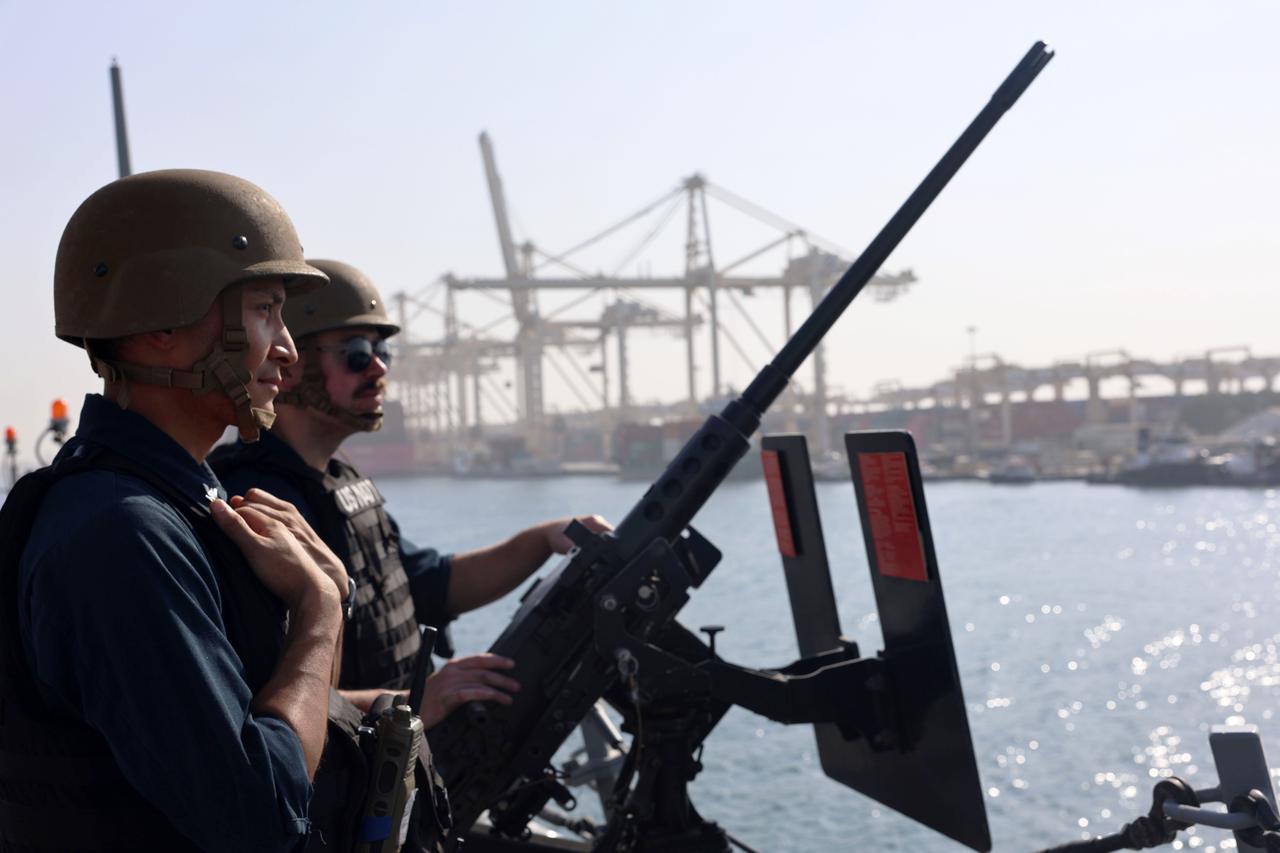
Some Gulf leaders are uncertain their calls will be heeded, and are concerned that Israel will persuade Trump to strike Iran again, Bloomberg reported. Israel views Iran as an existential threat, and Prime Minister Benjamin Netanyahu has signaled that further strikes are necessary to degrade Iran's military capabilities.
The UAE's outreach to Trump came weeks after Abu Dhabi took the rare step of leaving OPEC in late April, a decision partly rooted in frustration with Saudi Arabia's refusal to coordinate a collective Gulf response to Iranian attacks during the war. Since then, ties between UAE and GCC states have improved. All six GCC member states, the UAE, Saudi Arabia, Qatar, Kuwait, Bahrain and Oman, reaffirmed their coordination in recent days.
"The Gulf Arab states saw their vulnerabilities exposed," said Dina Esfandiary, an analyst at Bloomberg Economics.
"They were caught in the middle of a U.S.-Iran war and suffered much of the fallout. They now face the prospect of renewed confrontation if the ceasefire can't be translated into a permanent deal, with their image as stable regional havens at risk," she noted.
Iran and the U.S. agreed to a ceasefire on April 8 and have been exchanging messages through Pakistan about a peace agreement.
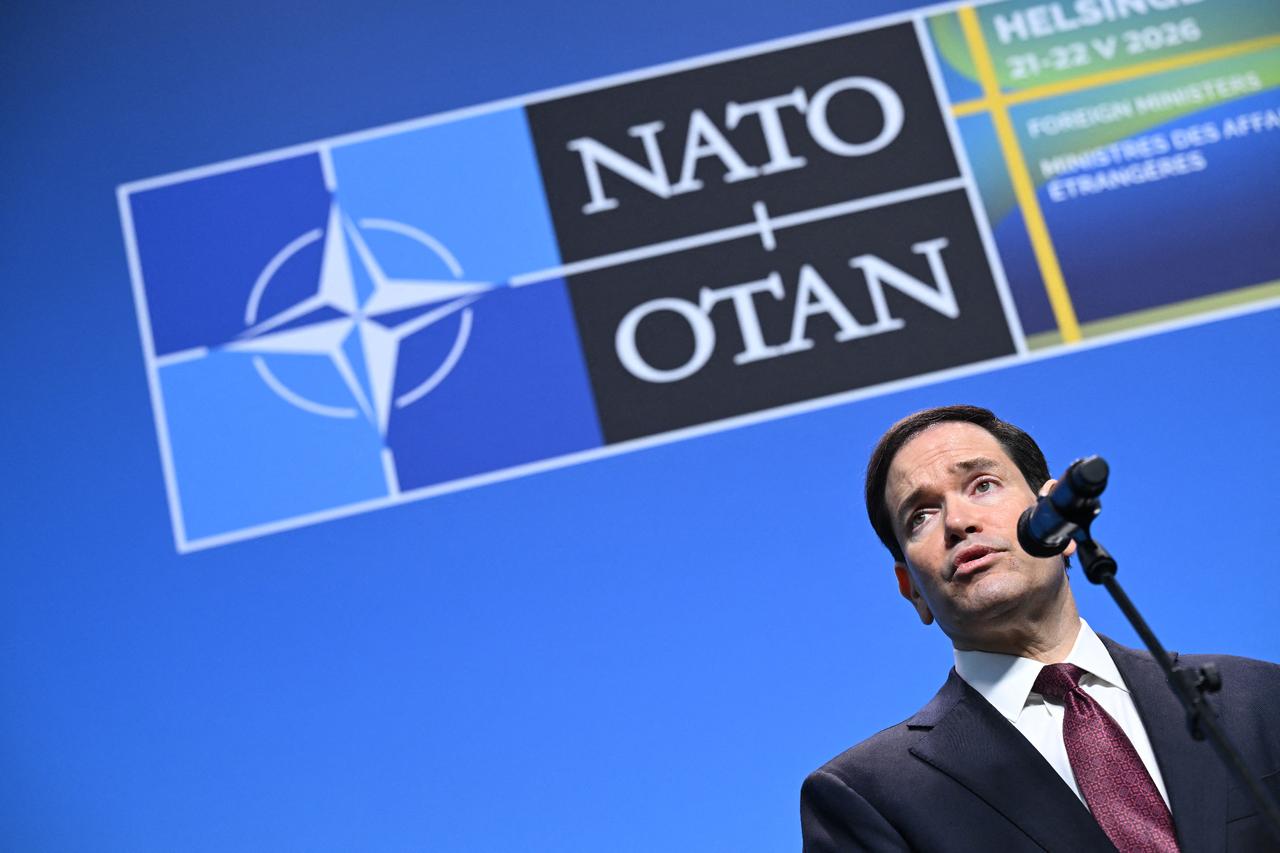
U.S. Secretary of State Marco Rubio said Friday there had been "slight progress" in the negotiations, while Iranian media made similar comments.
Pakistan's army chief Asim Munir was set to visit Iran the same day, in a possible sign of the sides moving closer to a deal.


 Set as preferred source
 Set as preferred source


 1 min read
 1 min read