Newsletters




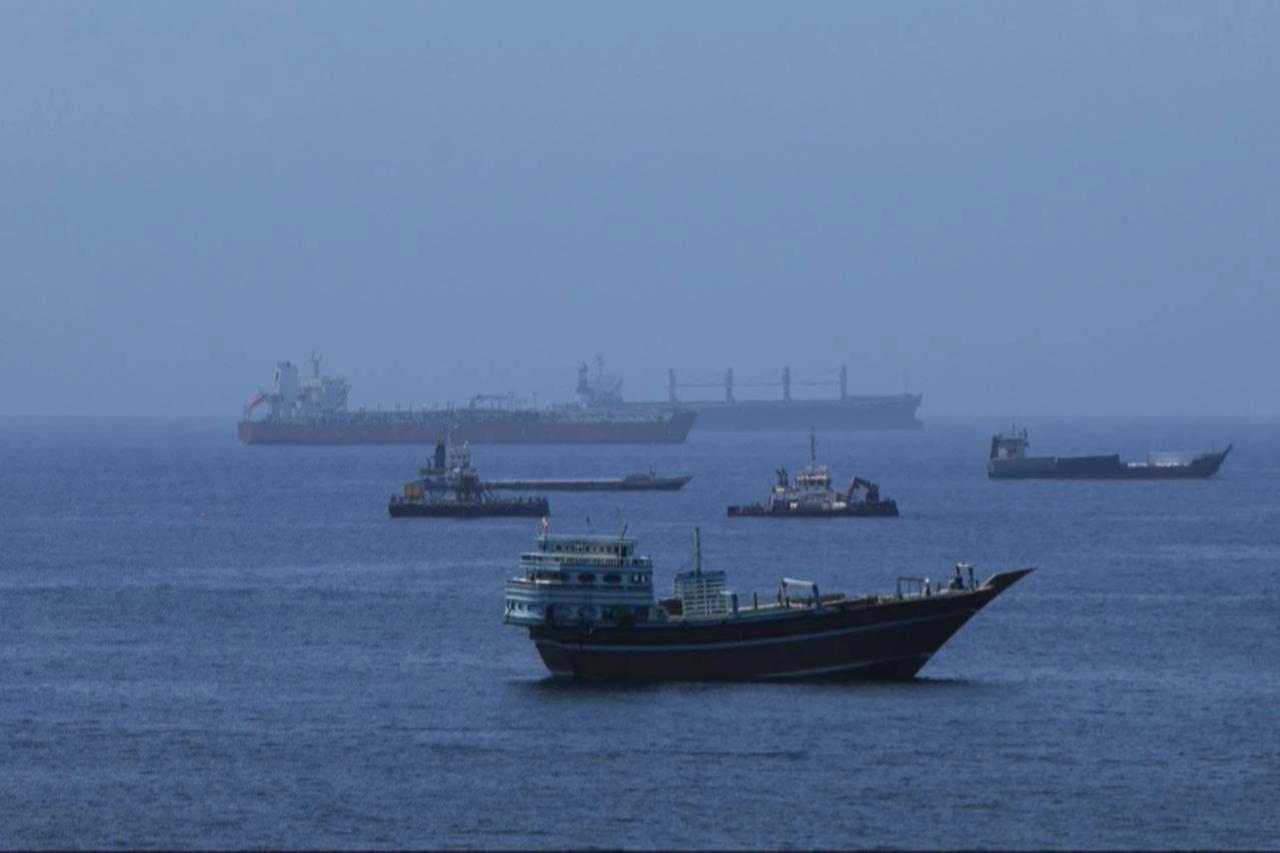
A senior United Arab Emirates official said on Friday that the U.S. and Iran have only a “50-50” chance of reaching an agreement that would reopen the Strait of Hormuz, as talks continue during a fragile ceasefire in the Middle East war.
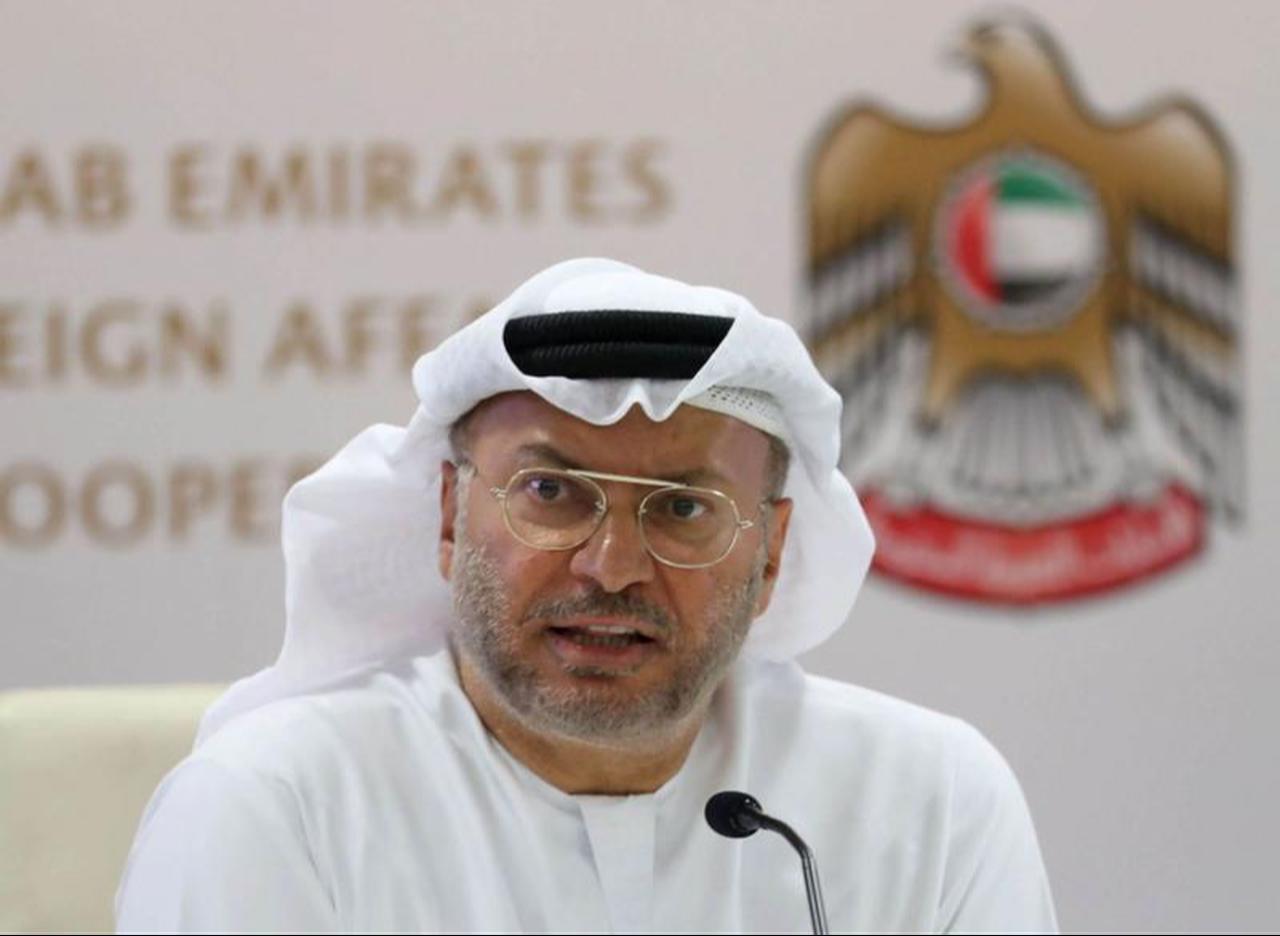
UAE presidential adviser Anwar Gargash urged Tehran not to overplay its hand in the stop-start negotiations and said the strategic waterway must return to normal.
Iranian officials “have missed a lot of chances over the years because there's a tendency to overestimate their cards,” Gargash told the GLOBSEC Forum in Prague.
“I hope they don't do that this time,” he said.

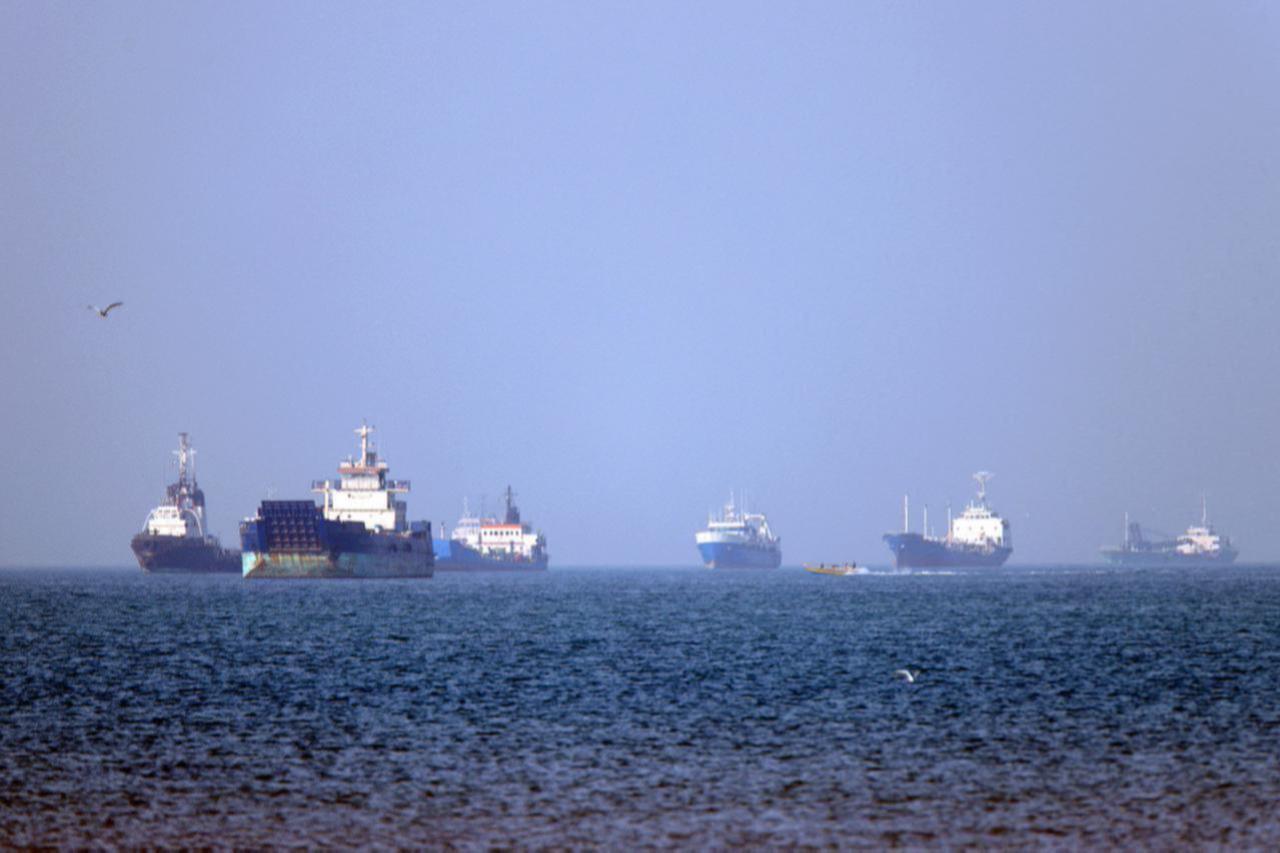
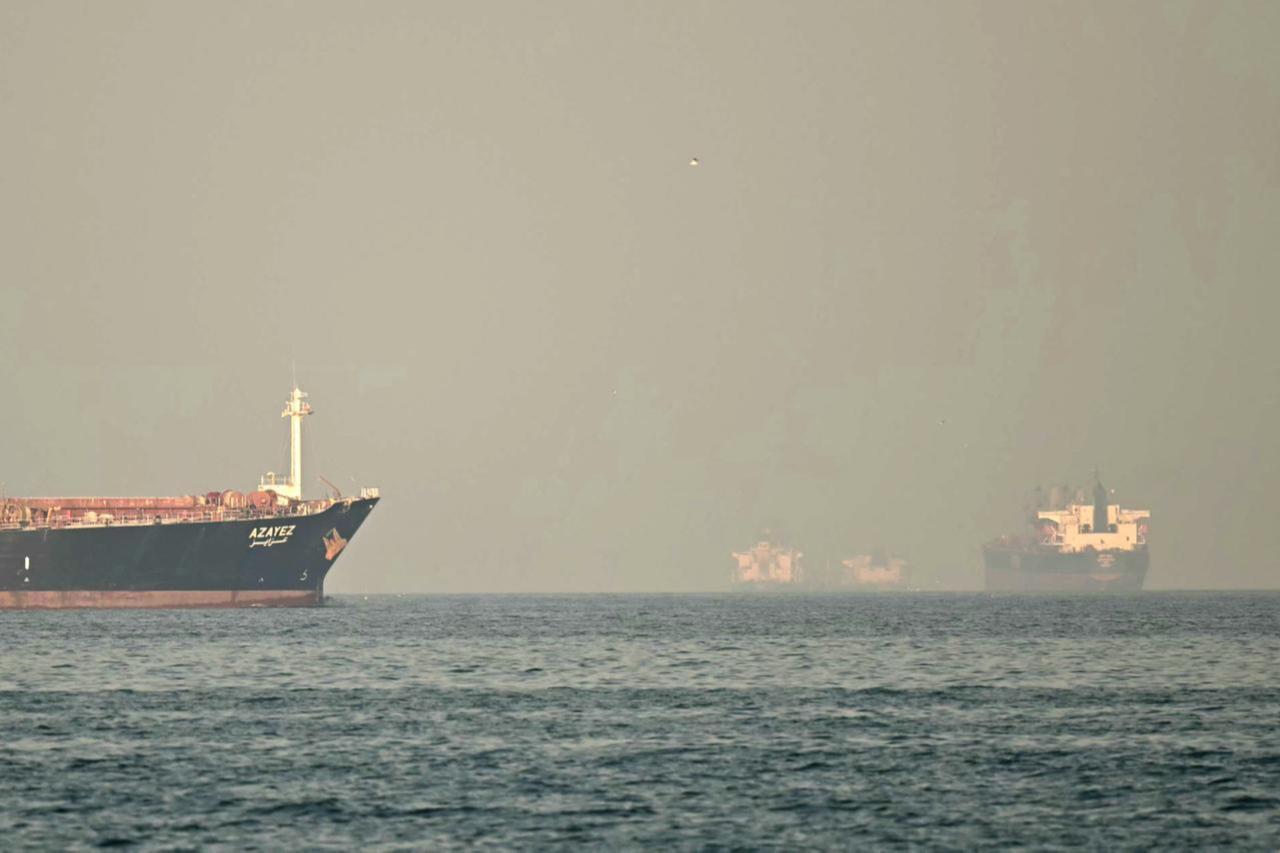
Gargash said the Strait of Hormuz, blockaded by Iran, must return to its previous status as an international waterway.
The strait normally carries about one-fifth of global oil production.
He warned against negotiations that only produce an inconclusive ceasefire.
“Negotiations just to reach a ceasefire and sow the seeds for further conflict in the future is not what we're seeking,” Gargash said.
“And I think that the Strait of Hormuz clearly has to go back to the status quo and this should be an international waterway,” he added.
Gargash said the UAE, which hosts U.S. military facilities, was targeted by about 3,300 drones and missiles during the 40 days of war from Feb. 28 onward.
He said only around 4% of them got through.
With U.S. negotiators focusing on Iran’s possible development of an atomic weapon, Gargash said the issue had become the UAE’s top concern.
“The Iranian nuclear program was our second or third worry; now it's our first worry,” he said.
“We see that Iran is capable of using any weapon that it has in its hands, which is what we learned,” he added.


 Set as preferred source
 Set as preferred source


 1 min read
 1 min read