Newsletters


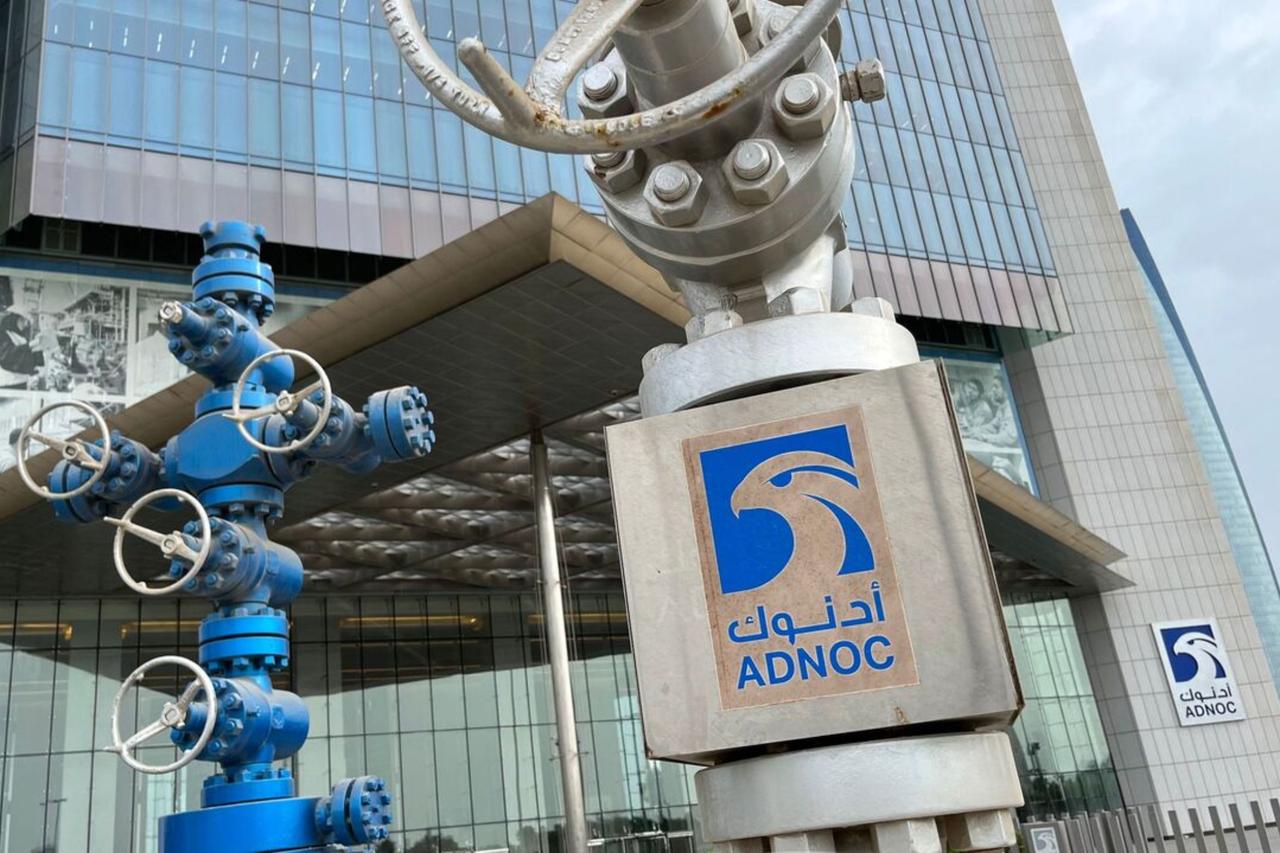


The head of Abu Dhabi's state oil giant ADNOC declared Sunday that Iran has no right to close the Strait of Hormuz and that any attempt to do so is "illegal, dangerous, and unacceptable".
The statement from the UAE oil giant chief came moments before U.S. President Donald Trump's announcement that the U.S. Navy would immediately begin blockading all ships entering or leaving the waterway and destroy the mines Iran has laid there, following the collapse of peace talks in Islamabad.

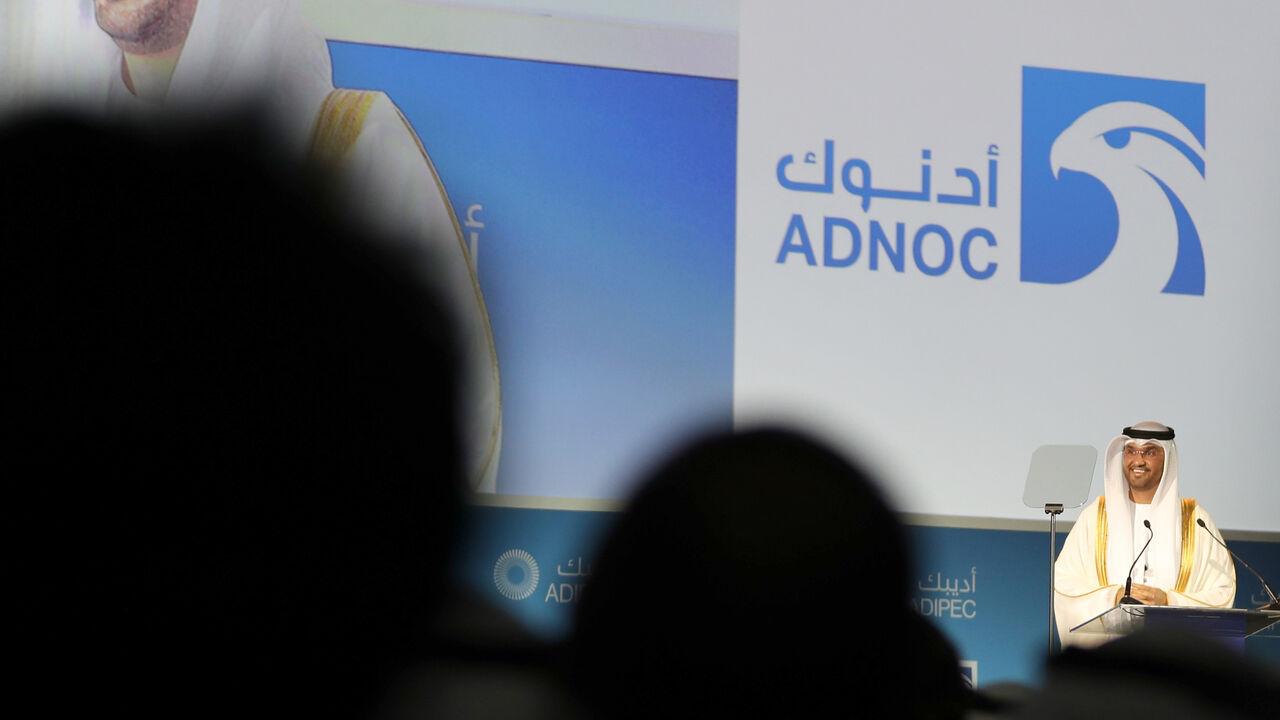
Sultan Al Jaber, who also serves as UAE Industry Minister and ADNOC chief executive, posted a detailed accounting of Hormuz's human and economic cost since the war began, alongside a blunt legal and moral rejection of Iran's position.
"Since Feb. 28: At least 22 ships have been attacked. 10 crew members have been killed. Around 20,000 seafarers are unable to transit safely. An estimated 800 commercial vessels are stranded, including almost 400 tankers," Al Jaber wrote on X.
"The Strait of Hormuz has never been Iran's to close or restrict. Any attempt to do so is not a regional issue; it is the disruption of a global economic lifeline and a direct threat to the energy, food, and health security of every nation. Setting such a precedent is illegal, dangerous, and unacceptable," he noted.
"The world simply cannot afford it and must not allow it," he added.
ADNOC declared force majeure in March, telling buyers it could not fulfill its contractual obligations. Oil and gas constitute approximately 15% of the UAE's gross domestic product.
The UAE has sustained more Iranian missile and drone attacks than any other Gulf state, intercepting 563 missiles and 2,256 drones since Feb. 28.
Trump posted his response to the failed Islamabad talks on Truth Social.
"So, there you have it, the meeting went well, most points were agreed to, but the only point that really mattered, NUCLEAR, was not," Trump wrote.
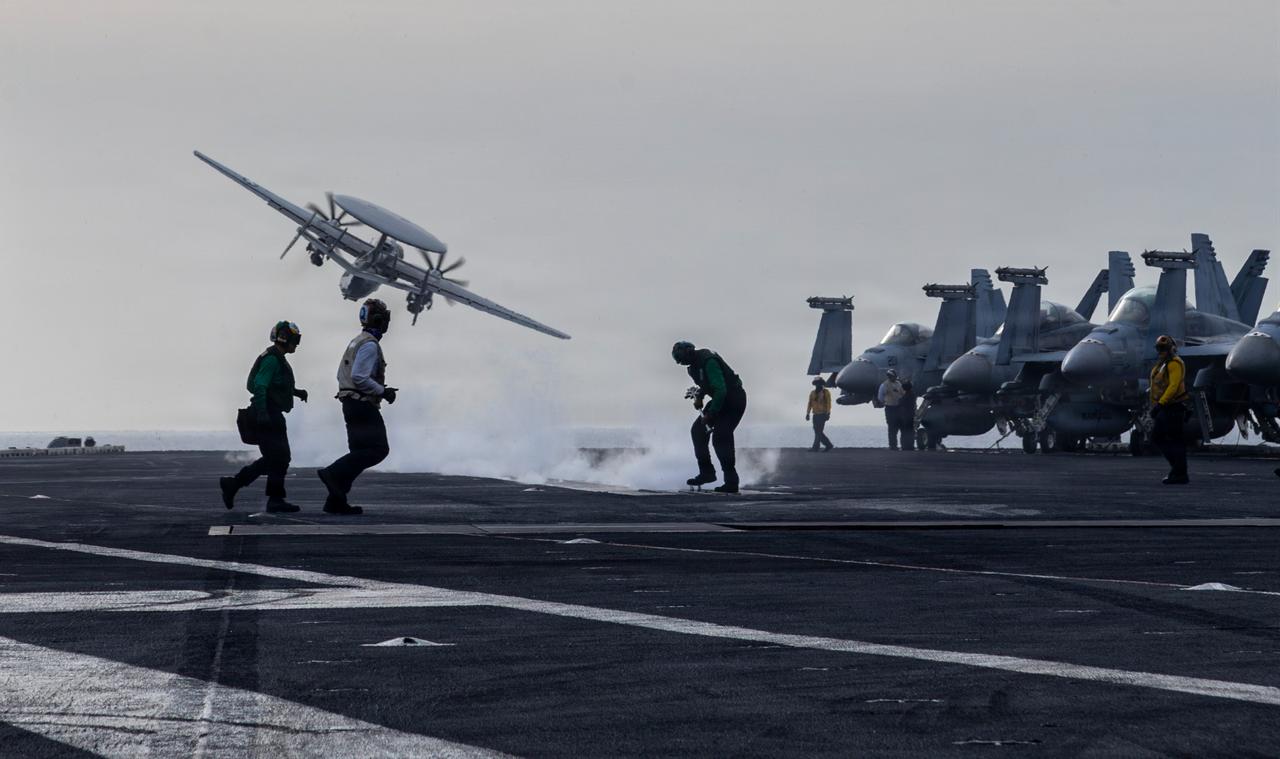
"Effective immediately, the United States Navy, the Finest in the World, will begin the process of BLOCKADING any and all Ships trying to enter or leave the Strait of Hormuz," he added.
Trump said the U.S. Navy had been instructed to "seek and interdict every vessel in International Waters that has paid a toll to Iran" and that it would begin destroying the mines Iran has laid in the waterway.
"Any Iranian who fires at us, or at peaceful vessels, will be BLOWN TO HELL!" Trump added.
"We are FULLY LOCKED AND LOADED," he continued, warning that the U.S. military "will finish up the little that is left of Iran," he noted.
Trump said other countries would be involved in the blockade effort.
American officials cited by CNN stated that two issues drove the impasse: Iran's refusal to reopen the Strait of Hormuz and its refusal to surrender its stockpile of highly enriched uranium.
Without resolution on those points, Iran's demands for sanctions relief and the unfreezing of billions in assets collapsed as well.
"Iranian negotiators, aware of the leverage that the closure of the strait provides, refused to reopen the waterway until a final deal was reached," officials said.
Both sides presented offers on the nuclear issue during the talks, but Iran appeared unmoved by Trump's previous claim that the U.S. and Iran would jointly remove what he calls "nuclear dust."


 Set as preferred source
 Set as preferred source


 3 min read