Newsletters


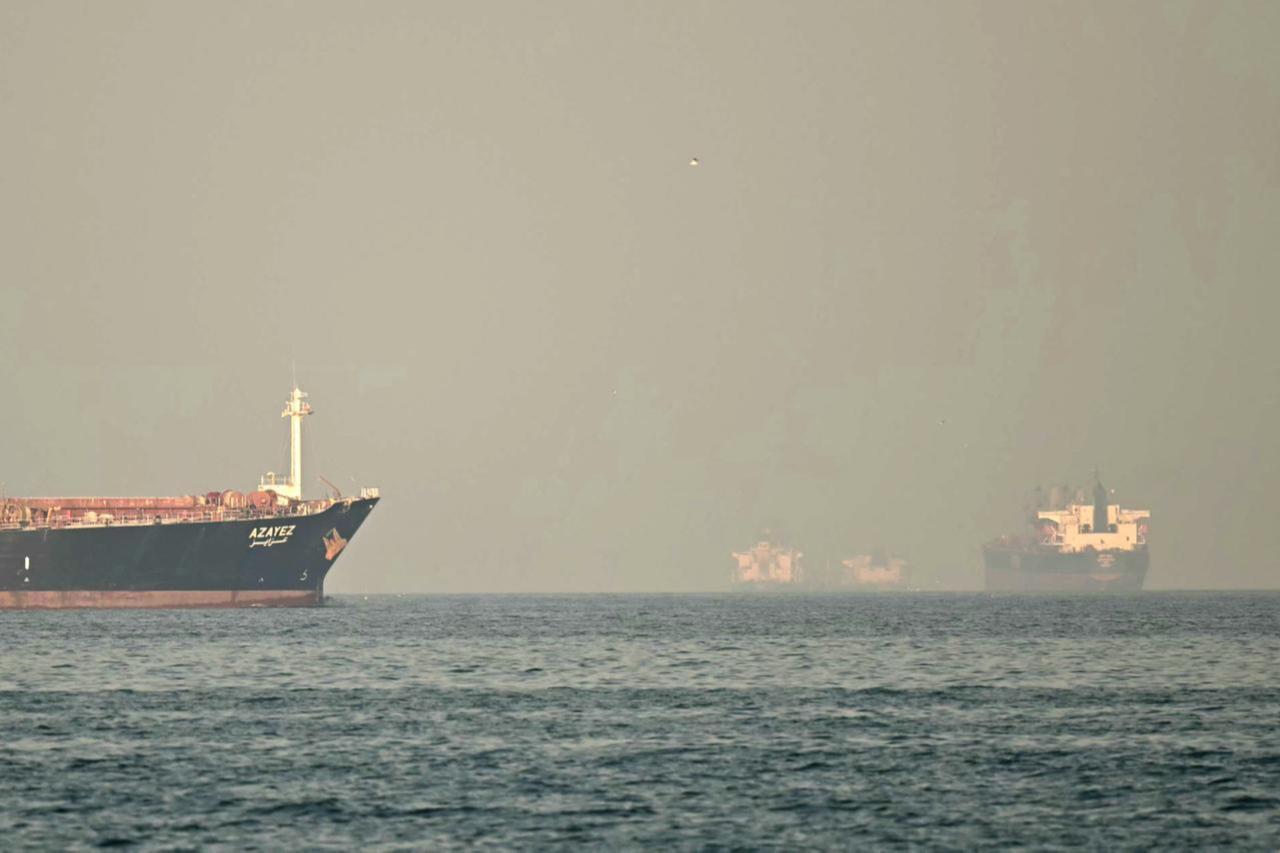


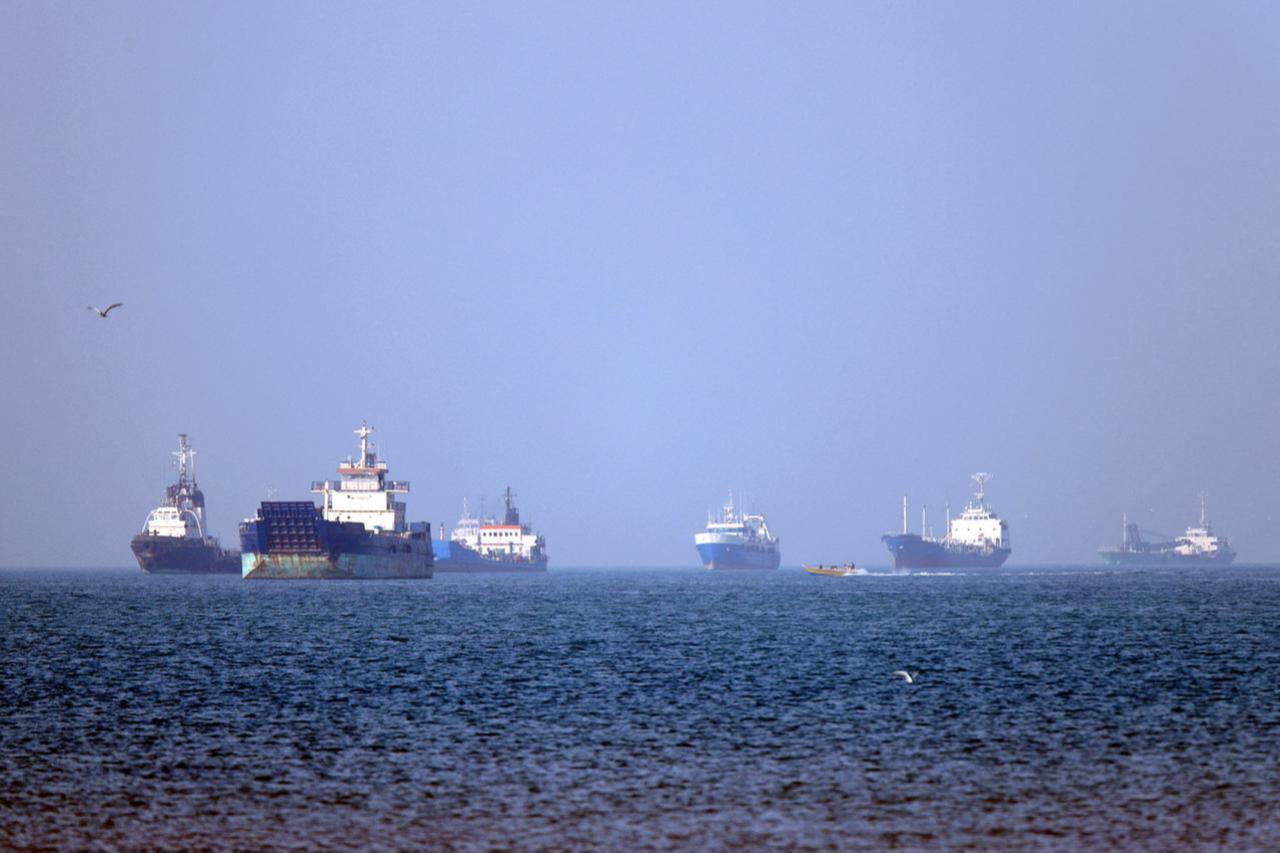
Iran’s new body overseeing the Strait of Hormuz said its claimed area of control extends to Emirati waters south of Fujairah port, drawing a sharp response from the United Arab Emirates.
The newly established Persian Gulf Strait Authority (PGSA) said on Wednesday that it had outlined “the regulatory jurisdiction for the management” of the strategic waterway, which has been under Iranian control since the outbreak of war with Israel and the U.S. on Feb. 28.
Iran has closed the strait since the war began and has been charging ships for passage. Tehran has also insisted that vessels obtain permission from its armed forces to pass through the waterway.
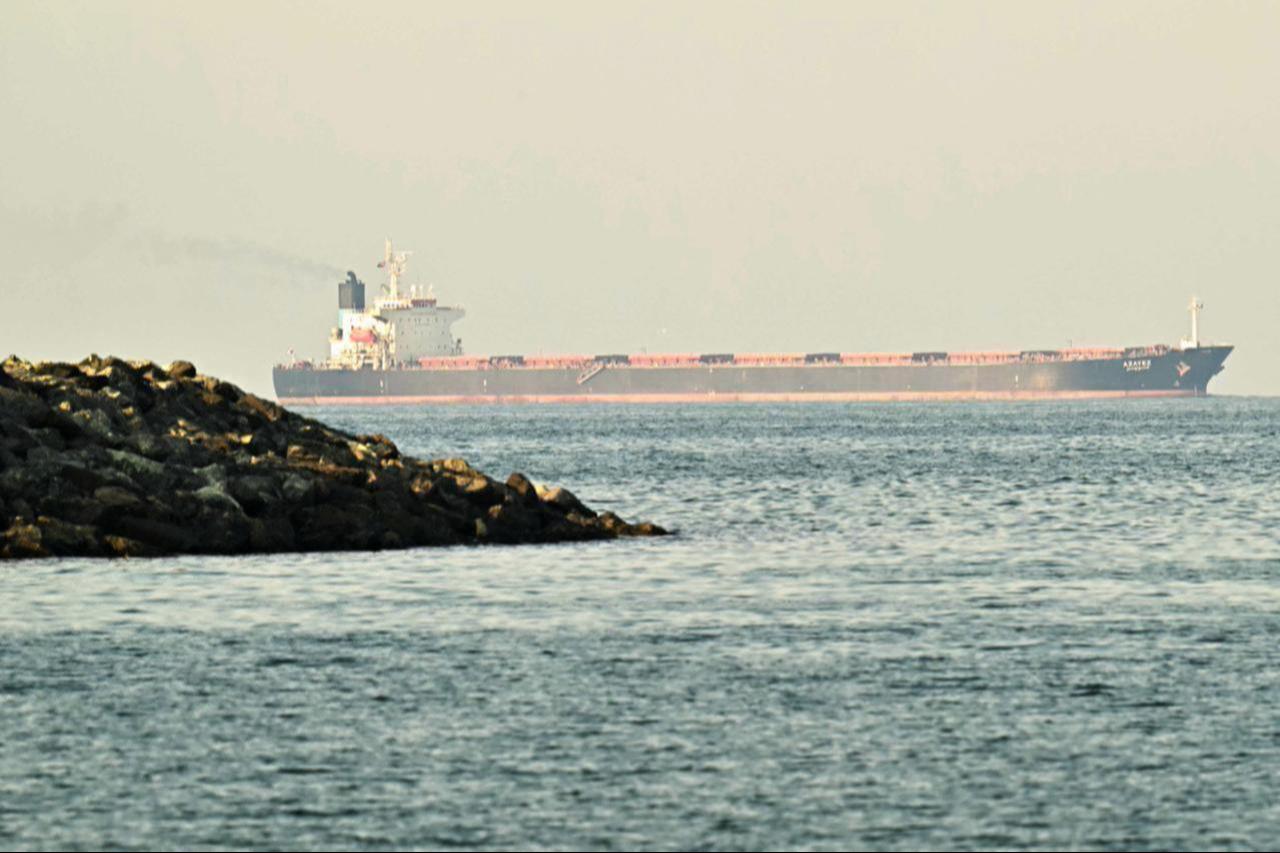

In a post on X accompanied by a map, the PGSA said its claimed area of control covered waters between the line extending from “Kuh-e Mubarak in Iran to the south of Fujairah in the UAE” and the line connecting the tip of Qeshm Island in Iran to Umm Al-Quwain in the UAE.
It said, “Transit through this area for the purpose of passing through the Hormuz Strait requires coordination with, and authorization from, the Persian Gulf Strait Authority.”
The UAE’s Fujairah port hosts oil infrastructure designed to bypass the Strait of Hormuz, a vital global shipping route.
On Wednesday, Iran’s Revolutionary Guards said they had allowed 26 ships, including oil tankers and other vessels, to pass through the strait over the previous 24 hours.
Last week, Iran said “more than 30 ships” had been allowed to pass, including some Chinese vessels.
Emirati presidential adviser Anwar Gargash condemned the Iranian announcement on Thursday.
“The regime is trying to establish a new reality born from a clear military defeat, but attempts to control the Strait of Hormuz or infringe on the UAE's maritime sovereignty are nothing but pipe dreams,” Gargash said on X.
Relations between Iran and the UAE have been severely strained since the war began.
Tehran has launched missile and drone strikes against Gulf countries in response to U.S.-Israeli attacks. Iran last week accused the UAE of playing an active role in the war, a claim Abu Dhabi denied.
Iran has repeatedly accused Gulf states of allowing U.S. forces to carry out attacks from their territory. Gulf nations have repeatedly denied the accusations, saying even before the conflict that they would not allow their territory or airspace to be used to attack Iran.
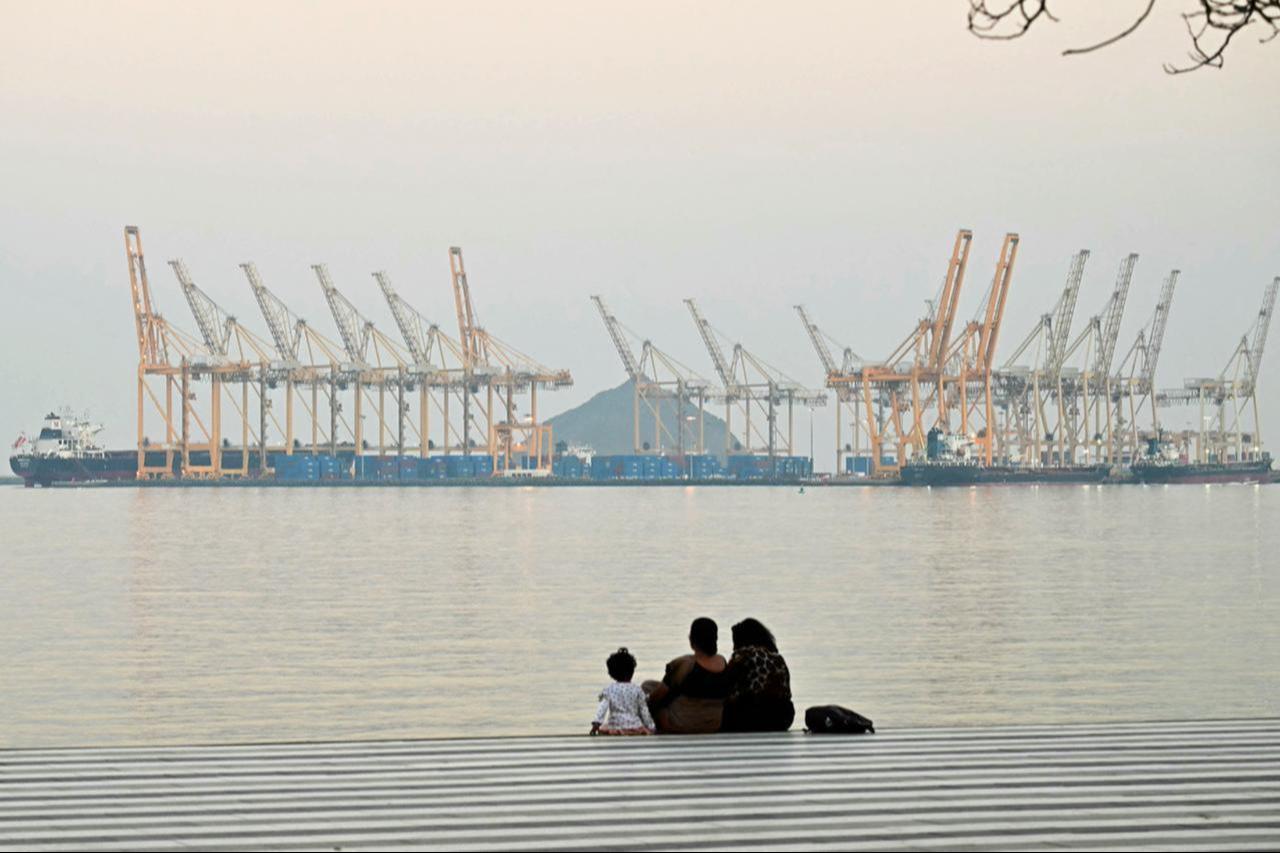
The UAE has strongly opposed Iran’s control of the Strait of Hormuz and has called for joint action to ensure freedom of navigation through the waterway.
On Friday, the UAE announced it was accelerating the construction of a new oil pipeline bypassing Hormuz through Fujairah port.
The Abu Dhabi Media Office said the West-East Pipeline would double state oil giant ADNOC’s export capacity through Fujairah and was expected to become operational next year.
The Strait of Hormuz remains a key route for global oil and gas flows, while the latest dispute has added to tensions between Iran and Gulf countries.


 Set as preferred source
 Set as preferred source


 1 min read
 1 min read