Newsletters


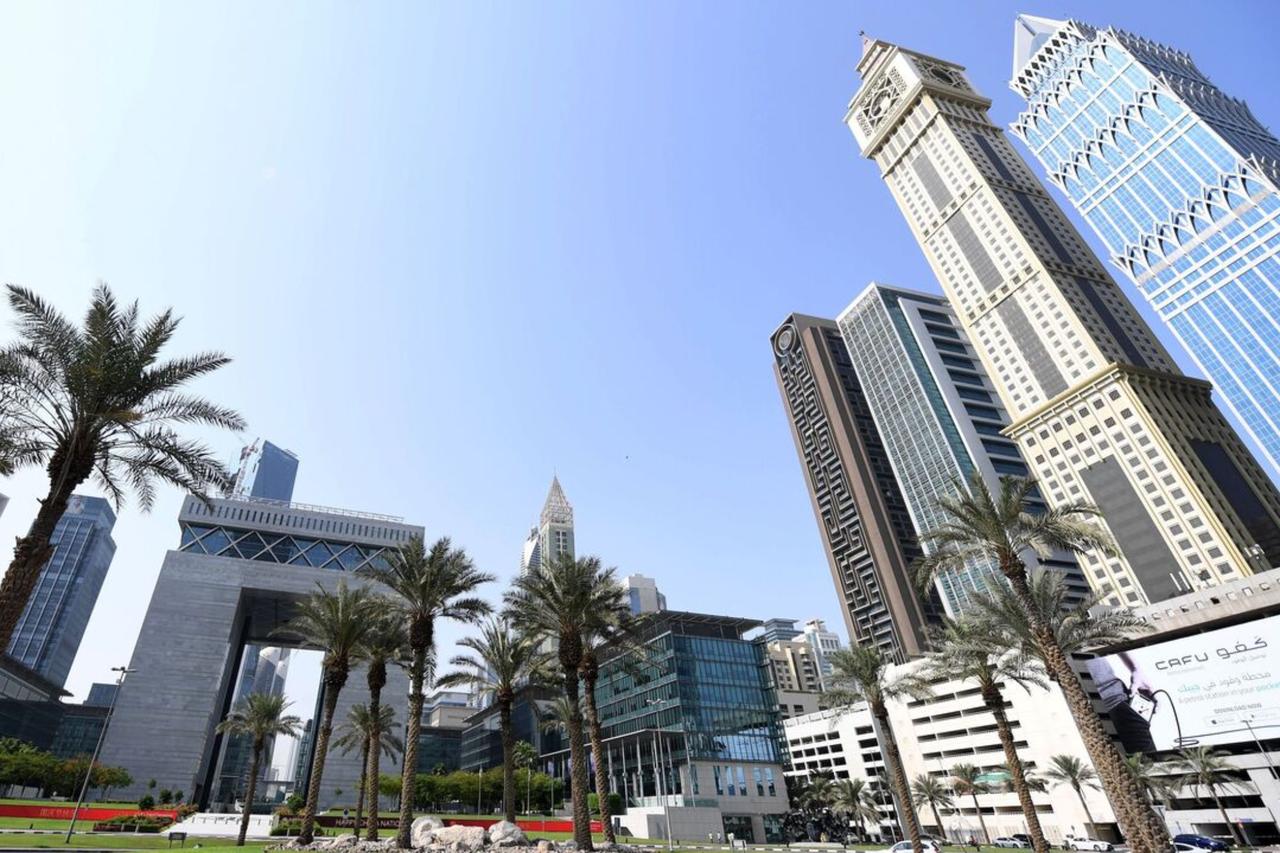


The United Arab Emirates (UAE) has opened preliminary talks with the Trump administration about obtaining a dollar currency swap line in case the Iran war inflicts lasting damage on its economy, the Wall Street Journal (WSJ) reported Sunday.
Emirati officials are warning U.S. counterparts that if dollar access is denied, the UAE may be forced to use Chinese yuan or other currencies for oil sales, posing an implicit threat to dollar supremacy in global energy transactions.
UAE Central Bank Governor Khaled Mohamed Balama raised the idea of a currency swap line in meetings in Washington last week with Treasury Secretary Scott Bessent and Federal Reserve officials, the Journal reported, citing U.S. officials.
Emirati officials described the proposal as "preliminary and precautionary," emphasizing they had so far avoided the worst economic effects of the conflict but might still need a financial lifeline.
No formal request has been made.
The Journal noted that the Federal Open Market Committee, which typically administers swap lines, was unlikely to approve one for the UAE, as it usually reserves them for central banks whose funding stress could spill back into the U.S. economy.
The Fed has standing arrangements with the U.K., Canada, Japan, Switzerland and the EU.
The Treasury has alternative mechanisms, including the Exchange Stabilization Fund, through which it arranged a $20 billion swap for Argentina last year.
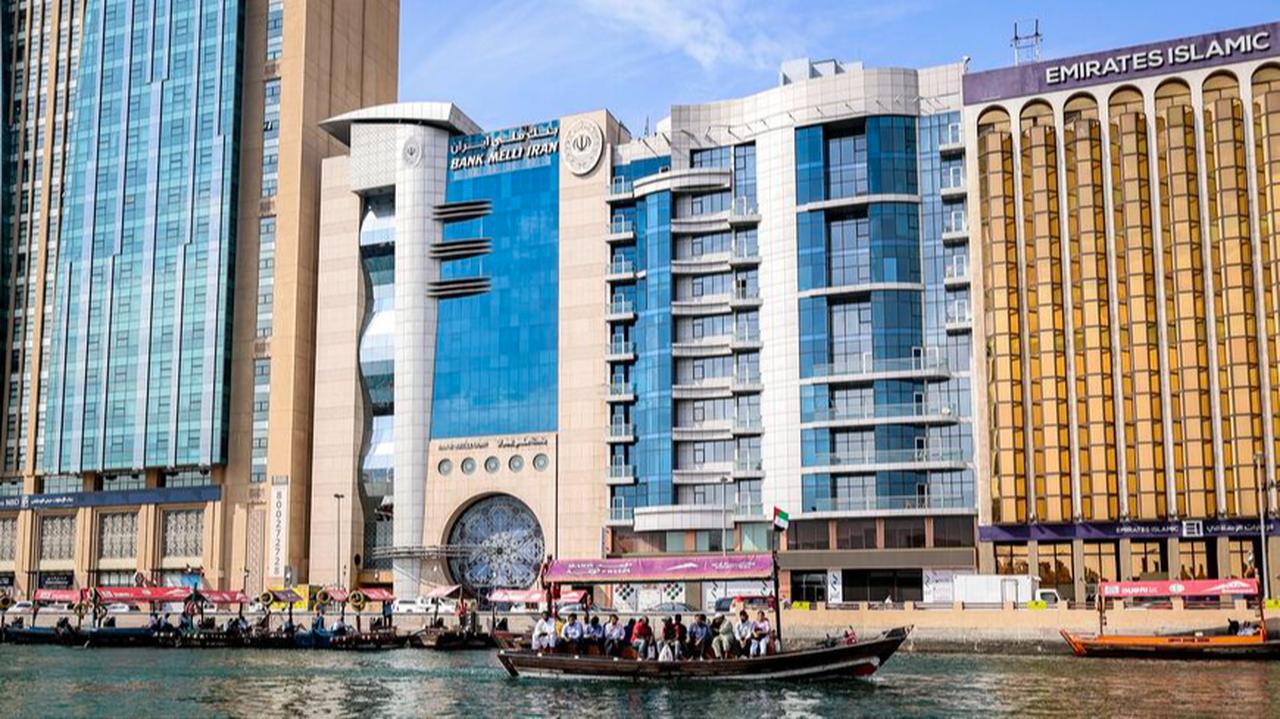

Emirati officials told U.S. counterparts that if the UAE runs short of dollars, it may be forced to use Chinese yuan or other currencies for oil sales and other transactions, the WSJ reported.
The implicit warning is significant: the dollar's global supremacy rests heavily on its near-exclusive use in oil transactions. An Emirati shift toward yuan-denominated oil sales, even partial, would represent a tangible erosion of dollar hegemony engineered by one of Washington's closest Middle East partners.
Emirati officials also argued that Trump's decision to attack Iran had entangled their country in a destructive conflict whose effects may not be over and that the proposed financial backstop was a consequence of a war they did not choose.
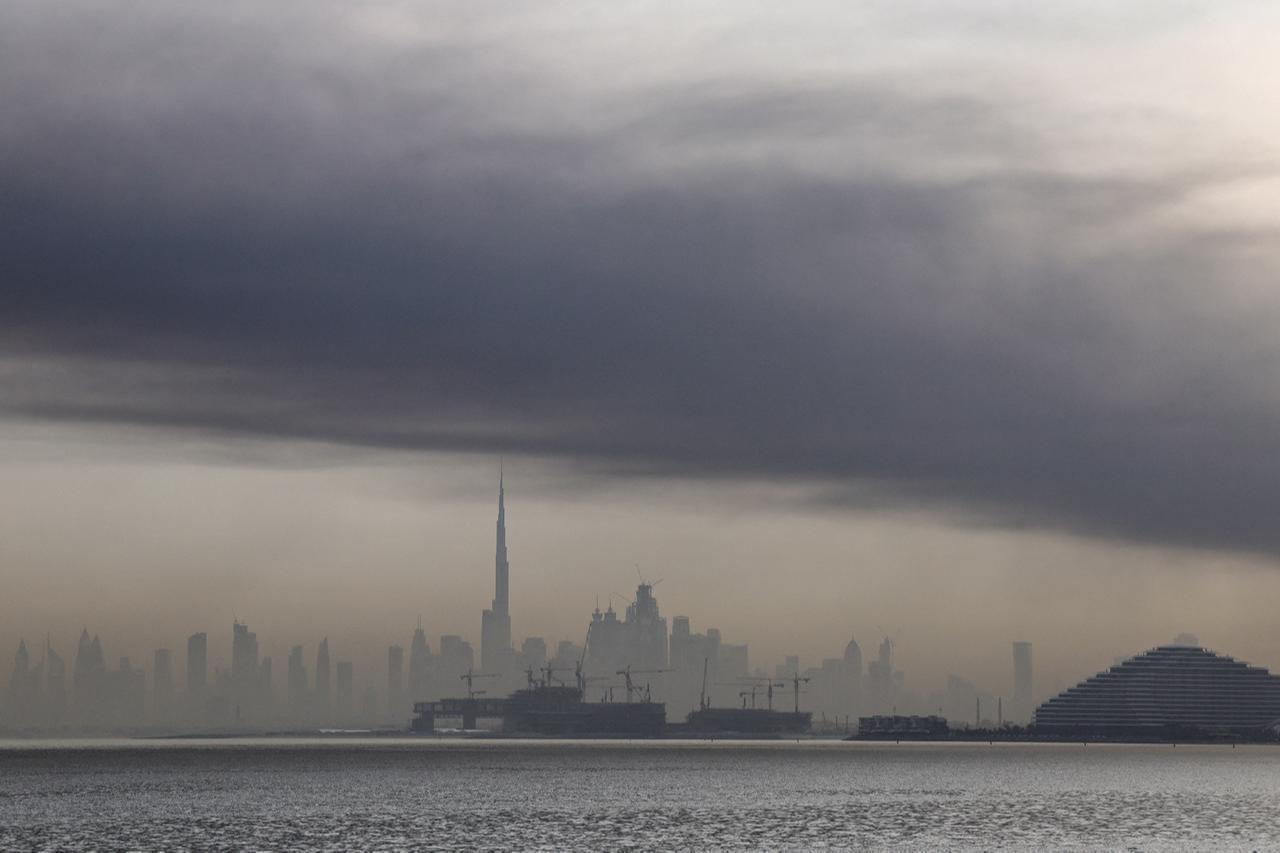
The WSJ documented the scope of the UAE's economic exposure. Iran fired more than 2,800 drones and missiles at the UAE, most intercepted by air defenses.
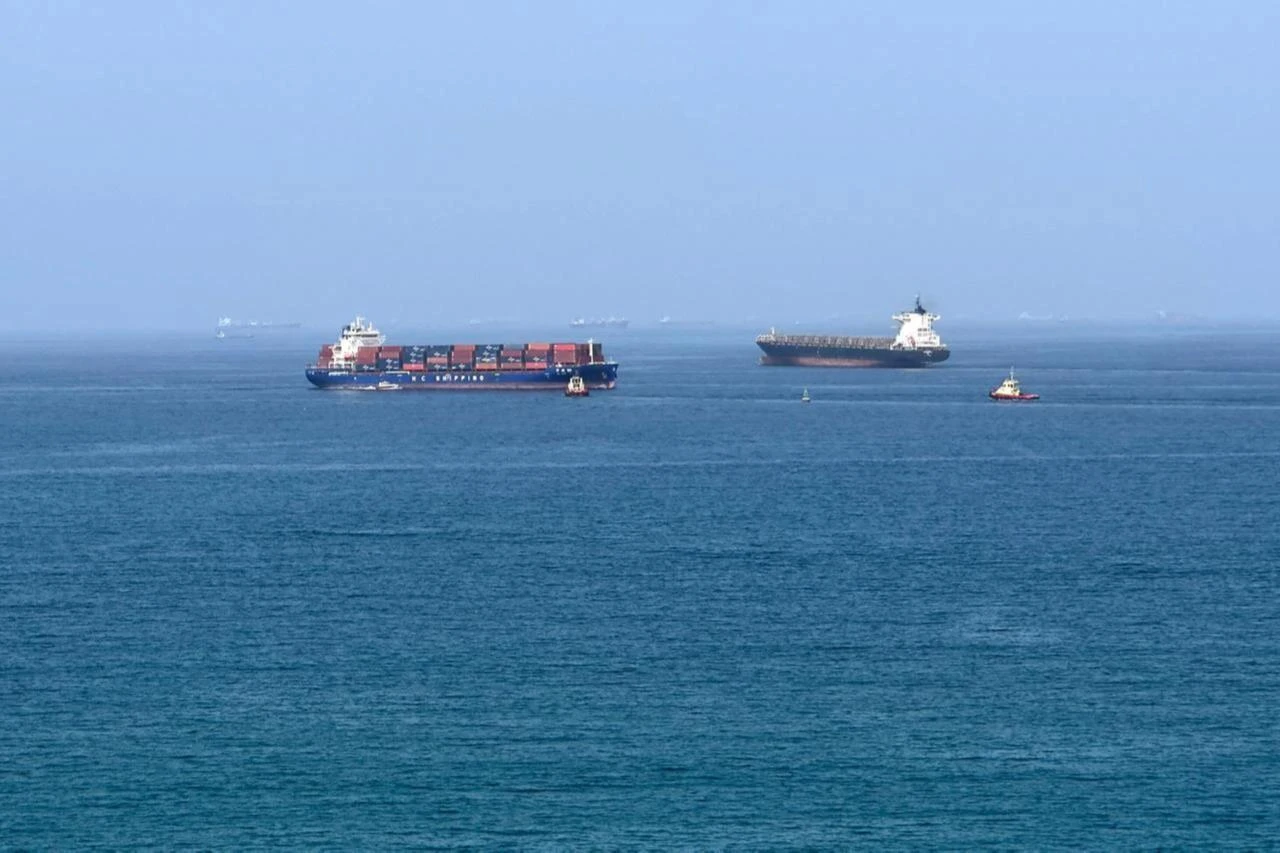
Iranian attacks damaged Emirati oil and gas infrastructure and the Hormuz blockade has shut off UAE oil shipments via tanker, depriving it of a critical dollar revenue source.
The UAE dirham is pegged to the dollar and backed by $270 billion in foreign currency reserves, but S&P Global warned in March of "the potential for prolonged disruption" to oil exports, adding "clear risk" to economic expectations.
Abu Dhabi raised approximately $4 billion from investors in private placement transactions earlier this month, borrowing at a premium to avoid a drawn-out process, while Bahrain set up a $5 billion swap line with the UAE earlier this month.
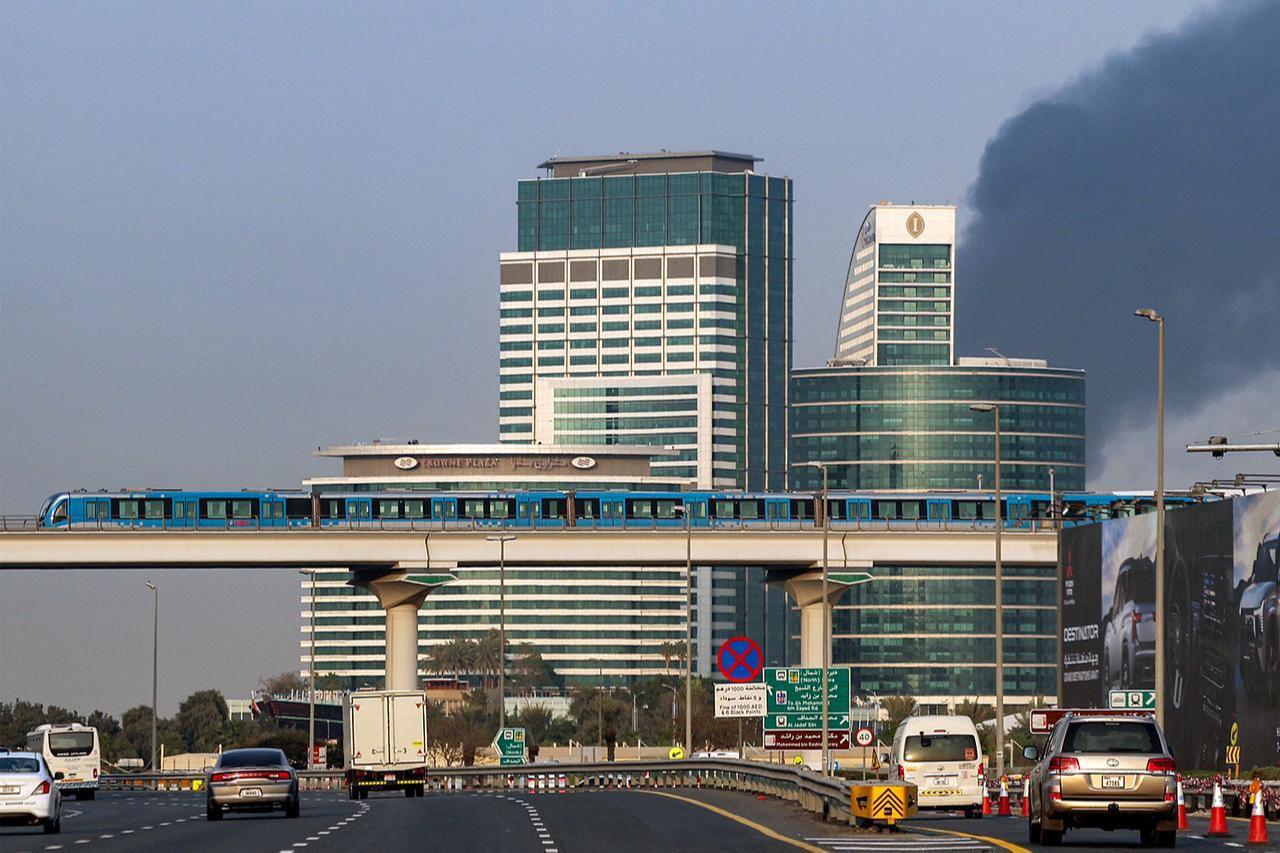
Speaking at IMF and World Bank meetings in Washington, Saudi Finance Minister Mohammed Al-Jadaan offered a sobering timeline for regional recovery.
"The basic logistics of scheduling tankers and bringing them back after the chaos we have seen, that will take possibly to the end of June. Anyone who's counting on a quick recovery, even if there is a total end of hostilities, will need to recalculate that," he said.
Treasury officials separately invited Gulf countries on the IMF/World Bank sidelines to outline their infrastructure repair and economic rebuilding needs, promising to put them "at the front of the line if assistance is needed."
The UAE has also threatened to freeze billions of dollars of Iranian assets held in the Gulf state, a move that could sever one of Tehran's key economic lifelines but would also upend the UAE's trade and banking ties with Iran and potentially damage its reputation as an apolitical financial hub.


 Set as preferred source
 Set as preferred source


 4 min read