Newsletters


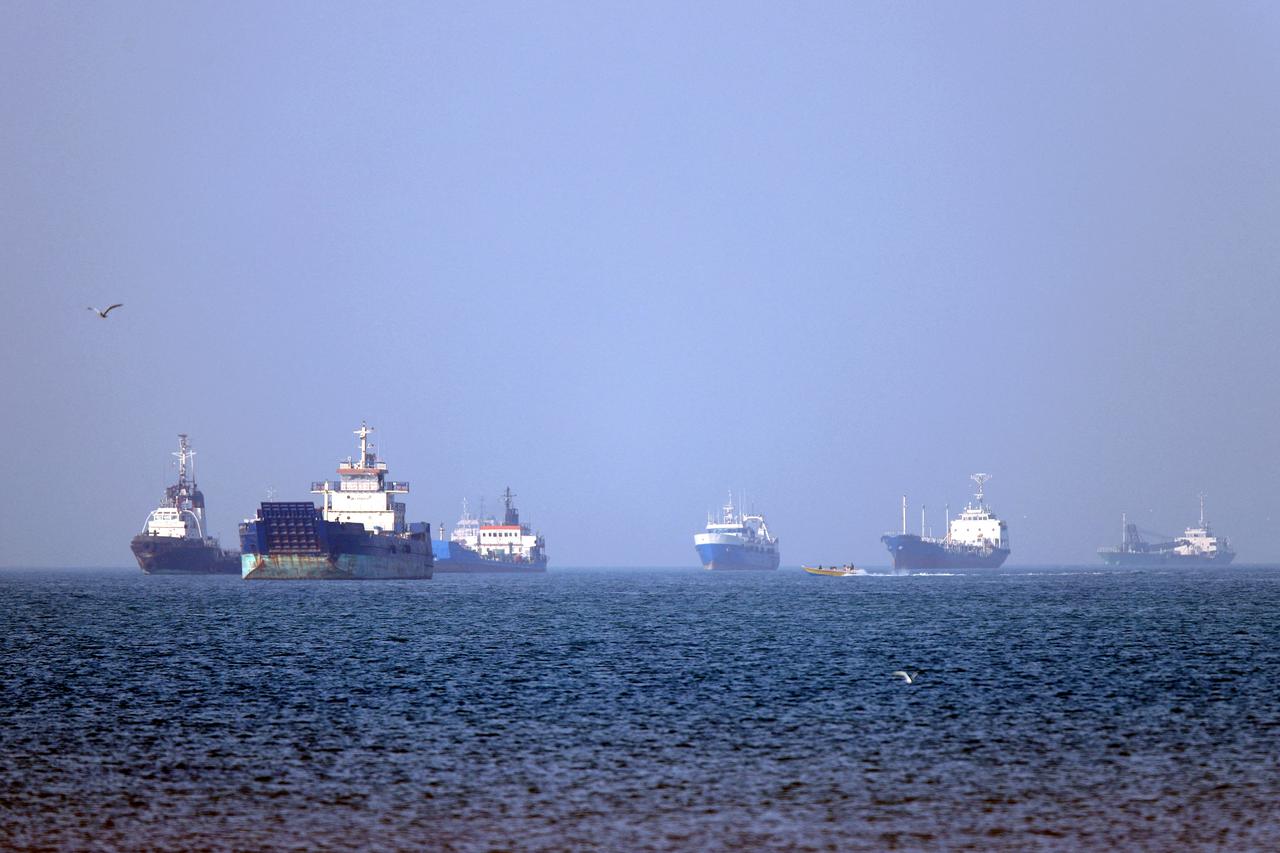


The United Arab Emirates and buyers have recently sailed several crude-loaded tankers through the Strait of Hormuz with their location trackers turned off to avoid Iranian attacks, Reuters reported, citing industry sources and shipping data.
The shipments were aimed at moving oil bottled up in the Gulf by the Middle East conflict, according to the report.
The volumes are only a fraction of the UAE’s typical exports before the U.S.-Israeli war on Iran, but they show the risks the producer and buyers are willing to take to free up oil sales.
Other Gulf producers, including Iraq, Kuwait and Qatar, have either halted sales, sharply cut prices to attract buyers or, in Saudi Arabia’s case, are shipping only through the Red Sea.
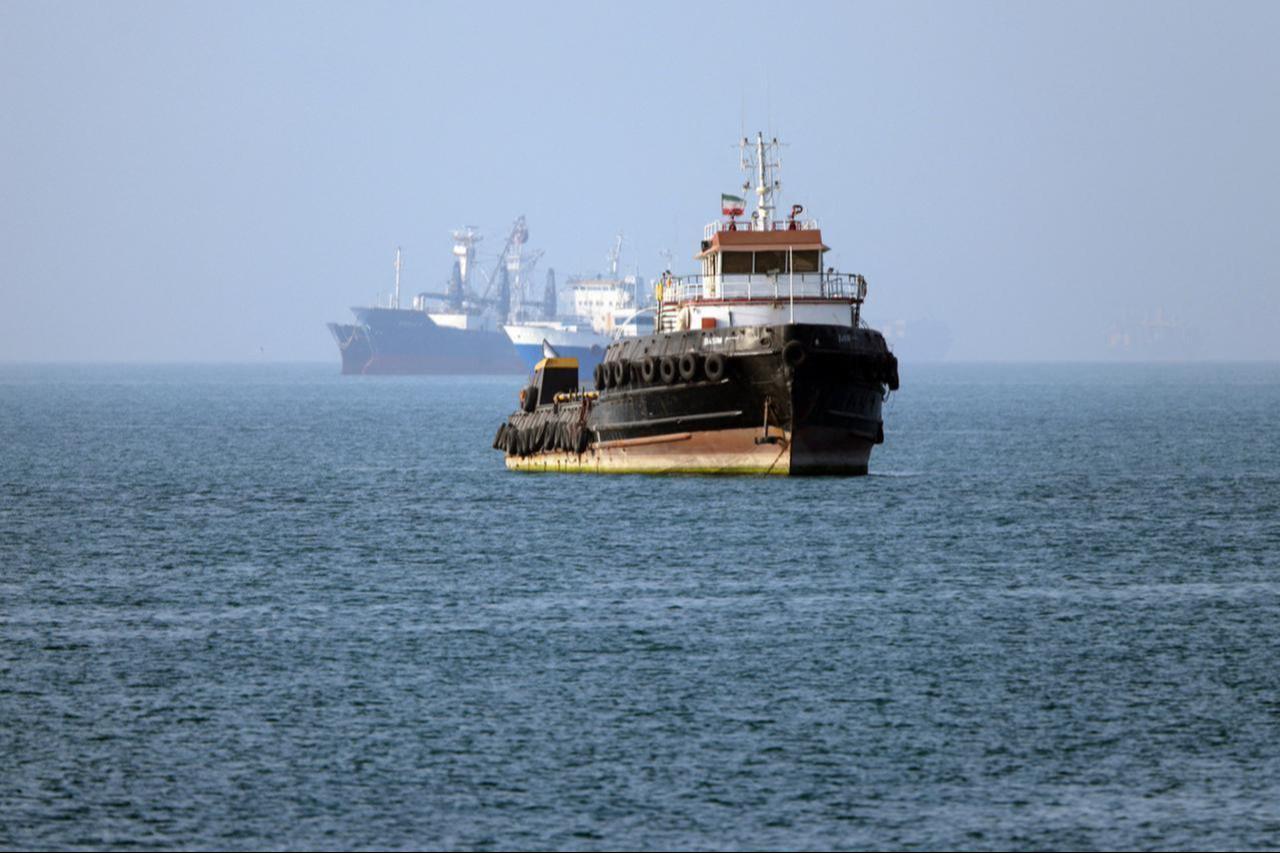

In April, Abu Dhabi National Oil Co., known as ADNOC, exported at least 4 million barrels of Upper Zakum crude and 2 million barrels of Das crude on four tankers from terminals inside the Gulf, according to three sources, Kpler shiptracking data and SynMax satellite data analysis cited by Reuters.
The shipments were unloaded through ship-to-ship transfers to a vessel that later carried the oil to a Southeast Asian refinery, discharged into storage in Oman or sailed directly to South Korean refineries.
Reuters said it was reporting the export system for the first time. ADNOC declined to comment on the shipments.
Tehran responded to U.S.-Israeli attacks that began on Feb. 28 by effectively closing the Strait of Hormuz to exports other than its own, bottling up a fifth of global oil and gas supply.
The closure and a U.S. blockade that has halted Iranian exports in recent weeks have pushed global oil prices above $100 a barrel.
ADNOC has had to cut exports by more than 1 million barrels per day since the start of the war, from the 3.1 million barrels per day it shipped last year, Kpler data showed. Most of its exports are Murban crude, which is shipped by pipeline from onshore fields to Fujairah.
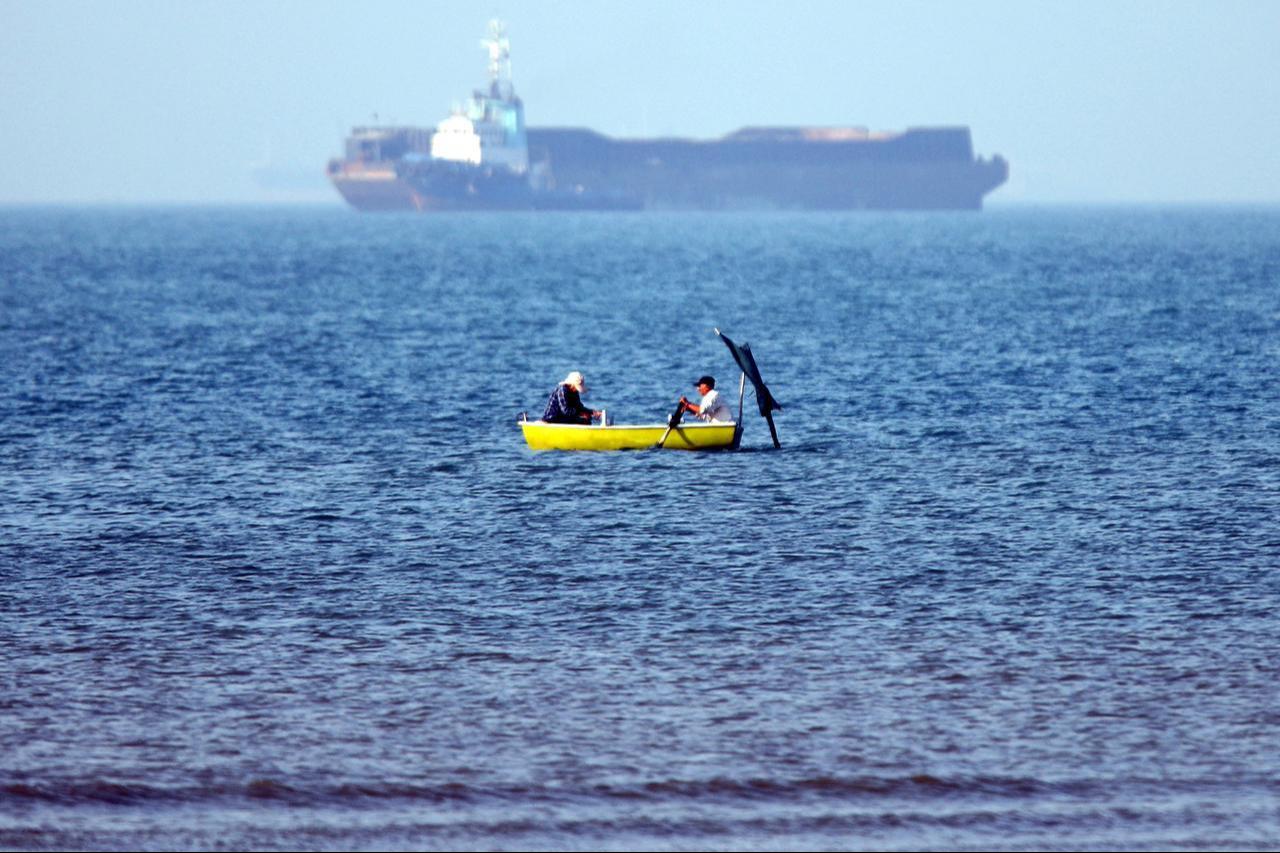
ADNOC’s shipments risk attacks from Iran, a risk highlighted by the UAE’s accusation Monday that Iran used drones to attack an empty ADNOC tanker, the Barakah, as it passed through the Strait of Hormuz.
The ships moved with their automatic identification system transponders turned off, reducing the chance they would be spotted by Iranian forces. The tactic is commonly used by Iran to avoid U.S. sanctions on its oil exports.
Turning off transponders also makes it difficult to track ADNOC’s total export volumes through industry shipping data, meaning the amount shipped from the Gulf in April could be higher.
Kpler data showed the very large crude carrier Hafeet loaded 2 million barrels of Upper Zakum inside the Gulf on April 7 and exited the strait on April 15.
Outside the strait, the cargo was transferred to the Greek-flagged VLCC Olympic Luck on April 17-18 and shipped to the Pengerang refinery in Malaysia, a joint venture between Malaysia’s state-owned Petronas and Saudi Aramco, Kpler data and SynMax analysis showed.
Hafeet is managed by ADNOC Logistics and Services, which declined to comment. Greece-based Olympic Shipping & Management, which manages Olympic Luck, and Petronas did not respond to requests for comment.
Ship-to-ship transfers allow ADNOC to sell smaller cargoes and free up VLCCs to return quickly inside the Gulf to load again.
One Upper Zakum cargo that was split up sailed to a Northeast Asian refinery and sold at a record premium of $20 a barrel over ADNOC’s official selling price, according to a source with direct knowledge of the matter.
For Abu Dhabi’s Das crude, the VLCC Aliakmon I loaded 2 million barrels on April 27 and exited the strait on May 2, Kpler data showed. It discharged at Oman’s Ras Markaz storage terminal on May 3.
Kpler and SynMax also found two Suezmax tankers, Odessa and Zouzou N., carrying 1 million barrels each of Upper Zakum and heading to South Korea after exiting the strait.
All three tankers are managed by Greece-based Dynacom Tankers Management. It was not clear who chartered the Dynacom tankers, and the company did not respond to a request for comment.
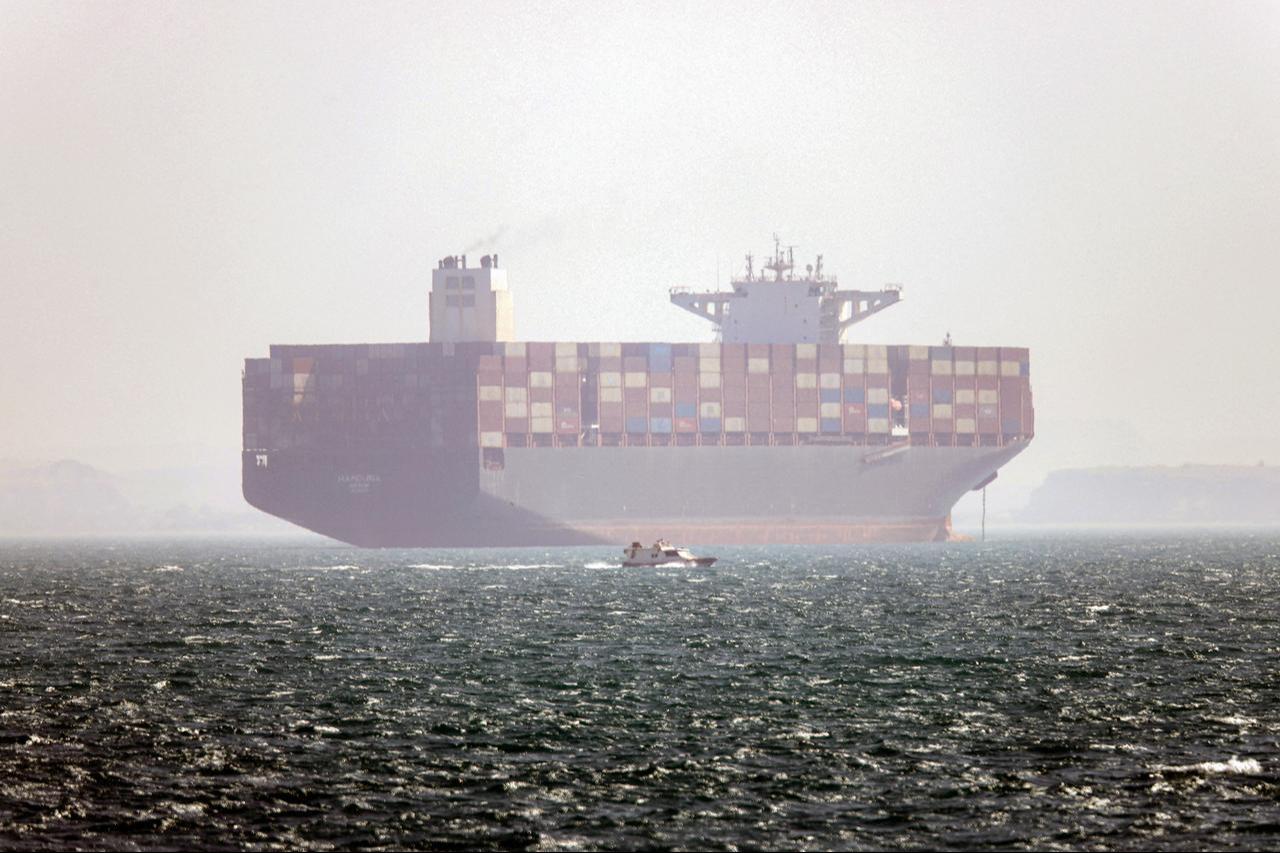
ADNOC intends to continue selling oil from inside the strait, according to the report. In late April, the company notified some customers they could load Das and Upper Zakum crude from May through ship-to-ship transfers at ports outside the Gulf, including Fujairah and Oman’s Sohar.
The company is holding talks with Asian refiners to sell May-loading Das and Upper Zakum cargoes, according to a source with direct knowledge of ADNOC’s plans and an Indian refining source.


 Set as preferred source
 Set as preferred source


 1 min read
 1 min read