Newsletters


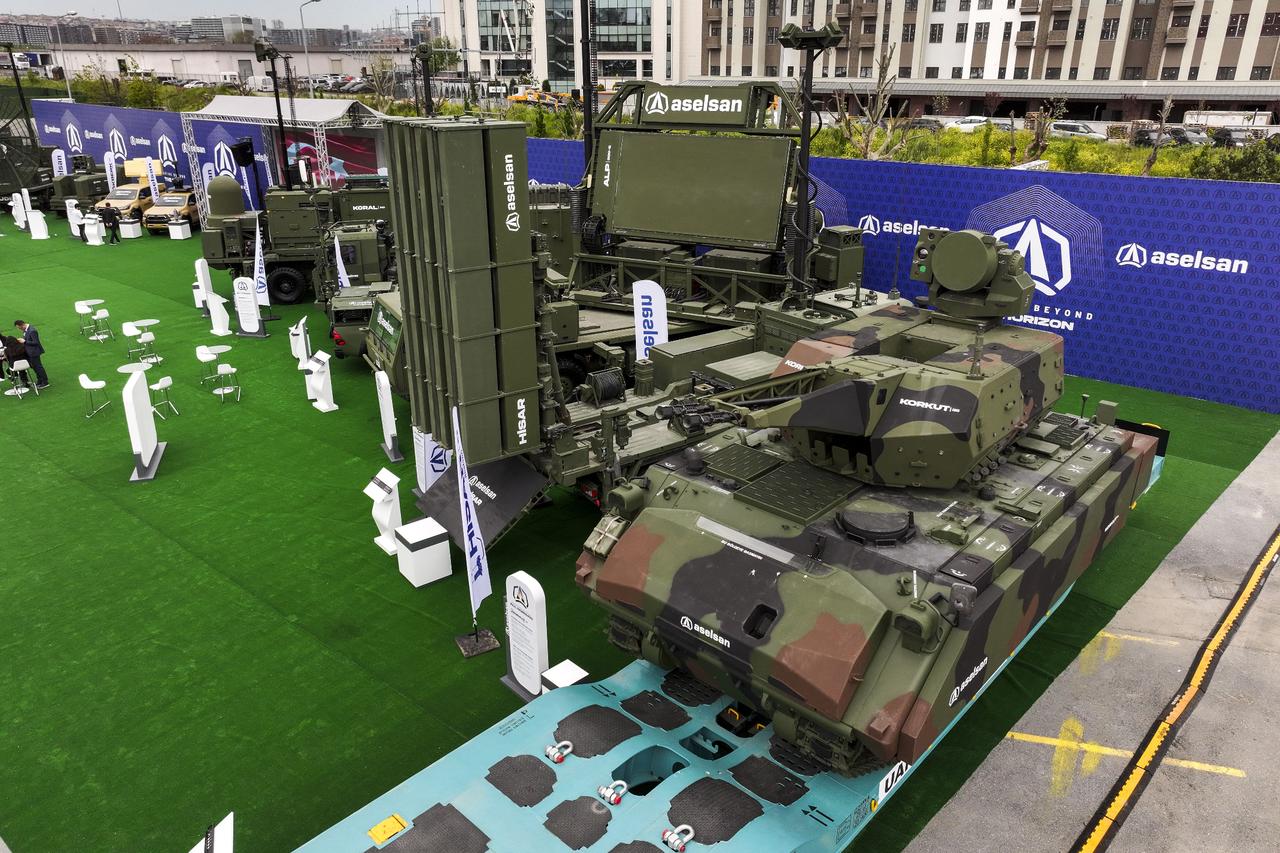


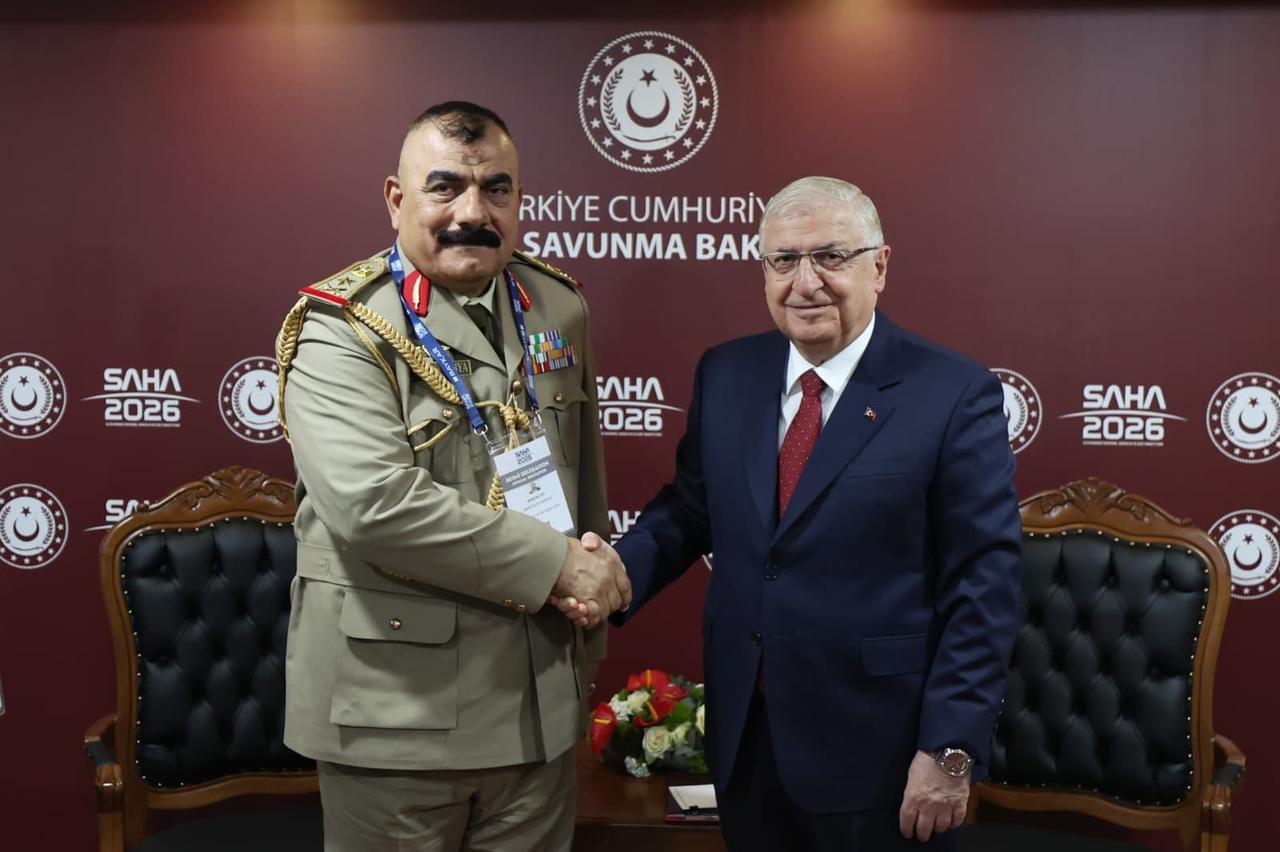
Iraq has finalized a contract to purchase 20 air defense systems from Turkish state defense manufacturers, Iraq's Deputy Army Chief of Staff for Operations Lt. Gen. Saad Harbiye told The National on the sidelines of the SAHA 2026 defense exhibition in Istanbul.
The Iraqi military official described the deal as a direct response to widespread drone and missile strikes that exposed Baghdad's vulnerability during the Iran war.
"New air defenses against drones have become really important for Iraq," Harbiye said, adding, "Turkish defense systems are top-notch and low-cost, and we are their neighbor."
A contract has been signed, as Iraqi and Turkish officials reportedly finalized financial details during the SAHA 2026 fair.
Harbiye declined to disclose the deal's value or the specific Turkish companies involved, confirming only that they were state-owned enterprises.
He met with Turkish Defense Minister Yasar Guler during the show, a meeting the Turkish Defense Ministry confirmed.

Harbiye said the skies of Iraq had been "filled with drones" during the conflict, and that the new systems were specifically intended to intercept projectiles targeting oilfields, diplomatic missions and other critical sites.
He noted that while the idea of acquiring Turkish air defenses predates the war, the continuous drone and missile strikes since late February have made the procurement an urgent priority.
"Parties to the conflict wanted to get Iraq involved in this war, which is not its war," he said.
The war placed Iraq in a difficult position, as it was attacked from multiple directions: the U.S. and Israeli strikes hit sites linked to Iran-backed Iraqi armed groups across the country, while Iranian drones and missiles struck oilfields, a hotel in central Baghdad, housing diplomatic missions, and armed groups' bases in the Iraqi Kurdish region, where scores of Iraqis were killed.
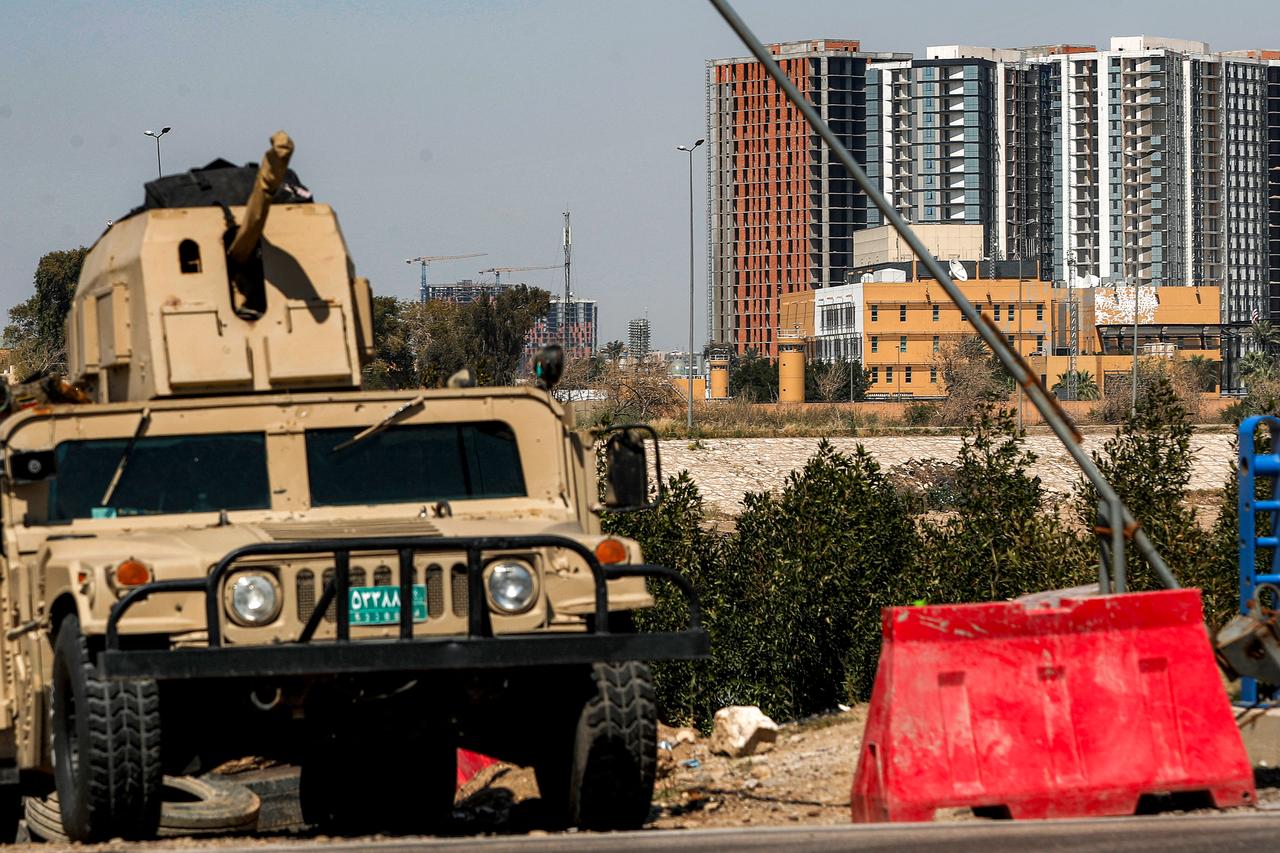
Harbiye highlighted the cost disparity that makes drone defense so economically challenging, saying many existing systems use interception missiles "worth $1 million to shoot down a drone costing $10,000."
The Turkish systems would allow Iraq to defend its territory against drone threats without the prohibitive expense of traditional air defense munitions. "We have concentrated on this," he said, adding that Iraq is also "exploring closer cooperation with Türkiye on cybersecurity."
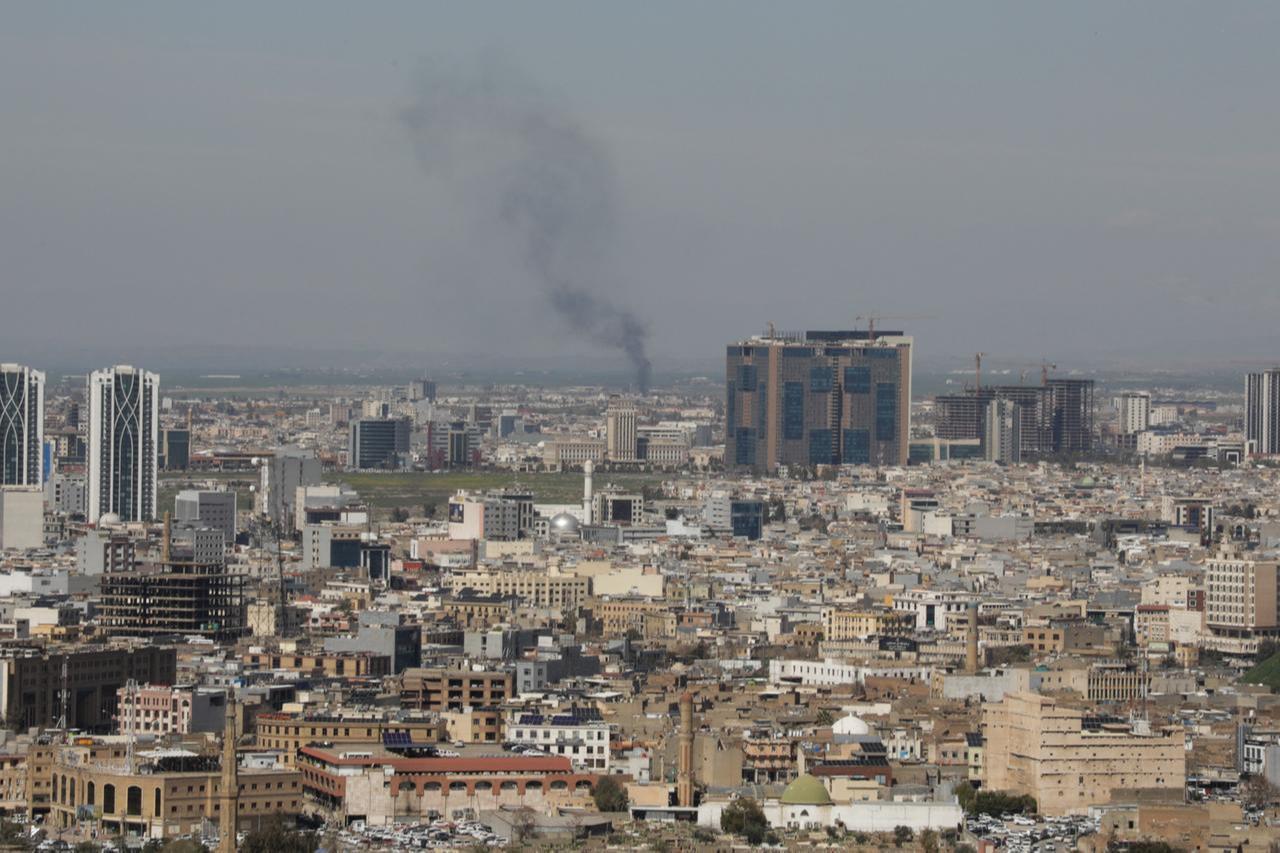
The deal reflects a broader warming of Iraq-Türkiye relations after years of tension over the terrorist organization PKK's presence in northern Iraq, as well as on the issues of water management and oil exports.
Both countries also share an interest in preventing a Daesh resurgence. Harbiye said Daesh members remain present in Mosul, Anbar, and Kirkuk provinces but in "very small" numbers, adding that military communications intercepts had not detected any significant Daesh activity in recent months.
"We haven't heard them communicating," he said.


 Set as preferred source
 Set as preferred source


 6 min read