Newsletters


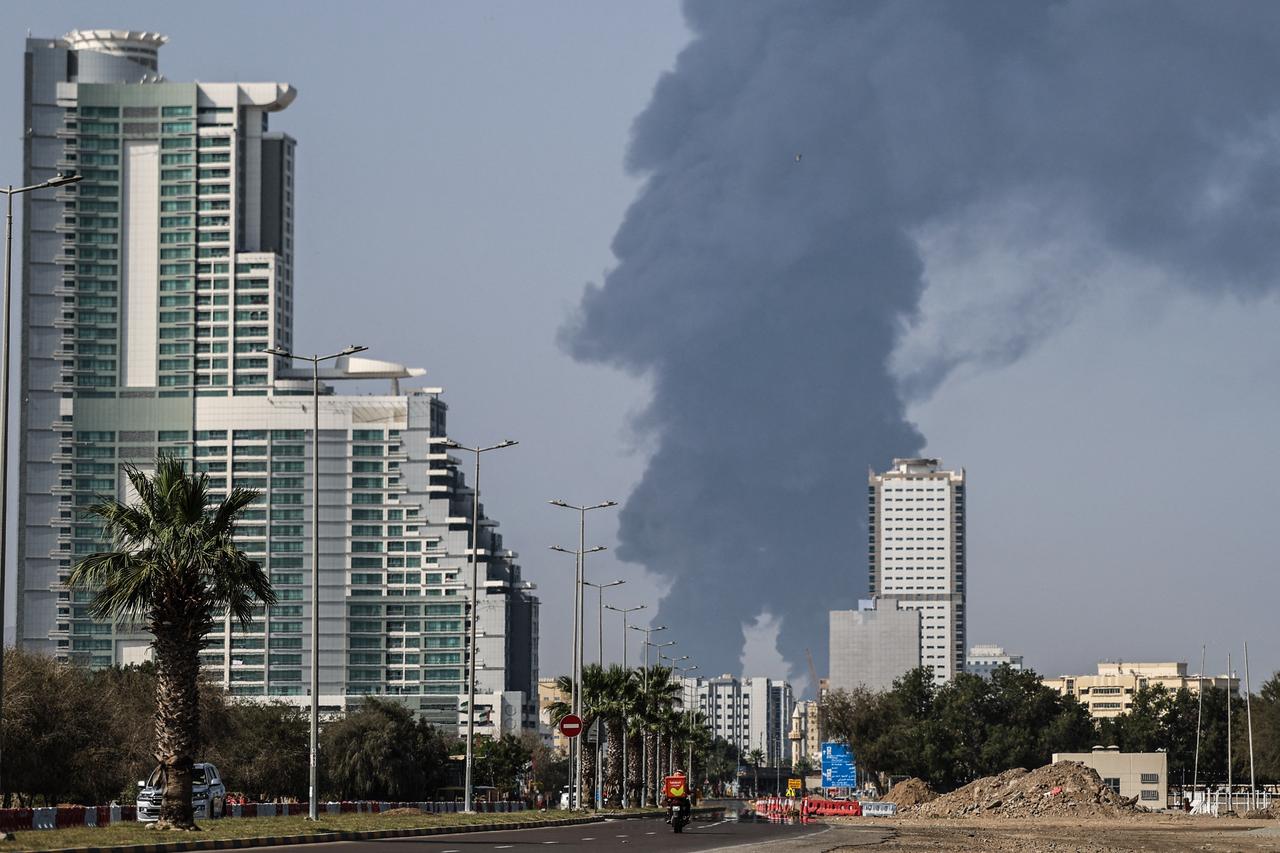


The United Arab Emirates (UAE) will reassess its regional and international relationships to determine which partners can "be relied upon" after bearing the heaviest toll of Iran's retaliatory missile and drone campaign, UAE Presidential Advisor Anwar Gargash says.
Meanwhile, Türkiye's state-run Anadolu Agency (AA) tally showed Iran launched at least 6,413 missiles and drones against seven Arab countries over 41 days, with attacks continuing through the first two days of the ceasefire.
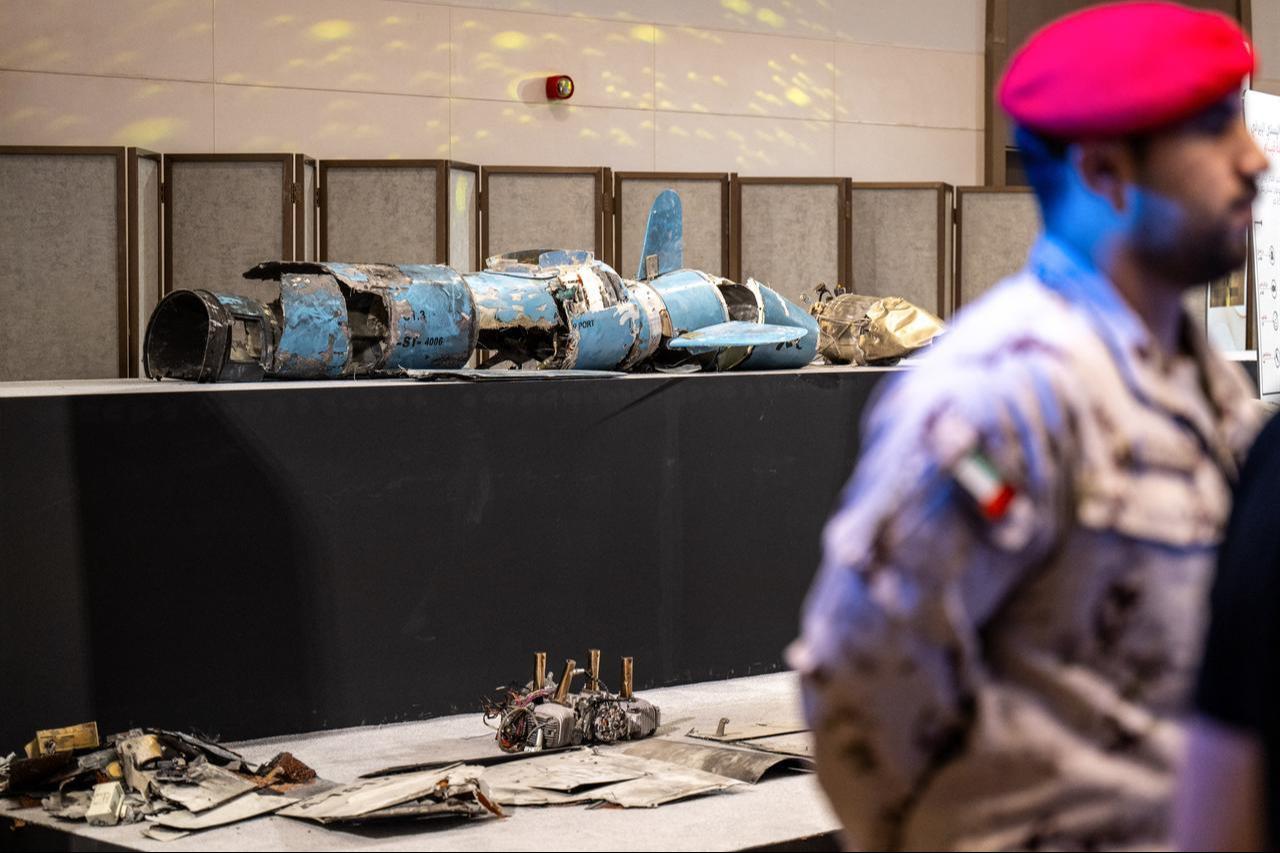

Gargash posted the assessment on X, framing the alliance review as a matter of strategic necessity.
"With the confidence of one who has triumphed over a perfidious assault, we will scrutinise the map of our regional and international relations with precision and determine who can be relied upon, including the structuring of an economy and financial system that bolsters the resilience of our model," Gargash wrote.
He added that it was "premature to draw lessons from the treacherous Iranian aggression" but that the UAE would still work to enhance its defense capabilities.
"The rational review of our national priorities is our path to the future," he said.
Last month, Gargash criticized major Arab and Islamic nations for failing to support Gulf Arab countries.
"The Arab Gulf states were a support and partner to all in times of prosperity… so where are you today in times of hardship?" he said at the time.
Gargash also told CNN this week that Abu Dhabi would "double down on our relationship with the United States" and expects "Israeli influence become more prominent in the Gulf, not less."
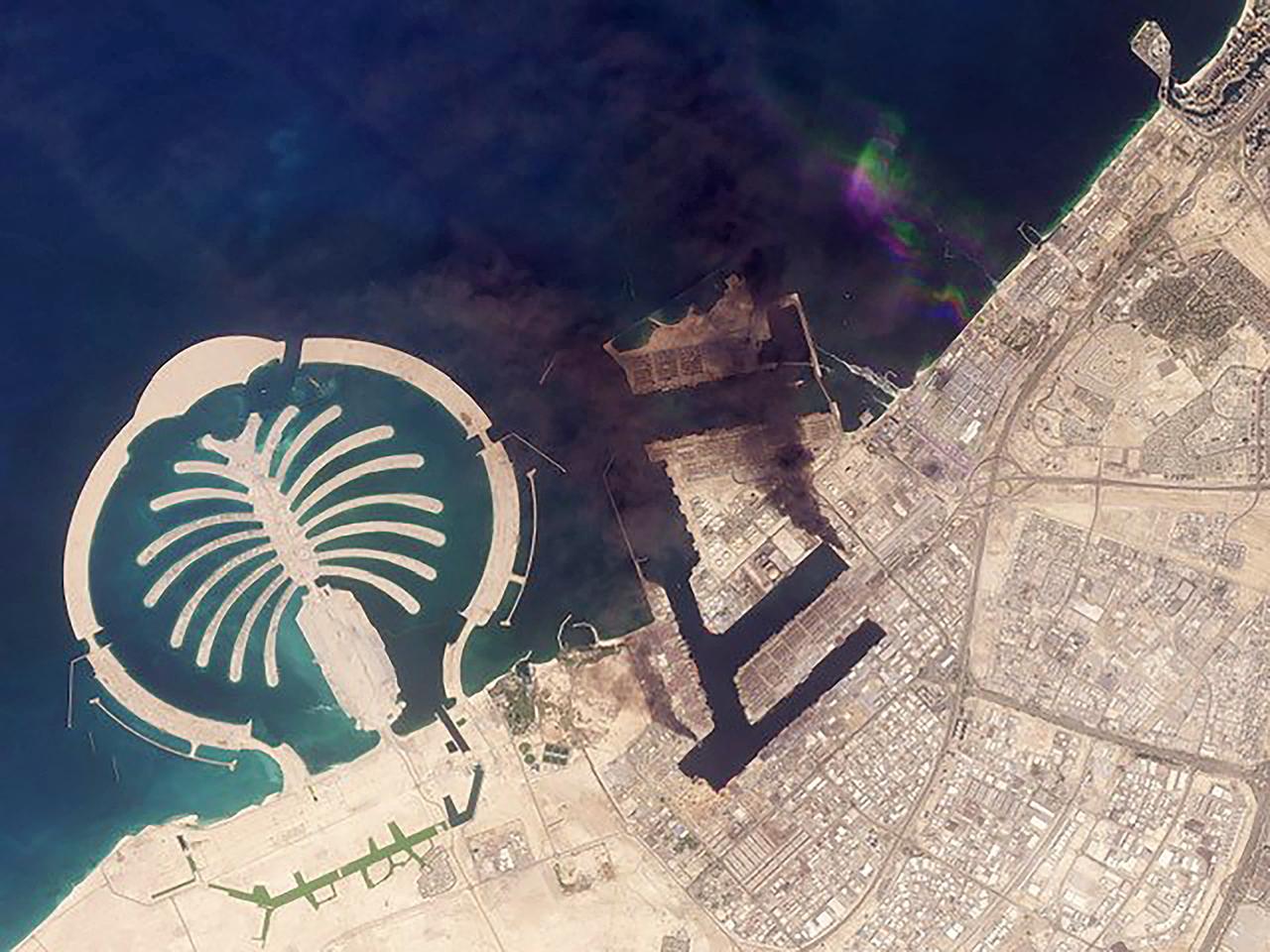
The UAE Ministry of Defense said it intercepted a total of 563 missiles, including 537 ballistic missiles and 26 cruise missiles, along with 2,256 drones, since Iran's retaliatory attacks began, with no new incidents recorded on Thursday.
The UAE recorded the highest number of attacks on its territory of any Gulf state throughout the 41-day conflict, followed by Kuwait, Saudi Arabia, Bahrain, Qatar and Jordan, while Oman recorded the lowest.
Iran launched at least 6,413 missiles and drones against seven Arab countries over the 41-day conflict, in addition to an attack involving two fighter jets, according to an Anadolu tally compiled from official data and statistics as of 2155 GMT Thursday.
Kuwait's military said it intercepted 369 missiles, including 354 ballistic missiles and 15 cruise missiles, and 848 drones since Tehran's attacks began, with drones targeting vital facilities on Thursday.
Bahrain's Defense Force said it intercepted 194 missiles and 515 drones, indicating seven new drones on Thursday.
Saudi Arabia intercepted at least 104 missiles and 916 drones, based on Defense Ministry data and the Al-Ikhbariya channel.
Qatar was targeted by at least 227 missiles, 111 drones and two fighter jets, based on Defense Ministry data.
Jordan recorded 291 missiles and drones since the war began, according to Jordanian military data.
Oman was targeted by at least 19 drones, based on Oman News Agency data.
Iran launched 141 missiles and drones on the first day of the ceasefire, Wednesday, targeting the UAE with 17 missiles and 35 drones, Saudi Arabia with five missiles and nine drones, Kuwait with 28 drones, Qatar with seven missiles and a number of drones, and Bahrain with six missiles and 31 drones.
On Thursday, the second day of the ceasefire, Iran targeted Bahrain and Kuwait with 10 drones, seven toward Bahrain and at least three toward Kuwait.
Iran denied the post-ceasefire strikes on Friday. The IRGC said Iran's armed forces had not carried out any launches toward any country during the ceasefire, stressing that any strike by Iranian forces would be officially announced and that any unclaimed action does not belong to Iran.
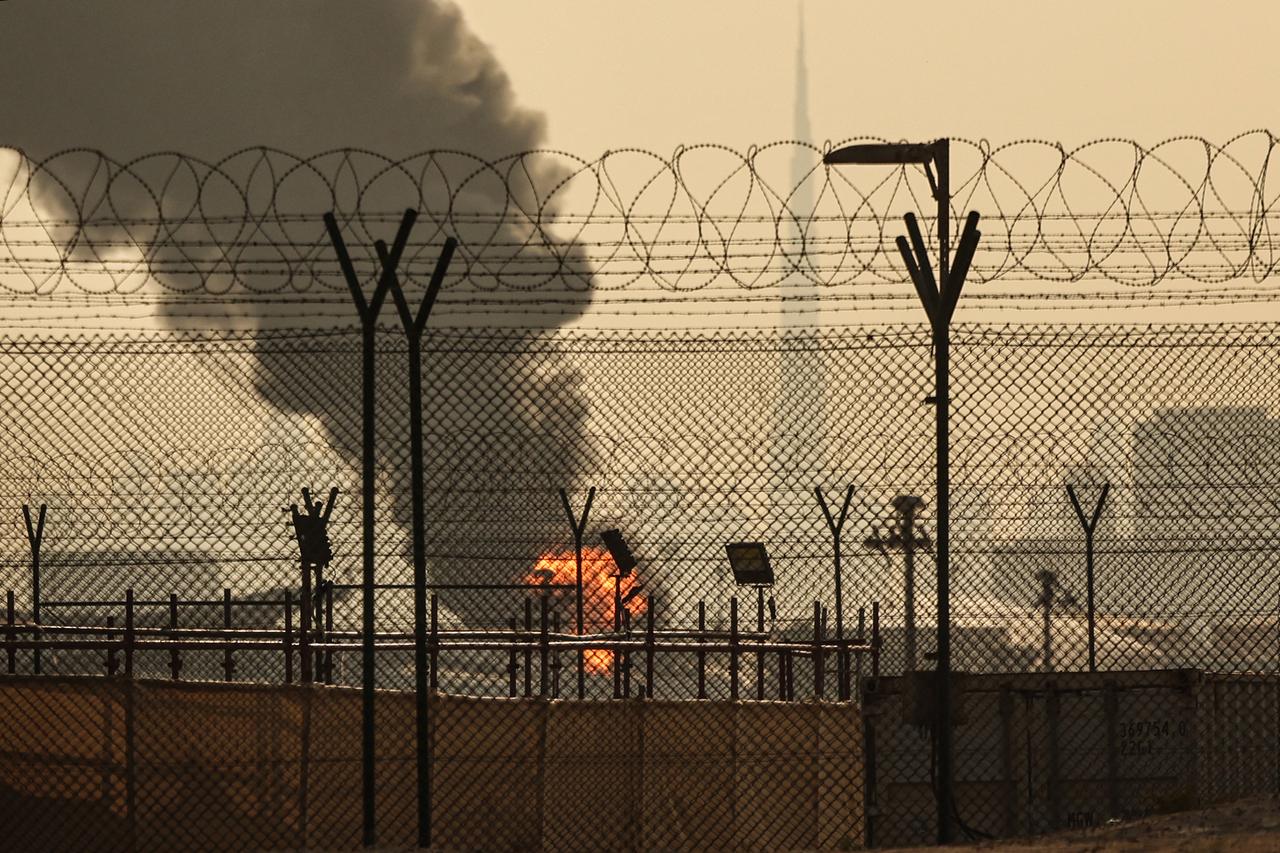
Gulf nations say they cannot tolerate Iran retaining control over the Strait of Hormuz, through which most of their trade flows. Iran insisted during ceasefire negotiations that it would retain the hold it took over the waterway during the war, allowing Tehran to throttle Gulf commerce at will.
The future of the Strait is expected to be one of the main disputes in U.S.-Iran negotiations in Islamabad.
The U.S. and Iran announced a two-week ceasefire on Tuesday, brokered by Pakistan. Since Feb. 28, U.S. and Israeli strikes on Iran have killed more than 3,000 people, including then-Supreme Leader Ali Khamenei.


 Set as preferred source
 Set as preferred source


 1 min read

 1 min read