Newsletters


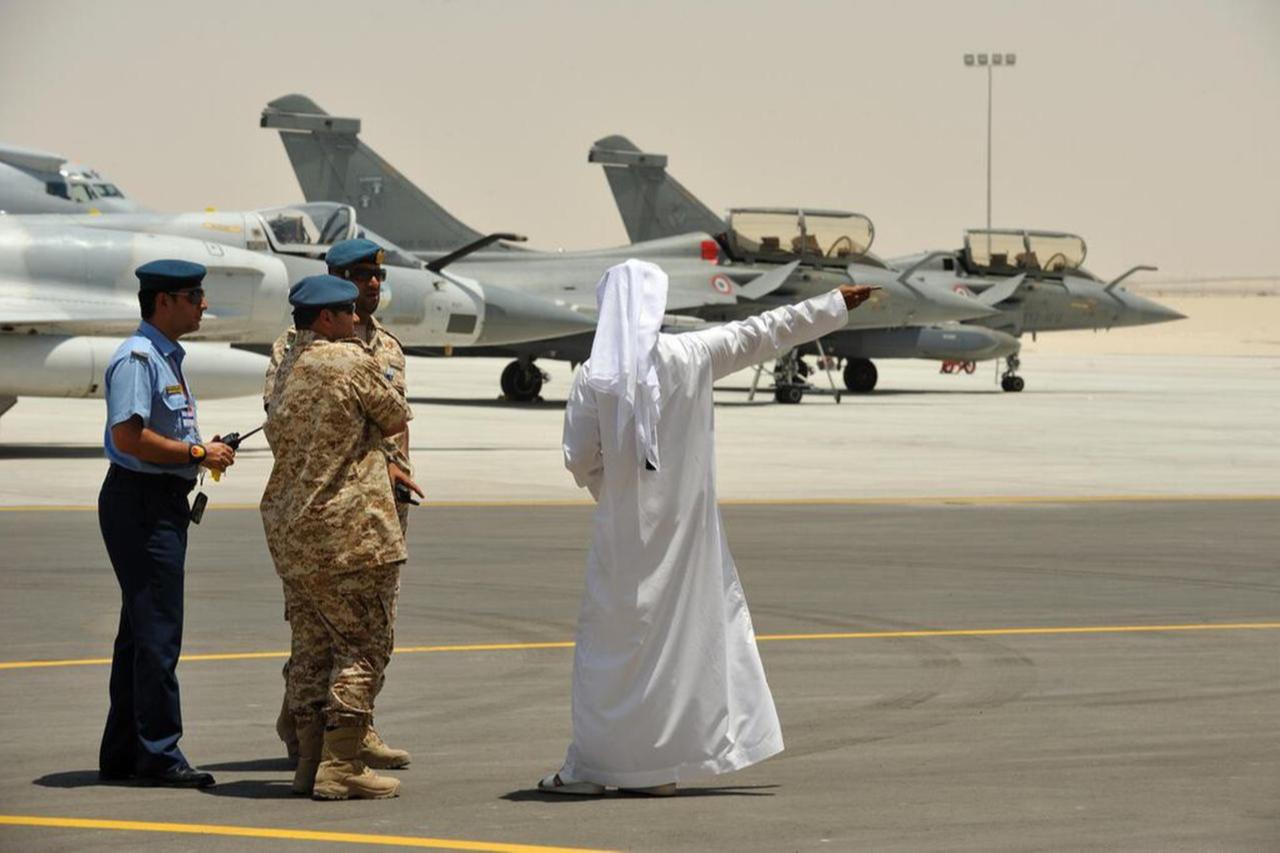


The United Arab Emirates emerged Wednesday as a suspected offensive actor in the widening Gulf conflict, with multiple Iranian sources and open-source military analysts pointing to UAE Air Force Mirage 2000-9 fighter jets as the platform behind a strike on Iran's Lavan Island oil refinery, hours after a US-brokered ceasefire was supposed to have halted hostilities.
Abu Dhabi has not confirmed or denied the allegation, but the circumstantial case circulating in defense intelligence communities is substantial enough to have triggered an immediate Iranian retaliatory response against Emirati territory.
Photographs circulating on social media Wednesday purportedly showed one of the UAE's Mirage 2000-9s involved in the operation. While the images have not been independently verified, analysts noted that the aircraft type is both operationally confirmed as active that morning and technically suited to exactly this kind of mission.
The UAE Ministry of Defence confirmed earlier in the day that its Mirage jets had been scrambled, framing their role as intercepting incoming Iranian drones and missiles. Whether those same sorties also included offensive tasking against Lavan remains the central unanswered question.
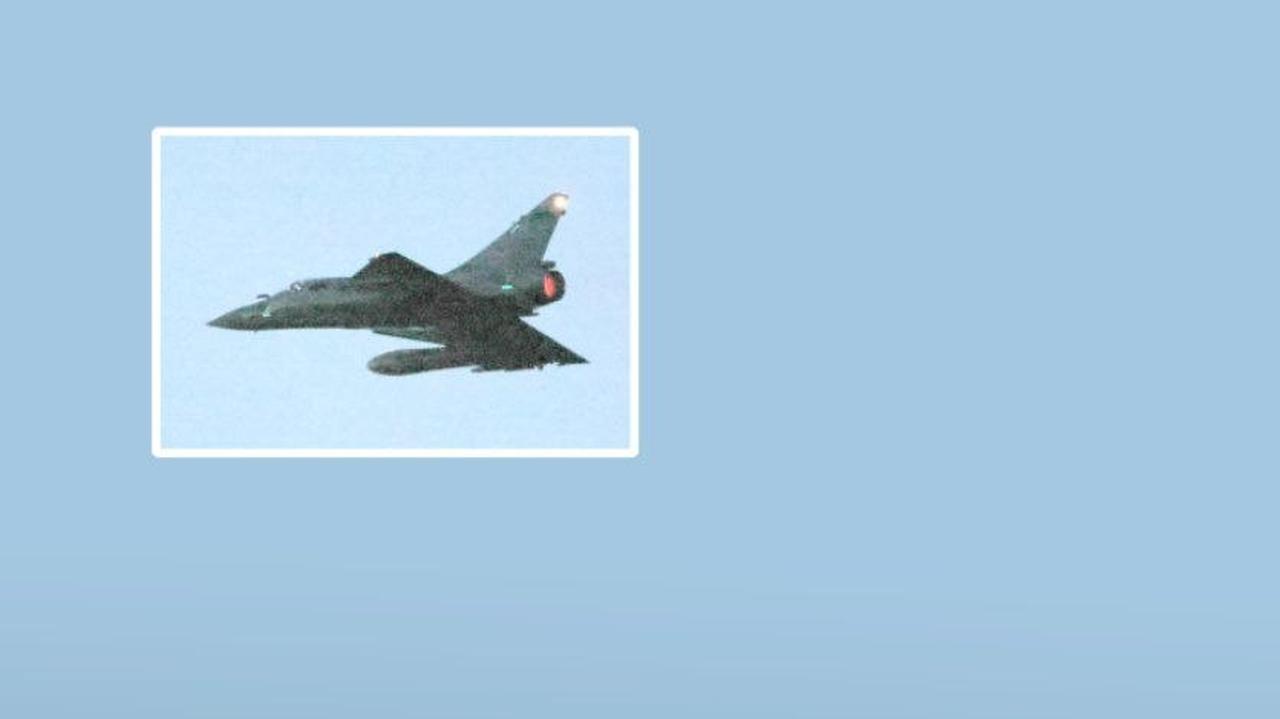

The Mirage 2000-9 is the most capable export variant of Dassault's long-running Mirage 2000 family, and the UAE's fleet represents the type at its operational peak. Abu Dhabi signed a 3.2 billion dollar contract in 1998 for 32 newly-built aircraft and the upgrade of 30 older airframes to the same standard, giving the Emirates one of the most advanced Mirage fleets ever operated.
The aircraft is equipped with the Shehab laser targeting pod, the RDY-2 synthetic aperture radar with synthetic aperture and moving target indicator modes, a fully integrated IMEWS electronic warfare suite described by analysts as comparable to the most advanced systems on any fourth-generation fighter, and the Black Shaheen cruise missile, a variant of the MBDA Apache capable of precision standoff strikes.
Defense analysts have described the 2000-9 as representing the Mirage airframe pushed to its absolute technological ceiling, sitting closer in capability to a Rafale than to earlier Mirage variants. Lavan Island lies within comfortable operational range of UAE airspace.
The UAE has a documented history of conducting deniable or unacknowledged strike operations with this aircraft. A 2019 United Nations investigation concluded that a guided bomb attack on a migrant detention facility in Tajoura, Libya, was most likely carried out by a foreign Mirage 2000, widely attributed to the UAE, a finding Abu Dhabi never formally acknowledged.
Iranian state television attributed the Lavan strike explicitly to a ceasefire violation, while the NIORDC called it "a cowardly attack by the enemies." The Islamic Republic News Agency was more direct, pointing to the UAE in its framing of the retaliatory operations that followed. Within roughly an hour of the Lavan attack, Iran's IRIB reported that drone and missile strikes had been launched against the UAE and Kuwait in direct response.
The retaliation was substantial. Kuwait's armed forces said they engaged 28 Iranian drones between 08:00 and 13:00 local time, some targeting oil installations, power stations, and water desalination infrastructure in the country's south, causing what the military described as significant material damage.
The UAE said its air defense systems were simultaneously intercepting ballistic missiles, cruise missiles, and unmanned aerial vehicles. Fires broke out at Abu Dhabi's Habshan gas complex after interception debris fell on the facility. Bahrain reported drone activity as well, with two citizens sustaining minor injuries from shrapnel in the Sitra area.


 Set as preferred source
 Set as preferred source


 1 min read
 1 min read