Newsletters




The United Arab Emirates tried unsuccessfully to persuade neighboring Gulf states, including Saudi Arabia and Qatar, to join a coordinated military response to Iranian strikes after the U.S. and Israel began bombing Iran on Feb. 28, Bloomberg reported.
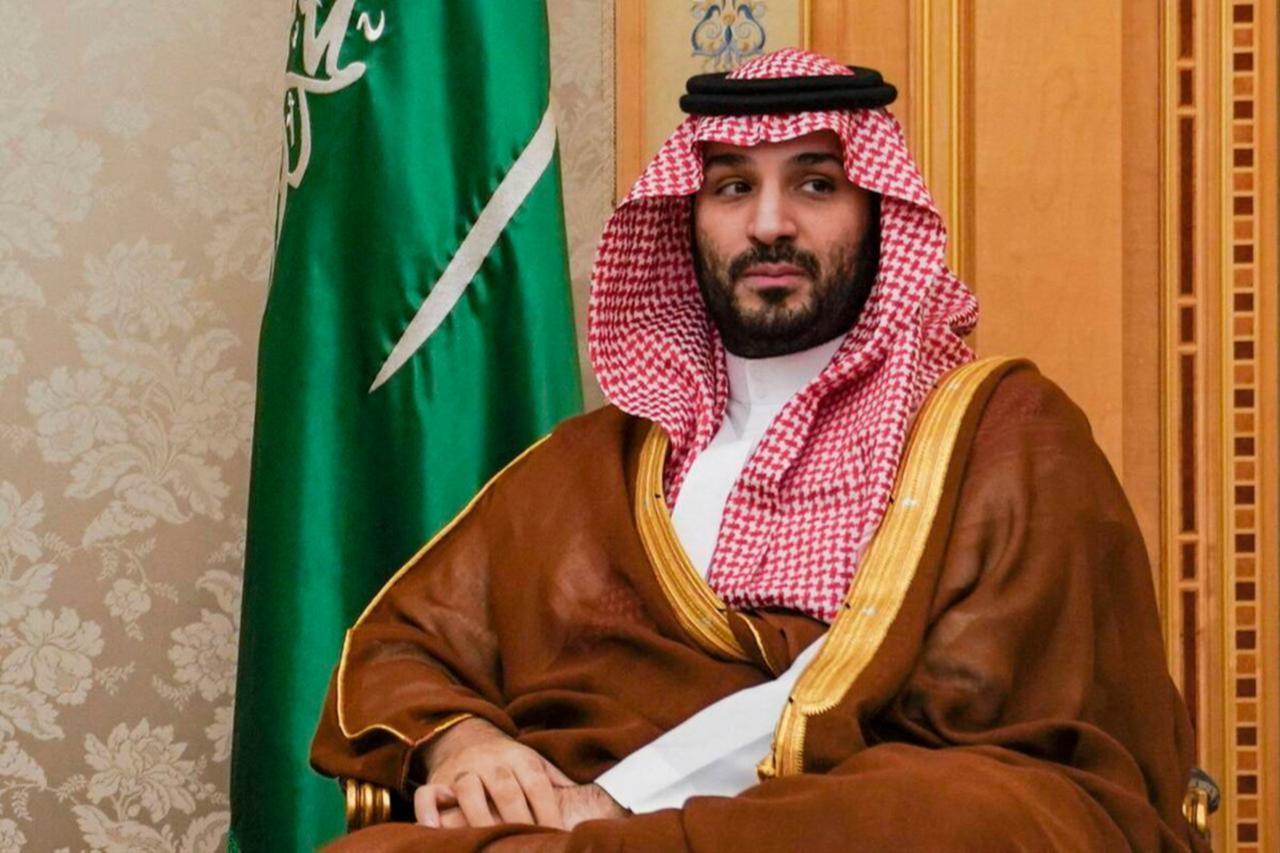
UAE President Sheikh Mohammed bin Zayed held a series of calls with regional leaders, including Saudi Crown Prince Mohammed bin Salman, shortly after the U.S.-Israeli attacks began, people cited in the Bloomberg story said, speaking on condition of anonymity.
The effort failed after Gulf Arab counterparts told the UAE president that the confrontation was not their war, according to one person familiar with Abu Dhabi’s thinking.

Sheikh Mohammed, widely known as MBZ, was convinced that a group response was needed to deter Iran, the people said.
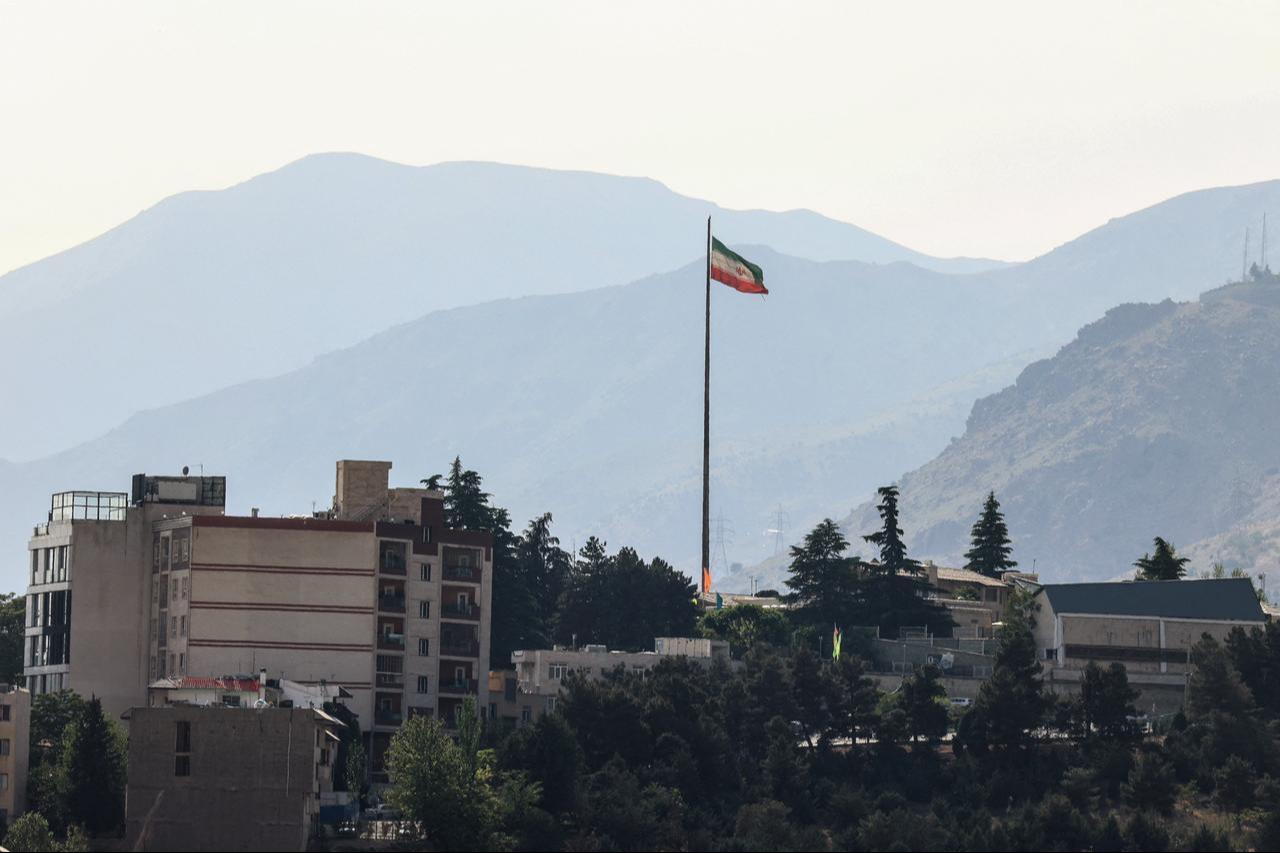
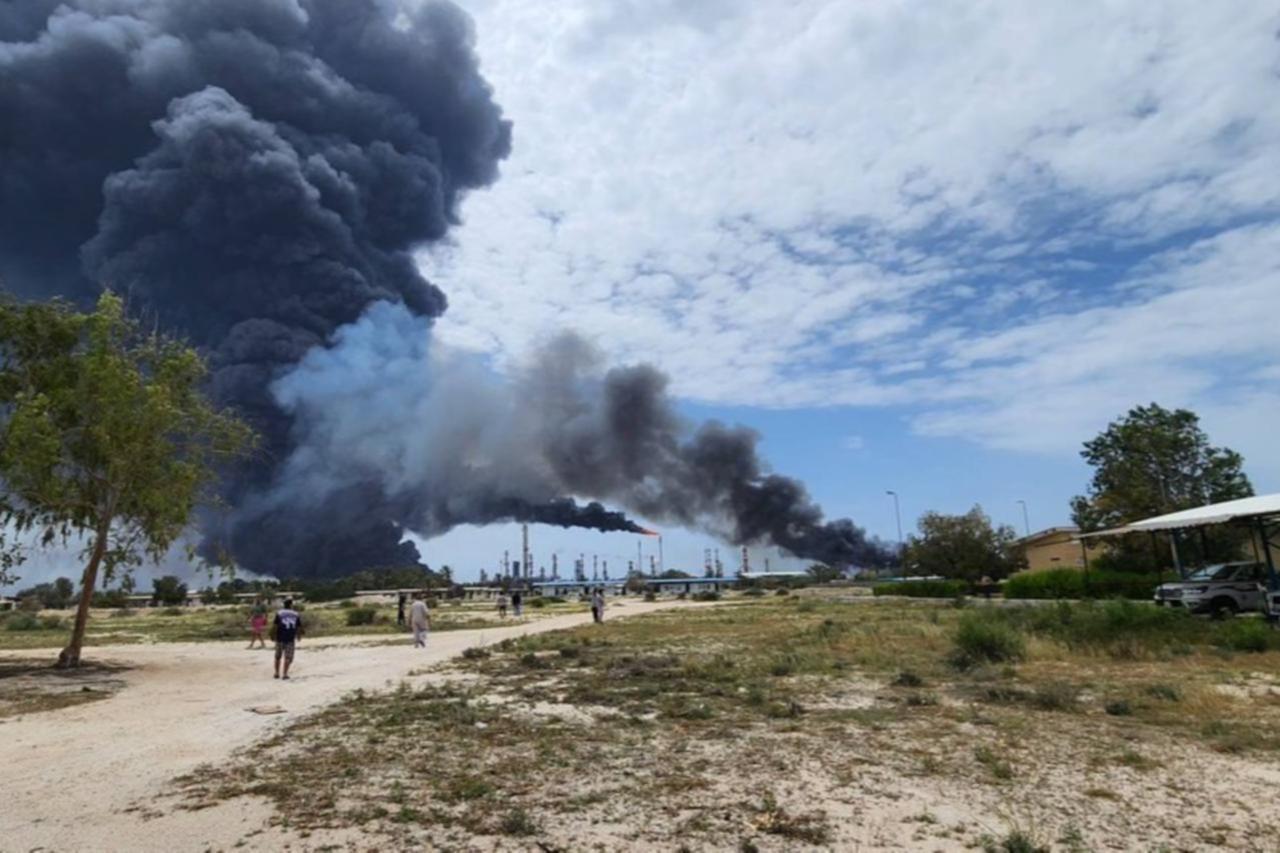
Iran responded to the U.S.-Israeli attacks by firing hundreds of drones and missiles at Gulf countries, targeting ports, airports, residential towers and hotels across the region, according to the report.
Tehran also all but closed the vital Strait of Hormuz, forcing Gulf states to curb oil and natural gas production and affecting their finances.
During the calls, MBZ reminded his counterparts that the Gulf Cooperation Council, a six-country body, was founded in 1981 specifically because of threats posed by Iran’s Islamic revolution two years earlier, one person said.
However, while MBZ moved quickly to work with U.S. President Donald Trump’s administration and Israel, his Gulf Arab counterparts declined to join the coordinated military response.
The failed coordination effort worsened an already tense relationship between the UAE and Saudi Arabia, according to the report.
The previously unreported details help explain Abu Dhabi’s anger with fellow Arab states, Bloomberg reported, as well as its closer relations with Israel.
The UAE carried out limited attacks against Iran without Gulf support starting in early March and again in April, according to people familiar with the matter.
Abu Dhabi later shocked the oil world by leaving OPEC in late April. The cartel is led by Saudi Arabia.
The UAE is also reviewing its membership in regional bodies, including the GCC.
Beyond tensions caused by the Iran war, the UAE and Saudi Arabia are economic rivals and have also been at odds over conflicts in Yemen and Sudan.


 Set as preferred source
 Set as preferred source


 1 min read
 1 min read