Newsletters




Diplomatic Adviser to the President of the United Arab Emirates Anwar Gargash delivered a sweeping indictment of the Gulf region's collective security on Monday, declaring the Gulf Cooperation Council's response to Iran's attacks as "the weakest in history."
He said that all the containment policies of the Gulf countries toward Iran had "failed miserably" and that the region now faced "a profound crisis of confidence that will extend for decades."
Gargash also said that Iran's assault was "premeditated and planned, not a decision made in 24 or 48 hours."

Gargash was direct in his criticism of Gulf partners.
"The GCC's stance was the weakest historically, considering the nature of the attack and the threat it posed to everyone. When I speak about the GCC, I'm not talking about the secretary general or the secretariat, I'm talking about the member states," he said.
He said that he expected such a weak stance from the Arab League but "not from the GCC," and that it caught him by surprise.
Gargash rejected any framing of Iran's attacks as reactive.
"This folly, this ferocity, this indiscriminate attack is clearly premeditated. This was a premeditated plan, not a decision made in 24 or 48 hours. Iran's attack on its Arab neighbors is a planned attack, part of a confrontation scenario devised by Iranian planners, who built the necessary fortifications and armed themselves accordingly," he said.
He noted that agreements had been in place that U.S. military bases in the region would not be used to launch strikes on Iran and that Tehran had deliberately chosen confrontation despite those assurances.
Gargash said the war had definitively exposed the failure of the Gulf's diplomatic strategy toward Iran.
"Every Gulf state has pursued a policy of containing Iran, and all of those containment policies have failed. Whether this containment took the form of mediation, participation in shared energy fields, strategic agreements, or, as in the case of the UAE, through trade relations. They have failed miserably. And today we are facing an important reassessment," he said.
 1 min read
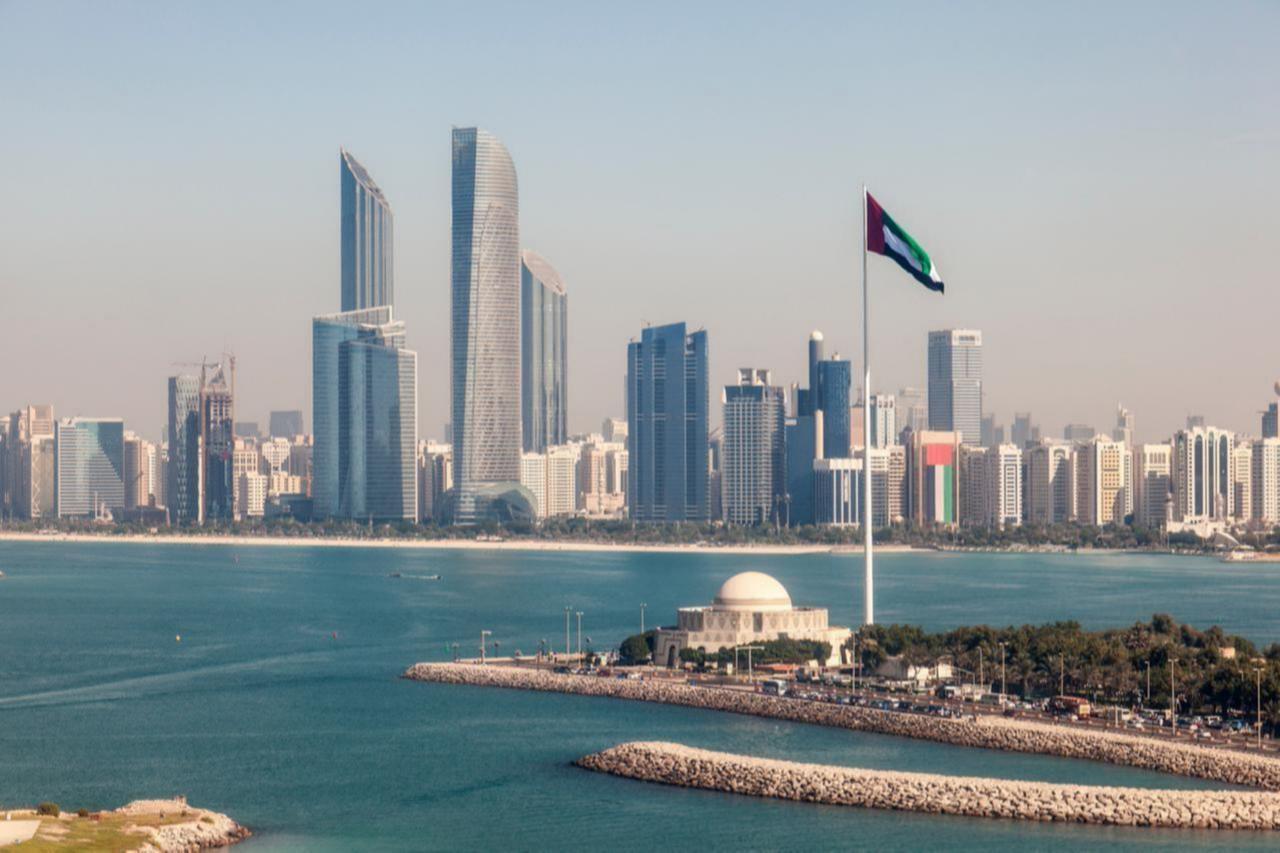
Gargash said the damage to Iran-Gulf trust was structural and generational.
"We are facing a profound crisis of confidence today, one that I believe will extend for decades to come. Trust, in my view, requires a great deal of work and will take many years. Until that happens, don't be deceived by the statements you hear, statements that may contain a degree of courtesy," he said.
He dismissed the Iranian Foreign Minister Abbas Araghchi's characterization of Gulf states as "dear neighbors" as unacceptable.
"It's simply unacceptable to hear the Iranian foreign minister say, 'We are dear neighbours.' This issue cannot be addressed with a series of statements as if nothing has happened."
"Imagine if Iran had nuclear military capabilities in this war. Iran is acting like a superpower even without nuclear weapons," he warned.
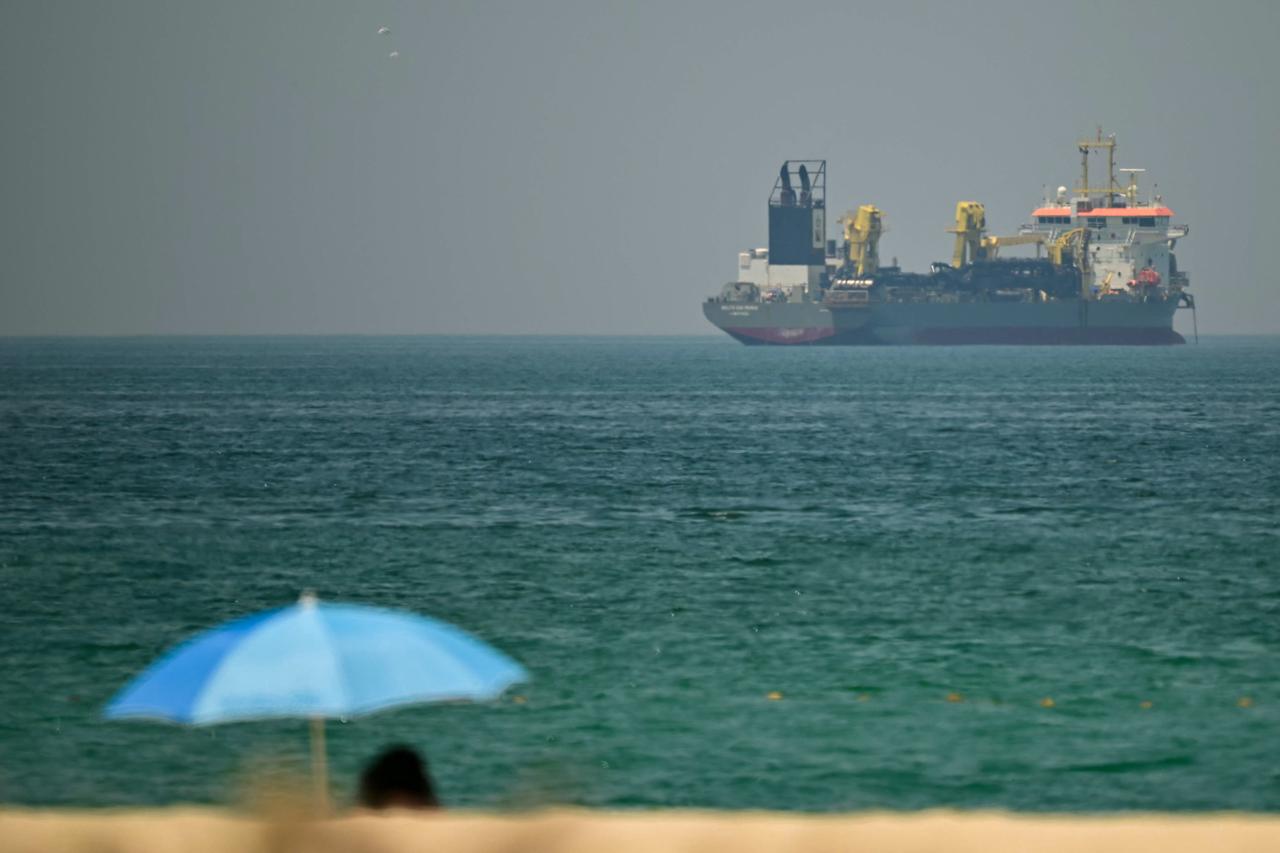
Gargash said the war had reinforced rather than diminished U.S. strategic relevance in the Gulf.
"The American role in the region has become more important, not less. It isn't just about military facilities; it is a defense system, political support, and economic and financial engagement," he said.
On the UAE's recovery, he said certain sectors, including tourism, had "suffered a significant blow" but that the UAE's fundamentals, a diversified economy, robust institutions, and strong leadership, remained sound.
"I know that in the UAE, the decision has been made to invest heavily in infrastructure to mitigate the risks we saw during this war," he concluded.


 Set as preferred source
 Set as preferred source


 1 min read