Newsletters


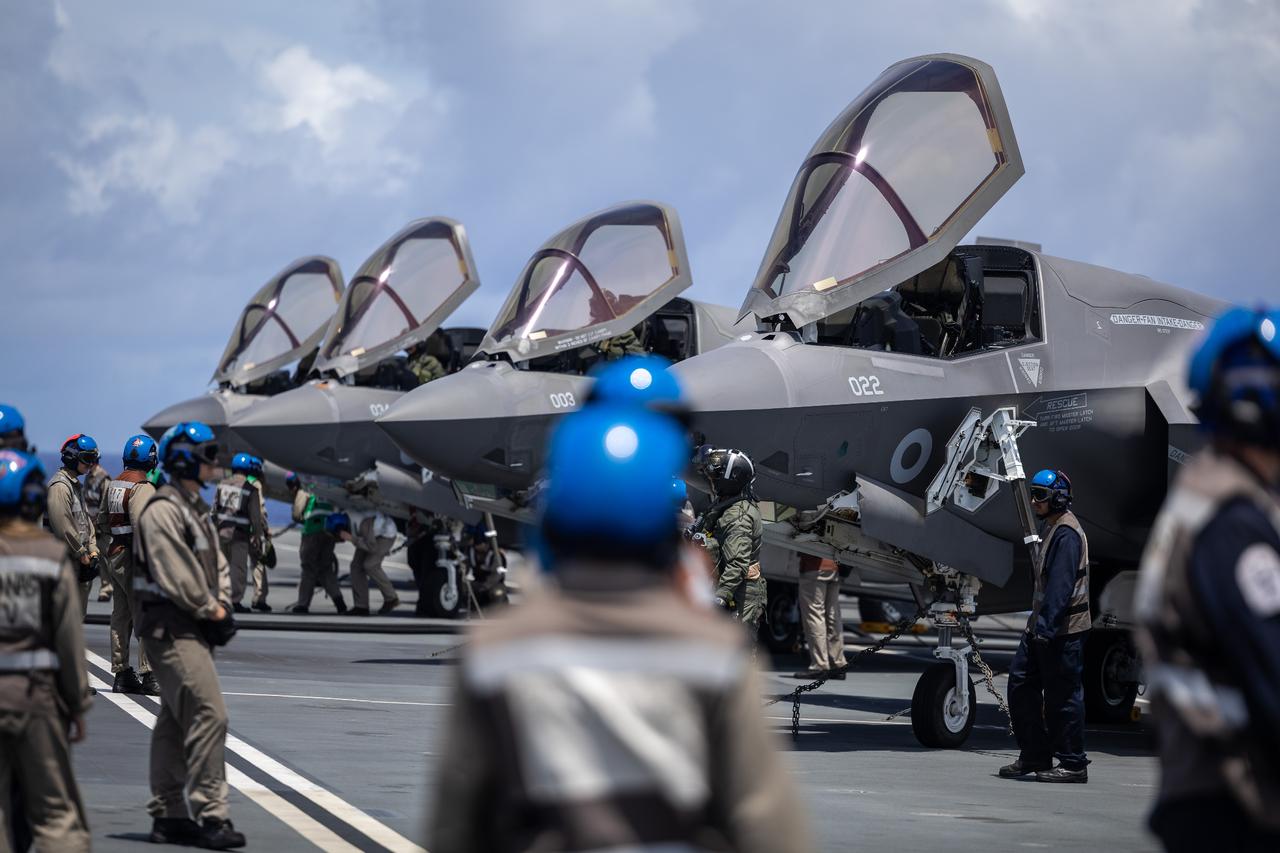


Talks within the British government over how much to spend on defense remain unresolved, Culture Secretary Lisa Nandy confirmed Sunday, days after the shock resignation of Defense Secretary John Healey exposed a deep rift between Downing Street and the Treasury over military funding.
The resignation came just weeks before a NATO summit in Ankara, where U.S. President Donald Trump is expected to press allies to dramatically increase their defense spending.
"These discussions are ongoing," Nandy told BBC Television, adding that new Defense Secretary Dan Jarvis is reviewing the Defense Investment Plan (DIP) "in current draft form and having those discussions with the chancellor and the prime minister as well."
She confirmed she is also in talks with officials in her own department about redirecting funding toward defense.
The disclosures suggest that the plan Healey rejected, which he said would lift defense spending to only 2.68% of GDP by 2030, against his preferred target of 3%, is not yet settled policy and that Jarvis has room to renegotiate the terms before the plan's publication.
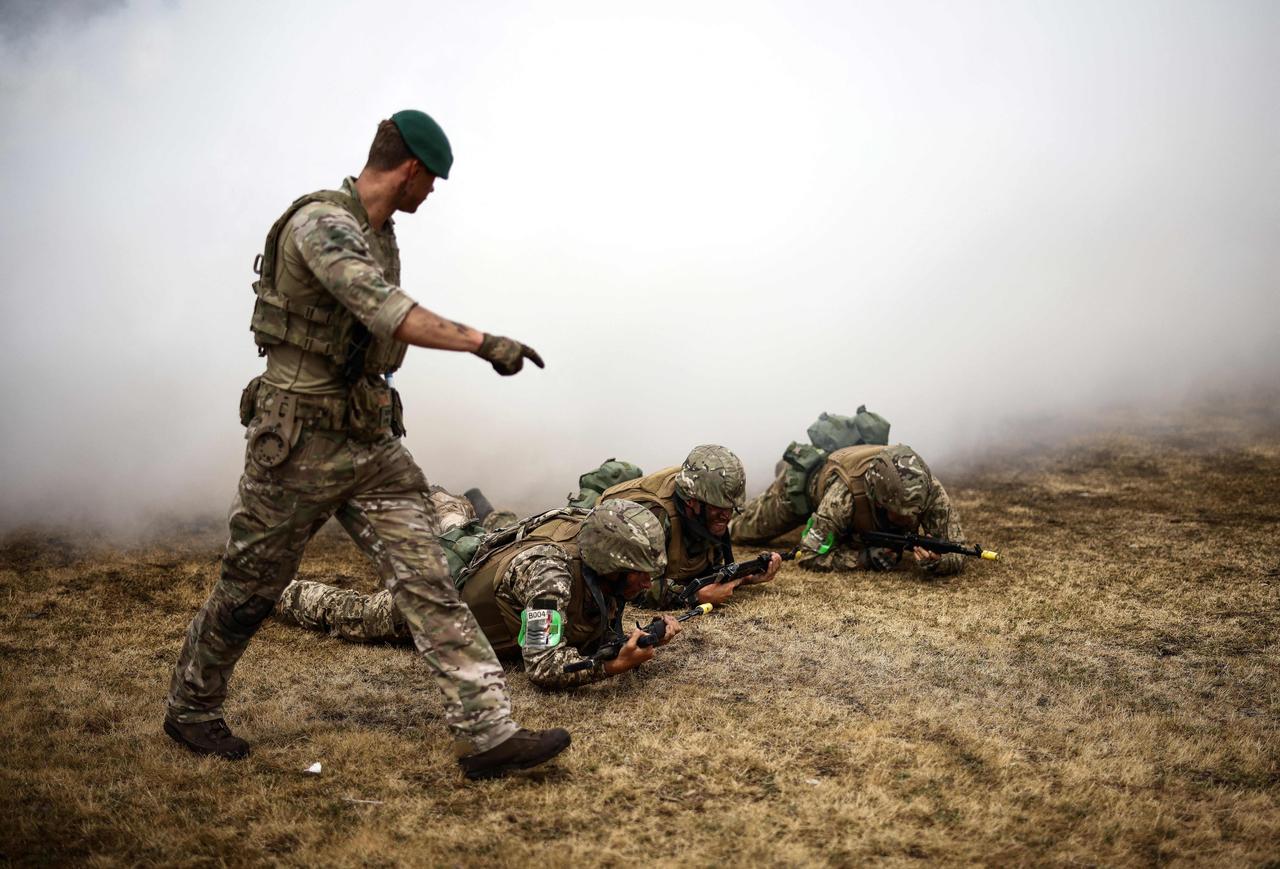

Healey, one of Labour's most consistently loyal ministers, resigned Thursday, accusing U.K. Prime Minister Keir Starmer of being "unable" and the Treasury of being "unwilling" to commit the resources needed to "defend the country at this time of rising threats."
He said the government's Defense Investment Plan would increase military spending by only £13.5 billion ($18 billion), representing just 0.08% of gross domestic product (GDP), and that extra support for defense is "backloaded" to the end of a decade-long timeline rather than front-loaded to address the immediate threat environment.
U.K. Armed Forces Minister Al Carns followed Healey out on Thursday evening.
In his resignation letter, Carns warned: "We are asking our Armed Forces to operate in a more dangerous world on a budget written for a calmer one. A serious country funds its defense to meet the threat it actually faces, not the threat it wishes it faced."
Parliamentary private secretaries Pamela Nash and Rachel Hopkins also resigned.
Carns added in a separate public post Friday that the next war "won't be won by armies, navies or air forces alone" but would depend on "whose factories can build drones in weeks, not years."
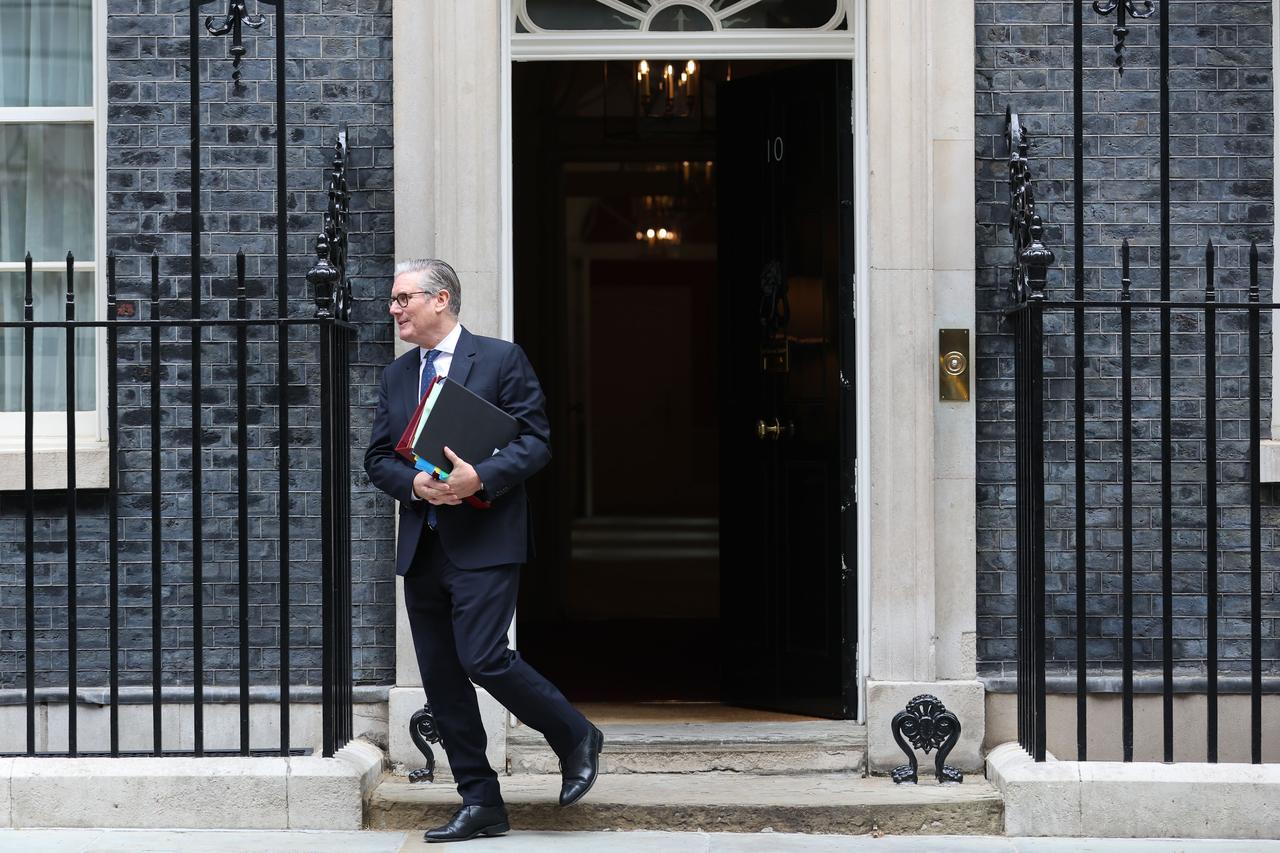
Starmer acknowledged the world is in a "dangerous and uncertain" time but defended his position, insisting the DIP would provide "the resources the military needs to keep us safe" and warning that "irresponsible borrowing" to fund higher spending would put public finances at risk.
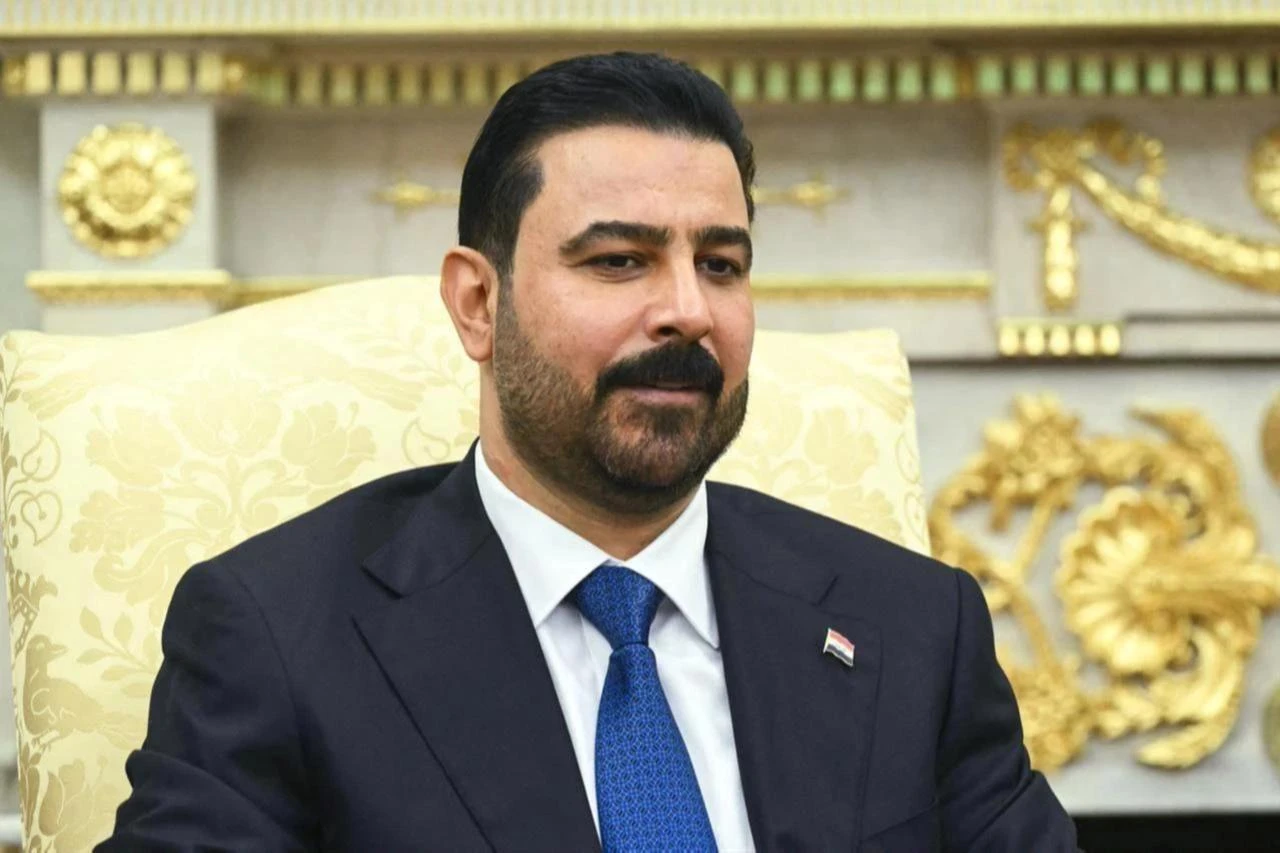
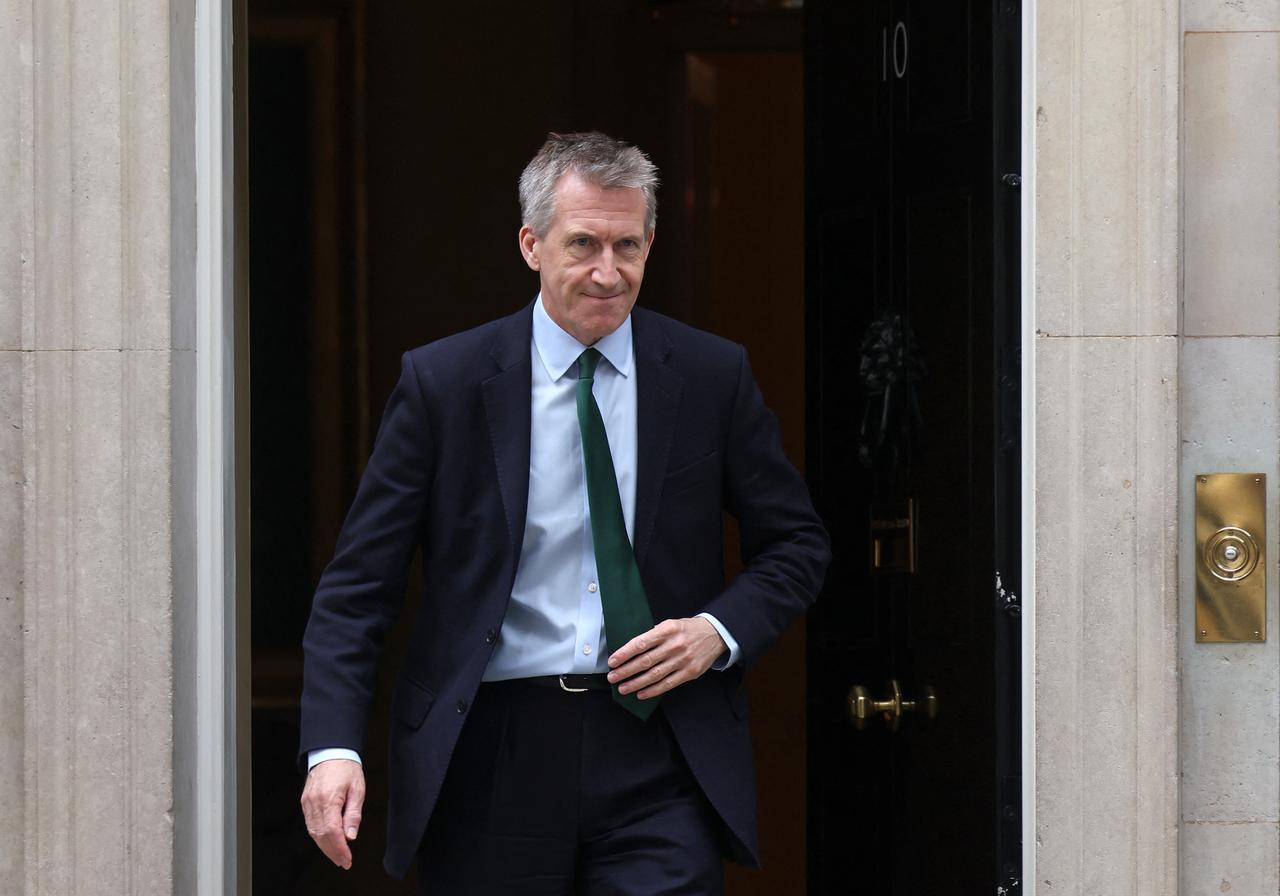
Jarvis, 53, a former major in the Parachute Regiment who served in Iraq, Afghanistan, Sierra Leone and Kosovo and became the first person since 1945 to leave the military to stand for Labour, was appointed Thursday night.
He told The Sunday Telegraph he is "absolutely determined to make sure that we deliver for defense" and that the government must "meet the moment."
Crucially, Jarvis declined to bind himself to the current draft.
"I think you will appreciate that this is pretty early days for me, and I'm working through the detail of all of that," he said.
"I have a responsibility now to them to make sure that they get what they need, and people should be very clear about my determination to fulfil those duties," Jarvis added.
Jarvis praised Healey as "an exceptional Secretary of State" who "inherited an Armed Forces that had endured 14 years of neglect," and said he intended to "keep marching forward."
The political crisis has renewed expert debate about what Britain's military actually needs to be fit for purpose. Fenella McGerty of the International Institute for Strategic Studies (IISS) told Agence France-Presse (AFP) that the current spending trajectory follows a "hockey-stick" profile, with most investment concentrated at the end of the decade rather than when threats are most acute.
Lord Sedwill, Britain's former national security adviser and head of the Civil Service, went further, arguing that "painful cuts" to existing capabilities were now unavoidable within the funding envelope on offer.
He told BBC Radio 4 that the U.K. can no longer sustain the concept of a "balanced" force across land, sea, and air and should instead move toward ruthless prioritization along the lines of the Australian model or the U.S. Marine Corps, "a properly integrated land, air, sea, amphibious force capable of being deployed at speed up into the North Atlantic to counter the Russians there and hold their Arctic bases at risk."
"This settlement does mean cuts in capability," Sedwill said, adding, "This mustn't be a cut across the board; he's really got to prioritize. He's only got a couple of weeks to confront them."
Nick Reynolds of the Royal United Services Institute (RUSI) said the army and navy both required significant refurbishment before any modernization could begin, and that drones were now essential as a "cheap, highly precise artillery system" offering "a lot more range than traditional artillery."
The UK is "investing in drones, but it's not a wholesale shift," said Jamie Gaskarth of Chatham House, who warned that the pace of reform remained "really slow" despite senior officials describing the threat environment as immediate.
Germany's plans to spend 3.7% of GDP on defense by 2030 provide the clearest comparison; on the current British trajectory, the UK would reach 2.68% in the same year, a gap that Healey said made his position untenable.
The UK Ministry of Defense budget faces a reported £28 billion ($37.4B) shortfall between now and 2030.
Starmer has promised to publish the Defense Investment Plan before the NATO summit in Ankara on July 7, though it is not expected in the coming week.


 Set as preferred source
 Set as preferred source


 1 min read
 1 min read