Sign in
 Newsletters


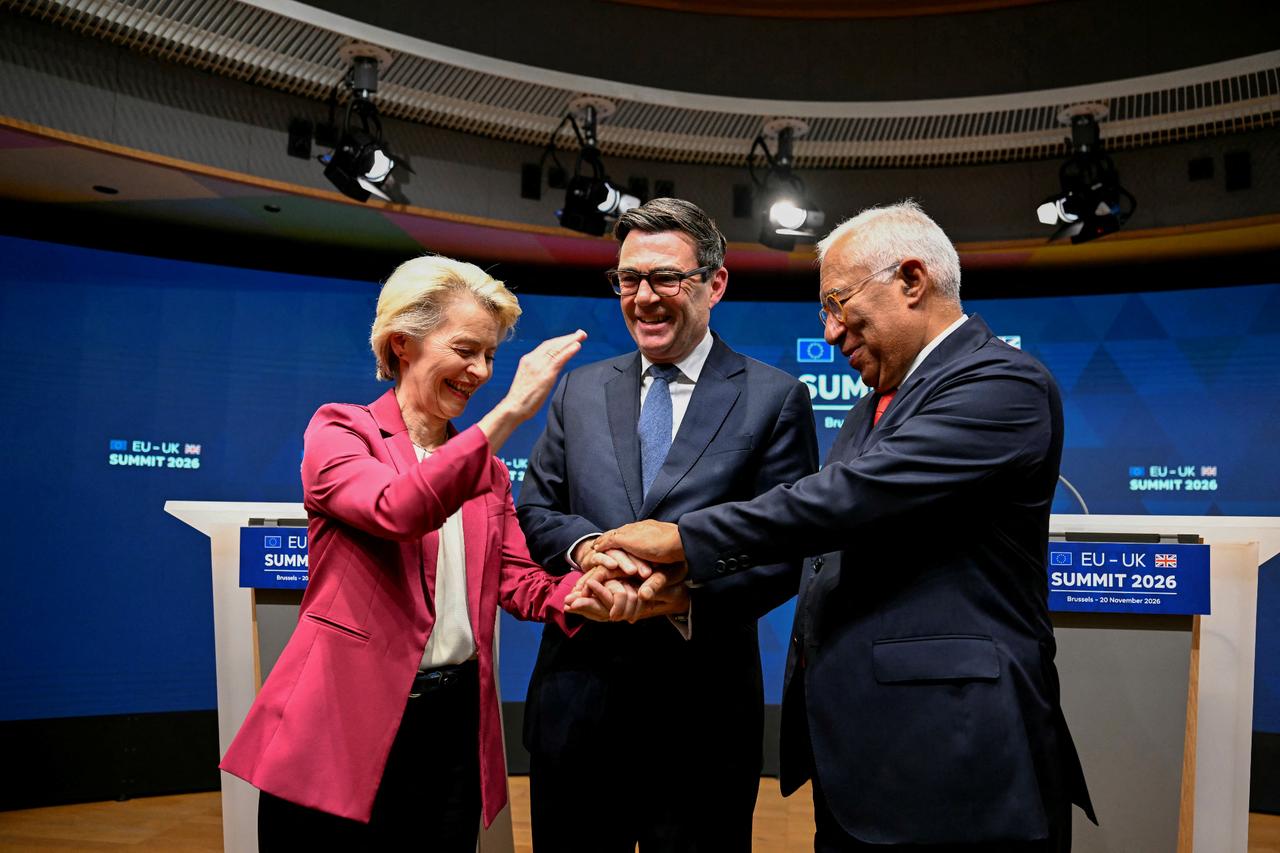


British Prime Minister Andy Burnham was expected to defend his government's new agreements with the European Union in parliament Monday, describing them as a "landmark moment" for Britain amid criticism from former prime ministers and pro-Brexit politicians.
Burnham, who took office in July, was set to tell the House of Commons that the agreements reached in Brussels on Friday could improve Britain's economic prospects over the next decade, according to excerpts released by Downing Street.
The deals offer a "very real prospect that the next decade can be a much better one for Britain than the one we have just lived through," Burnham was expected to say.
The agreements aim to ease trade barriers and improve youth mobility between Britain and the EU, although disagreements over university tuition fees for EU students remain unresolved.
The British government estimates that the deals could add £17 billion ($22.4 billion) to the economy, ease cost-of-living pressures and create more opportunities for young people.
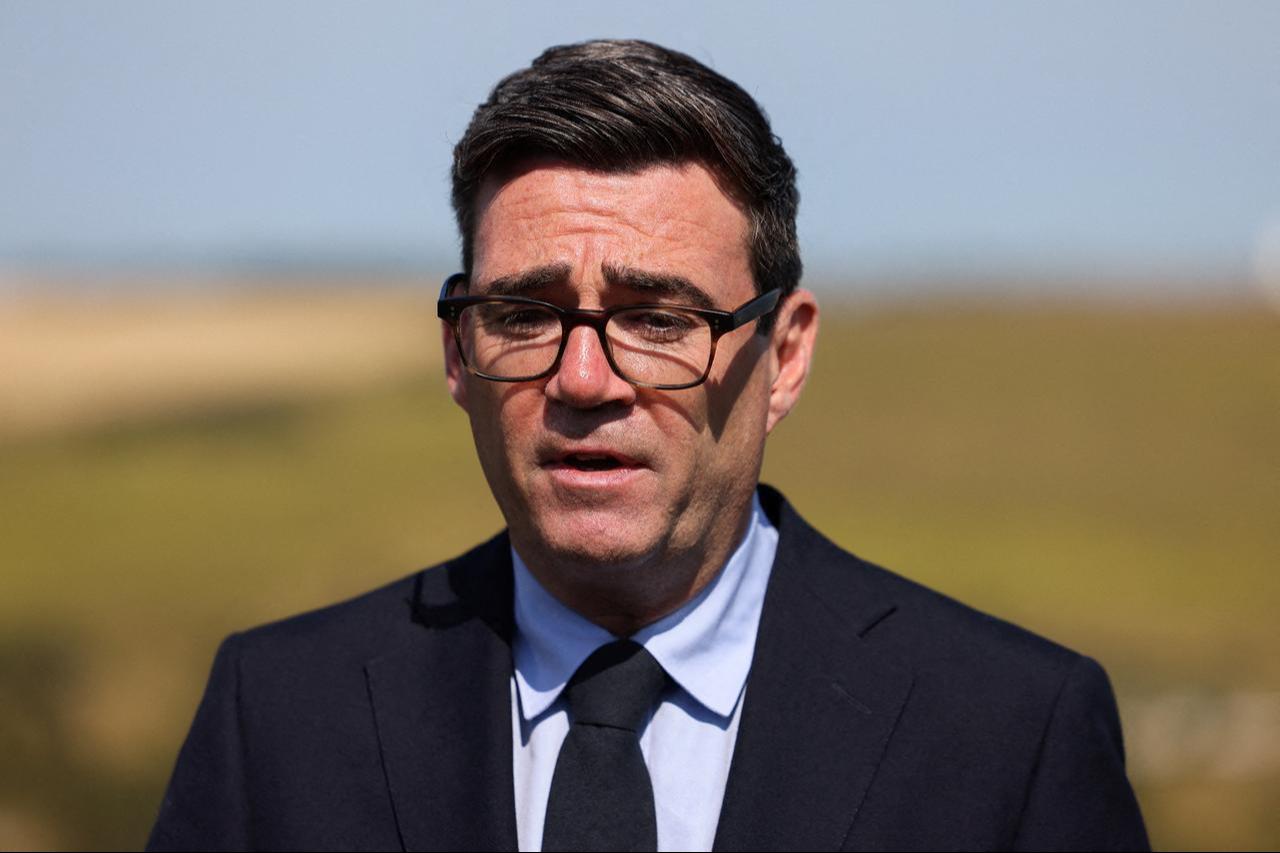

Since becoming prime minister, Burnham has renewed discussions about strengthening ties with the EU, nearly a decade after Britain voted to leave the bloc in the 2016 referendum.
He has also raised the possibility that Britain could eventually apply to rejoin the 27-member union, prompting opposition from Brexit supporters.
"The status quo is not good enough for Britain," Burnham was expected to tell lawmakers.
He also criticized Conservative politicians seeking to prevent further debate over Britain's relationship with Europe.
"Those Tory (Conservative) voices from the past and present trying to close this issue down are doing so because they know they let down the country and can't face up to that," he was set to say.
Burnham's proposals have drawn criticism from several former Conservative prime ministers, including Rishi Sunak, Theresa May, David Cameron and Boris Johnson.
All four have urged the prime minister not to reopen the debate over Britain's departure from the EU.
Nigel Farage, leader of the anti-EU Reform U.K. party, was also expected to criticize the government's approach Monday.
"Going backwards into the EU's orbit would be a disaster for the very British businesses that are trying to compete and innovate," Farage was set to say.
The renewed debate comes as pro-Brexit campaigners organize opposition to closer integration with Brussels and potential changes to Britain's long-term relationship with the bloc.


 Set as preferred source
 Set as preferred source


 1 min read
 1 min read