Newsletters




Ten years have passed since the Brexit referendum. Many reasons drove Britain out of the European Union: expected economic gains, the wish to bring immigration under control, the desire to sign independent trade deals…
Looking back today, though, things have not turned out as planned. In Britain, whose relationship with the EU has always had its ups and downs, a return to the Union is back on the table in the referendum's tenth year.
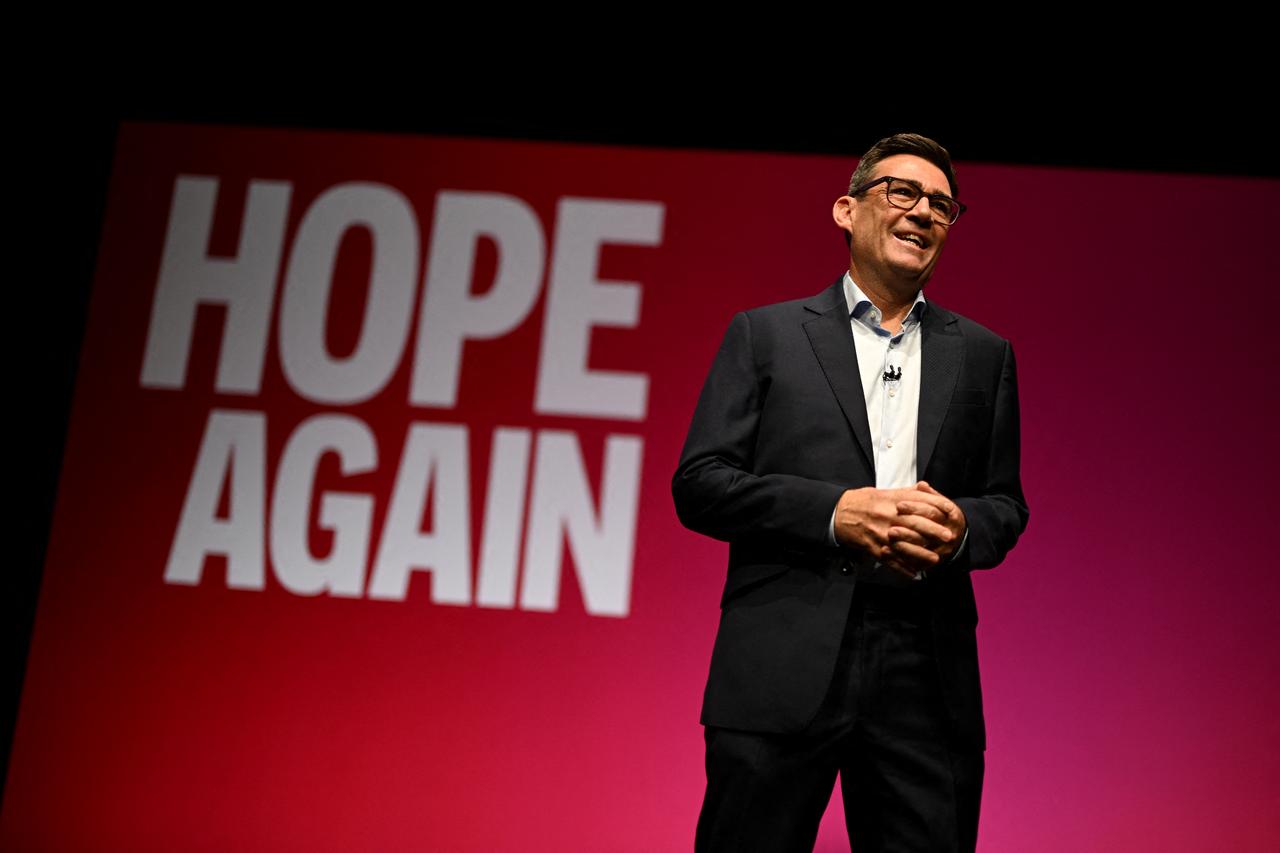
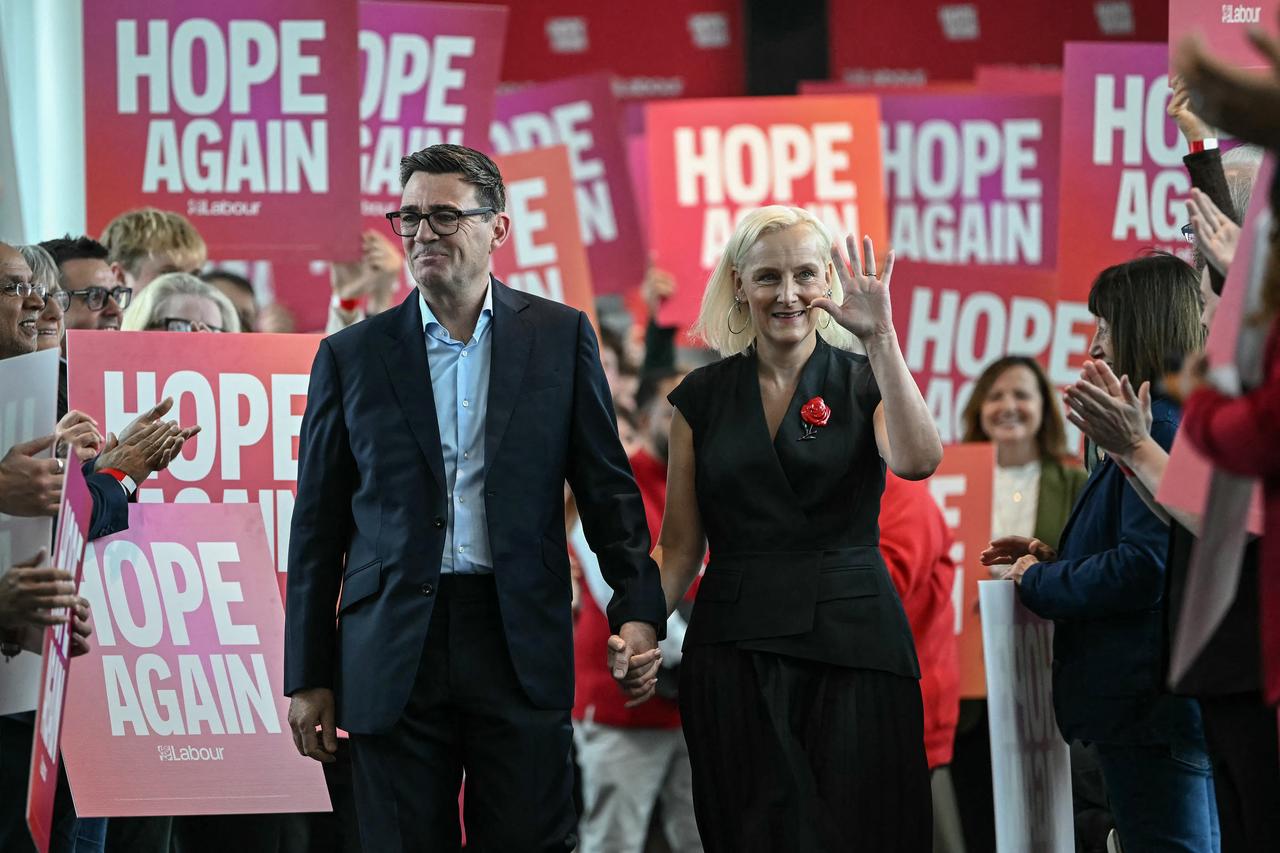
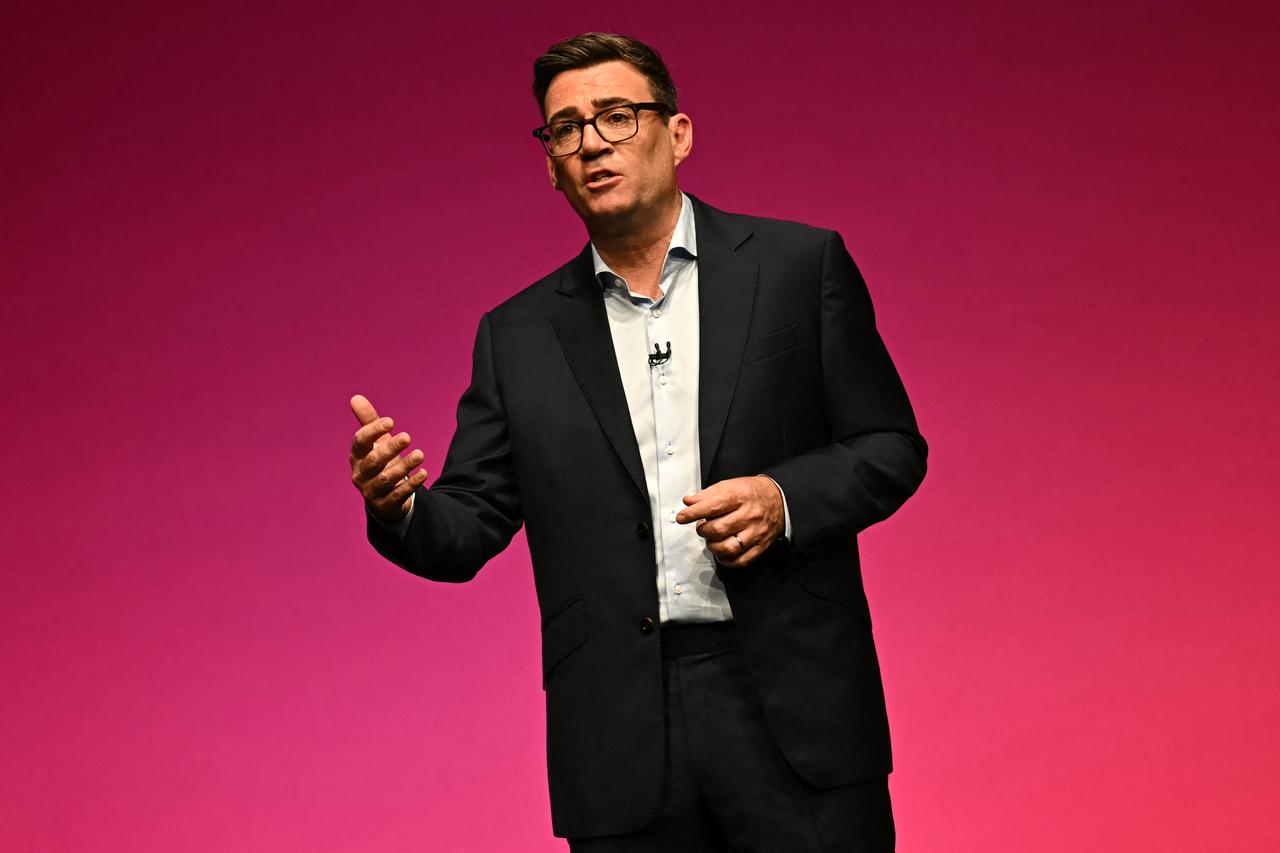
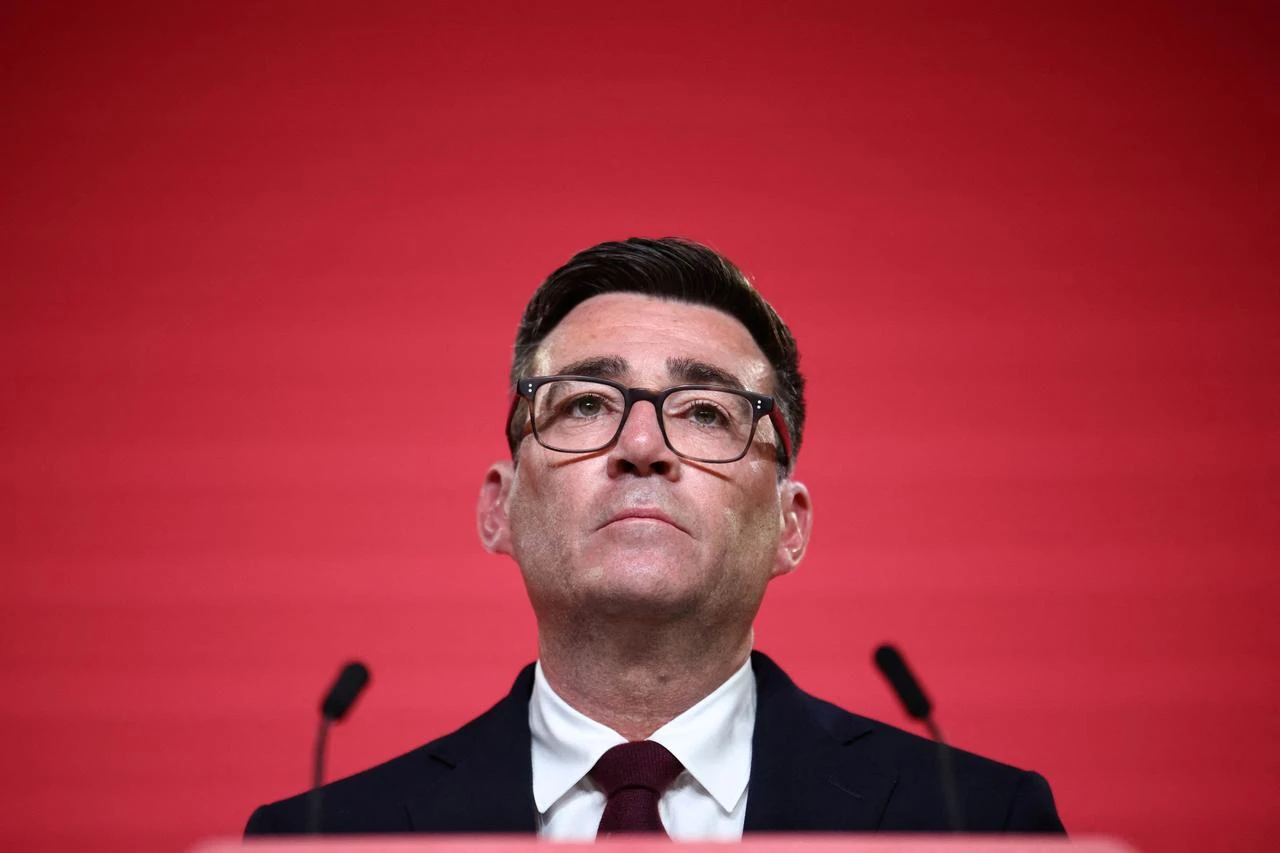
The debate was opened by Andy Burnham, who became prime minister in July after Keir Starmer announced his resignation in June. Assessing Brexit at the Labour Party's annual conference in Liverpool, Burnham argued that leaving the EU had not delivered the control promised to voters and had acted as a "handbrake" on growth.
The prime minister said that every option should be on the table in rethinking the relationship with the EU, from the Norwegian, Swiss and Canadian models to the customs union, the single market and full membership.
Burnham also said that a possible rejoining could make its way into an election manifesto in the coming years. He stressed, however, that such a step should be expected as part of a long-term process rather than in the short term.
Brexit was not the first rupture between Britain and the EU. Having declined to be among the Community's founding members, Britain saw two membership applications rejected in the years that followed, and in 1975 it put its membership to a referendum and stepped back from the brink of leaving.
For a Britain debating a return to the Union only ten years after deciding to leave, looking at the history of its relationship with the EU means lifting the curtain on the most unstable period in British politics.

The Brexit process, which began in 2016 and was completed in 2020, ended nearly half a century of political and economic partnership between Britain and the EU.
The road to it began in 2013, when Conservative Prime Minister David Cameron promised a referendum to placate the Eurosceptic wing of his party and blunt the rising electoral pressure from the right-wing populist UKIP.
The 51.9% "Leave" result in the vote of June 23, 2016 was a political earthquake in both Britain and the EU. Cameron resigned, and the process was taken over by the new prime minister, Theresa May.
On March 29, 2017, the May government triggered Article 50 of the Treaty on European Union (as introduced by the Lisbon Treaty), starting two years of exit negotiations. Over the following two and a half years, however, British politics ground to a complete halt.
The withdrawal agreement negotiated with Brussels was rejected three times by the House of Commons in 2019. The main sticking point was the "backstop," a safeguard designed to prevent a physical border between Northern Ireland and the Republic of Ireland, an EU member. Unable to break the deadlock, May resigned, and in July 2019 the hard Brexiteer Boris Johnson became prime minister.
Campaigning on the slogan "Get Brexit Done," Johnson won a landslide in the snap election of December 2019 and broke the parliamentary deadlock. Once the revised agreement, in which the Northern Ireland Protocol replaced the backstop, was approved, Britain formally left the EU on Jan. 31, 2020.
When the transition period ended on Dec. 31, 2020, Britain left the single market and the customs union entirely and began applying its own trade and immigration policies.
Britain's relationship with the EU never fully settled. It always seemed to be cracking somewhere and never managed to become solid. At its center lies a paradox: outside the Union, Britain wanted in; inside, it longed for the freedom of being out.
Outside, it was drawn to the Community's economic appeal and political weight. Once inside, it faced constant friction on three issues. The first was trade. Because the common commercial policy falls within the EU's exclusive competence, London could not sign trade agreements on its own.
The second was immigration. In the 2004 enlargement, Britain was one of only three countries that opened its labor market immediately to workers from the new members without transitional restrictions. In the years that followed, migration from Eastern Europe became the Brexit campaign's most effective argument. The third was leadership. Britain never became a full partner in the Franco-German axis that set the Union's direction.
Traces of this friction can be seen in every period of membership. In 1984, Margaret Thatcher won the budget rebate with her demand, "I want my money back", and in her 1988 Bruges speech she rejected a Brussels-centered "superstate."
In 1992 at Maastricht, Britain secured opt-outs from the euro and the Social Chapter. In the same year, the "Black Wednesday" crisis forced sterling out of the European Exchange Rate Mechanism. Britain never joined Schengen either.
This is why political scientist Stephen George's 1990 description of Britain as an "awkward partner" fits so well. Britain was inside the Union, but as a member that sought an exception at every critical turn, which pushed it to the margins of the very table it claimed to lead.
Added to this was the rivalry with France, which had continued since de Gaulle's vetoes, and Britain's position in Europe carried a lasting problem of trust. Brexit should therefore be read not simply as a decision made in 2016 but as the outcome of half a century of mismatch.
Yet leaving has largely failed to deliver the gains it promised. On trade, Britain signed agreements with Australia and New Zealand and joined the trans-Pacific trade bloc Comprehensive and Progressive Agreement for Trans-Pacific Partnership (CPTPP).
The Office for Budget Responsibility (OBR), however, projects that Brexit will reduce trade intensity by about 15% and productivity by about 4% in the long run. The new agreements are unlikely to make up for this loss.
On immigration, the picture has turned upside down. Net migration hit a record of more than 900,000 in 2023, after Brexit. What changed was not the scale of migration but its source: arrivals from the EU were replaced by arrivals from outside it. Burnham's remark that "Brexit hasn't given us control" points directly to this gap. Public opinion has shifted as well. In polls from mid-2026, around 55% of voters appear to favor rejoining.
Even so, a return would not mean a return to the old privileged membership. A newly joining country must in principle commit to adopting the euro, and the rebate and opt-outs Britain once secured are unlikely to be granted again.
EU capitals are also unwilling to extend the advantages of membership to a Britain that does not take on its obligations. Burnham's framing of the issue as a long-term process is an acknowledgement of this reality.
If Britain wants to return, then, as in 1961, it will have to sit at a table where the rules are written by others rather than by itself.


 Set as preferred source
 Set as preferred source


 1 min read
 1 min read