Newsletters


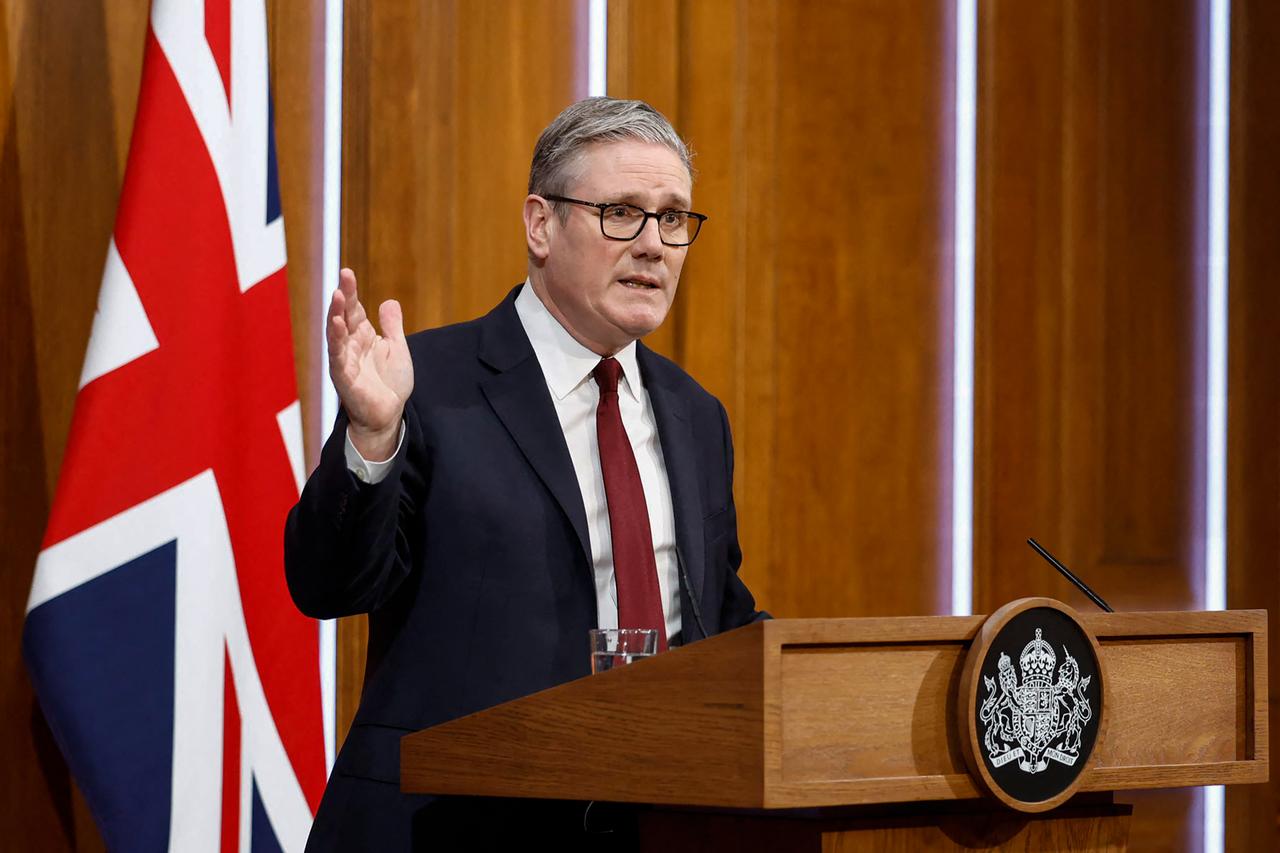


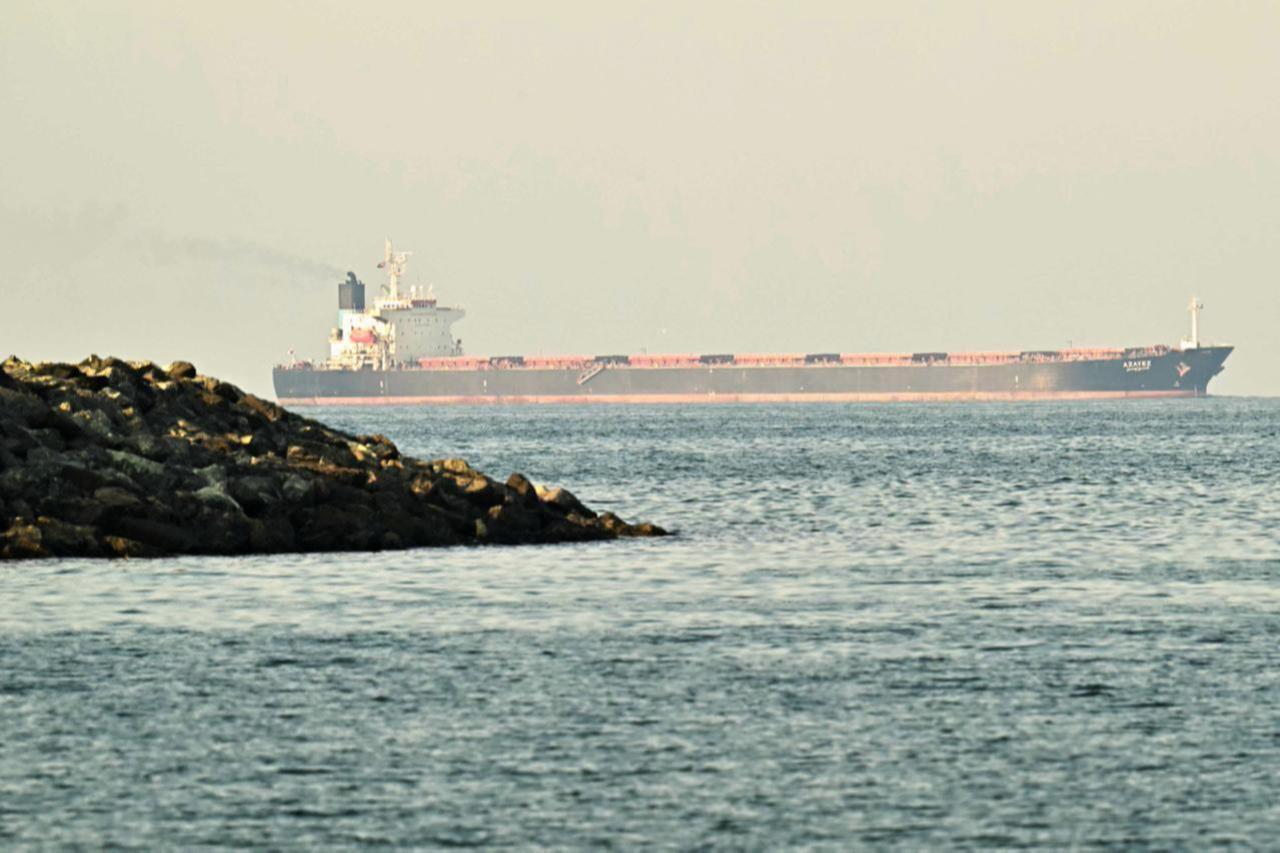
British Prime Minister Keir Starmer said the United Kingdom is working with allies to develop a “viable collective plan” to reopen the Strait of Hormuz, a key global shipping route disrupted during the ongoing war involving Iran.
Speaking at a news conference in Downing Street on Monday, Starmer said Britain is coordinating with partners in Europe, the Gulf, and the United States to restore freedom of navigation in the strategic waterway.
“We’ve already acted alongside other countries to release emergency oil stocks at a level that is completely unprecedented, but ultimately, we have to reopen the Strait of Hormuz to ensure stability in the market,” Starmer said.
“That is not a simple task. So we’re working with our allies, including our European partners, to bring together a viable collective plan that can restore freedom of navigation in the region as quickly as possible and ease the economic impact,” he added.
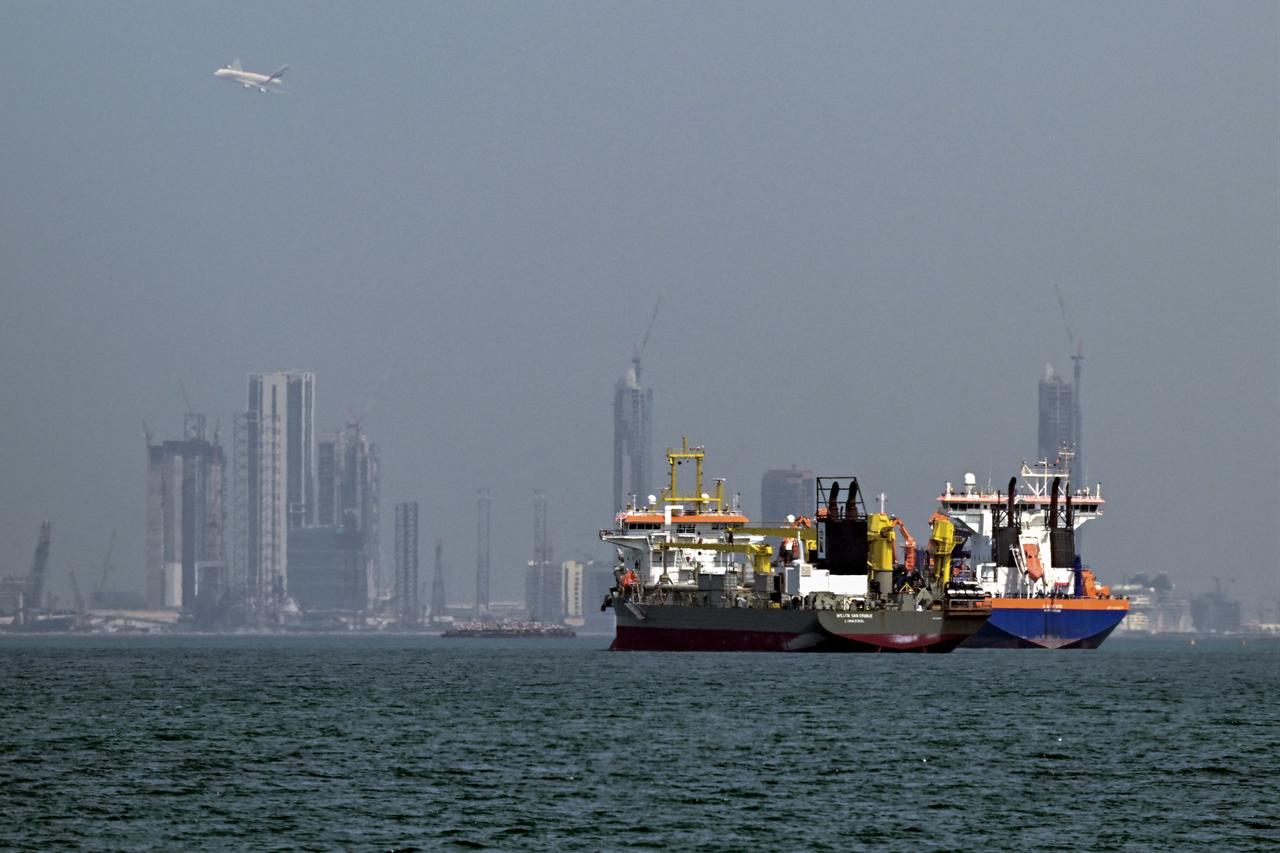

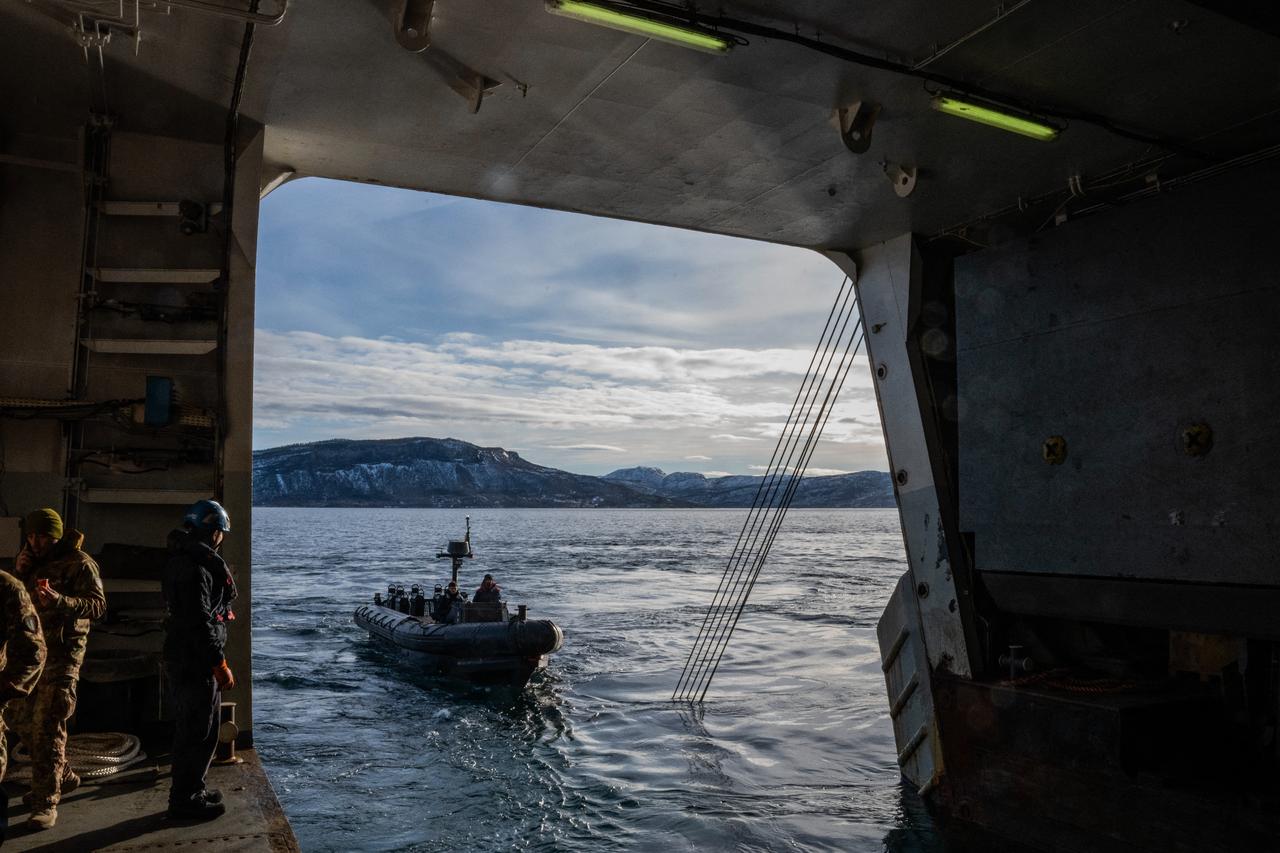
Starmer said Britain is discussing possible operational steps with allies, including the use of mine-hunting drones already deployed in the region.
However, he indicated the United Kingdom is unlikely to send a warship and stressed that Britain does not intend to become involved in the broader conflict.
“We will not be drawn into the wider war,” Starmer said.
The comments came after U.S. President Donald Trump urged allied countries to contribute warships to reopen the strait and warned NATO allies about the consequences of failing to assist.
The strait is one of the world’s most important energy transit routes, normally carrying about one-fifth of global oil shipments.
Starmer also defended his decision not to join the U.S.-Israeli offensive against Iran launched on Feb. 28.
He said committing British forces to military action requires careful consideration and a clear strategy.
“Whether to commit British troops to military action is the most serious responsibility for any prime minister,” Starmer said.
“I have been attacked by some for my decision not to join the offensive against Iran,” he added, saying he believed “time will show that we have the right approach.”
Starmer said that if British forces were to be deployed, they must do so on a legal basis and with a clear plan.
“If we are to send our service men and women into harm’s way, the very least they deserve is to know that they do so on a legal basis and with a proper, thought-through plan,” he said.
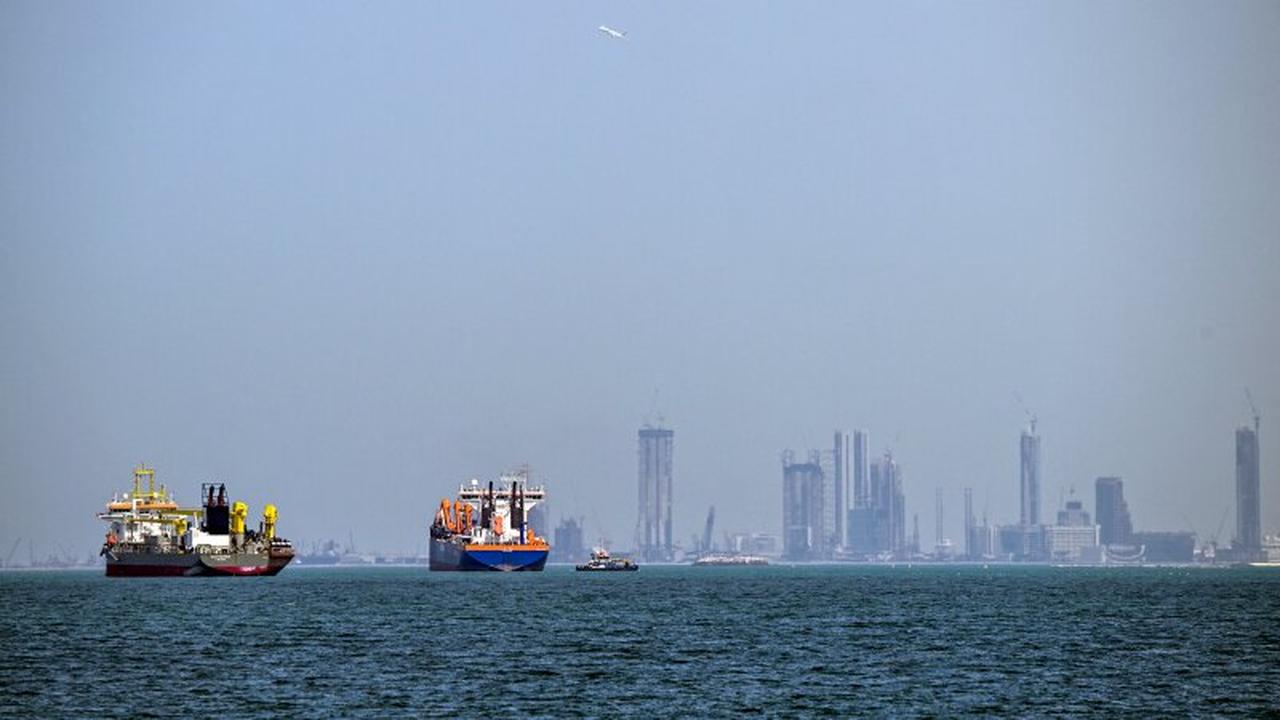
Starmer said thousands of British service personnel are currently deployed in Greek Cyprus and across the Middle East.
Three squadrons of fighter jets are operating alongside counter-drone teams to intercept Iranian attacks.
More than 92,000 British nationals have returned to the United Kingdom on commercial and government-chartered flights from the region since the escalation began.
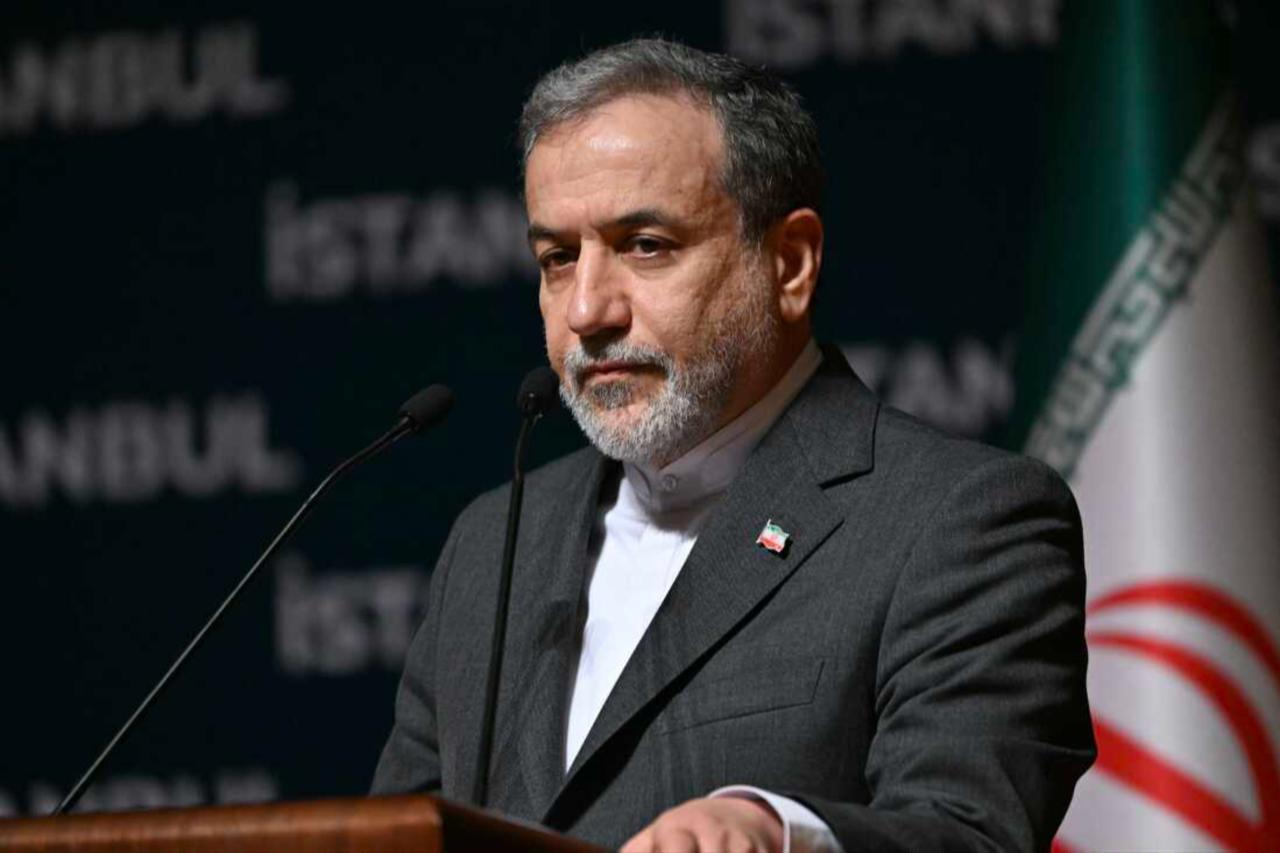
Meanwhile, Iran’s Foreign Minister Abbas Araghchi criticized Washington for seeking allied assistance to reopen the strait.
“They carried out large-scale attacks and again repeated the demand for unconditional surrender. Today, after roughly 15 days since the war began, they are turning to other countries for help to ensure the security of the Strait of Hormuz and keep it open,” Araghchi said.
He added that from Iran’s perspective, the strait remains open but is closed to its enemies and those who supported attacks against Iran.


 Set as preferred source
 Set as preferred source


 1 min read
 1 min read