Newsletters




Ukraine on Sunday forcefully denied any involvement in the discovery of explosives near a major Russian gas pipeline in Serbia, with Kyiv's foreign ministry calling the attempt to link it to the incident a likely Russian false-flag operation timed to influence Hungarian elections one week away.
"We categorically reject attempts to falsely link Ukraine to the incident," said Heorhii Tykhyi, spokesman for Ukraine's Ministry of Foreign Affairs, adding that the episode was "most probably a Russian false-flag operation as part of Moscow's heavy interference in Hungarian elections."
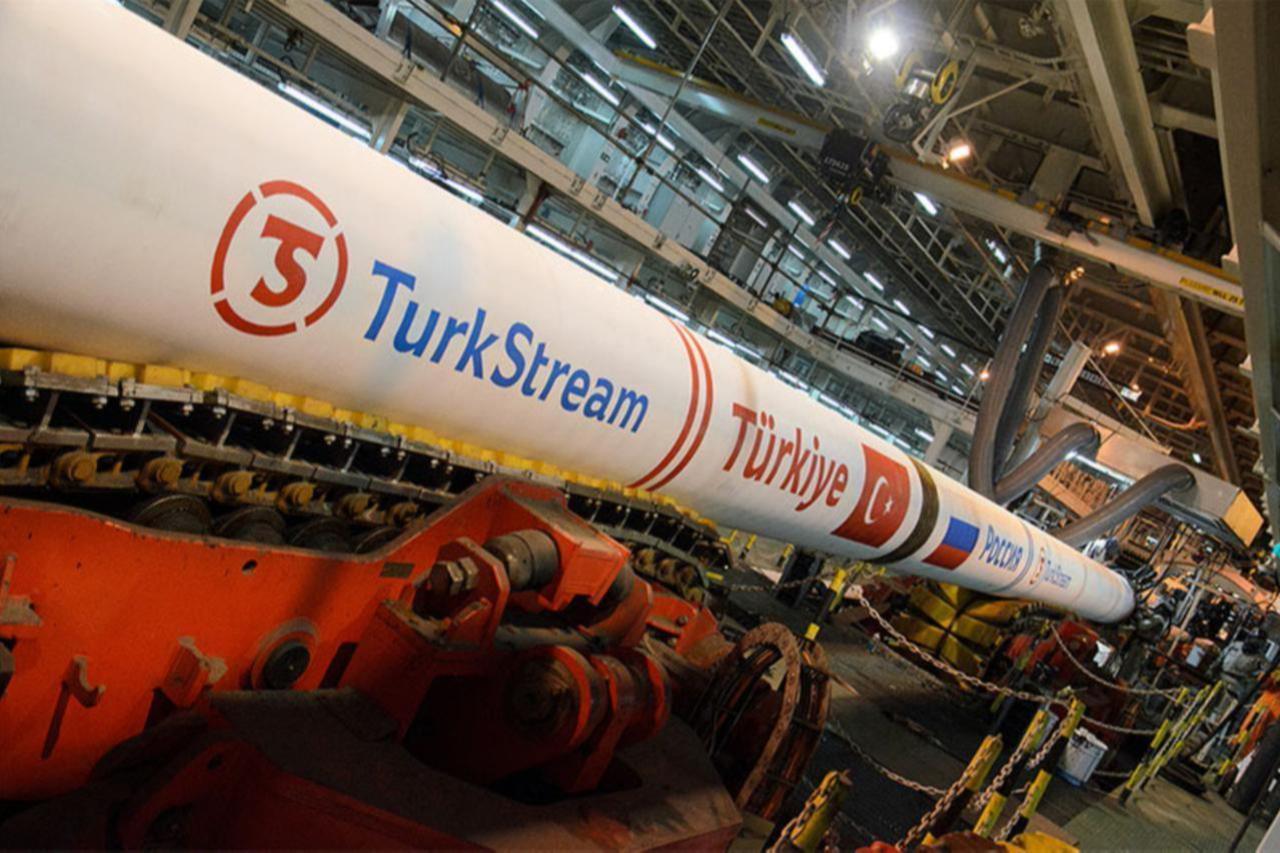
The statement came hours after Serbian President Aleksandar Vucic announced that military and police units had found two backpacks containing high-powered explosives with detonators in the municipality of Kanjiza, in northern Serbia's Vojvodina region, a few hundred meters from the Balkan Stream pipeline, the regional extension of the TurkStream network that carries Russian natural gas into Central Europe.
Ukraine's denial was pointed and preemptive. Kyiv framed the incident not merely as a false accusation but as an active Russian influence operation, one designed to inject a security scare into the final days of a Hungarian campaign in which Prime Minister Viktor Orban has staked much of his political identity on energy ties with Moscow and hostility toward Kyiv.
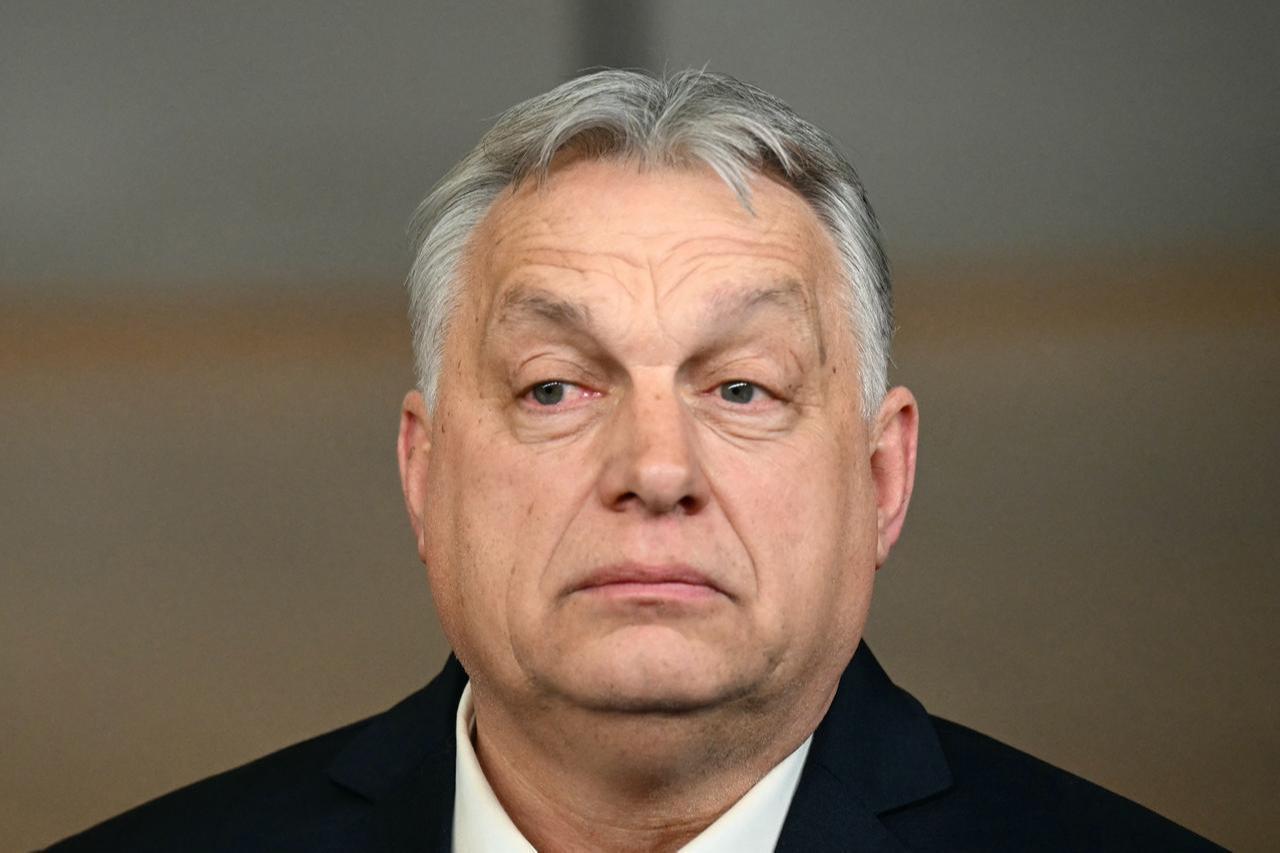
Orban, who convened an extraordinary defense council Sunday after speaking with Vucic by phone, has spent months accusing Ukraine of attempting to destabilize Hungary's energy supply ahead of the April 12 vote. His government ordered increased security around energy infrastructure in February, framing the move as a direct response to what Budapest described as Ukrainian threats.
Hungary's Foreign Minister Peter Szijjarto escalated the rhetoric Sunday, saying "someone tried to blow up the TurkStream pipeline" and describing the incident as an attack on Hungarian sovereignty. Russia's Foreign Ministry spokeswoman Maria Zakharova used the moment to suggest that unnamed actors were seeking to strip Hungary of its independence through political, economic and energy pressure, without directly naming Ukraine.
Ukraine's false-flag reading found an unlikely echo inside Hungary itself. Peter Magyar, the opposition leader who is running neck-and-neck with Orban's Fidesz party ahead of next Sunday's vote, said publicly that many observers had anticipated "that something will 'accidentally' happen in Serbia at the gas pipeline at Easter, a week before the Hungarian elections." Magyar warned that if the government deployed the incident for campaign purposes, it would amount to "an open admission that this is a pre-planned false flag operation." He asked to be included in the emergency defense council and stressed that the episode must not be used to delay the vote.
Orban has sought throughout the campaign to portray Magyar as a pro-Ukraine figure whose victory would drag Hungary into war with Russia. Magyar has countered by accusing the prime minister of "outright treason" for his alignment with Moscow.

The Serbian incident arrives inside a broader and already toxic energy standoff between Kyiv and Budapest. Hungary has blocked a 90 billion euro European Union loan to Ukraine, claiming Kyiv deliberately halted Russian oil transit through the Druzhba pipeline.
Ukraine has maintained the pipeline was knocked out of service by Russian drone strikes. Budapest has simultaneously opposed EU sanctions on Russian oil and gas, a position it defends as an economic necessity for a landlocked country wholly dependent on Russian supply.
TurkStream, the pipeline that runs from Russia through Türkiye and the Balkans into Central Europe, has become the last functioning Russian gas corridor into Europe following the destruction of the Nord Stream pipelines in 2022, the halt of Yamal-Europe transit and the end of Ukrainian transit in 2025.
Serbia imports roughly six million cubic metres of Russian gas per day at approximately half the market rate, making any disruption to the line a significant threat to both countries.
Vucic said the explosives, had they detonated, could have caused severe gas shortages across Hungary and northern Serbia. He noted that investigators had found "certain traces" but declined to elaborate. No suspects had been identified and no motive was publicly established as of Sunday evening.
The discovery followed days of separate incidents involving the same infrastructure. Russian state energy giant Gazprom reported earlier last week that Ukrainian drones had repeatedly targeted TurkStream compressor stations in Russia's Krasnodar region over the preceding weeks, claims Ukraine had not publicly addressed.
With no confirmed culprit in the Serbian case and an election seven days away, the incident has left all sides maneuvering over a story whose origins remain, for now, unresolved.


 Set as preferred source
 Set as preferred source


 1 min read


 1 min read