Newsletters


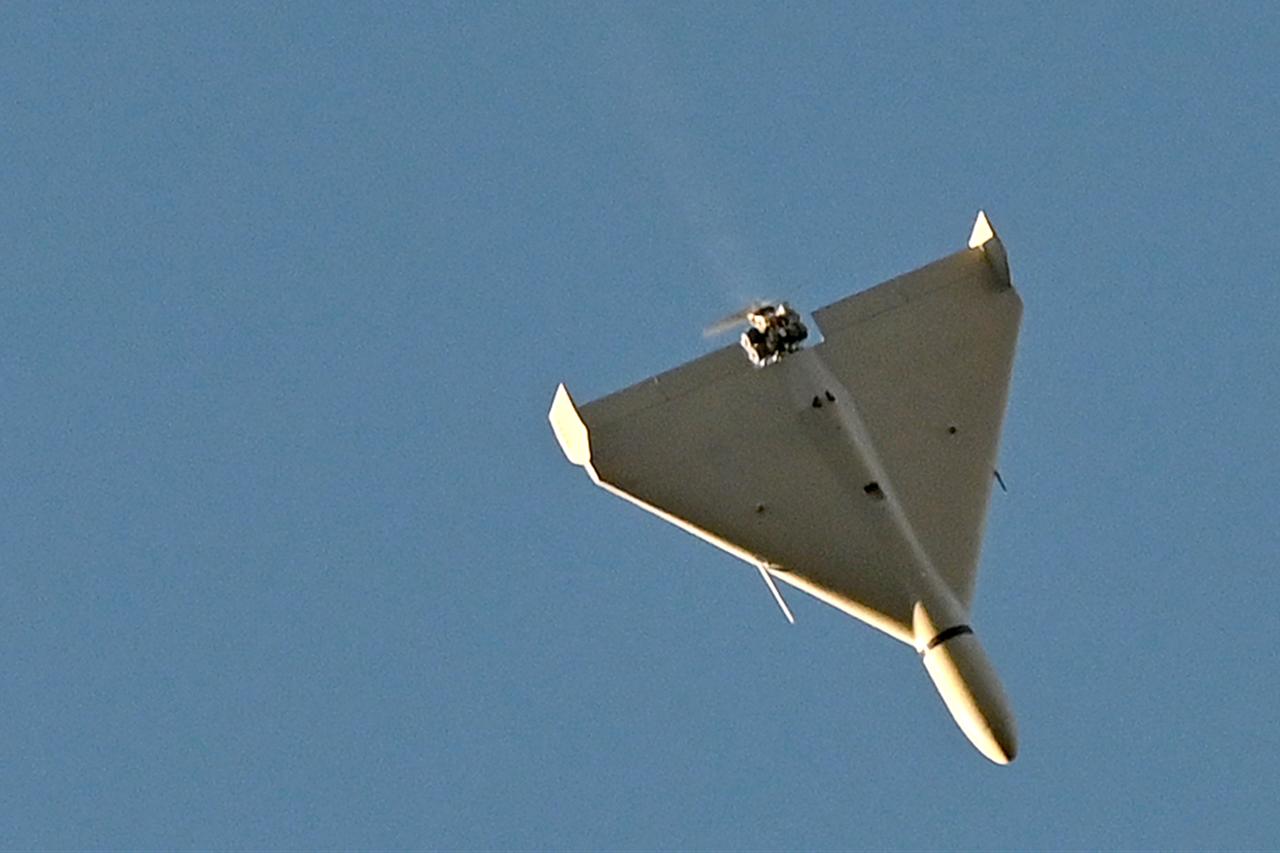


Russia’s state energy company Gazprom said Ukraine carried out a new drone attack on infrastructure supplying the TurkStream natural gas pipeline, adding that the strike was repelled without damage to the facility.
In a statement, Gazprom said the attack took place overnight between 00:40 and 01:00 a.m. Moscow time, targeting the Russkaya compressor station in Russia’s Krasnodar region, which supplies gas to the TurkStream pipeline.
The company said the attack involved three fixed-wing unmanned aerial vehicles and was repelled through a joint operation by Russian Defense Ministry forces and mobile units. Gazprom stated that no damage was recorded at the facility.
The Russkaya compressor station is a key component of the infrastructure ensuring gas flows through TurkStream, which transports natural gas from Russia to Türkiye via the Black Sea.
Gazprom previously reported similar attacks on March 16 and March 19, as well as increased attempts between March 17 and March 19 targeting facilities linked to TurkStream and Blue Stream pipelines.
According to the company, at least 12 attacks on compressor stations, including Russkaya, Beregovaya and Kazachya in southern Russia, were repelled over a two-week period starting February 24.
Russia’s Defense Ministry earlier said Ukraine had used multiple drones in attacks aimed at disrupting gas supplies to European consumers.
Russian President Vladimir Putin said on March 4 that Ukraine’s strikes on energy infrastructure harm Europe and claimed Kyiv was planning attacks on both TurkStream and Blue Stream pipelines in the Black Sea.
Russian Foreign Ministry spokesperson Maria Zakharova said the attacks were intended to disrupt efforts toward a resolution process, while Deputy Foreign Minister Aleksandr Grushko raised the issue in talks with Türkiye’s ambassador to Moscow, Tanju Bilgic.
Hungarian Prime Minister Viktor Orban warned that any successful attack on TurkStream would be raised at the international level and described such actions as potential “state terrorism.” Hungarian officials also said an attack on the pipeline could be considered an attack on a NATO member.
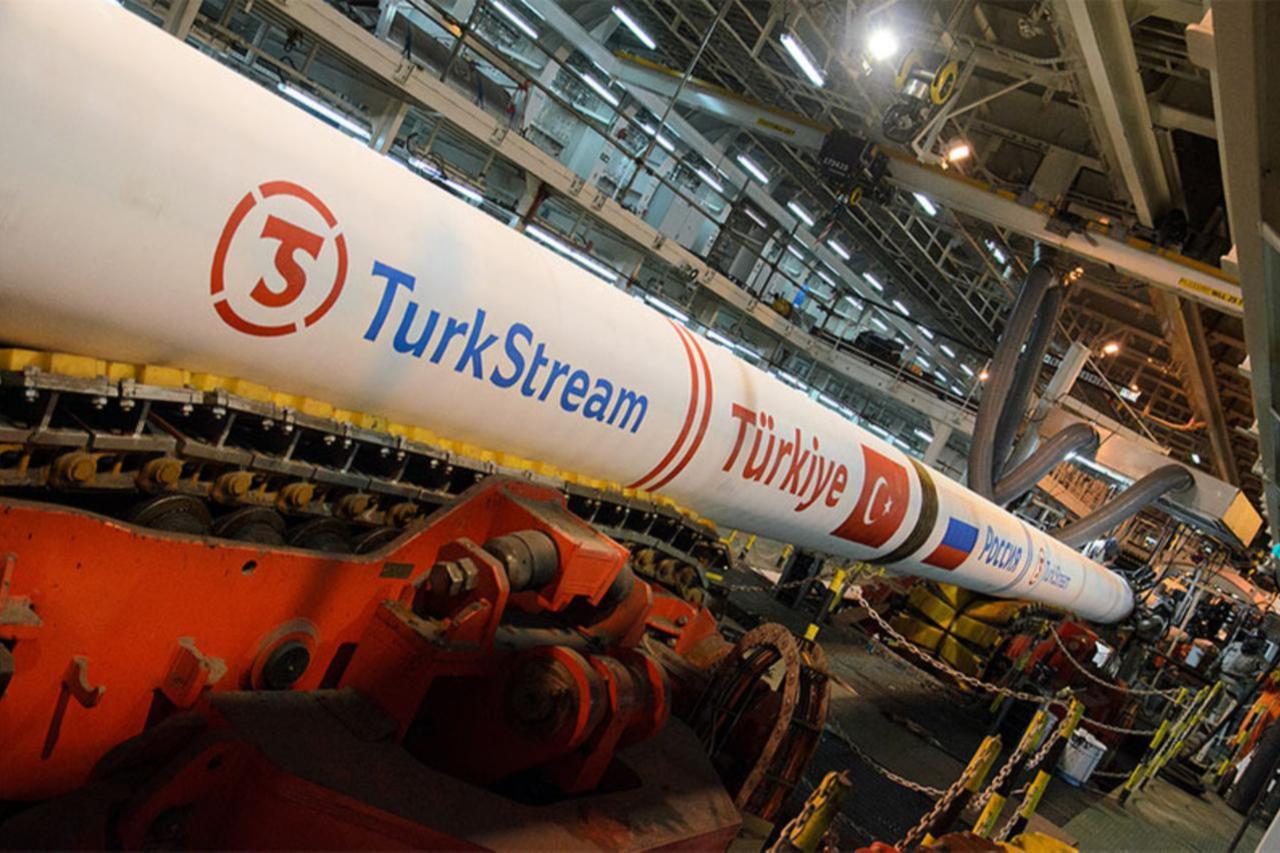

The TurkStream pipeline, with a capacity of 31.5 billion cubic meters, runs from Russia to Türkiye under the Black Sea and supplies gas to Türkiye as well as southern and southeastern European countries.
Following the end of gas transit via Ukraine, TurkStream remains the last active route for Russian gas deliveries to Europe.
According to data cited by TASS based on the European Network of Transmission System Operators for Gas (ENTSOG), Russia increased gas exports to Europe via TurkStream by 10% in the first quarter, reaching 4.96 billion cubic meters.
Türkiye’s Energy Minister Alparslan Bayraktar previously said the commissioning of TurkStream has effectively protected the country from regional energy risks.


 Set as preferred source
 Set as preferred source


 2 min read

 1 min read