Newsletters




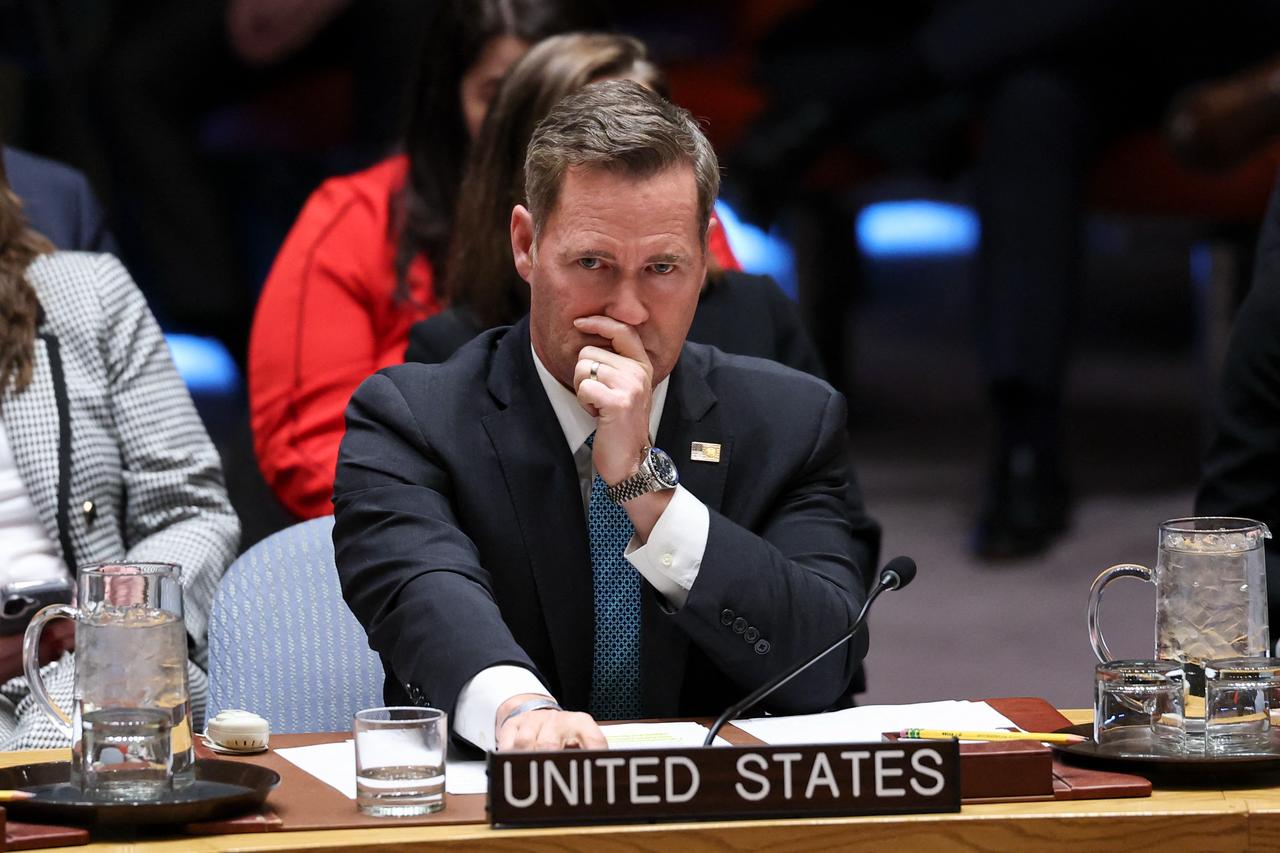
U.S. Ambassador to the United Nations Mike Waltz stated on Sunday that Washington would "never take an approach of trust" with Iran and that any deal must be "absolutely verifiable and enforceable."
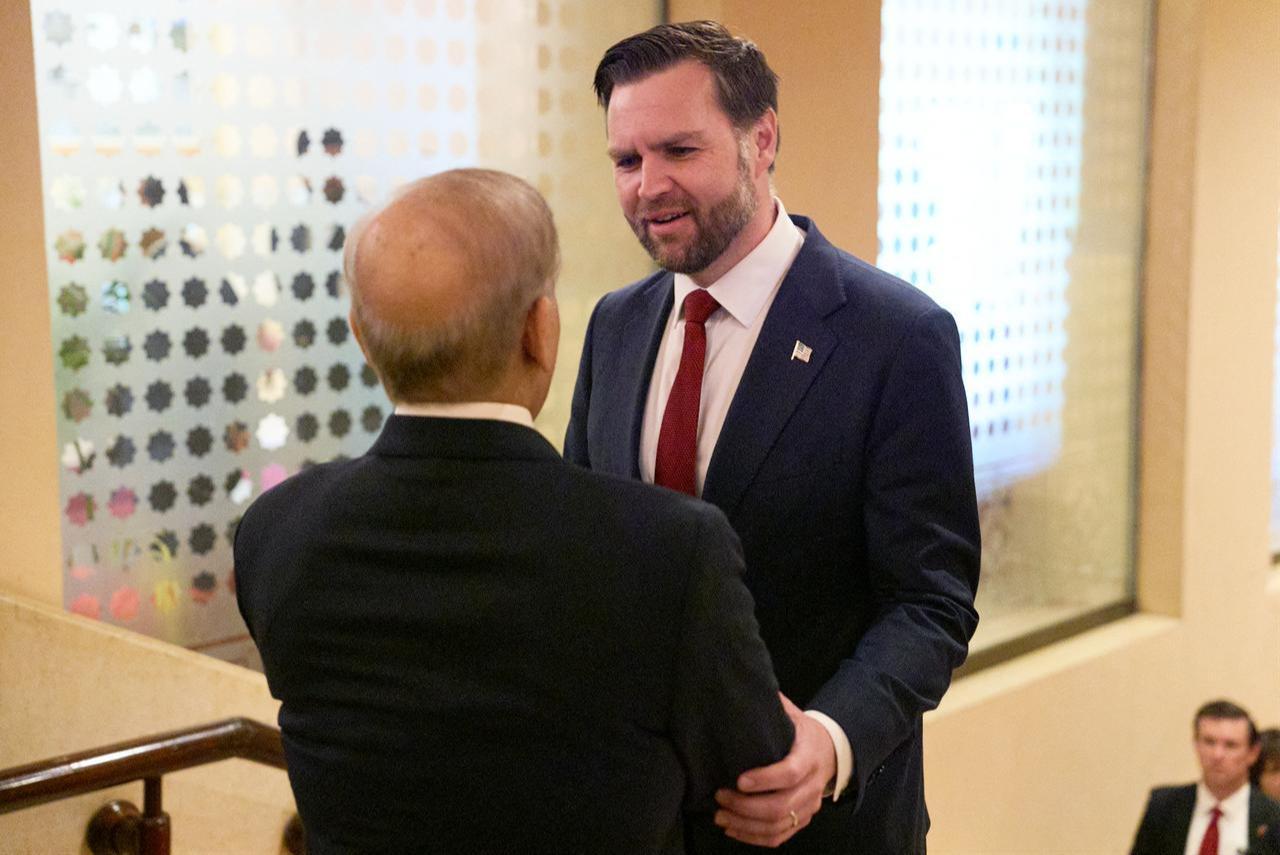
He confirmed that U.S. Vice President JD Vance, Middle East envoy Steve Witkoff and Jared Kushner were heading to Islamabad for a second round of talks.
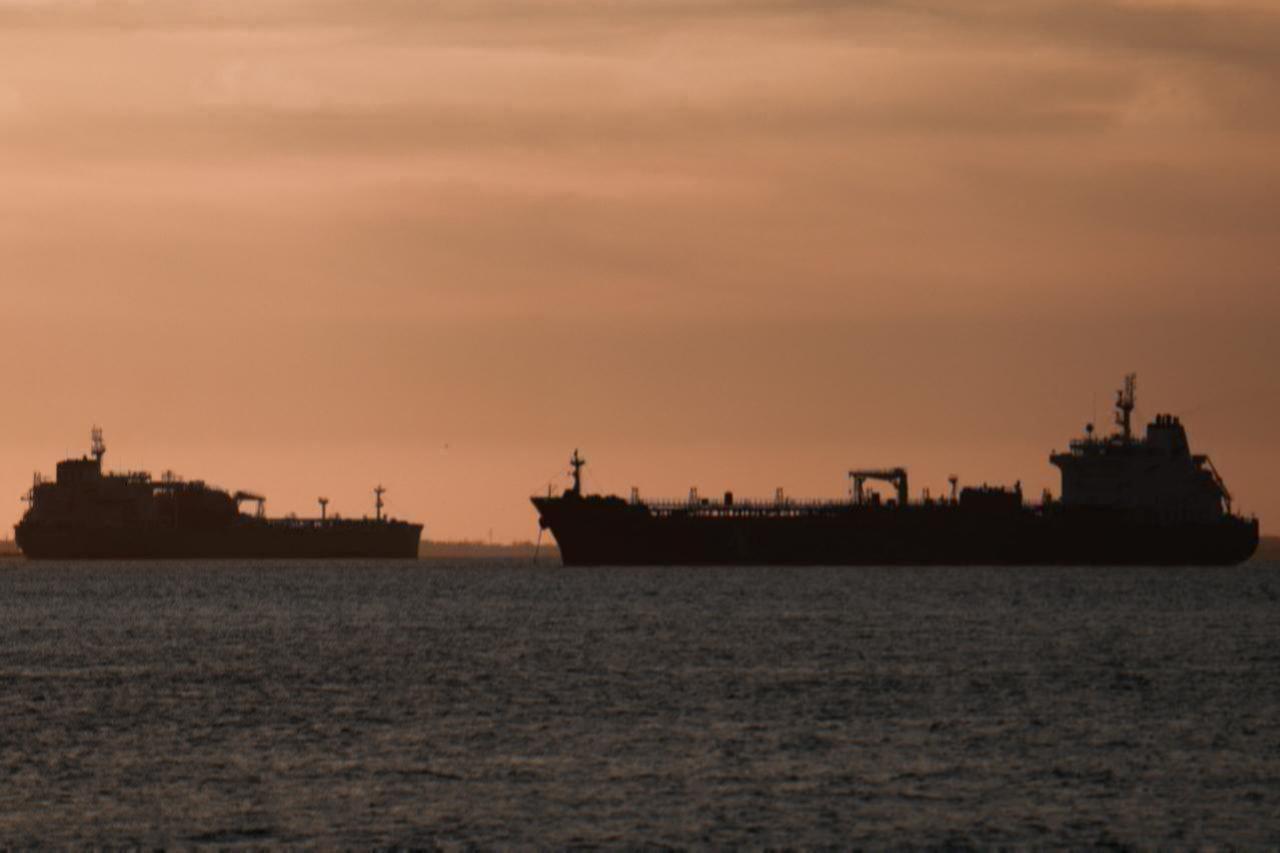
The ambassador warned that Iran was "in a bit of chaos" following devastating strikes on its leadership and that all options, including interdicting China-bound Iranian oil vessels, remained on the table.
Waltz was categorical about the U.S. posture toward any future agreement.
"We are never going to take an approach of trust. Any deal that comes out of this will have to absolutely be verifiable and be enforceable," he said.
He added that the International Atomic Energy Agency (IAEA) would have "a key role in ensuring Iran lives up to any deal it signs up to. There is no trust on this side, there are verified and enforceable provisions that are on the table from the U.S. to ensure they never have a nuclear weapon."
He said the U.S. had been "in extensive discussions with the IAEA" from his seat at the United Nations.

Waltz confirmed the delegation composition, consistent with CBS News reporting. "The vice president leading shows the level of engagement from the U.S. side, that we are absolutely serious," he said.
He said the Islamabad talks would be "a continuation of the terms that the vice president offered a week ago," rather than a new negotiation.
He said the expected arrival was Monday evening for talks on Tuesday.
Waltz acknowledged the turbulence on Tehran's side, linking it directly to U.S. strikes.
"The Iranian side is in a bit of chaos, this is absolutely due to the devastating strikes on their leadership. You have their foreign minister announcing they're going to stop attacking shipping, then you have the IRGC saying they will, and then doing so," he said, calling the Hormuz episode "an absolute violation."
He referenced reporting by the Institute for the Study of War that IRGC Commander General Vahidi had secured control over negotiations and the military in the past 48 hours, raising questions about whether Foreign Minister Araghchi was the authoritative negotiator.
Asked to reconcile Trump's Friday claim that Iran had "agreed to everything" with the current state of talks, Waltz said, "Anybody who has dealt with the Iranians will tell you it is often two steps forward, three steps back. They're incredibly slippery. They can't be trusted."
"They cheated over the years, hiding sites, hiding capabilities, which is one of the reasons that President Trump withdrew from the JCPOA," he added.
Waltz announced a new economic pressure element: "Secretary Bessent announced Operation Economic Fury, we are prepared to put secondary sanctions on banks who are transacting in illegal Iranian oil dollars."
He said Pacific Command was "prepared to interdict" Iranian oil vessels already at sea and that the acting attorney general's threat finance unit was aggressively prosecuting illegal Iranian financial flows.
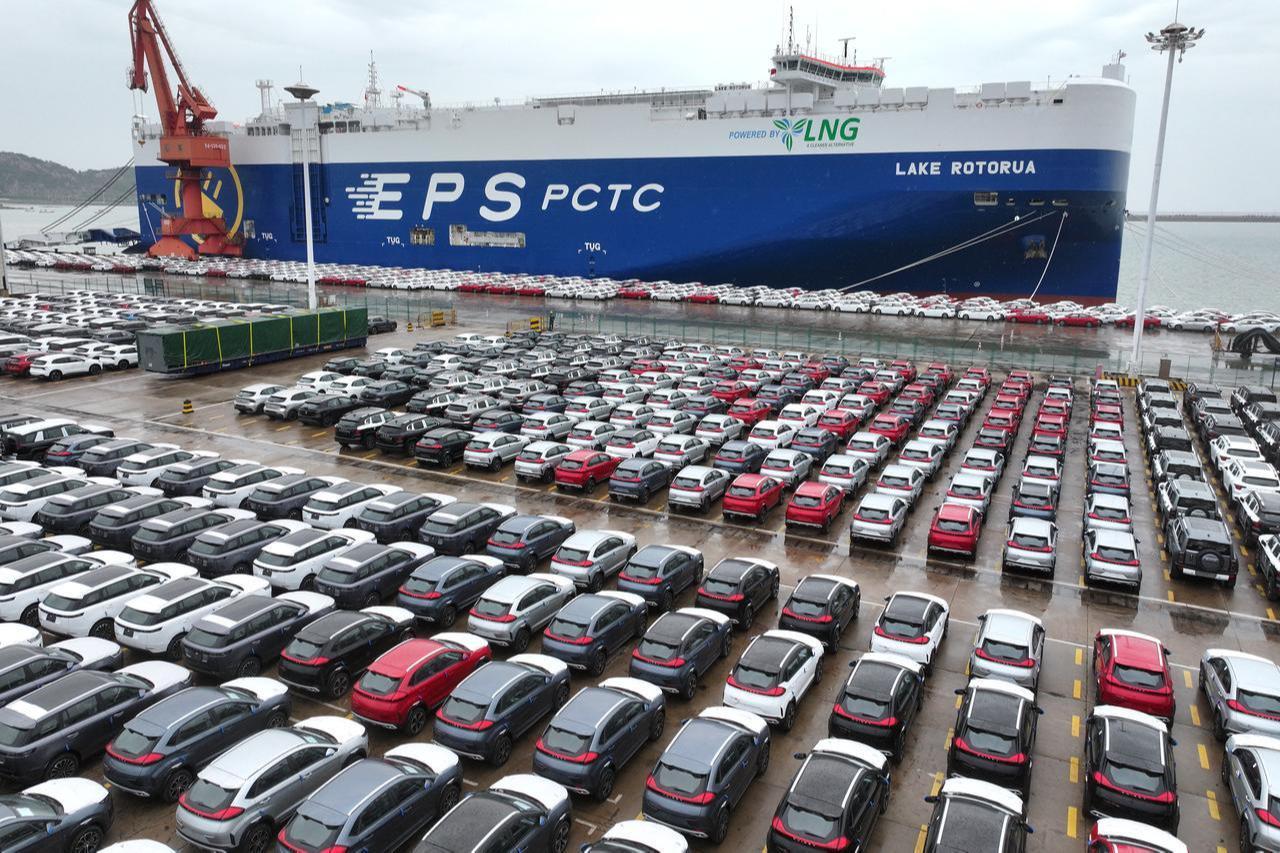
Asked directly whether the U.S. would board vessels headed to China, Beijing being Iran's top oil customer, Waltz said: "I'm not going to get into operational timelines, but all options are on the table."
He said a shadow fleet vessel run by "a relative of Khamenei" had already been targeted.
Waltz pushed back on characterizations of Trump's threats to destroy Iranian power plants and bridges as potential war crimes.
"Bridges and power plants that are run by the IRGC, which runs the entire military, are absolute legitimate military targets, not only now, but have been historically. That is a false, fake and ridiculous notion that this is some type of war crime," he said.
Waltz cited a U.N. resolution signed by 135 nations condemning Iran for attacks on civilian infrastructure, calling it "truly tremendous."
He said it was "disappointing" that Russia and China sided with Iran rather than the Gulf Arab allies and freedom of navigation.
He said Gulf Arab states, Bahrain, UAE, Qatar, Kuwait and Saudi Arabia, were "ready to take action now" without waiting for an international mandate.
On Lebanon, Waltz said the U.S. had contributed over $250 million to the Lebanese Armed Forces and that this was "a true moment" for Lebanon to take its country back, with Hezbollah "never in a worse place" following years of operations from the pager campaign through the current war.
He attended what he described as the first-ever Israel-Lebanon talks in modern history.
He did not directly answer how the U.S. would enforce Trump's statement that Israel was "prohibited" from bombing Lebanon.


 Set as preferred source
 Set as preferred source


 1 min read

 1 min read