Newsletters


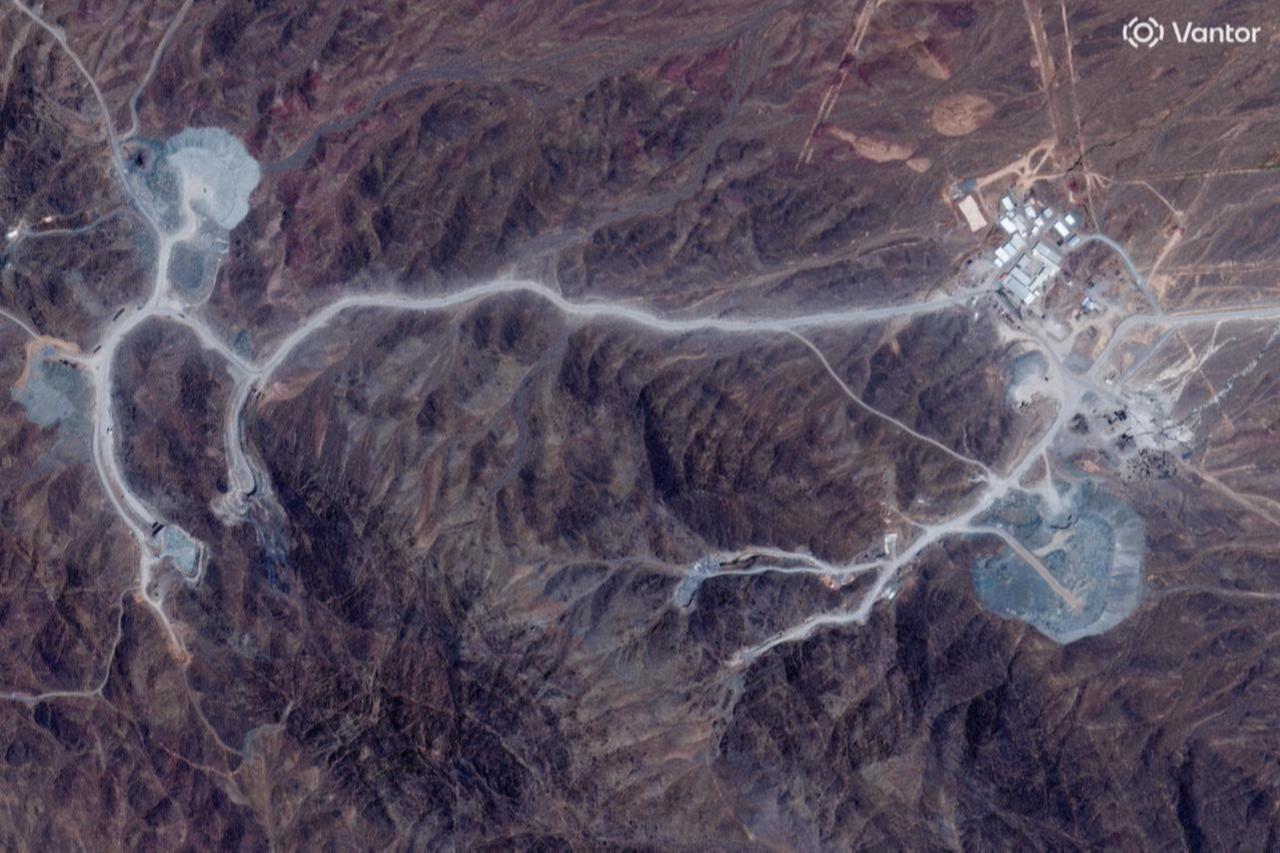


The United Nations' nuclear watchdog has observed new construction activity at a heavily fortified Iranian site believed to house nuclear-related operations, its director general said Thursday, as the agency's inspectors remain locked out of the facility more than a year after it was last able to verify the location of Iran's near-bomb-grade uranium stockpile.
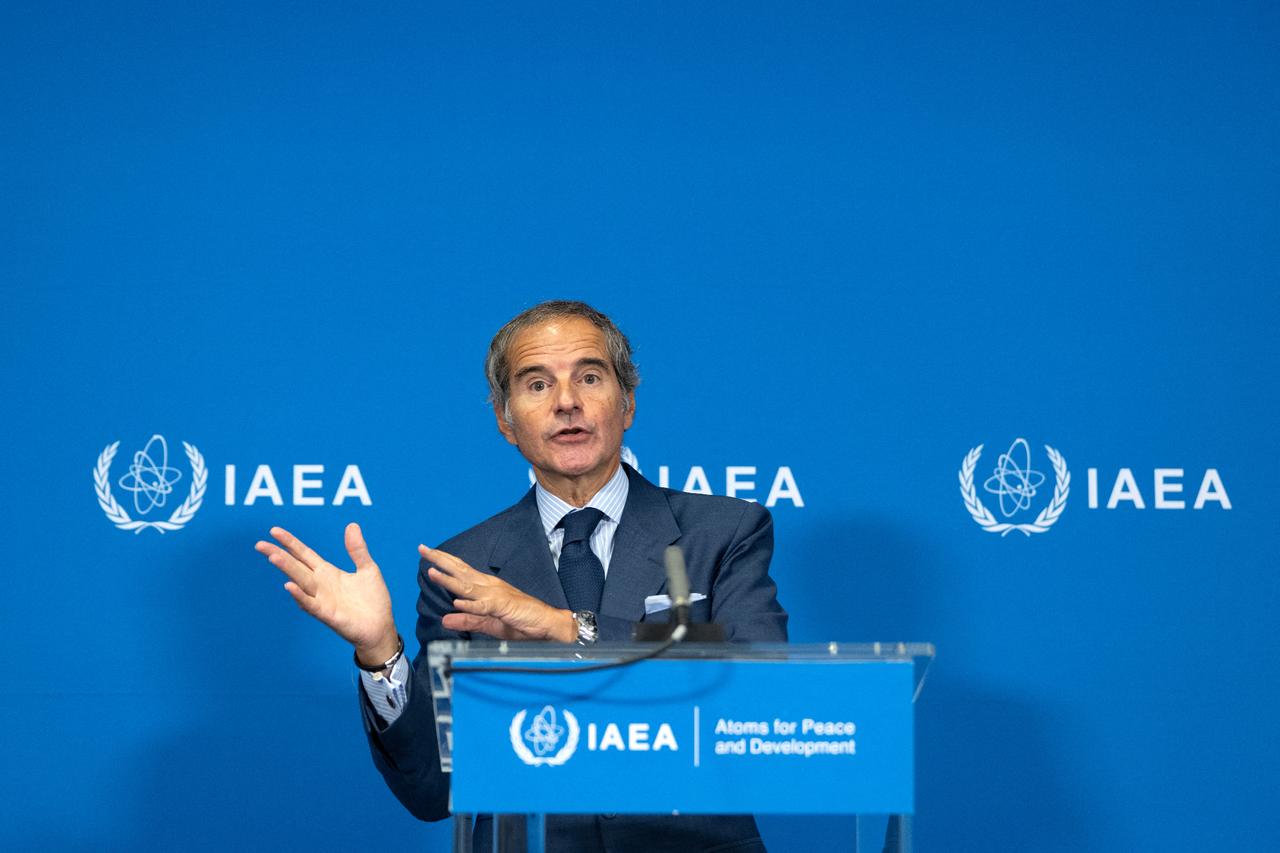
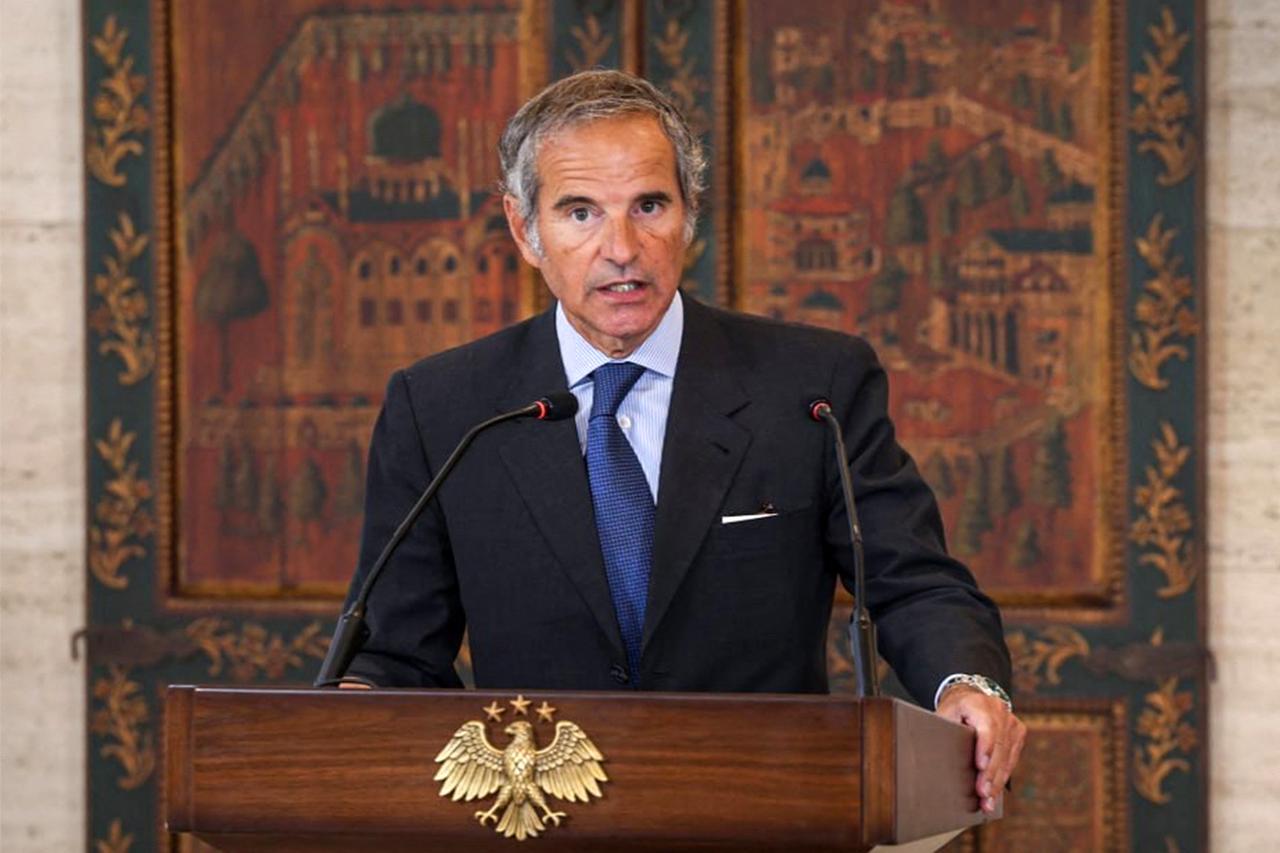
Rafael Mariano Grossi, director general of the International Atomic Energy Agency, said satellite imagery has picked up movement at the site, known as Pickaxe Mountain, though the agency has not been able to inspect the tunnel complex itself and cannot say what is happening inside.
"There are some indications that there is movement around this construction site," Grossi said in an interview with Bloomberg Television. "We don't have any concrete information as to activities that may be taking place there."
The facility, built into the Zagros Mountains roughly 220 kilometers, about 140 miles, south of Tehran, sits near Iran's main uranium enrichment plant.
It has drawn renewed scrutiny after US President Donald Trump referenced it publicly at least twice in the past week, including Wednesday at a Republican rally, where he warned Tehran against provoking a military response.
"We notice there's a little activity at Pickaxe," Trump said. "I would advise Iran not to get cute because we will have to hit them very hard."
According to Grossi, construction at the site began after saboteurs struck an Iranian centrifuge workshop six years ago, prompting Tehran to move sensitive work underground.
"They said at the time, 'we are going to put everything in tunnels, inside a mountain,'" Grossi said. "This was going to be impermeable and protected from attacks."
Grossi's comments came after the IAEA's board of governors voted late Wednesday to refer Iran's nuclear file to the UN Security Council, citing non-compliance with the country's atomic obligations.
The censure resolution could pave the way for further military action against Iranian nuclear sites, following the US and Israeli strikes of June 2025.
Inspectors have not been able to verify the state or whereabouts of Iran's inventory of near-weapons-grade uranium since those strikes.
Centrifuges, the fast-spinning machines used to separate uranium isotopes, sit at the center of the dispute: Israel and the United States are pressing Iran to dismantle its centrifuge program and halt enrichment altogether, while Tehran has continued to defend the work as within its rights.
Trump has repeatedly cast the effort to stop Iran from building a nuclear weapon as the central justification for the conflict between Washington and Tehran.
In a diplomatic note circulated this week, Iran accused Western governments of trying to turn the IAEA into an instrument of war, pointing to the timing of the June 2025 strikes, which began a day after the agency found Iran non-compliant with its obligations.
"The aggressions of the Israeli regime and America against Iran just a few hours after its adoption, are solid proofs of the sponsors' hidden agenda," Iran's envoy to the IAEA wrote in the 11-page document, which called on diplomats to "condemn the unlawful attacks."
Grossi, for his part, said he is increasingly troubled by a broader global trend of countries reconsidering the acquisition or potential use of nuclear weapons, linking it to rising international conflict.
"It has to do with a world where there is more conflict, where there are more wars," he said, adding that further nuclear proliferation "would be a terrible thing." He went further, saying that in such a scenario, "there would be nuclear weapon use for sure, 100% guaranteed."


 Set as preferred source
 Set as preferred source


 1 min read
 1 min read