Newsletters


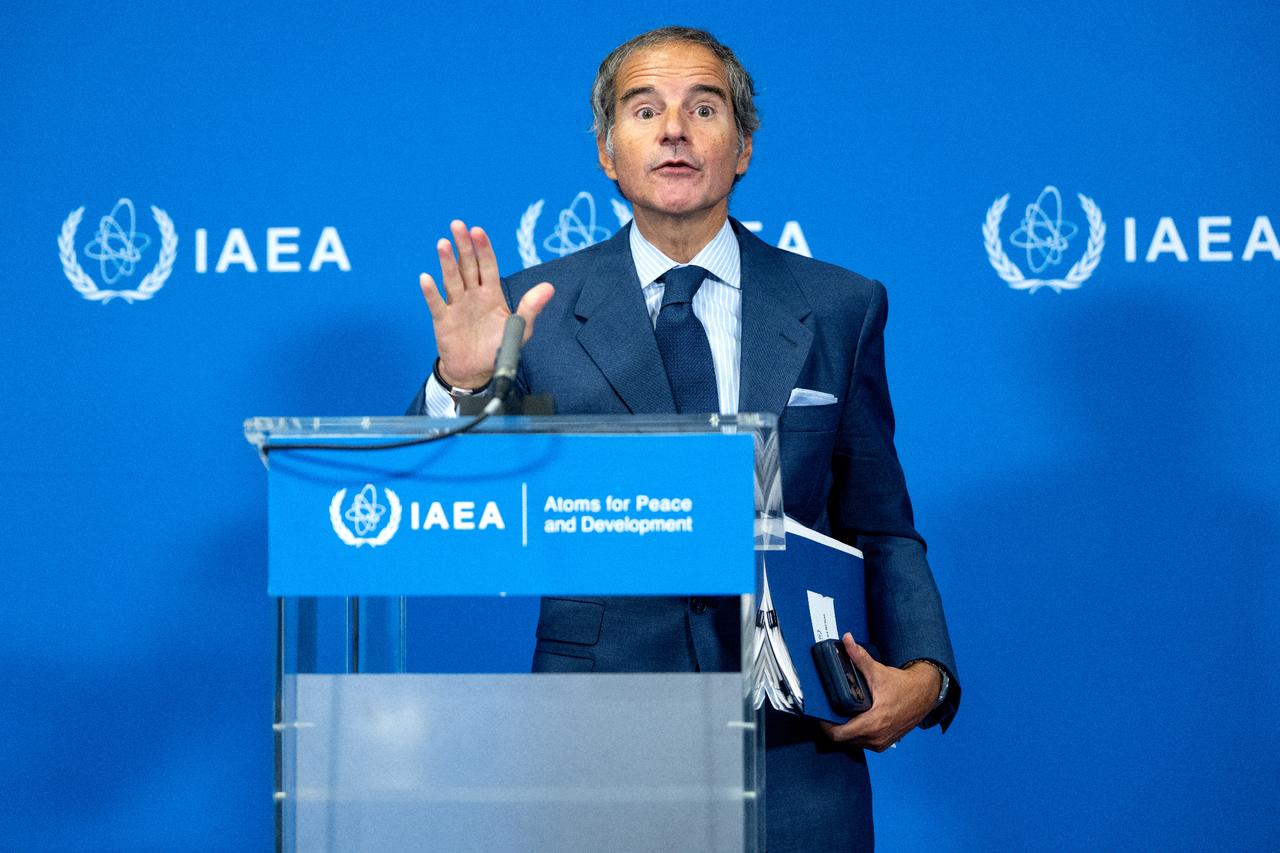


The U.N. nuclear watchdog’s board of governors on Wednesday decided to close a long-running probe into Syria launched under ousted leader Bashar Assad after the country’s new authorities gave agency experts access to key nuclear sites.
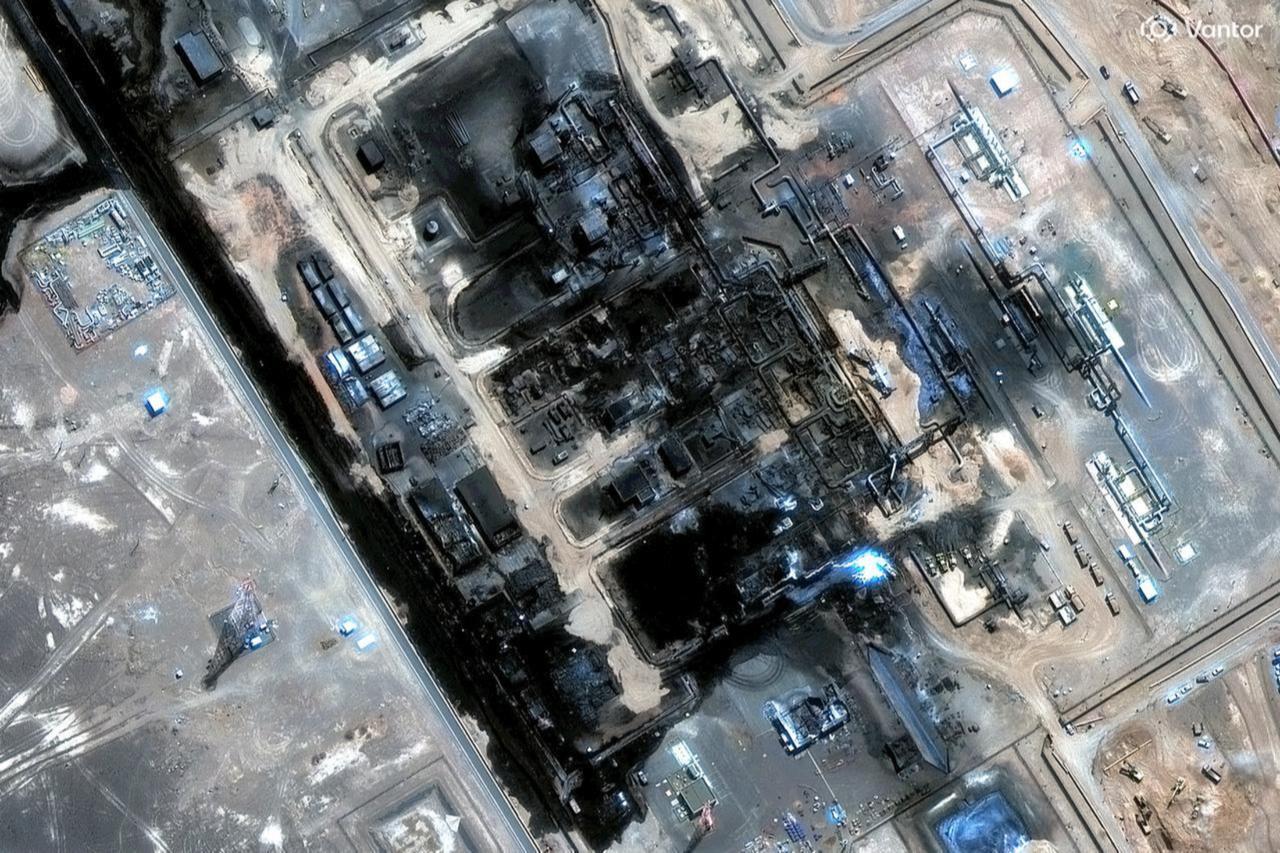
Inspectors from the International Atomic Energy Agency (IAEA) visited two sites last month, one in Deir Ezzor and another at an undisclosed location identified by Syrian authorities.
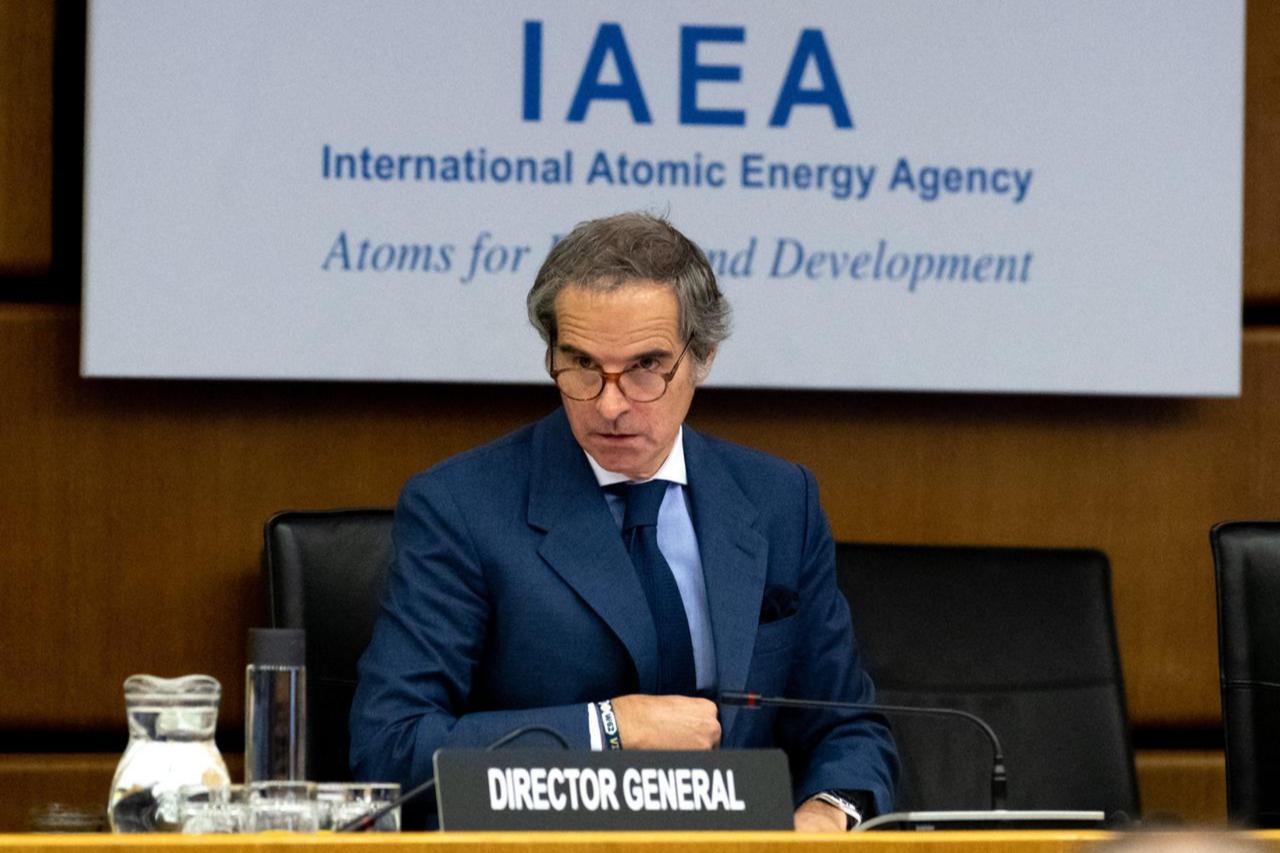
IAEA chief Rafael Grossi said Monday that a nearly complete nuclear reactor found in Deir Ezzor and built secretly during Assad’s rule would have been able to produce material for nuclear weapons.
The IAEA board “adopted by consensus” a text stating that a 2011 resolution finding Syria in noncompliance with its obligations was “terminated,” two diplomats told AFP.
The resolution, seen by AFP, noted the current Syrian government’s cooperation.
Submitted by Egypt, Jordan, Morocco and Saudi Arabia, the resolution “encourages Syria to continue its cooperation with the agency, including the excavation work at the Deir Ezzor site.”
It also “requests the director general to update the board, as appropriate, on the outcomes of ongoing activities of the agency” in Syria.


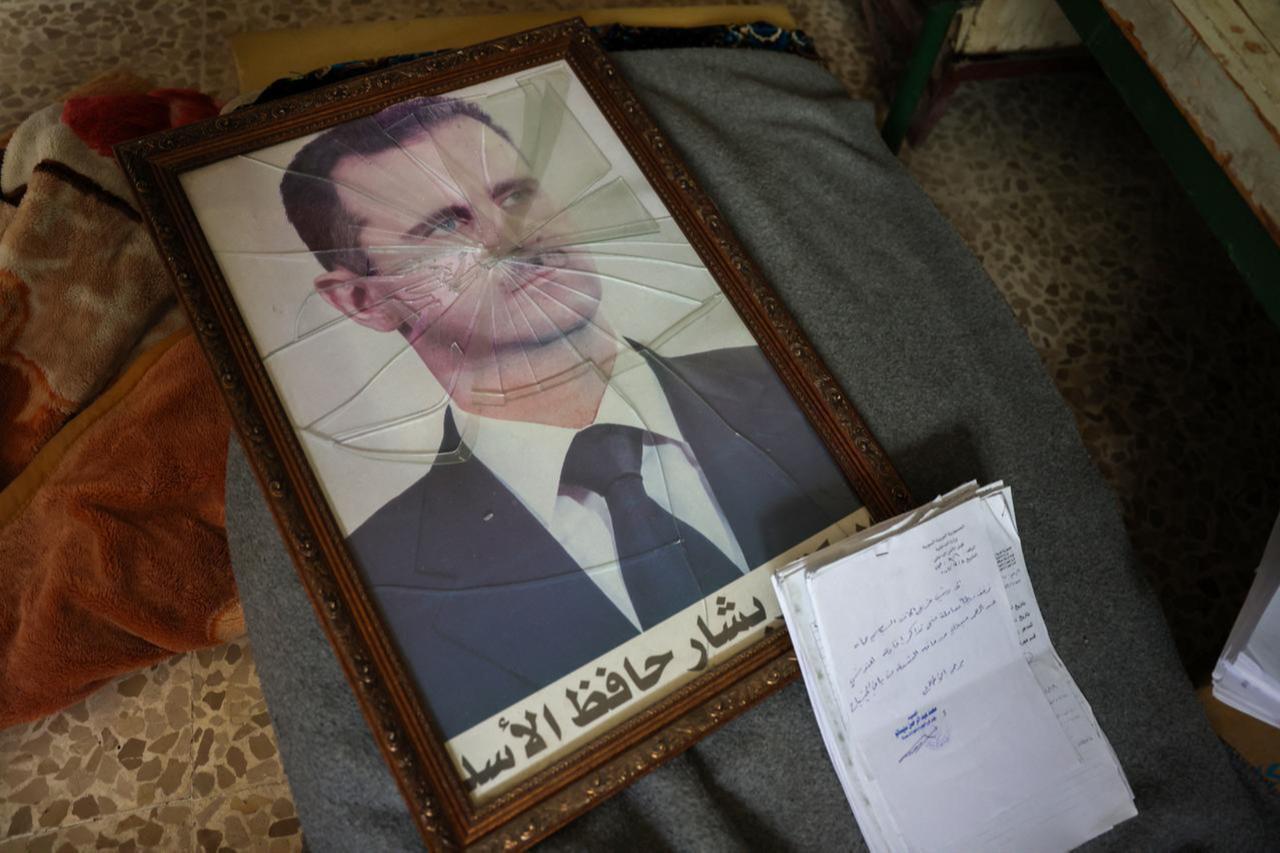
Assad was toppled in December 2024, and the current Islamist government later came to power.
Grossi said Monday that it was “obvious that the previous government was pursuing several clandestine" activities.
Besides the reactor under construction at the Deir Ezzor site, the IAEA found a fuel fabrication plant where nuclear fuel for the reactor was manufactured, as well as a location where nuclear fuel, uranium scrap and waste were stored.
In a confidential report seen by AFP last week, the IAEA said it found around 73 tons of natural uranium metal.
Grossi praised Damascus’ “courageous decision” to report the undisclosed site.
The U.N. atomic watchdog declared in 2011 that the location was “very likely” to host a nuclear reactor and said its information suggested it was being built with North Korean assistance.
Last month, Grossi visited the site in Deir Ezzor in eastern Syria, which has been shut for 18 years.
In 2018, Israel admitted carrying out a top-secret air raid on the site 11 years earlier.
In 2008, less than a year after the strike, U.S. officials accused Syria of having sought to build a secret nuclear reactor and acknowledged that Israel had destroyed it in the raid.
Robert Kelley, a former director of IAEA inspections and now an associate fellow at the Stockholm International Peace Research Institute, told AFP after the IAEA report that there was “no evidence of any weapons program” in Syria.
Instead, Kelley said, the aim before the site was destroyed may have been to produce plutonium for North Korea, possibly to sell to a third party.


 Set as preferred source
 Set as preferred source


 1 min read
 1 min read