Newsletters


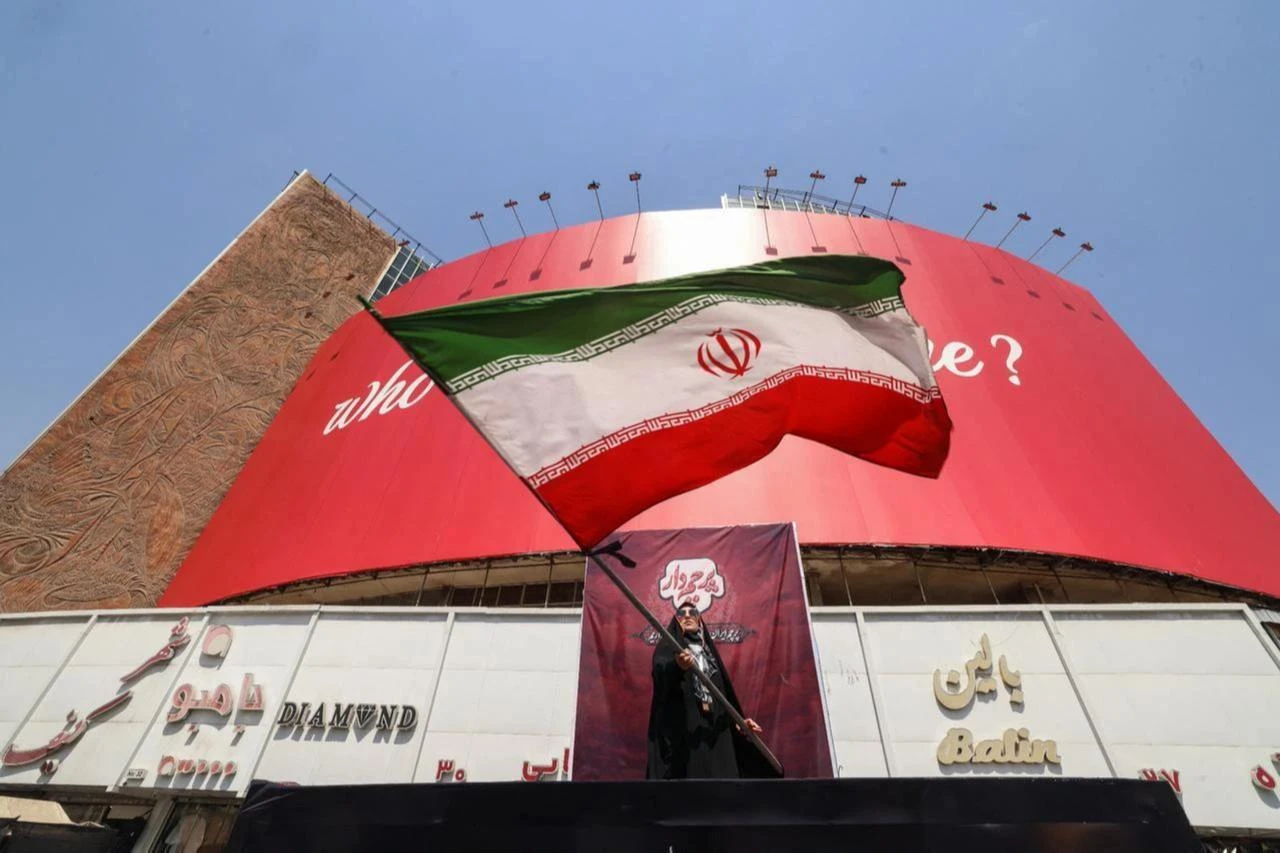


U.N. human rights chief Volker Turk said Wednesday he was alarmed by a sharp increase in executions and death sentences in Iran since March, accusing Tehran of using capital punishment to instill fear and suppress dissent.
At least 56 people have been executed on national security-related charges since March 19, including 27 in cases connected to protests at the beginning of the year, Turk said in a statement.
More than 100 others face possible execution on similar charges, while executions for drug-related offenses are also continuing at what he described as an alarming rate.


Iran executed three people March 19 after they were convicted of killing police officers and carrying out operations in support of the U.S. and Israel.
Those were the first officially announced executions linked to nationwide anti-government demonstrations that peaked Jan. 8 and 9.
“I am alarmed by the rise in executions and death sentences issued in Iran since March, and that capital punishment continues to be used to instil fear among the population and suppress dissent,” Turk said.
He also raised concerns about what he described as persistent failures to guarantee fair trials and due process.
Confessions were allegedly obtained through torture and other forms of ill-treatment, he said.
Several executions were reportedly carried out in public, while some took place only weeks after the individuals were arrested, Turk said.
He added that 12 defendants were reportedly sentenced to death after a single closed-door hearing lasting three hours.
A protest movement that began in late December over the high cost of living quickly developed into widespread anti-government demonstrations.
Iranian authorities reported more than 3,000 deaths but blamed the violence on what they described as terrorist acts organized by the U.S. and Israel.
Rights groups based outside Iran reported a higher death toll and accused security forces of firing on demonstrators.
The U.S. and Israel launched a joint attack on Iran on Feb. 28, triggering the Middle East war.
Arrests and executions linked to both the conflict and the protests have increased since then.
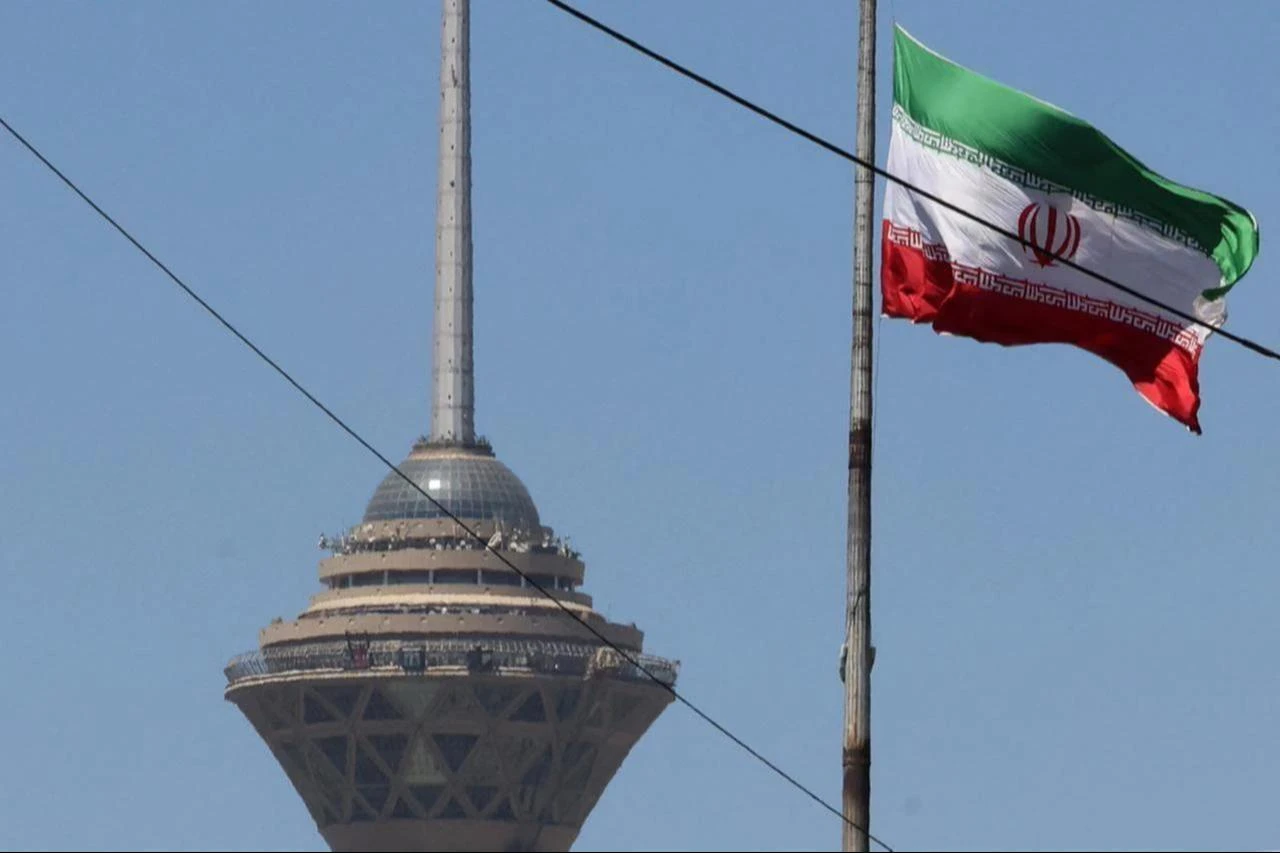
Iran executed more than 2,150 people last year, according to Amnesty International.
That figure again made Iran the world’s most prolific executioner after China by a wide margin.
Turk called on Iranian authorities to halt all executions and move toward abolishing the death penalty.
He said capital punishment was incompatible with the right to life and irreconcilable with human dignity.
“Such punishment has no place in our world,” Turk said.


 Set as preferred source
 Set as preferred source


 1 min read
 1 min read