Newsletters


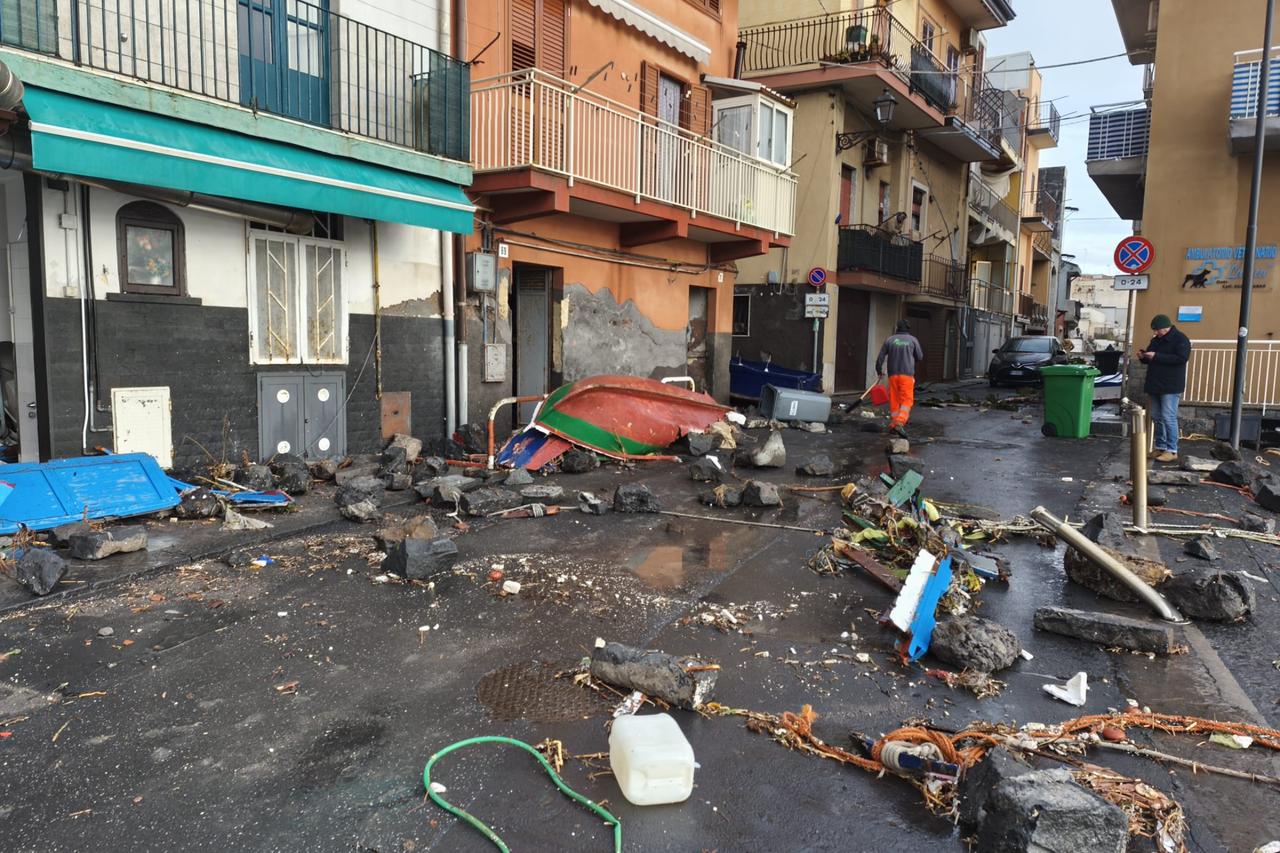


Several coastal communities along the Ionian shoreline in southern Italy have been knocked badly out of shape by Cyclone Harry and two days of intense storm surges, with local officials warning residents to stay away from the seafront while emergency checks and early clean-up efforts get under way.
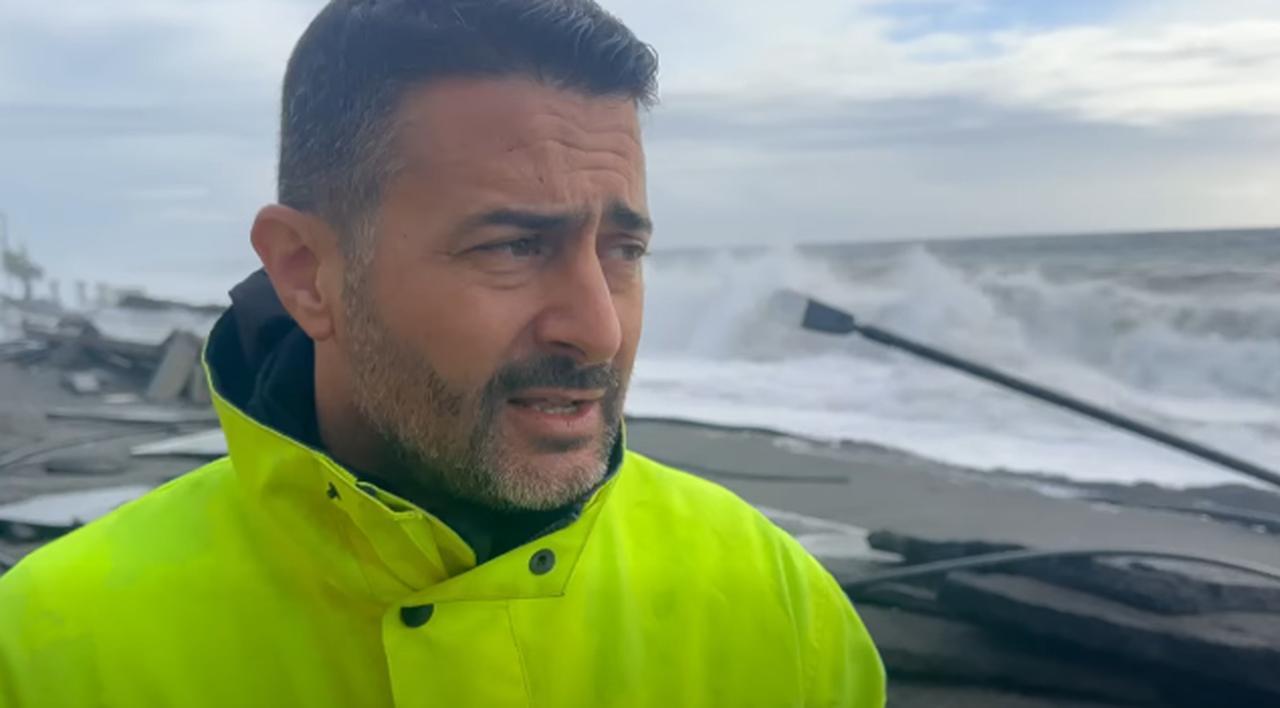

Furci Siculo, a small municipality on Sicily’s Ionian coast, has been among the hardest hit areas. Mayor Matteo Francilia described the situation as “an apocalypse,” saying large parts of the town’s seafront promenade had effectively disappeared. In a video message addressed to residents, he said municipal teams had stayed on the ground through the night and were going door to door to check homes, while reporting that businesses along the waterfront had been devastated.
As he sized up the damage, Francilia urged people not to “mess around with the sea” and asked residents not to go down to the promenade, arguing it would also help crews as they carried out their work. He said he had spoken with the local prefect (the central government’s representative in the area), the president of the regional administration, and Italian Transport Minister Matteo Salvini, stressing that help was needed across the Ionian Riviera.
While noting that the community was mourning, Francilia pushed for immediate action, saying, “We do not have time to cry,” and calling on the area to get back up and start over straight away.
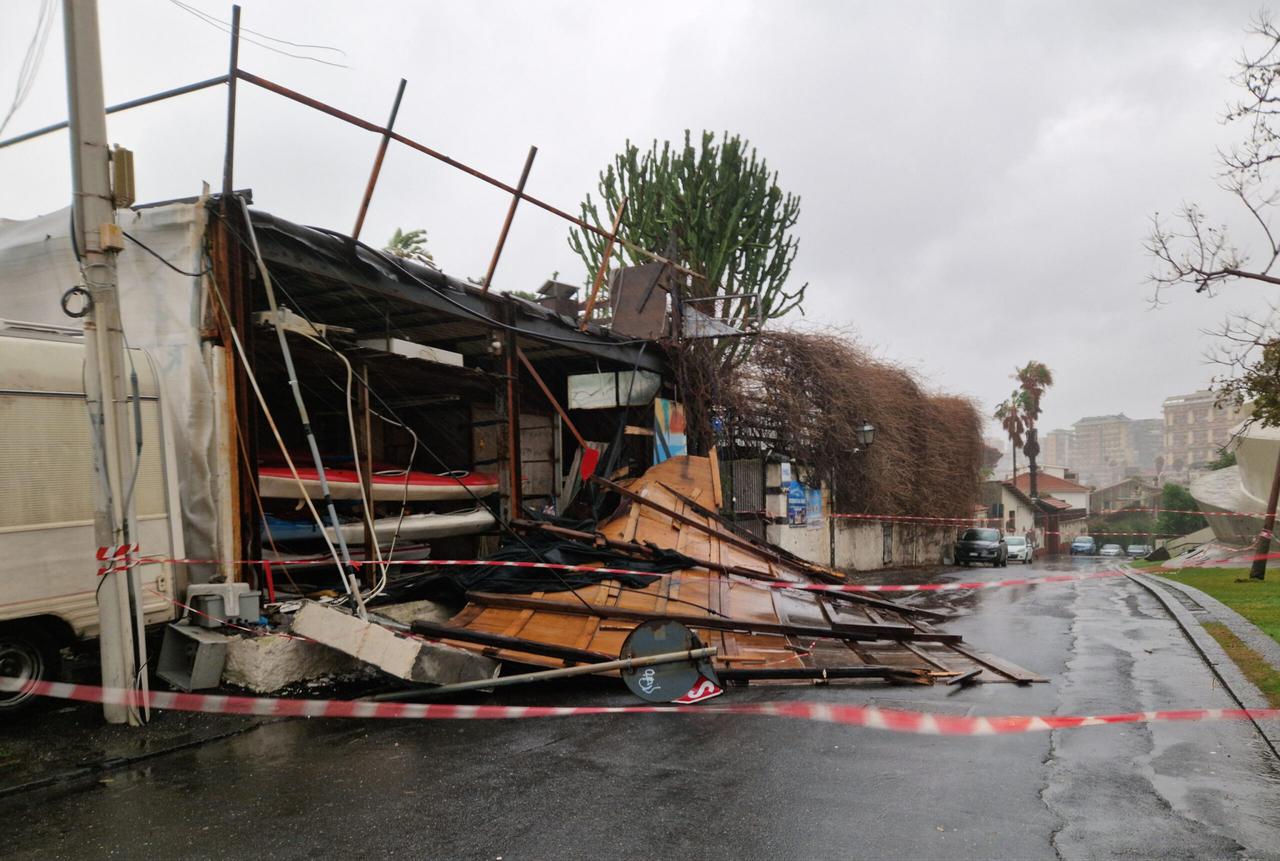
Beyond Furci Siculo, the storm system was linked to serious knock-on effects in the broader Messina area. One report referenced a collapse in Itala and said train services were halted on routes connecting Messina with Catania and Syracuse, three major cities in eastern Sicily.
Other nearby towns were also reported to have suffered heavy damage overnight, including Letojanni, Roccalumera, and Sant’Alessio. Separately, Santa Teresa di Riva was described as being without water and electricity, with a local comparison that it “seems like a war bulletin.”
Across the water in Calabria, the Italian mainland region opposite Sicily, regional councillor Giuseppe Falcomata of the Democratic Party said the institutional response would have looked very different if the same scale of damage had struck other parts of the country. He argued that elsewhere there would likely have been an extraordinary Cabinet meeting, high-profile political visits to damaged coastlines, and an emergency decree to allocate funds for clearing up affected areas.
Falcomata said Calabria had been hit by what he called “a real cyclone” since Sunday night, with damage estimated in the hundreds of millions of euros, but claimed that even a day after the official alert ended, both the regional leadership and national representatives elected from Calabria had failed to take concrete steps. He also criticised the region’s president, Roberto Occhiuto, accusing him of playing down the emergency and focusing on internal party matters while communities remained in distress. Falcomata said he had formally asked in the Budget Committee for extraordinary resources to be allocated to the municipalities affected, insisting that concrete measures were needed rather than rhetoric.
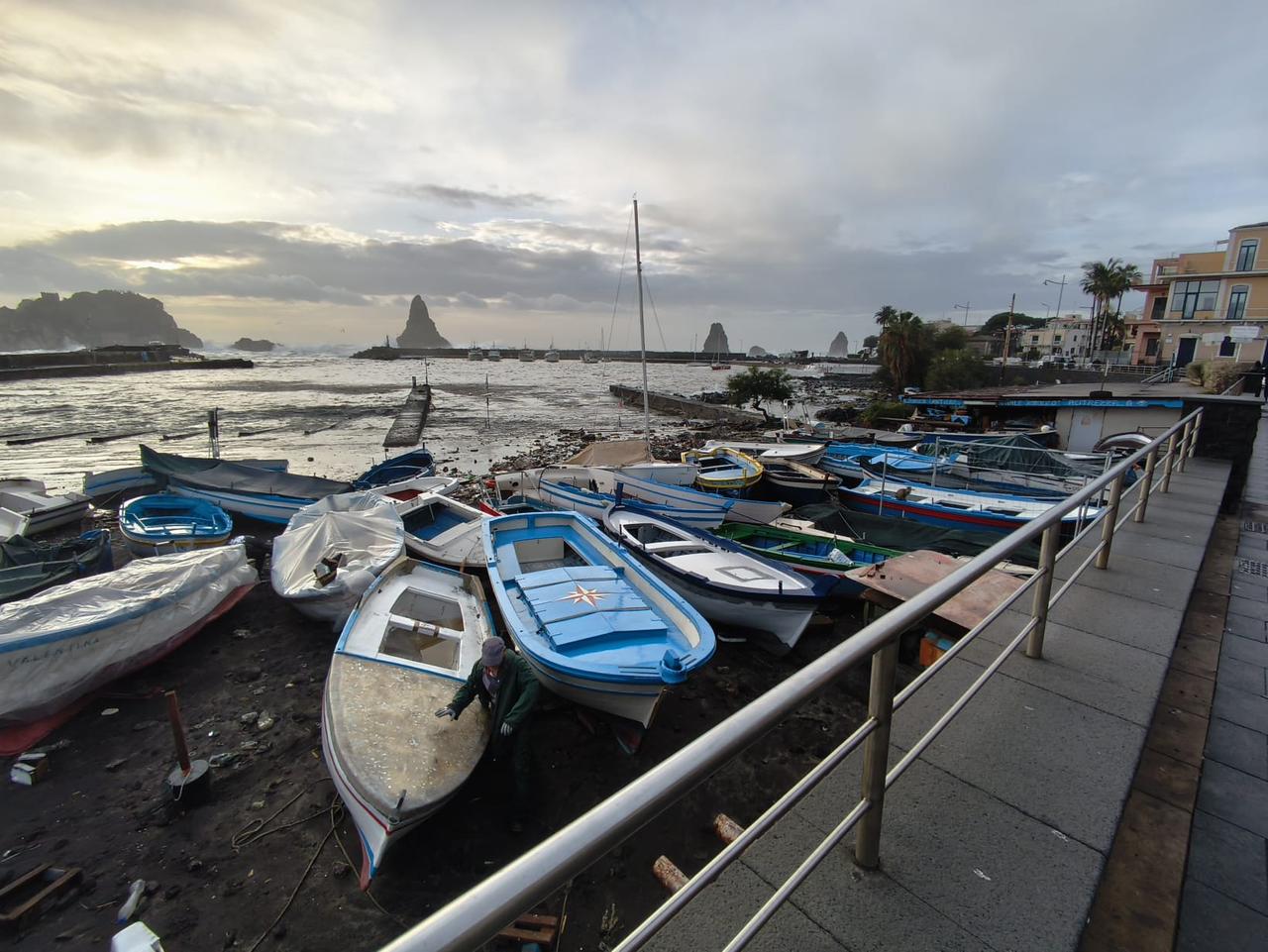
In the coastal village of Galati Marina, within the municipality of Messina, residents also reported storm impacts, including flooded homes and garages, sand pushed into gardens and basements, and damage to some commercial premises and exterior structures. Collapsed walls and fencing were also mentioned, and some residents requested help from Civil Protection and the fire service.
However, Giulia Ingegneri, a representative of the local committee “Salviamo Galati Marina” (Let’s Save Galati Marina), said the village had fared better than neighbouring communities to the south. She said the damage should not be underestimated, but added that residents were “crying a bit less than our neighbours,” linking the relative outcome to coastal barriers installed on the beach starting in 2022, which she said helped keep the worst from playing out.
Local authorities in Messina are also set to move ahead with additional anti-erosion works in Galati Marina and Mili Moleti, with a project described as worth more than €1.5 million ($1.75 million). According to councillor Francesco Caminiti, the plan involves restoring “rip-rap groynes” (shoreline structures built out from the beach to break up waves and hold sand in place) back to their original shape and size to improve protection from storm surges.
The project also includes leveling and redistributing existing sand to increase the coast’s compactness and mechanical resistance against wave action. At the same time, works were expected to start for safety upgrades and redevelopment of the Acqualadrone seafront on the opposite coastline.


 Set as preferred source
 Set as preferred source


 1 min read