Newsletters


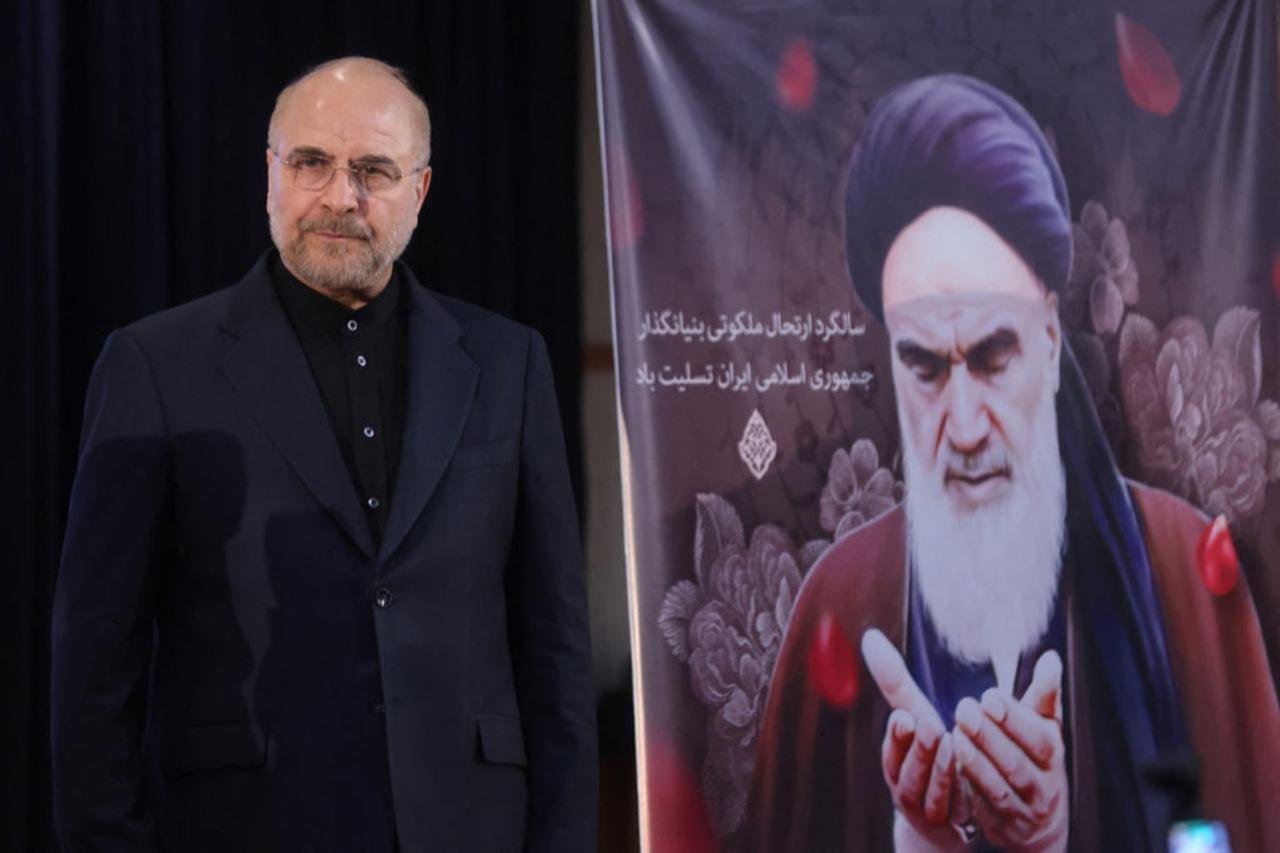


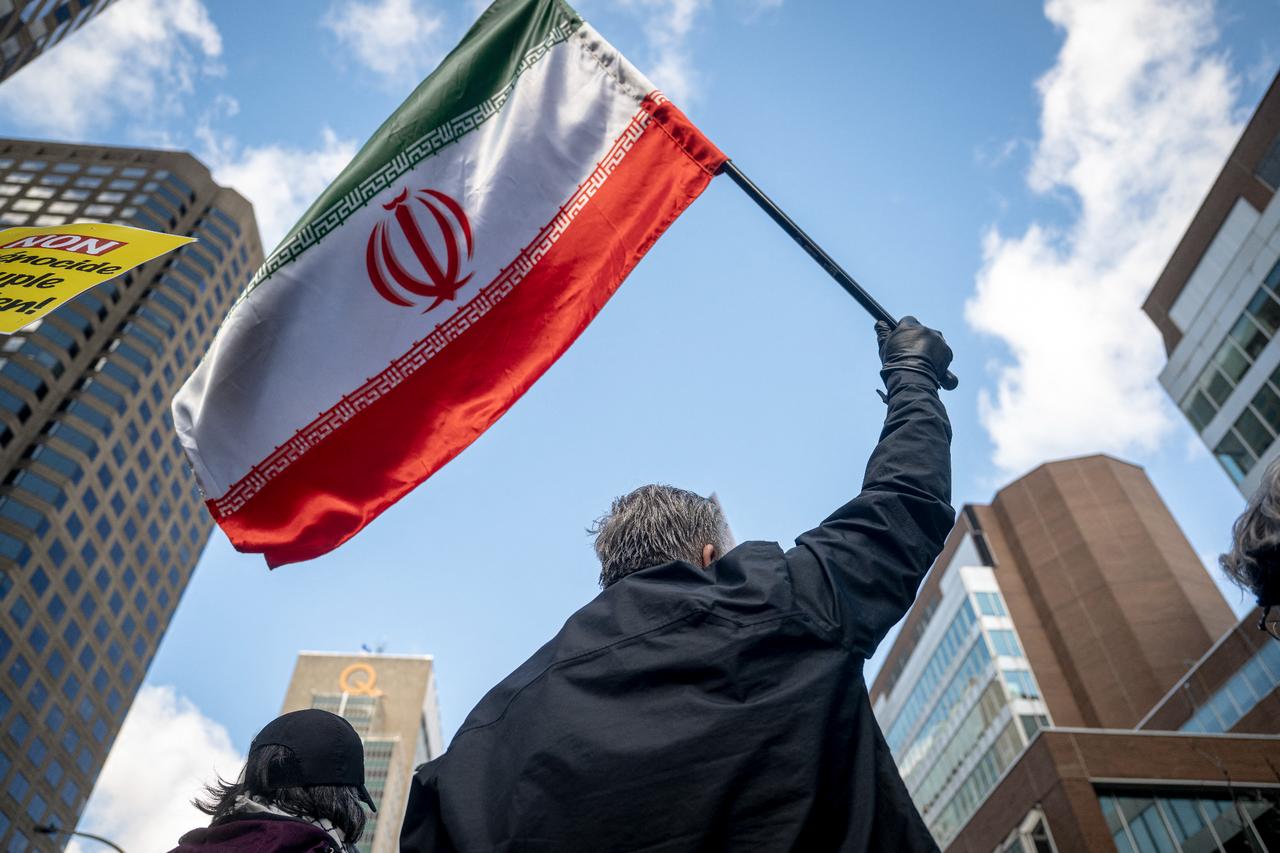
Mohammad-Bagher Ghalibaf, the speaker of Iran's parliament and the very figure reportedly at the center of Washington's diplomatic outreach, flatly denied on Monday that any negotiations had taken place between Tehran and the United States, dismissing President Donald Trump's assertions of productive talks as a calculated effort to manipulate global markets.
"No negotiations have been held with the US, and fakenews is used to manipulate the financial and oil markets and escape the quagmire in which the US and Israel are trapped," Ghalibaf wrote in an English-language post on X, the social media platform.
The denial comes as Israeli media identified Ghalibaf as the senior Iranian official with whom US envoys Steve Witkoff and Jared Kushner had reportedly been engaged in discussions.
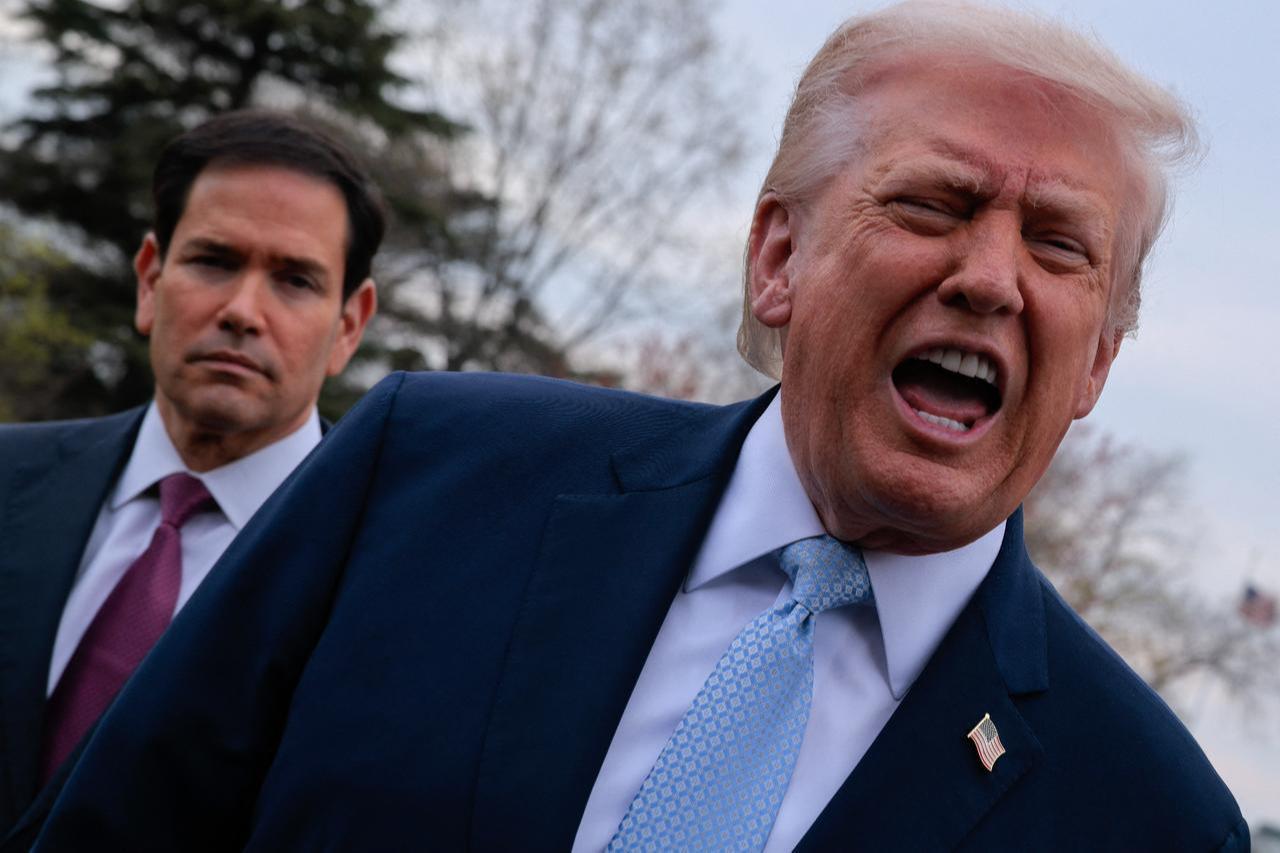
Trump himself told reporters he had been negotiating with a high-ranking figure he described as "the most respected" person in the Iranian government, though he declined to name the individual.
Ghalibaf's rebuke came just hours after Trump posted an all-caps message on Truth Social announcing that the two countries had conducted "very good and productive" conversations over the preceding two days, and that he was ordering a five-day pause on planned strikes against Iranian power plants and energy infrastructure.

Ghalibaf is a former general in the Revolutionary Guard Corps, a former mayor of Tehran, and a close associate of the new supreme leader, Mojtaba Khamenei.
He played a key role in managing Iran's war effort during the twelve-day conflict in June 2025 and is currently regarded as the most senior civilian official in Iran's decision-making circle.
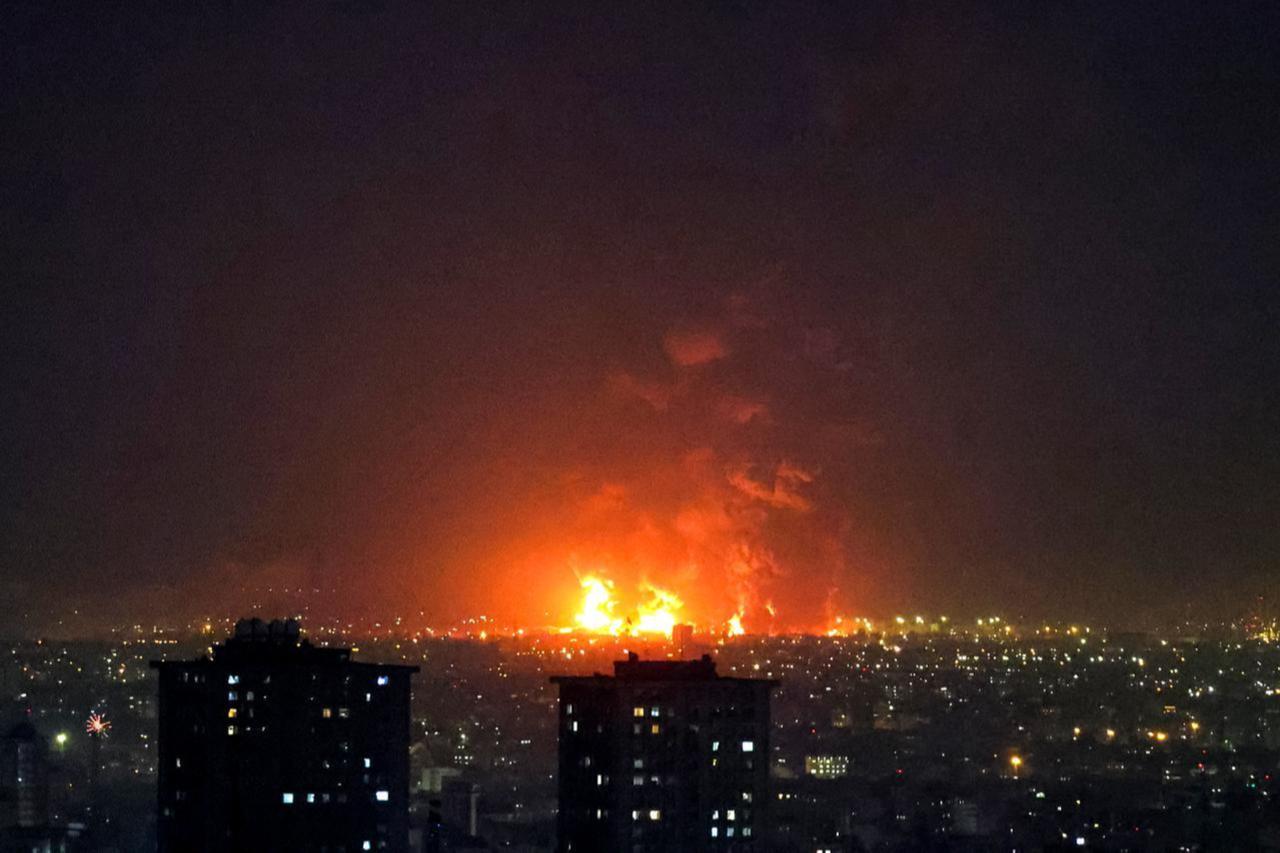
It was Ghalibaf who, days earlier, warned that any strikes on Iran's energy infrastructure would lead to the "irreversible destruction" of critical energy and oil facilities across the region. That he is now the one publicly rejecting claims of dialogue underscores the distance between Washington's narrative of diplomatic progress and Tehran's posture of defiance.
In his post, Ghalibaf also struck a combative tone on the war itself, writing that the Iranian people "demand complete and remorseful punishment of the aggressors" and that "all Iranian officials stand firmly behind their supreme leader and people until this goal is achieved."
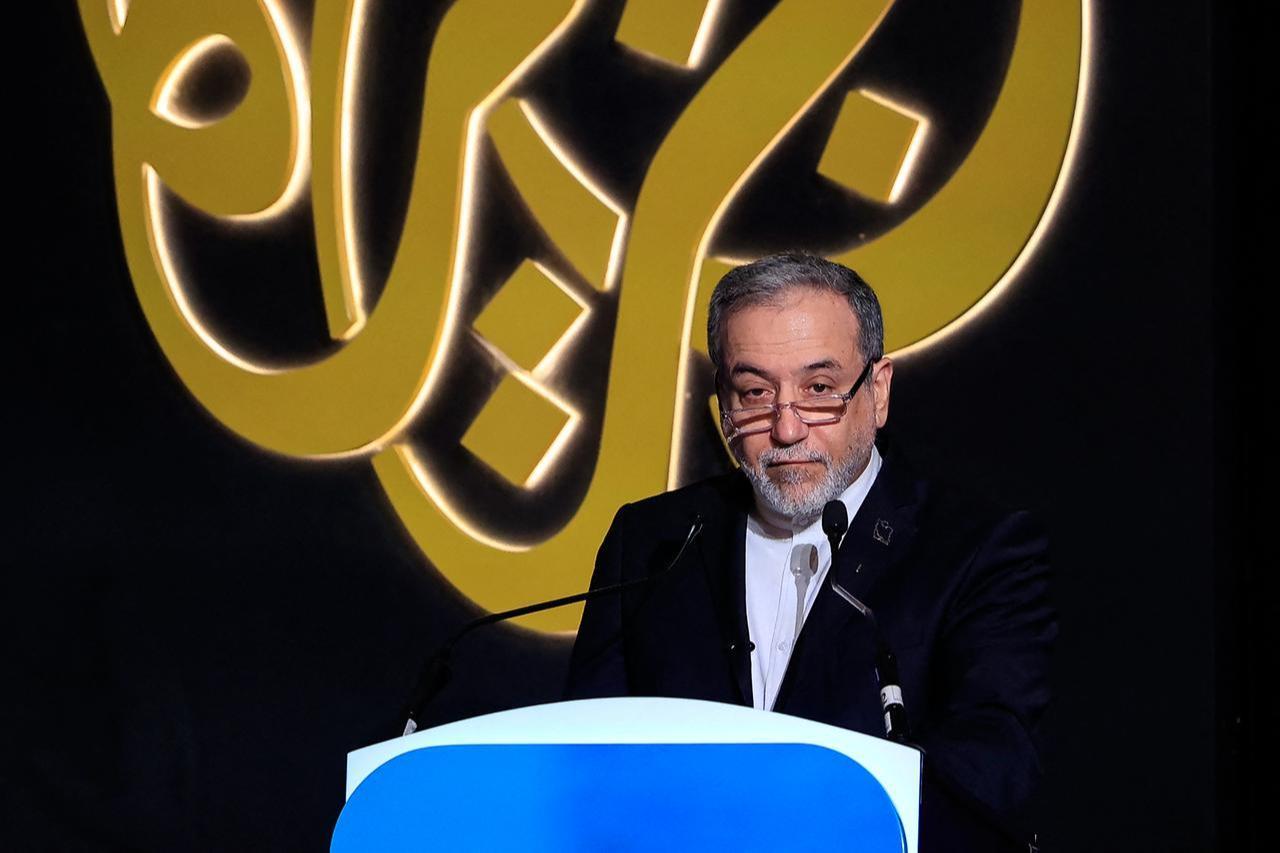
Ghalibaf was far from alone. Iran's Foreign Ministry issued its own formal rejection, stating that there are no ongoing negotiations between the two countries and describing Trump's statements as an attempt to lower energy prices and buy time for further military operations. The ministry acknowledged that some countries in the region were working to reduce tensions, but drew a sharp line between regional mediation and direct engagement with Washington.
The IRGC-affiliated Fars News Agency reported that there had been "no direct or indirect contact" with the US president. An unnamed senior security official, quoted across Iranian state outlets, called Washington's claims "psychological warfare" and insisted they would neither reopen the Strait of Hormuz nor stabilize energy markets.
The denials constitute a unified message from Iran's political, diplomatic, and security establishments, a pattern that has recurred throughout the conflict. Earlier this month, Iran's Foreign Minister Abbas Araghchi told PBS NewsHour that he did not believe negotiating with the United States would "be on the table" again, citing what he called a "very bitter experience of talking with Americans." He noted that indirect talks were underway both in June 2025 when the US first struck Iran and again in February 2026 when Washington attacked a second time.
Iran's deputy foreign minister, Majid Takht-Ravanchi, also stated in early March that Tehran had conveyed no message to Washington, saying the country was focused entirely on defending itself.
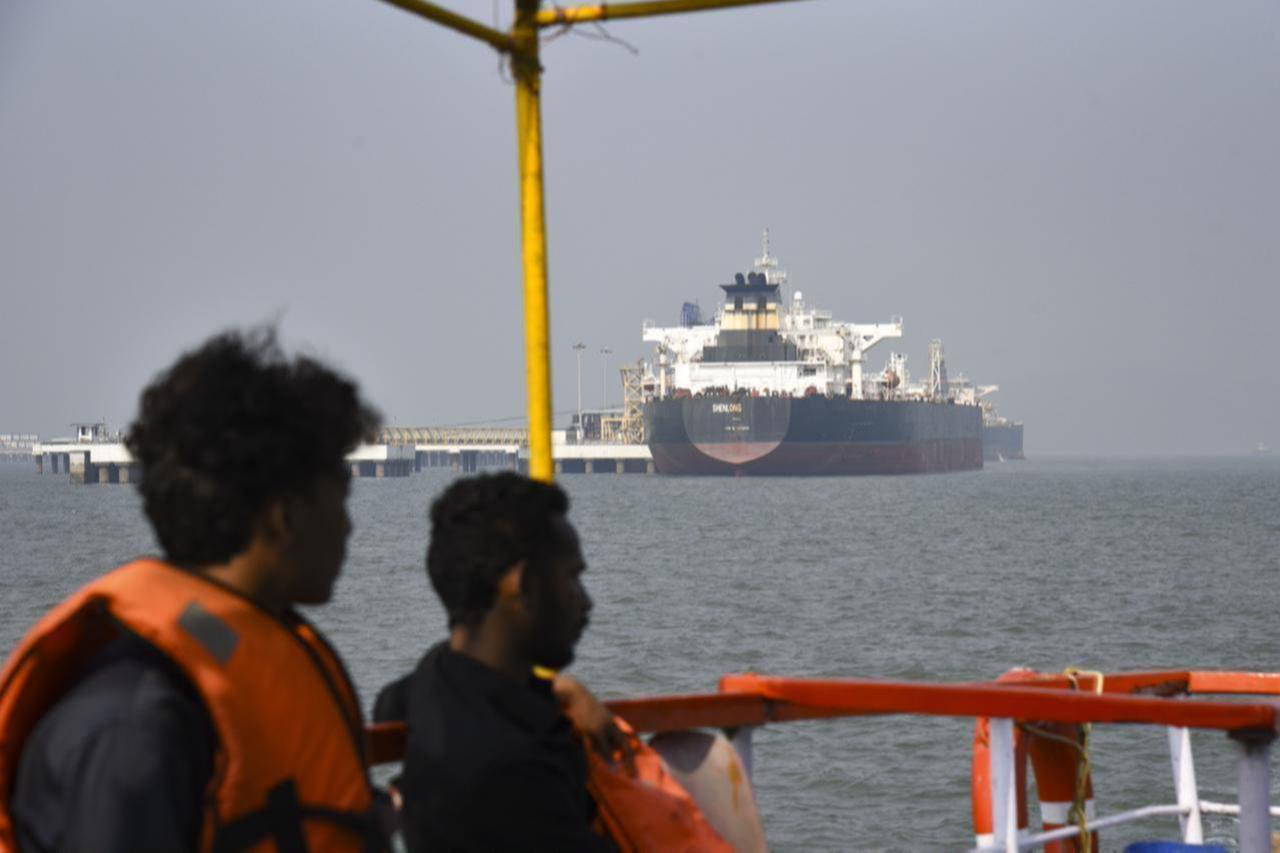
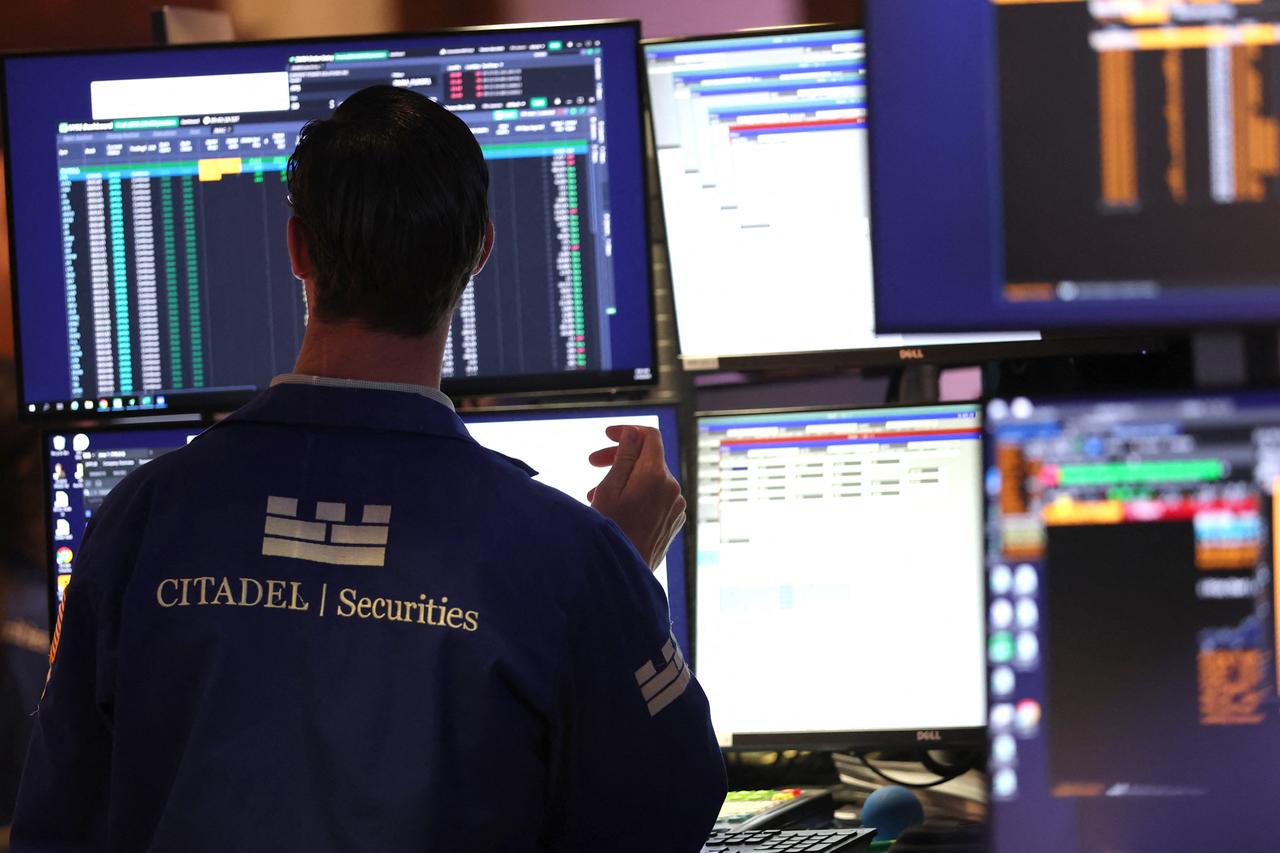
The immediate market reaction illustrated the stakes behind the dueling claims. US stock futures, which had been trading down more than one percent before Trump's post, surged nearly three percent within minutes. Brent crude dropped more than eleven percent before partially recovering. The S&P 500 opened sharply higher, heading toward its strongest session since the war began in late February.
Ghalibaf's accusation that the talk of negotiations was engineered to move markets found a receptive audience among skeptics. Reports circulated that the S&P 500 gained roughly two trillion dollars in value within minutes of Trump's announcement, before Iranian denials introduced fresh uncertainty.
Trump dismissed Iran's denials, attributing them to miscommunication within the Iranian leadership. He told reporters that the Iranians "called, I didn't call," and asserted that Tehran had agreed to fifteen points, including a complete renunciation of nuclear weapons. None of those claims have been confirmed by Iranian officials.
Behind the scenes, sources indicated that Türkiye, Egypt, and Pakistan had been passing messages between the US and Iran over the preceding two days, with their foreign ministers holding separate conversations with Witkoff and Araghchi. Another source with knowledge of the discussions said there did not appear to have been any direct talks between Ghalibaf and Trump's team, suggesting the actual level of engagement may fall well short of what Trump described.
An Israeli official said mediating countries were attempting to convene a meeting in Islamabad this week, potentially bringing together Ghalibaf and other Tehran officials with Witkoff, Kushner, and possibly Vice President JD Vance. That same official acknowledged Israel had been caught off guard by Trump's announcement, saying "we did not know things were moving that fast."


 Set as preferred source
 Set as preferred source


 1 min read
 1 min read