Newsletters


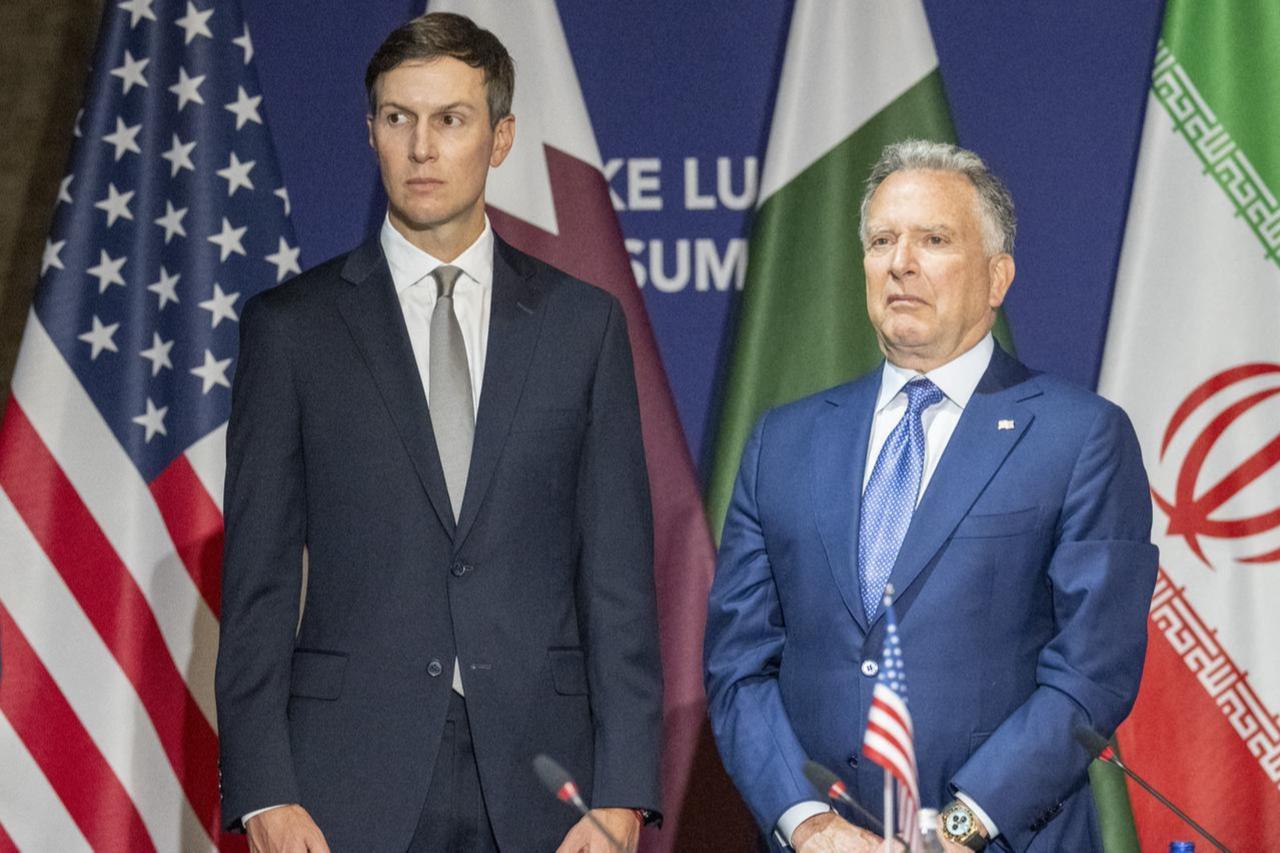


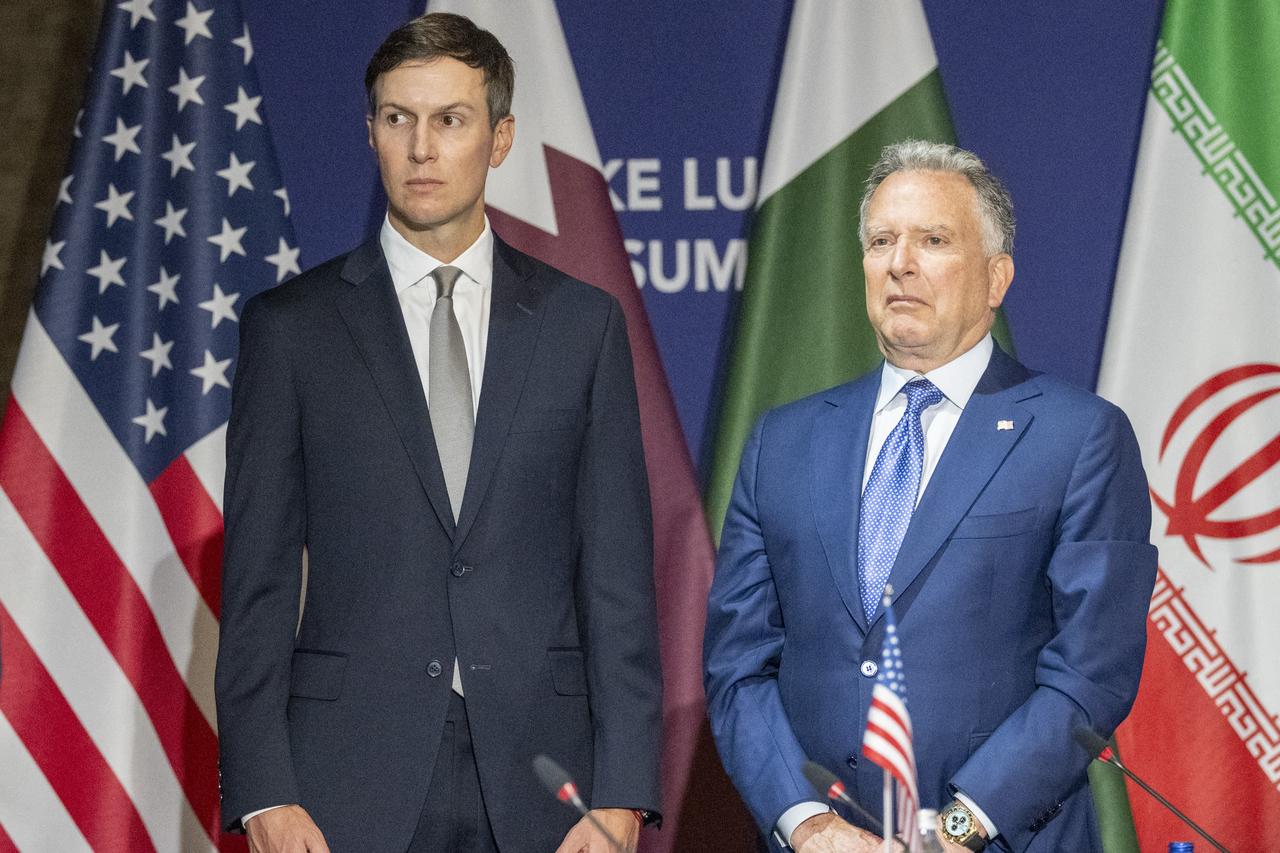
US negotiators Steve Witkoff and Jared Kushner held talks described as "positive" in Qatar this week, as Washington and Tehran move to translate a recently signed peace memorandum into a durable settlement.
A senior administration official speaking to Bloomberg said progress is being made on technical discussions aimed at solidifying the broad framework of the agreement, which covers some of the most contentious issues in US-Iran relations, including sanctions relief, nuclear verification, and the full reopening of the Strait of Hormuz.
The current negotiating period, which began last month, gives both sides until around Aug. 18 to reach agreement on the terms outlined in the memorandum of understanding brokered by Pakistan and electronically signed by Iranian President Masoud Pezeshkian and President Donald Trump.
The accord provides a framework for ending the conflict that began in late February, including a cessation of hostilities across all fronts, among them Lebanon, and addresses broader regional security arrangements.
Officials speaking to the Wall Street Journal indicated that Trump is willing to allow talks to extend beyond the initial August deadline if doing so keeps the negotiating process viable.
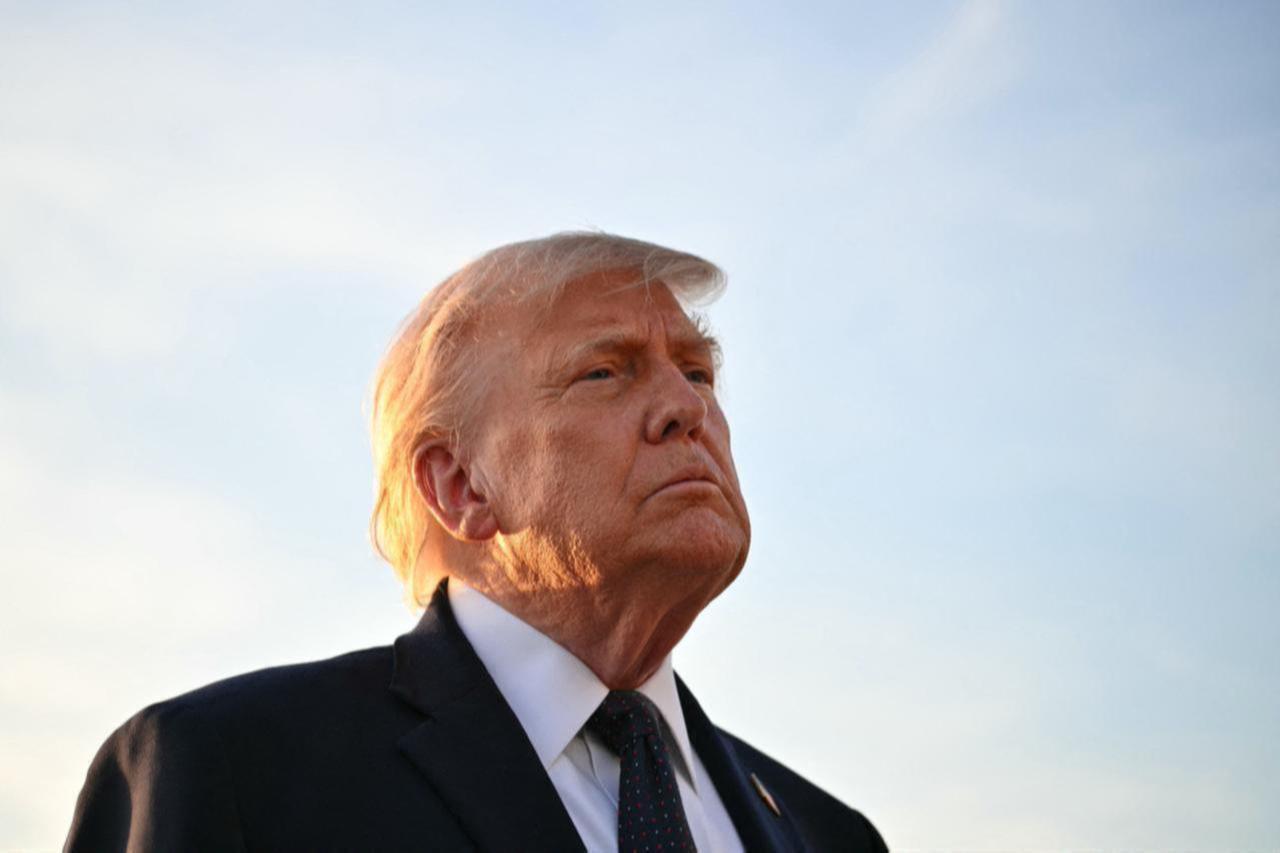

Even as diplomats work the phones in Doha, the Wall Street Journal reported that Trump recently met with senior military advisers, including Defense Secretary Pete Hegseth, to discuss a potential return to full-scale military operations against Iran.
Trump ultimately decided against it, expressing concern that renewed attacks would "derail diplomacy" and complicate efforts to dismantle Iran's nuclear program, a central US objective throughout the conflict.
The episode underscores the precarious balance the administration is attempting to maintain, pressing Iran at the negotiating table while keeping the threat of force in reserve.
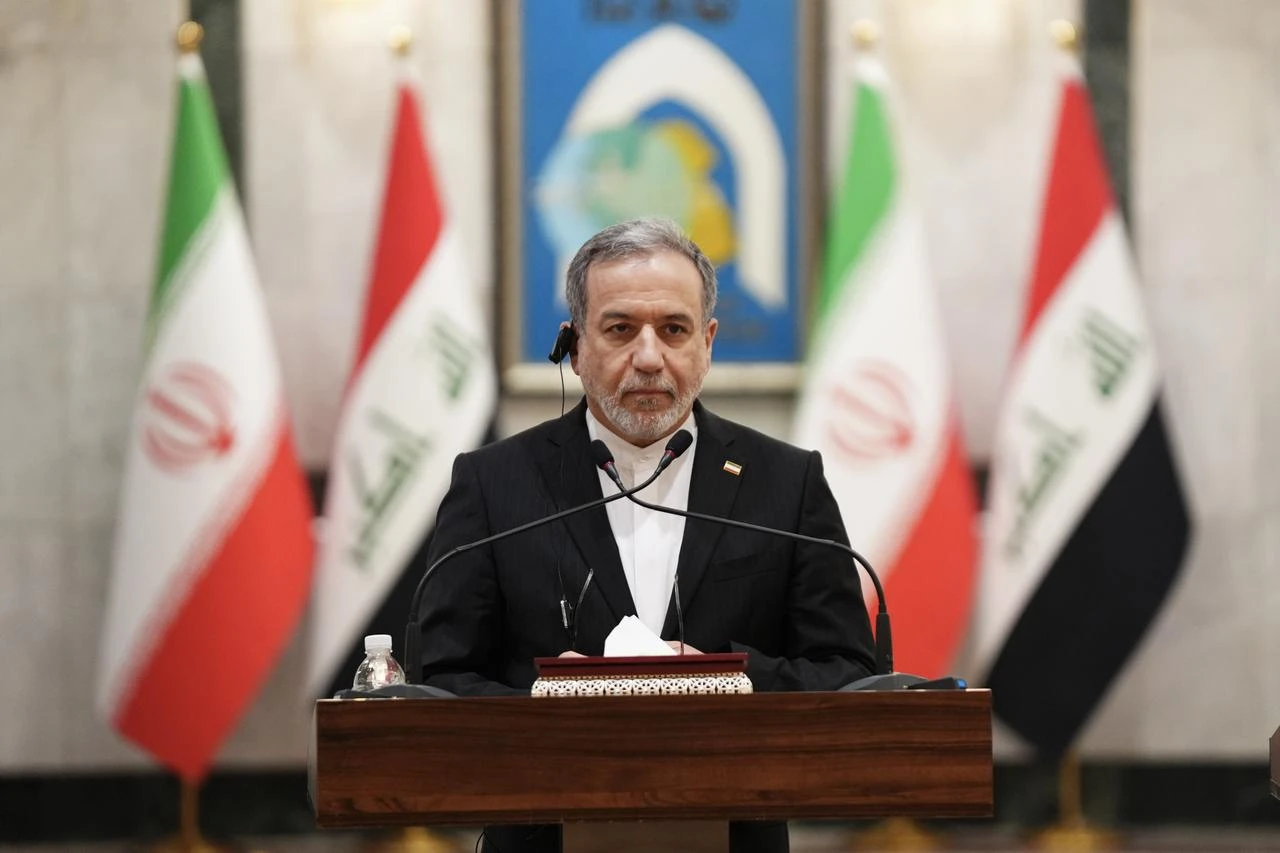
Despite the upbeat signals coming from Washington, Iran has officially denied that any direct meetings with American representatives are planned, insisting that all consultations take place through intermediaries.
The posture reflects a familiar dynamic in US-Iran diplomacy, where both governments have historically maintained public distance even while engaging substantively behind the scenes.
The Strait of Hormuz, a narrow waterway through which roughly a fifth of the world's oil supply passes, has been a flashpoint throughout the conflict and remains a core issue in the negotiations. Its full reopening is listed explicitly in the memorandum as a condition to be resolved during the 60-day window.


 Set as preferred source
 Set as preferred source


 1 min read
 1 min read