Newsletters


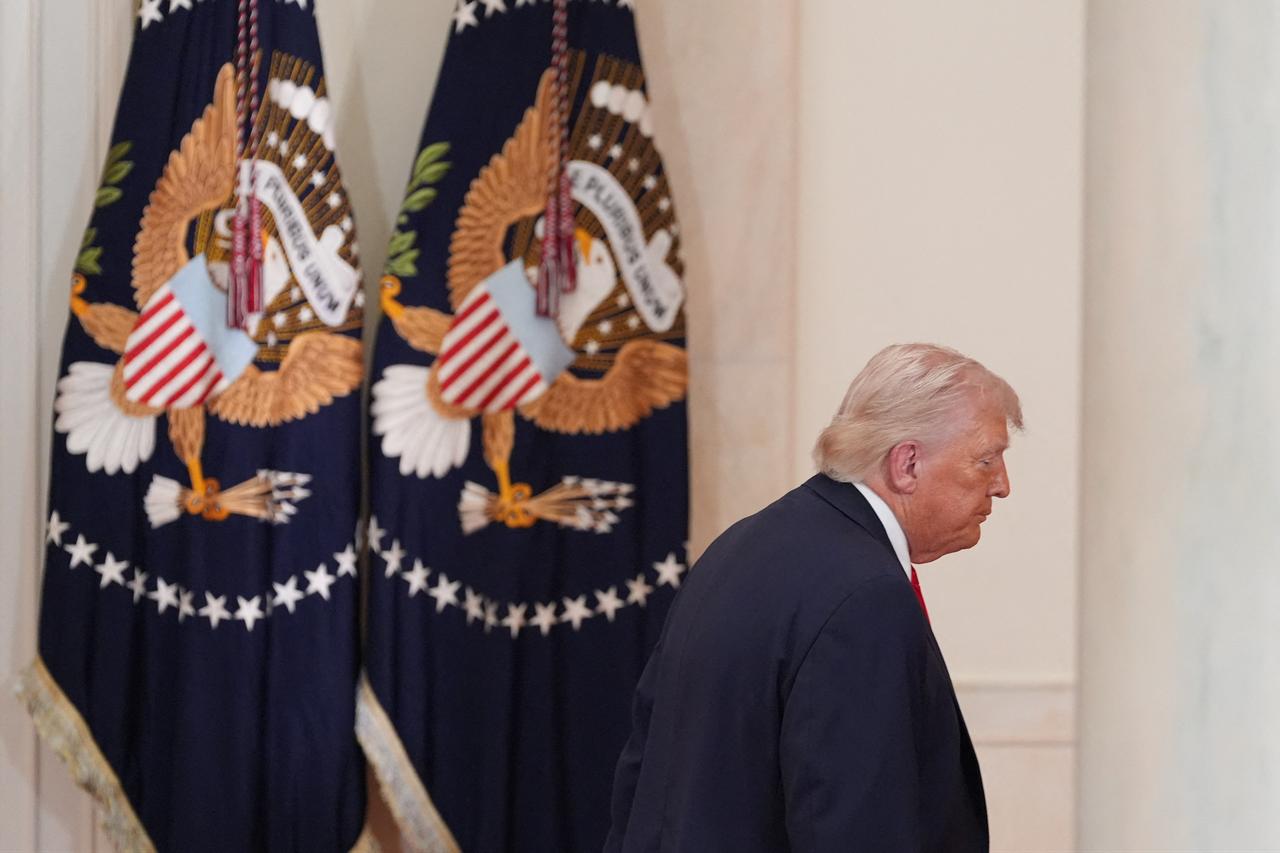


U.S. President Donald Trump stated on Friday that the United States can "easily" open the Strait of Hormuz and seize its oil revenues, given more time.
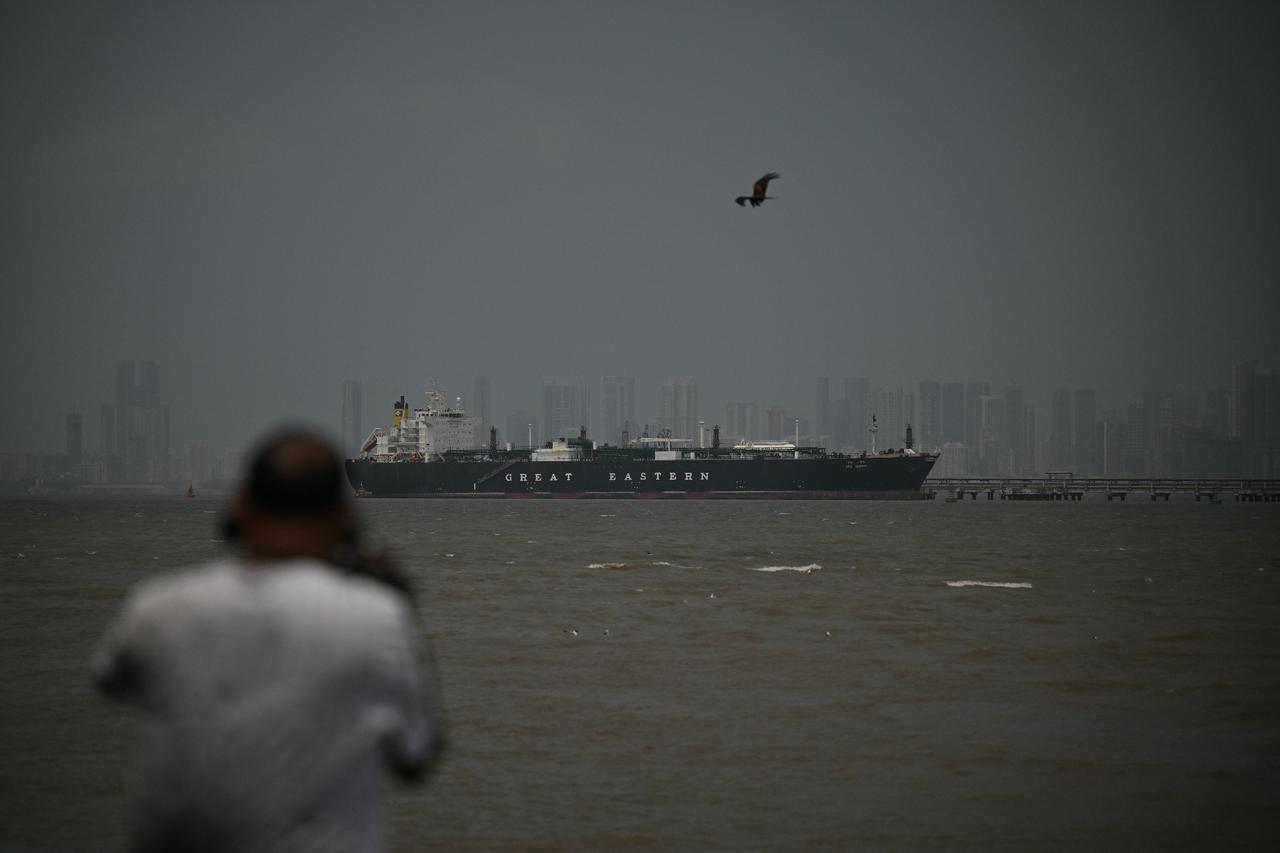
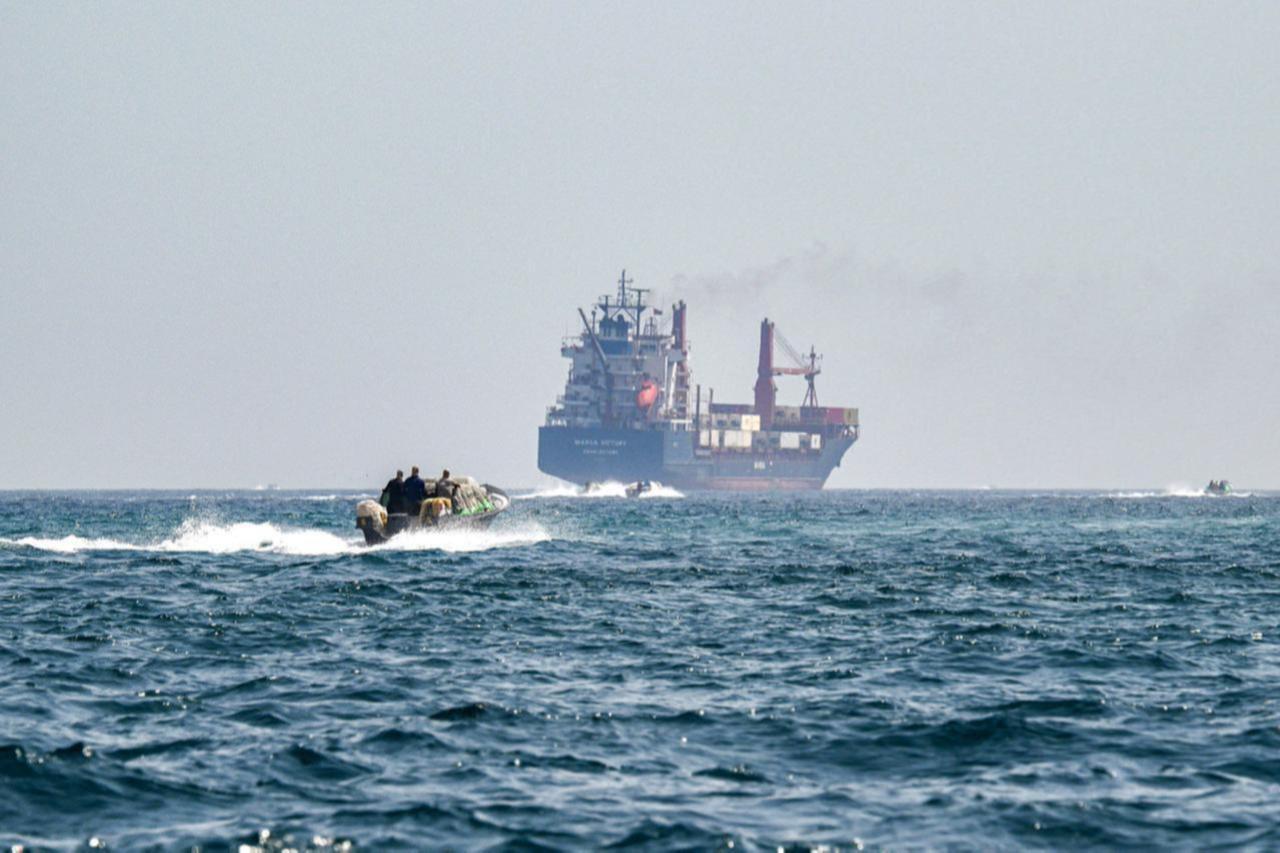
Maritime data showed ship transits through the critical waterway ticking up for a third consecutive day, but still running 95% below prewar levels nearly five weeks into the Iran conflict.
"With a little more time, we can easily OPEN THE HORMUZ STRAIT, TAKE THE OIL, & MAKE A FORTUNE. IT WOULD BE A 'GUSHER' FOR THE WORLD???" Trump wrote on Truth Social.
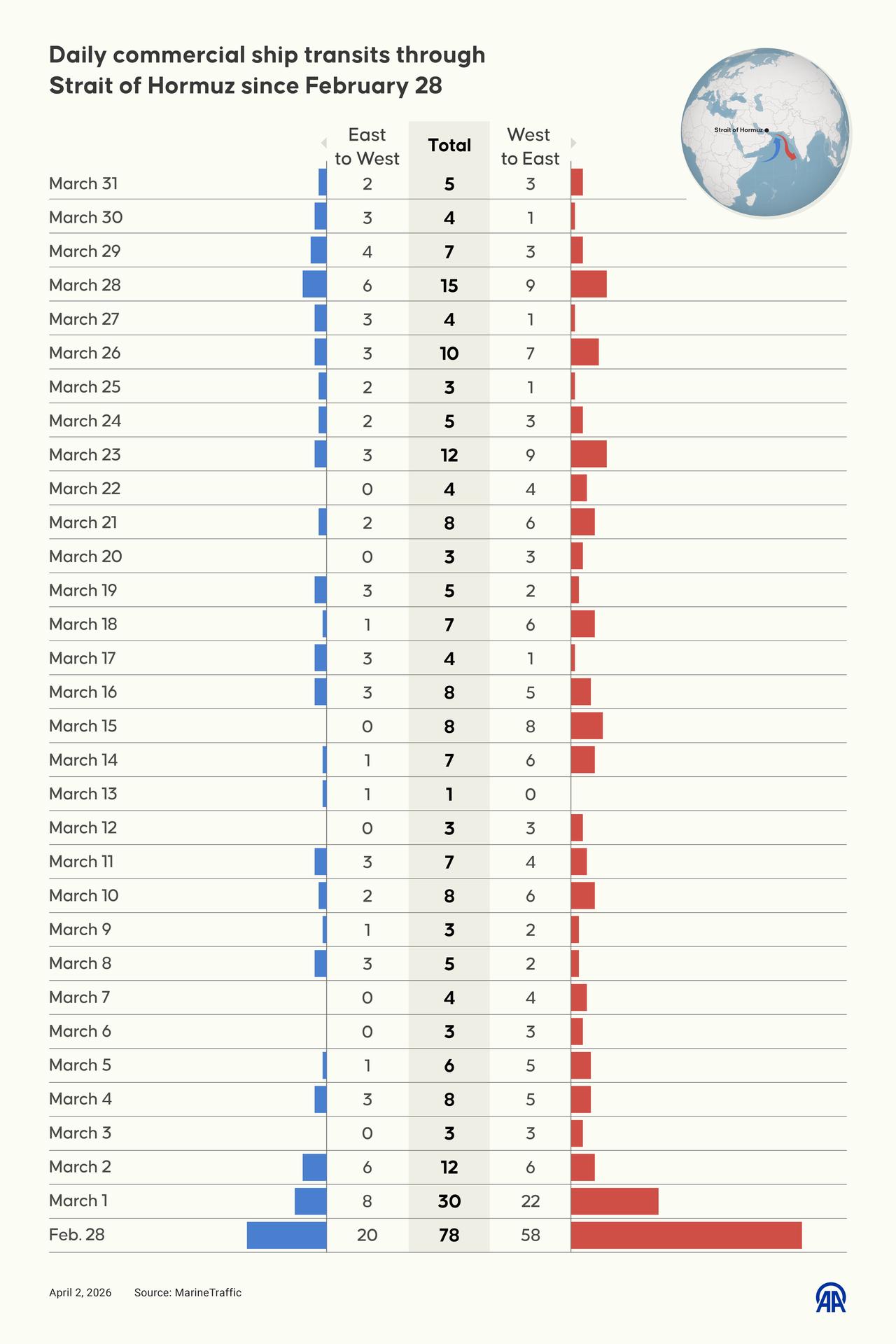

Maritime intelligence firm Windward said Thursday that transits through the Strait of Hormuz rose to 16 on April 1, up from 11 a day earlier, marking the third consecutive daily increase. All 16 vessels used a route via Larak Island, described as a permission-based corridor running close to Iran's coastline.
"Western-sanctioned ships comprised 62% of transits on April 1 as Iran's inbound shadow tanker fleet prepared for further loadings," Windward noted.
The firm said the pattern suggested more countries were negotiating with Iran to secure passage, raising the possibility that transit volumes could increase further.
Despite the uptick, traffic remains a fraction of normal. U.N. Trade and Development said ship transits through Hormuz fell from around 130 per day in February to just six in March, a drop of approximately 95%.
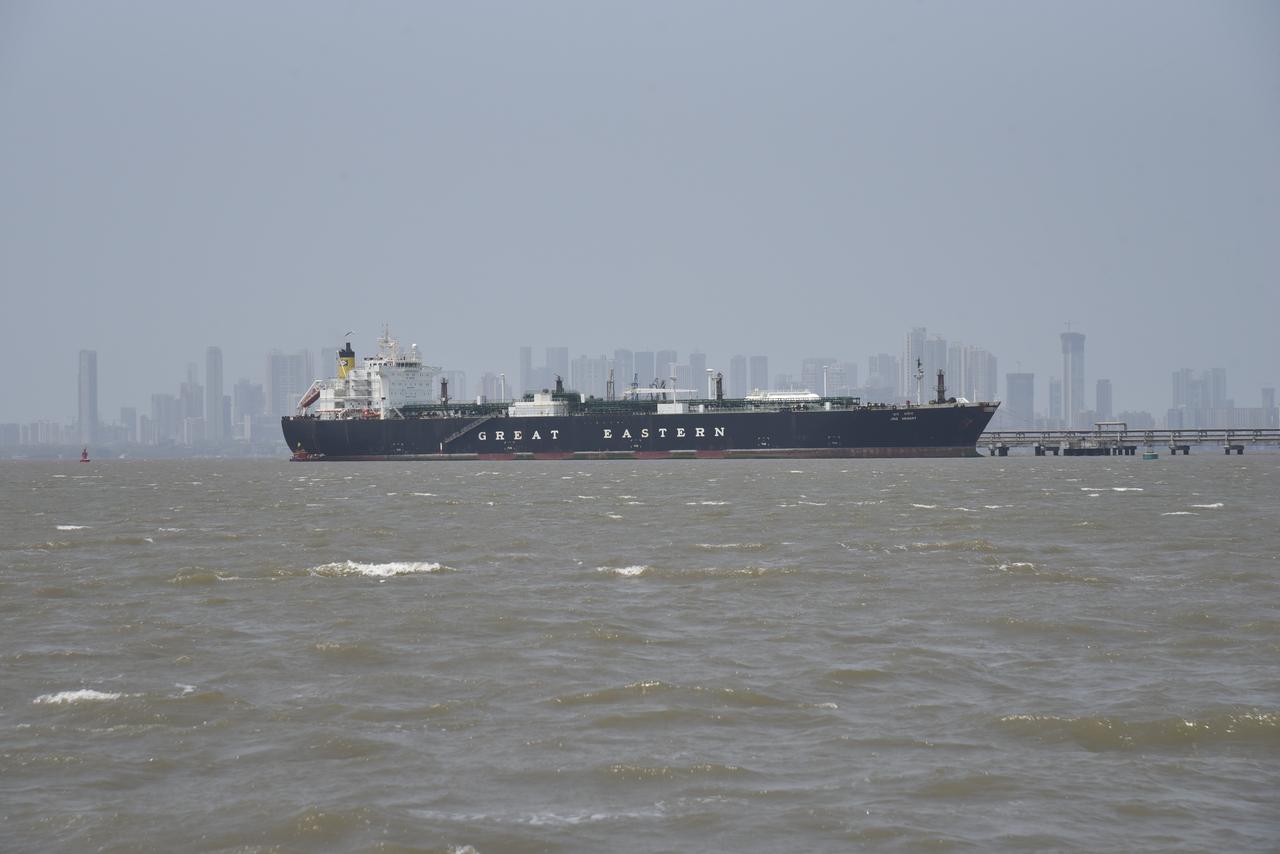
A French and a Japanese tanker passed through the strait on Friday, though this represented a tiny fraction of the usual traffic.
Trump said the U.S. would only consider a ceasefire with Iran "when Hormuz Strait is open, free, and clear."
In recent days, he has suggested that countries dependent on Gulf oil, naming the United Kingdom specifically, take military action themselves to ensure the strait is open.
In his Wednesday primetime address, he repeated threats against Iran's civilian power plants without providing a clear timeline for ending hostilities.
His remarks drew vows of retaliation from Iran and depressed share prices.
U.K. Foreign Secretary Yvette Cooper held a virtual meeting on Thursday with more than 40 countries to discuss reopening the strait. Attendees resolved to increase diplomatic pressure and explore sanctions on Iran.
U.K. Prime Minister Keir Starmer said earlier this week that 35 countries had signed a joint statement committing to restoring maritime security, and that military planners would convene to assess how to make the strait "accessible and safe after the fighting has stopped."
The Strait of Hormuz carries around a quarter of global seaborne oil trade as well as significant volumes of liquefied natural gas and fertilizers.
Roughly 20 million barrels of oil passed through the waterway daily before it was effectively disrupted in early March following Iranian measures taken in retaliation for the U.S.-Israeli offensive that began Feb. 28.
Iran has said the strait lies in Iranian and Omani internal waters and that passage is closed to ships from countries at war with Tehran.
Foreign Minister Abbas Araghchi said the strait "can be a waterway of peace" but that its future administration is a matter for Iran and Oman.


 Set as preferred source
 Set as preferred source


 1 min read
 1 min read