Newsletters


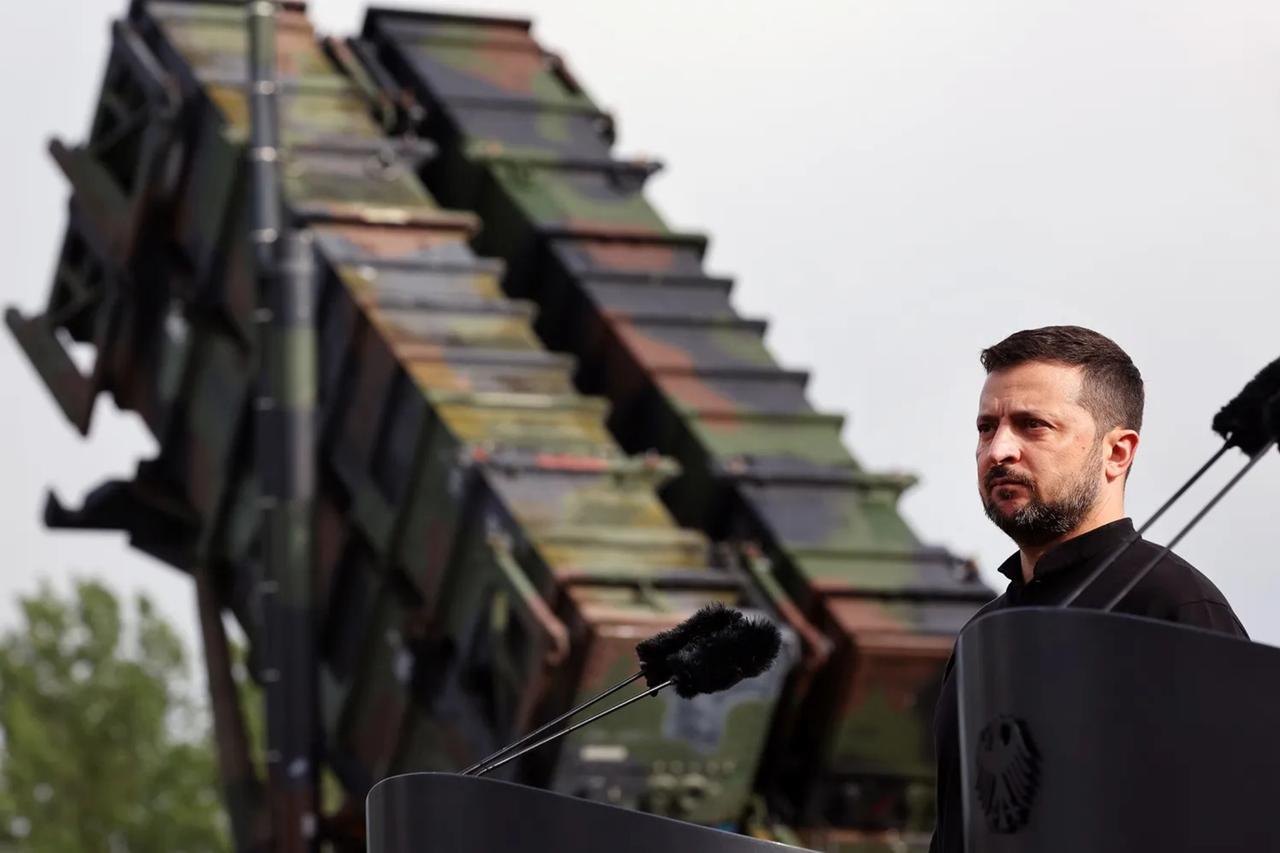


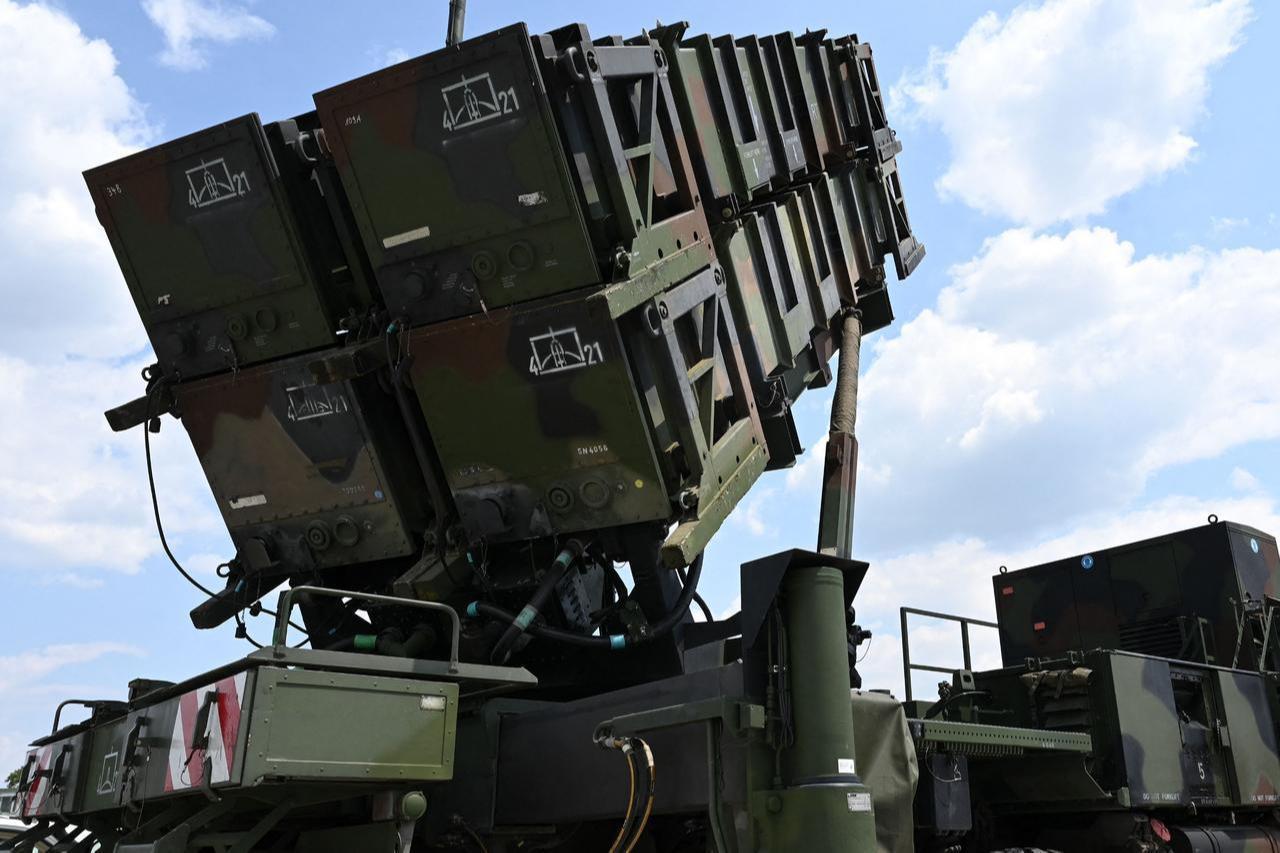
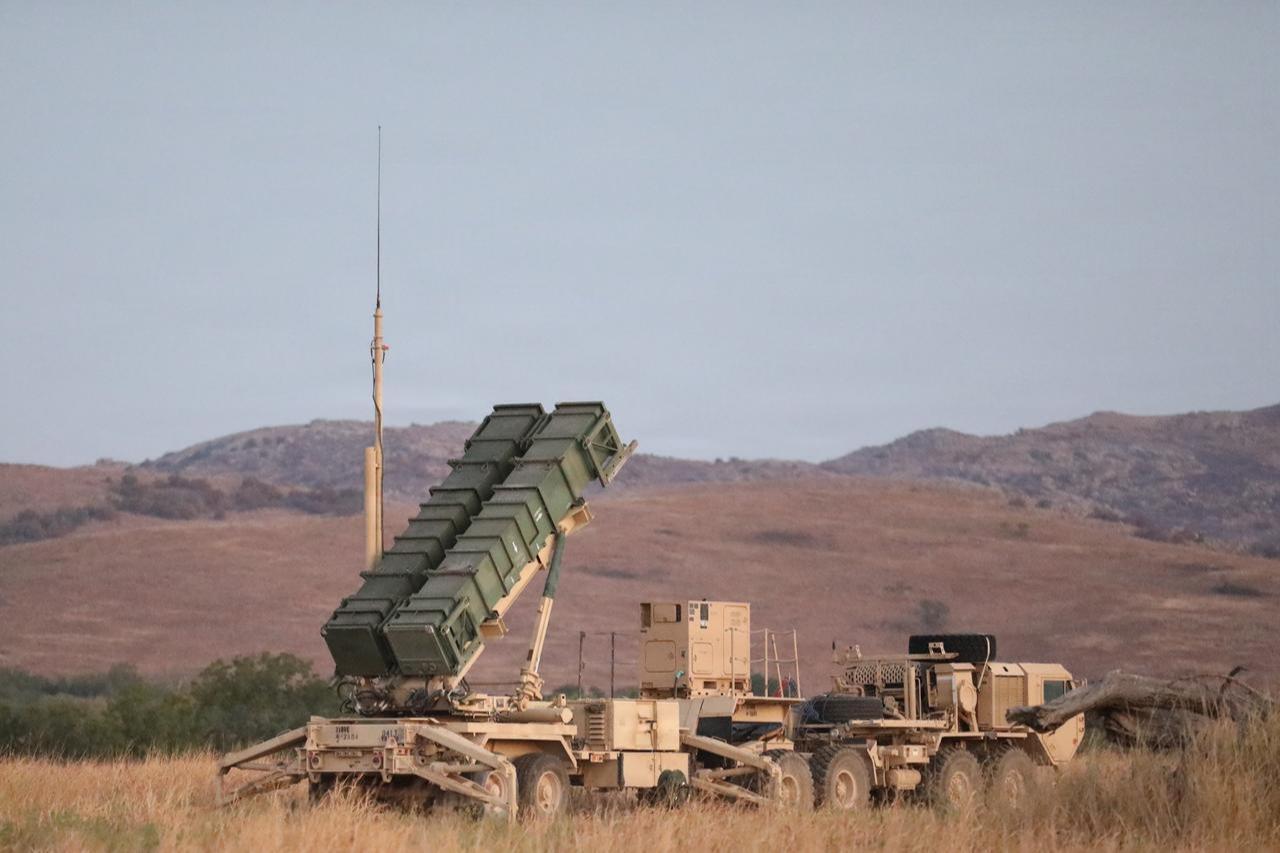
The United States approved a potential $2.1 billion sale of 500 Patriot interceptor missiles to Ukraine on Friday, with international partners covering the cost as Kyiv faces shortages of ammunition needed to repel Russian ballistic missile attacks.
The proposed sale includes Patriot PAC-3 Missile Segment Enhancement (MSE) interceptors and related equipment, according to the U.S. State Department. The approval now goes to Congress for review, and no delivery timeline has been announced.
Canada, Germany and Norway will help pay for the purchase through the JUMPSTART program, alongside national funds financed through the European Union's Ukraine Support Loan, the State Department said. No U.S. government funds will be used for the transaction.
The package also covers classified and unclassified spare parts, logistics and program support. Lockheed Martin will serve as the principal contractor.
The EU loan provides up to €90 billion (over $100 billion) in financing for 2026-2027, including €60 billion allocated to Ukraine's defense needs. The European Commission has approved Kyiv's use of the loan to purchase U.S-made Patriot interceptors.

The approval comes as Ukraine seeks to replenish its interceptor supplies amid continued Russian missile attacks.
President Volodymyr Zelenskyy said Ukraine had received an average of 12 Patriot interceptors per month from the United States this year, while its military needed to intercept around 150 Russian ballistic missiles each month.
Earlier this week, Zelenskyy also disclosed that Kyiv had been waiting nearly a month for U.S. Defense Secretary Pete Hegseth to approve missiles for its Patriot and NASAMS air defense systems.
Patriot systems remain a key part of Ukraine's defenses against Russian ballistic missiles, making additional interceptors essential to its efforts to protect the country from aerial attacks.
The approval follows a period of strained relations between Washington and Kyiv over U.S. policy toward Russia and military support for Ukraine.
Tensions escalated earlier this month after President Donald Trump struck a diesel fuel deal with Russia. Ukrainian officials also raised concerns that Washington was restricting their access to satellite internet services and had halted some intelligence sharing.
Relations eased after Zelenskyy met with U.S. envoys in Oslo on Oct. 20.
The State Department said the proposed sale would advance U.S. foreign policy and national security objectives by strengthening Ukraine's air and missile defenses and supporting security and stability in Europe.


 Set as preferred source
 Set as preferred source


 1 min read

 1 min read