Newsletters


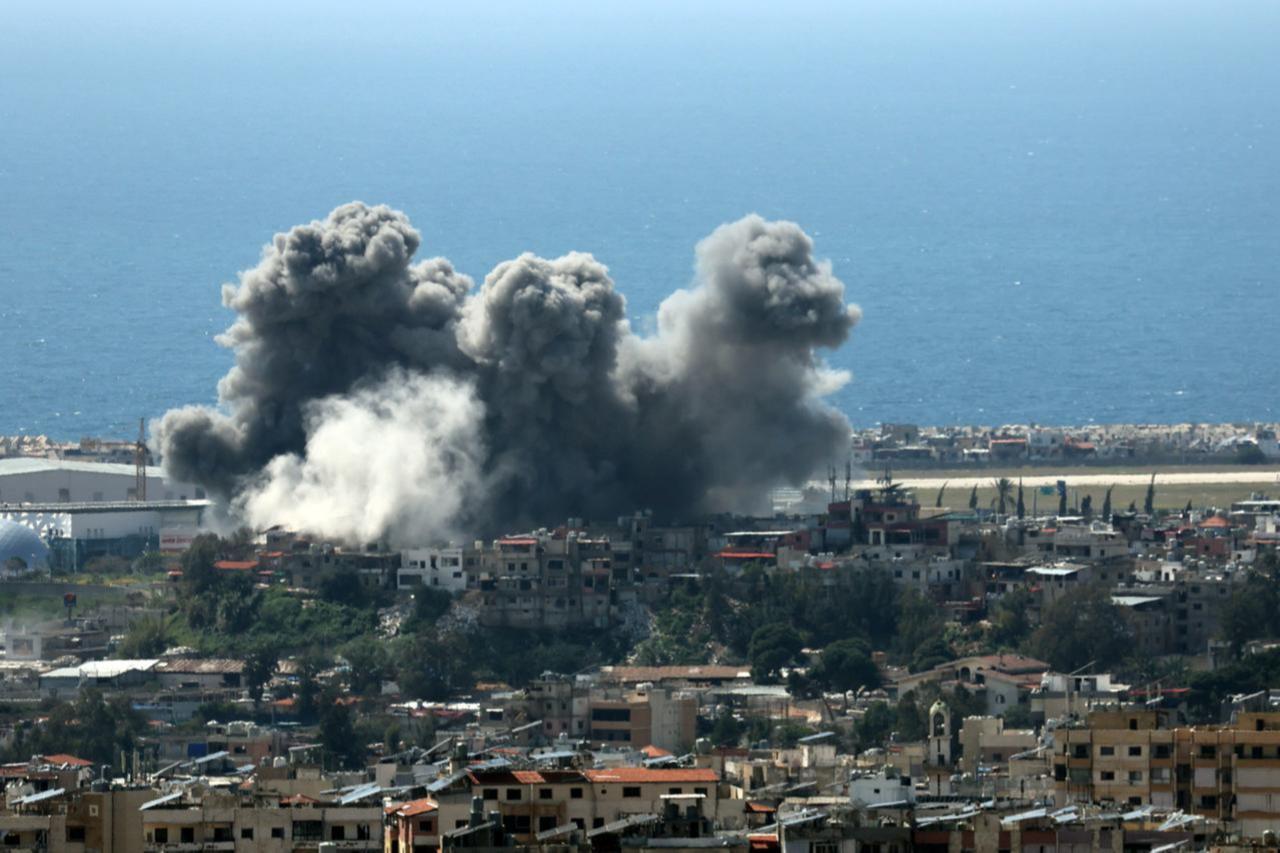


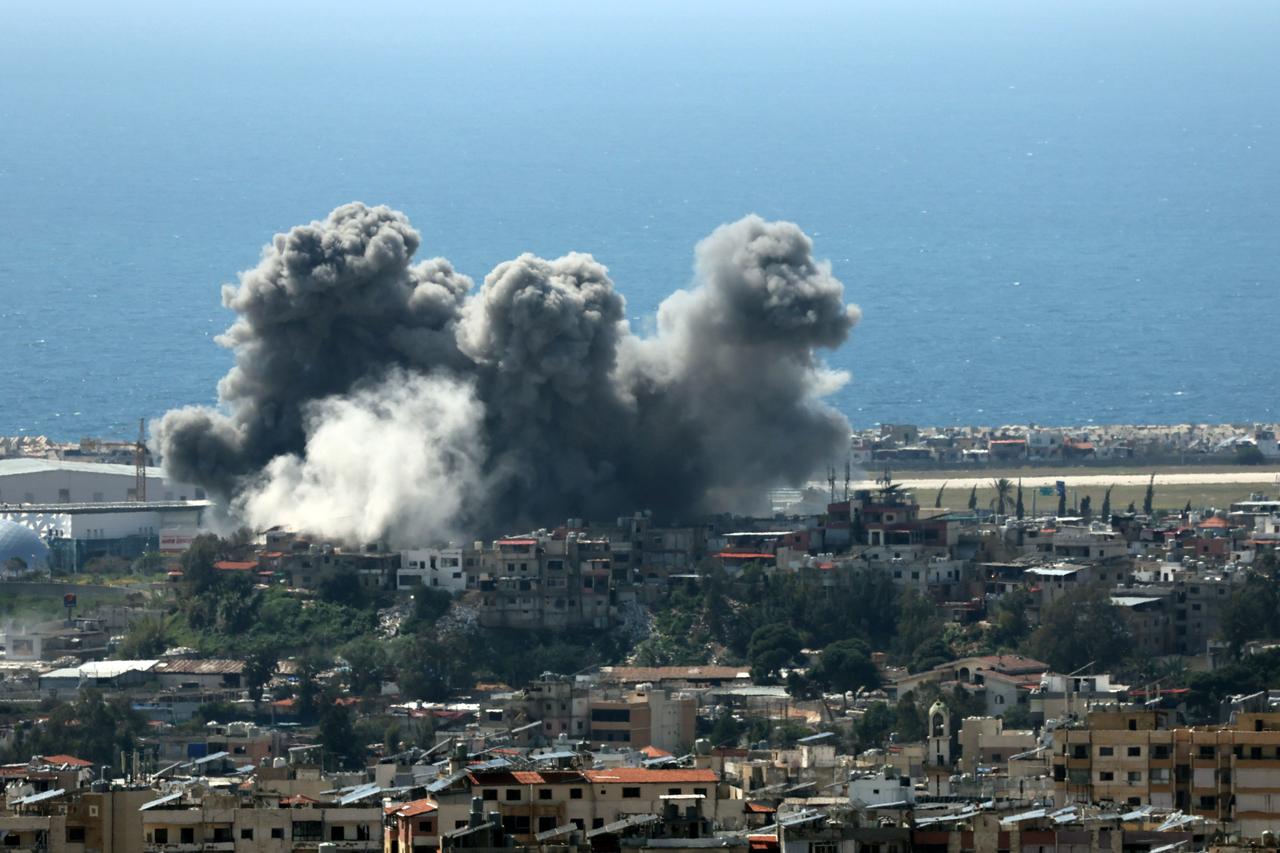
U.S. State Department confirmed Thursday it will host direct talks between Israel and Lebanon next week to discuss ongoing ceasefire negotiations, even as Iranian parliament speaker Mohammad Bagher Ghalibaf warned that time was running out on the fragile U.S.-Iran truce and that continued Israeli strikes on Lebanon would carry "explicit costs and strong responses."
A State Department official confirmed to reporters that the talks, expected to begin next week in Washington, would be mediated by U.S. Ambassador to Lebanon Michel Issa, with Israel represented by its ambassador to the U.S., Yechiel Leiter, and Lebanon by its ambassador, Nada Hamadeh Moawad. A U.S. official said plans were still being finalized.
The diplomatic development came as the two-week ceasefire between Washington and Tehran, brokered by Pakistan and announced Tuesday, appeared on the verge of collapse less than 48 hours after it was struck, with Lebanon emerging as its central and potentially fatal fault line.
The confirmation followed intense American pressure on Israel. White House envoy Steve Witkoff urged Netanyahu to "calm down" the strikes in Lebanon and open negotiations, and Trump told the Israeli prime minister in a Wednesday phone call to "low-key it." Trump told NBC News Thursday he was "very optimistic" about a broader peace deal, saying Iran's leaders were "much more reasonable" in private, but adding that "if they don't make a deal, it's going to be very painful."
An Israeli official made clear, however, that diplomacy would not halt military operations. "No ceasefire in Lebanon," the official said. "The negotiations with the Lebanese government will begin in the coming days."
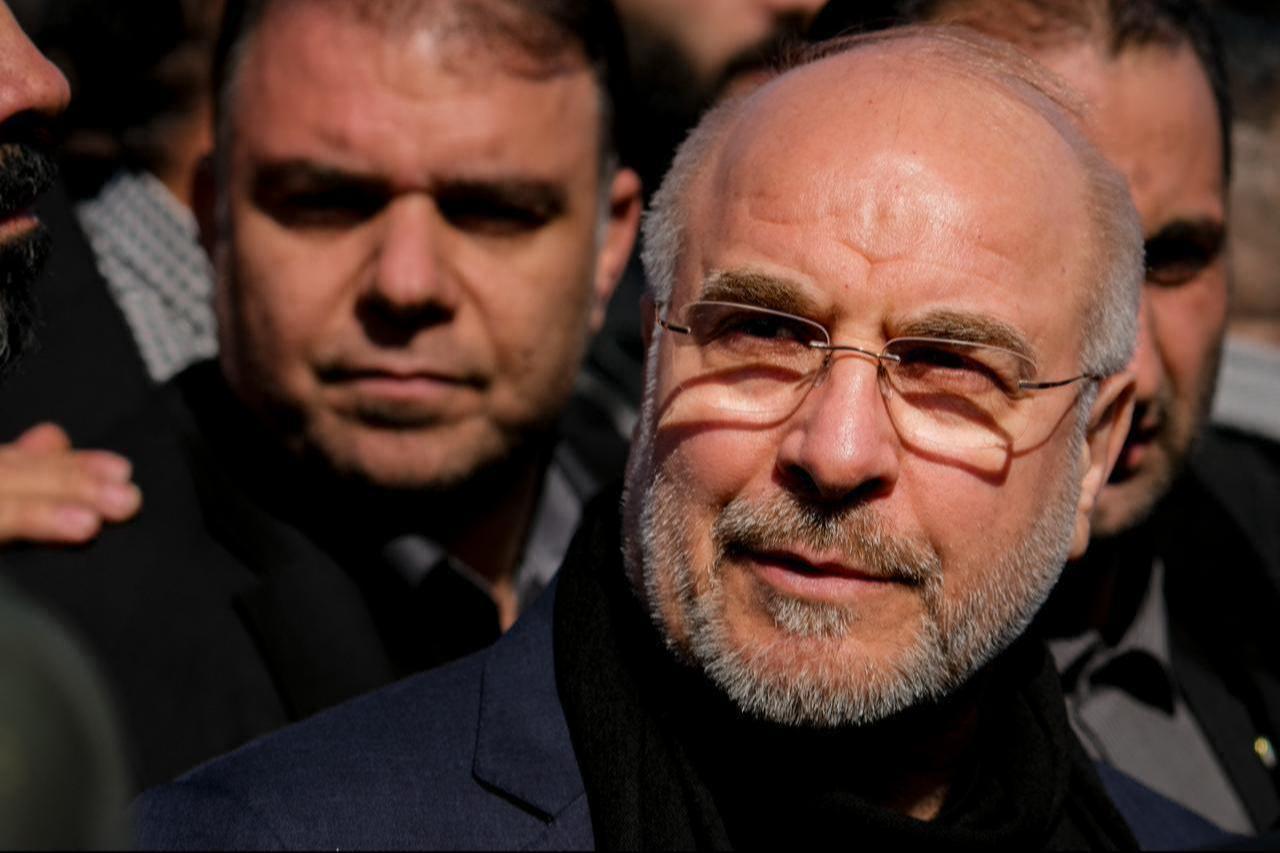

In a social media post, Ghalibaf declared that time was running out, invoking Pakistani Prime Minister Shehbaz Sharif's public statement that the ceasefire deal explicitly included Lebanon and arguing there was "no room for denial and backtracking." He called on all parties to "extinguish the fire immediately."
An adviser to Ghalibaf, Mahdi Mohammadi, reinforced the warning in a separate post, writing that "only limited hours remain" and that without fully restraining Israel in Lebanon, "there will be no ceasefire or negotiations, and the missiles are ready to launch."
Ghalibaf identified three components of Iran's 10-point ceasefire framework as violated: the ongoing Israeli offensive in Lebanon, an alleged drone incursion into Iranian airspace after the ceasefire took effect, and Washington's refusal to recognize Tehran's right to uranium enrichment.
He argued that under those conditions, "a bilateral ceasefire or negotiations is unreasonable." Iranian Foreign Minister Abbas Araghchi sharpened the message, writing that Washington "must choose between a ceasefire or continued war via Israel. It cannot have both."
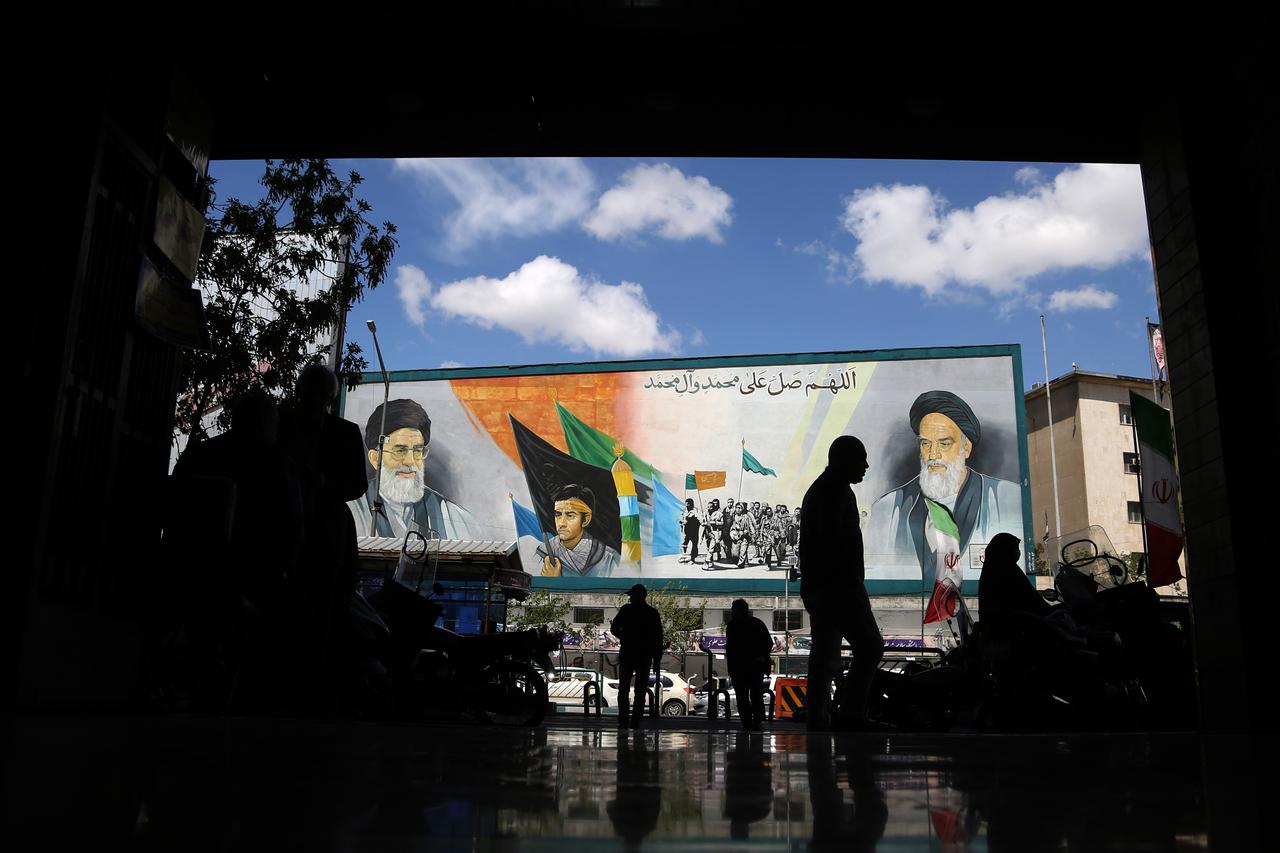
Iran's Supreme Leader Mojtaba Khamenei, in a statement read on state television Thursday, declared that Iran would bring management of the Strait of Hormuz "into a new phase" and vowed Tehran would "certainly demand compensation for each and every damage inflicted." He added that Iran "considers all resistance fronts as a unified entity," a direct signal that Lebanon remained within Tehran's defensive perimeter.
Vice President JD Vance, who will lead the American negotiating team in planned Saturday talks in Islamabad, described the Lebanon disagreement as a "legitimate misunderstanding," saying Iran believed the truce covered Lebanon "and it just didn't. We never made that promise." He acknowledged that "ceasefires are always messy" while insisting the U.S. was abiding by the agreement's terms, and cast Ghalibaf's complaints as evidence of how much was actually agreed upon.
The ceasefire, brokered by Pakistan, was meant to pause a war that began Feb. 28 when the United States and Israel launched strikes on Iran. Trump accepted Tehran's proposal as "a workable basis on which to negotiate," calling for a two-week pause during which a permanent settlement could be finalized. But the terms almost immediately became contested.
White House press secretary Karoline Leavitt later said Iran's original 10-point plan was "literally thrown in the garbage," though she indicated a revised 15-point plan Iran presented could "align with our own" proposal. The chief of Iran's nuclear agency, Mohammad Eslami, said Thursday that protecting Tehran's right to enrich uranium was "necessary" for any ceasefire talks, a position Washington has flatly rejected.
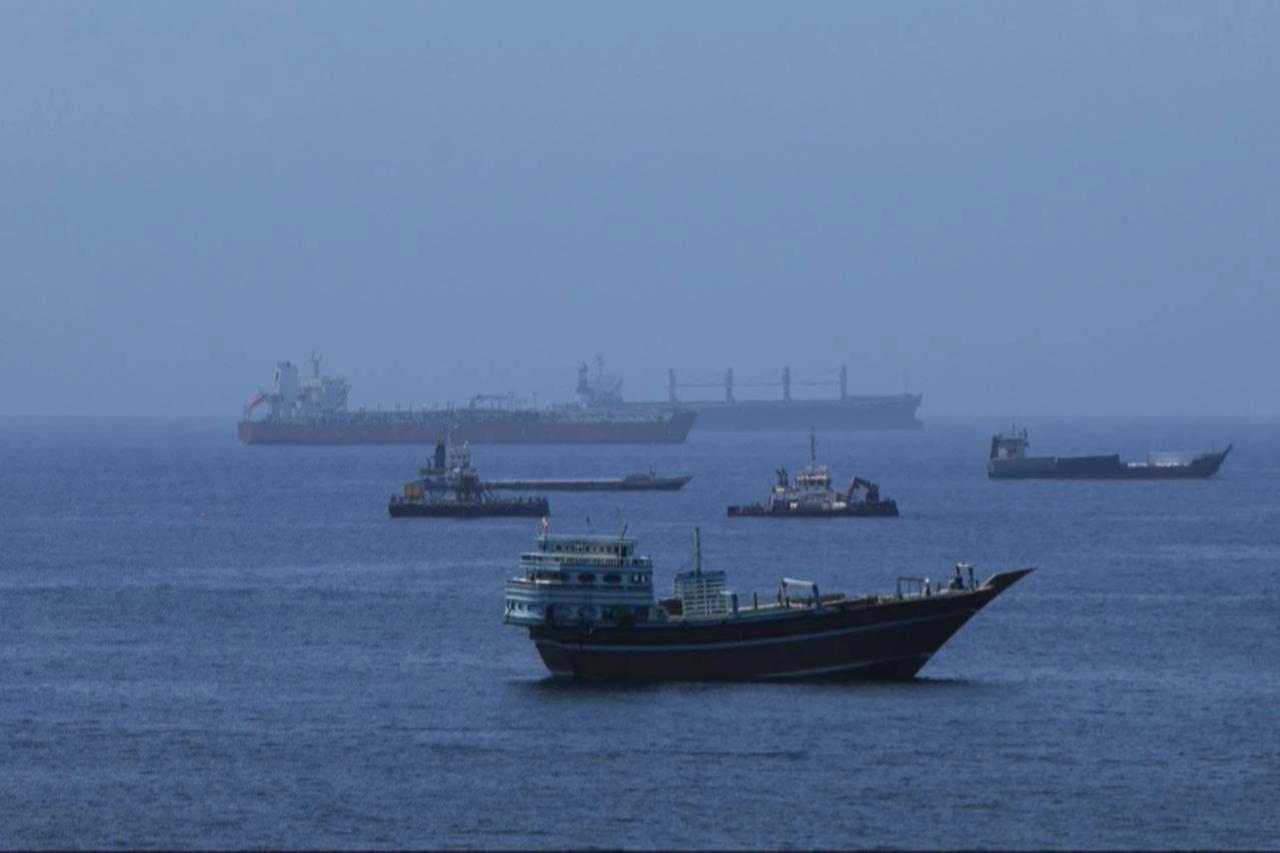
The Strait of Hormuz remained another unresolved flashpoint. Despite American claims of increased traffic, maritime intelligence firm Lloyds List reported only three ships had transited the waterway since the ceasefire was announced. Iran's Revolutionary Guard conditioned passage on coordination with Tehran's military and the payment of transit fees, prompting Britain to warn that such an arrangement would set a "dangerous precedent" under international law. Oil prices pushed back toward $100 per barrel Thursday as markets turned cautious again.


 Set as preferred source
 Set as preferred source


 1 min read
 1 min read