Newsletters


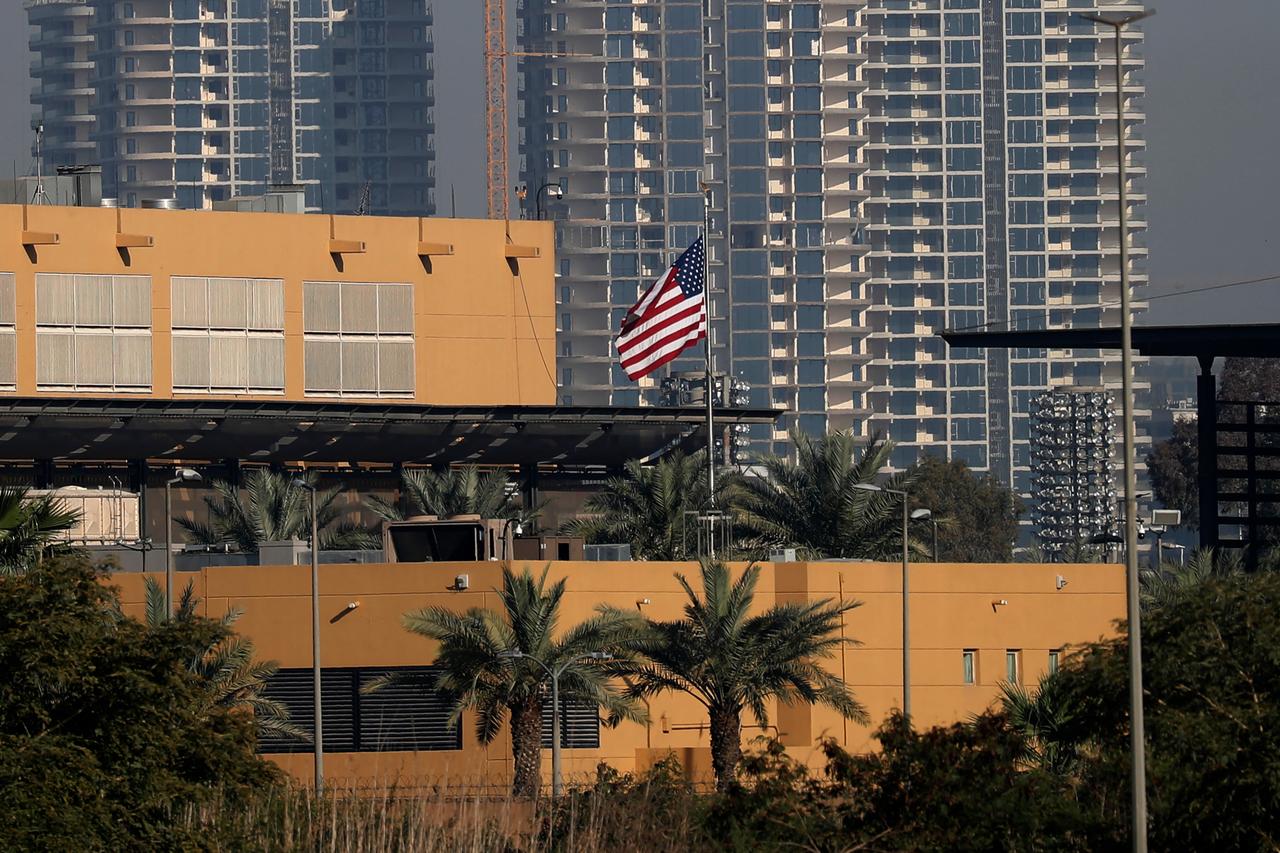


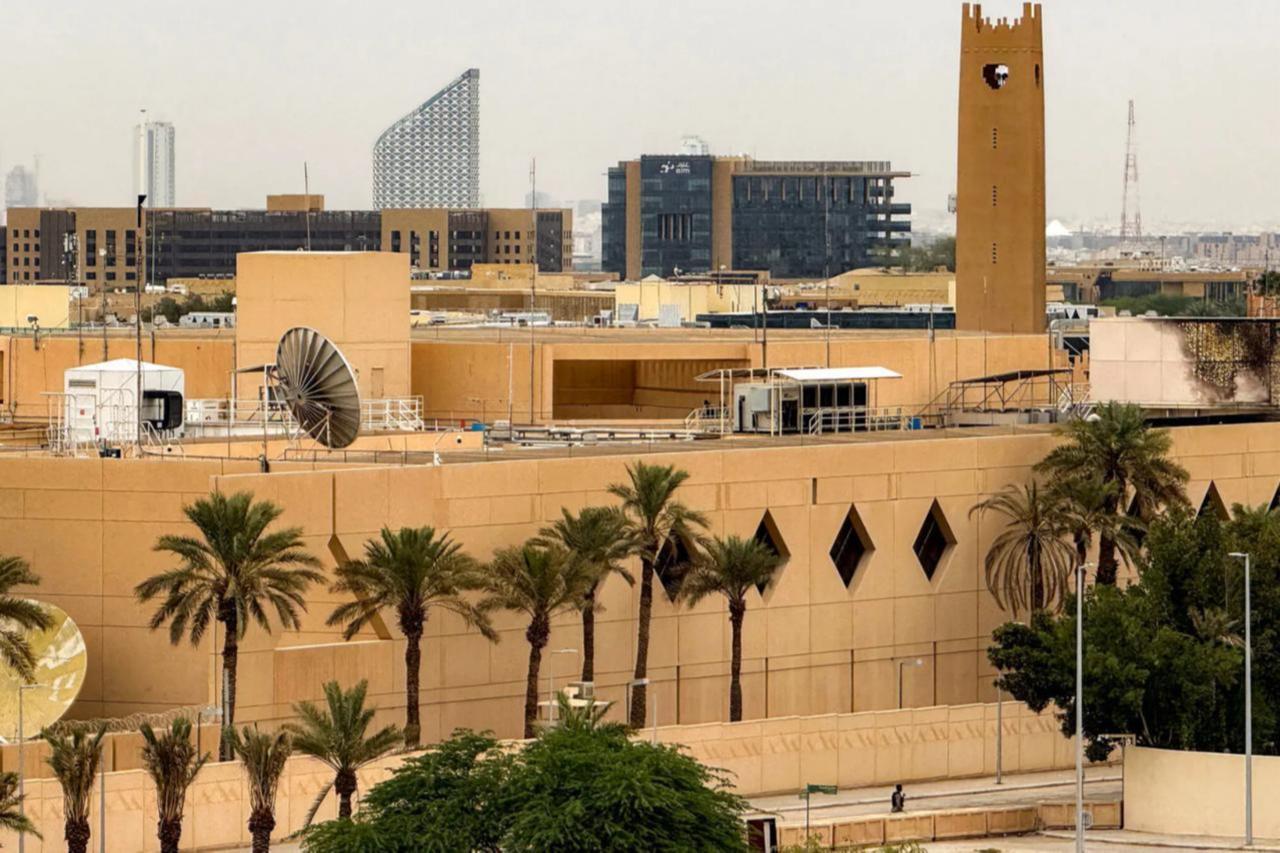
The U.S. State Department on Wednesday rejected reports of a Gulf-wide evacuation, saying it had ordered non-emergency staff to leave Saudi Arabia only, as U.S. officials said the military is quietly reducing its troop presence at bases across the Middle East while U.S. President Donald Trump weighs new strikes on Iran.
"This is inaccurate," State Department spokesman Tommy Pigott wrote on X.
"The U.S. Department of State issued an ordered departure for non-emergency U.S. government employees and their family members in Saudi Arabia only," he added.
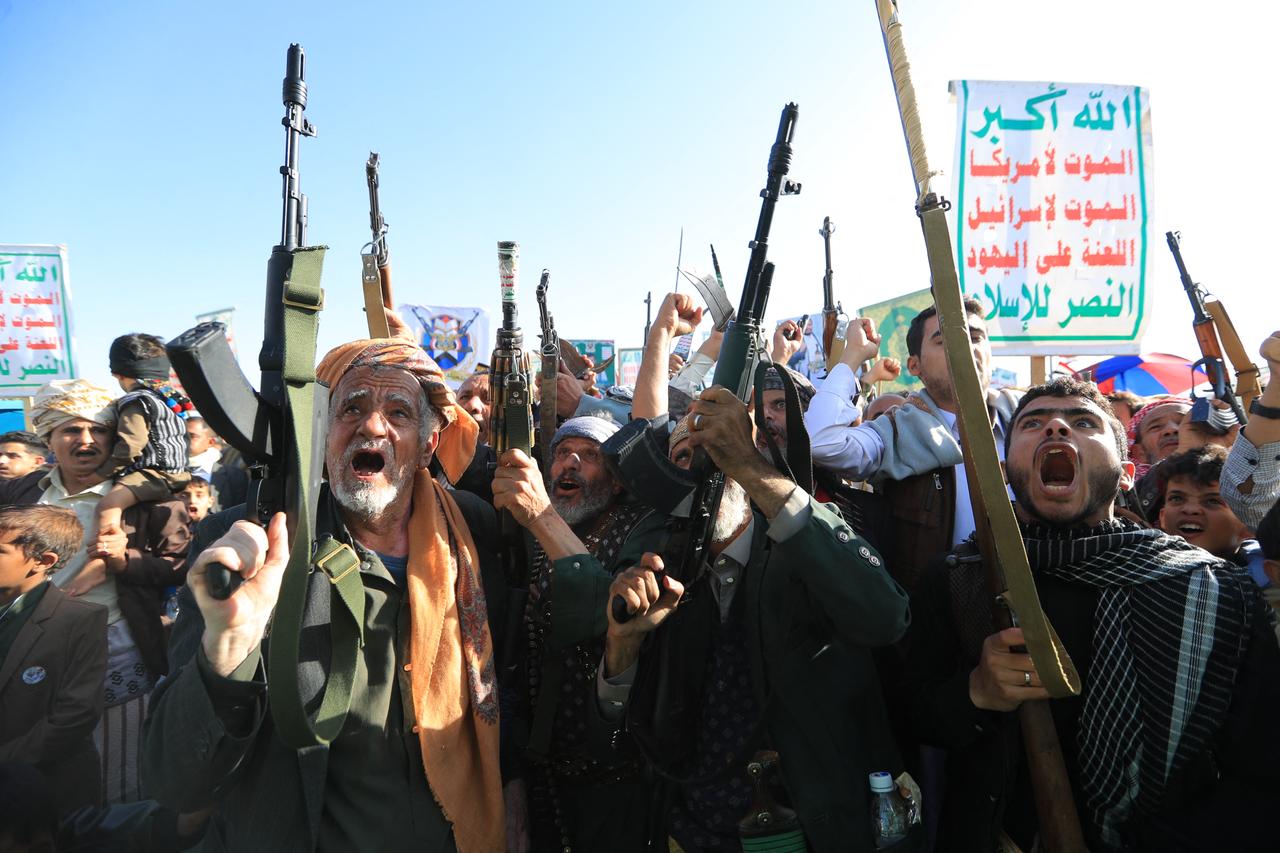
The drawdowns mirror moves made before the war with Iran began in February, signaling Washington is preparing for possible renewed hostilities as Houthi attacks on Saudi Arabia escalate.
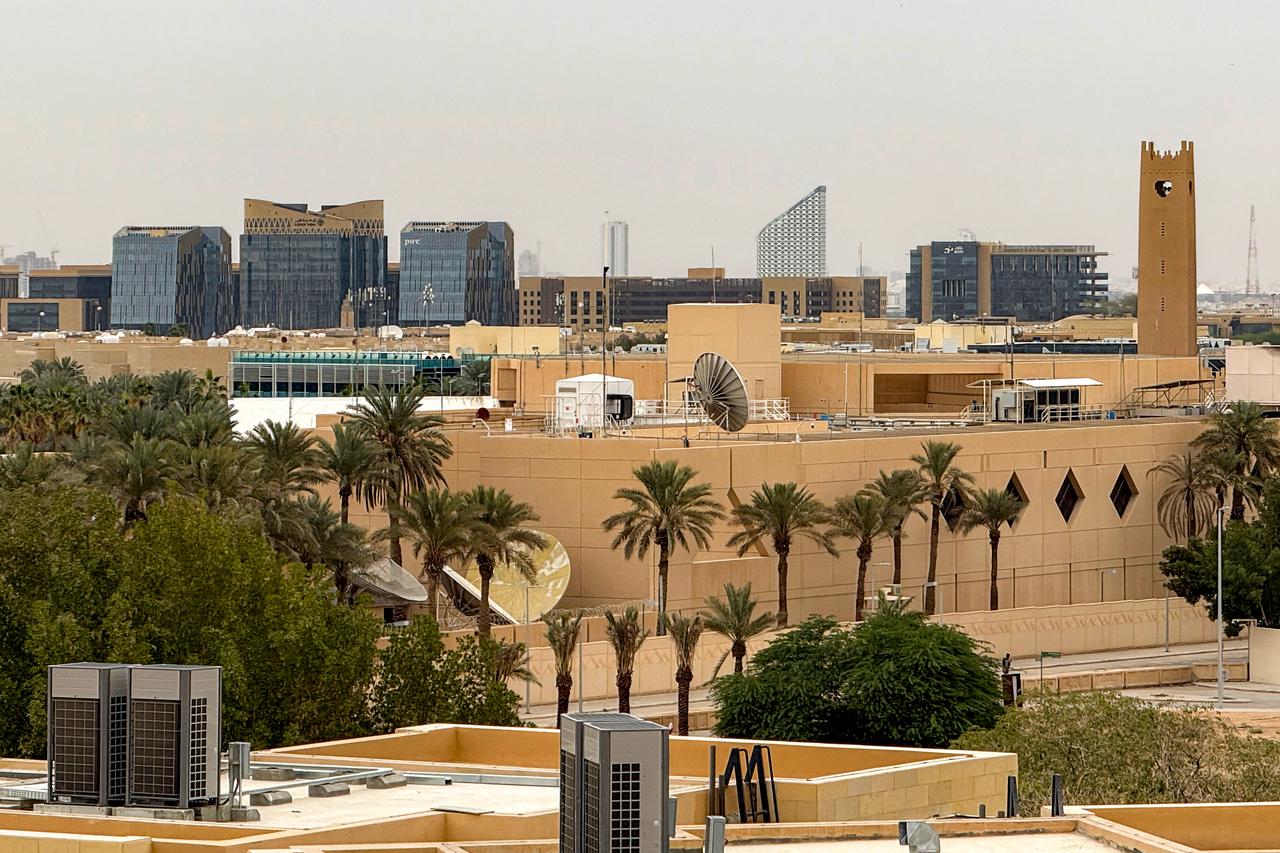

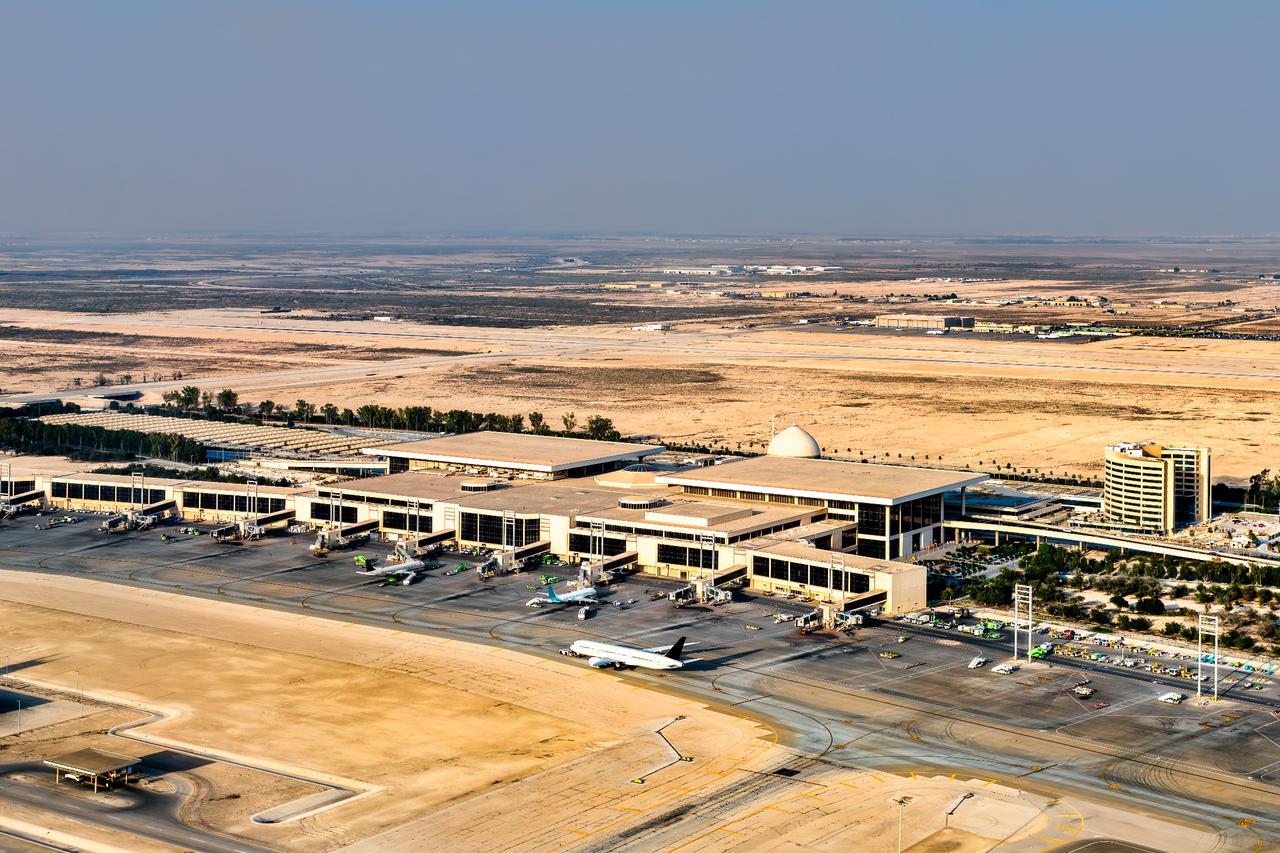
"Iranian-supported Houthis have increasingly engaged in hostilities against Saudi Arabia, including attacks on civilian airports and other critical infrastructure resulting in civilian casualties and severe travel disruptions," Pigott said, noting, "The safety and security of Department personnel and their families remain our highest priority."
Several other U.S. embassies have adjusted staffing under "restricted operations" status but have not gone on ordered departure, CBS News reported.
Chiefs of mission at multiple posts in the region were notified Wednesday that they would operate with reduced staff, two U.S. officials told NBC News.
Asked why embassy personnel were being ordered to leave, Trump said: "I don’t know that they are. You’re telling me something, I wouldn’t know that."
The U.S. Embassy in Riyadh warned hostilities could escalate "rapidly" and said, "U.S. government employees working in Saudi Arabia require special authorization from Chief of Mission to use any airport in Saudi Arabia."
Operations at Riyadh’s King Khalid International Airport remain suspended, the embassy said.
U.S. troops at bases in Jordan, Qatar and Kuwait are among those being moved, a U.S. official and two people familiar with the matter told NBC.
The Pentagon says there are more than 50,000 U.S. troops in the region.
"We regularly move U.S. service members and assets to optimize mission readiness. We do not discuss related movements for operational security reasons," CENTCOM spokesperson Timothy Hawkins said. "U.S. forces remain vigilant and ready to protect American personnel and interests across the region."
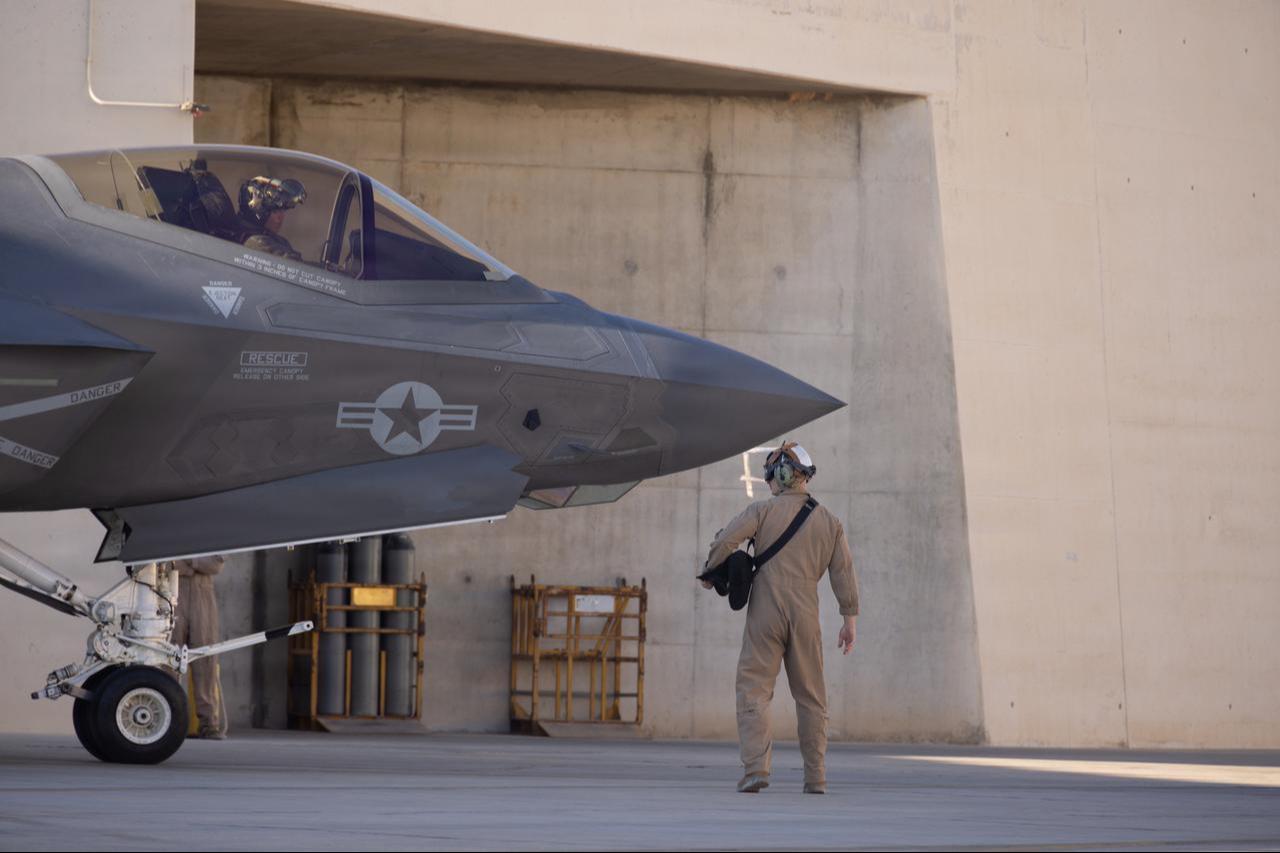
Military options presented to Trump include strikes on the tunnels or entrances of Iranian nuclear facilities such as Pickaxe Mountain, and on Kharg Island and Qeshm, a U.S. official and a former official told NBC.
U.S. Defense Secretary Pete Hegseth has privately advocated resuming military operations, while other advisers raised concerns about restarting combat without a clearly defined end, they said.
Trump wrote Oct. 8 that "we will not be attacking Iran at any time prior to the Midterm Elections to be held in the United States on November 3rd."
U.S. Central Command (CENTCOM) commander Adm. Brad Cooper said: "The Islamic regime is clearly feeling the economic pain."
"This is just an extremely large bomb. It’s like a tiny nuclear bomb, and — but the mother of all bombs is one big bomb," Trump told Newsmax, noting, "But it’s not nuclear. No, I wouldn’t use nuclear," he said, as the U.S. limits its ordered departure to Saudi Arabia.


 Set as preferred source
 Set as preferred source


 1 min read
 1 min read