Newsletters


Nine of the 10 Israelis arrested over weekend attacks in the occupied West Bank on a European diplomatic delegation and Washington Post photojournalist Heidi Levine have been released, Haaretz reported, as Israeli defense officials warned of a possible surge in settler violence after next week's election.
Four suspects in the assault on Levine were released to house arrest Wednesday despite a police request to extend their detention by a week.
One suspect, Nadav Cohen Tzemach, will remain in custody until Monday after a court found suspicions against him had strengthened, the newspaper reported, citing the right-wing legal aid group Honenu.
The releases come days after Washington and European capitals pressed Israel to crack down on settler violence, and as security officials admit they are struggling to contain attacks during the olive harvest.
"From the single video presented, it could be inferred that the attack occurred during a much larger incident of massive stone-throwing," the judge ruled, noting the state’s representative said the stone-throwing was carried out by Palestinians.
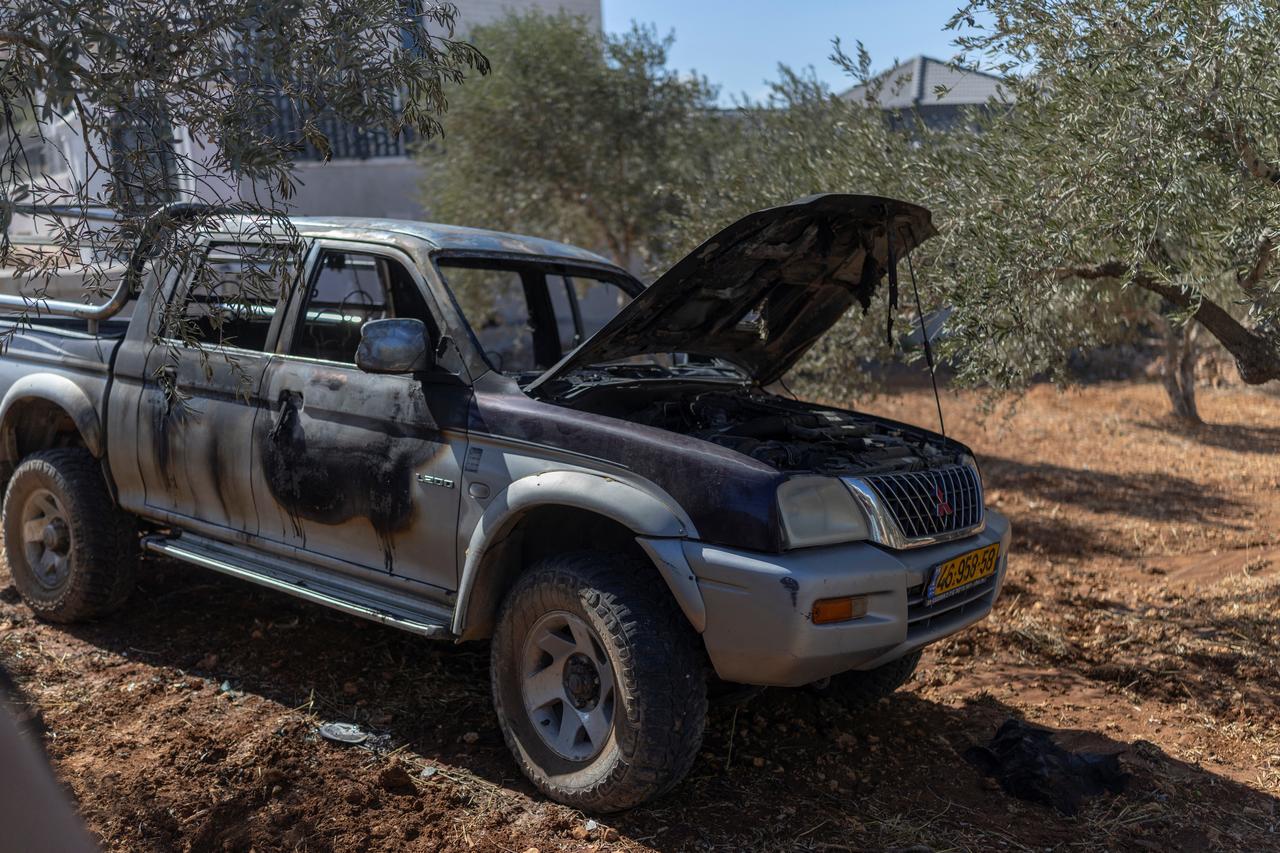
A suspect in the attack on the diplomats in Taybeh was released with a 180-day ban on entering the village and a 30-day ban on entering Palestinian villages in the West Bank.
Police accused him and Cohen Tzemach of offenses including conspiracy, assault, malicious damage and offenses motivated by racism or hostility.
Three other suspects were released Monday, the day they were arrested.
"This was an organized group that arrived in Area B due to the olive harvest incidents," a police representative told the court.
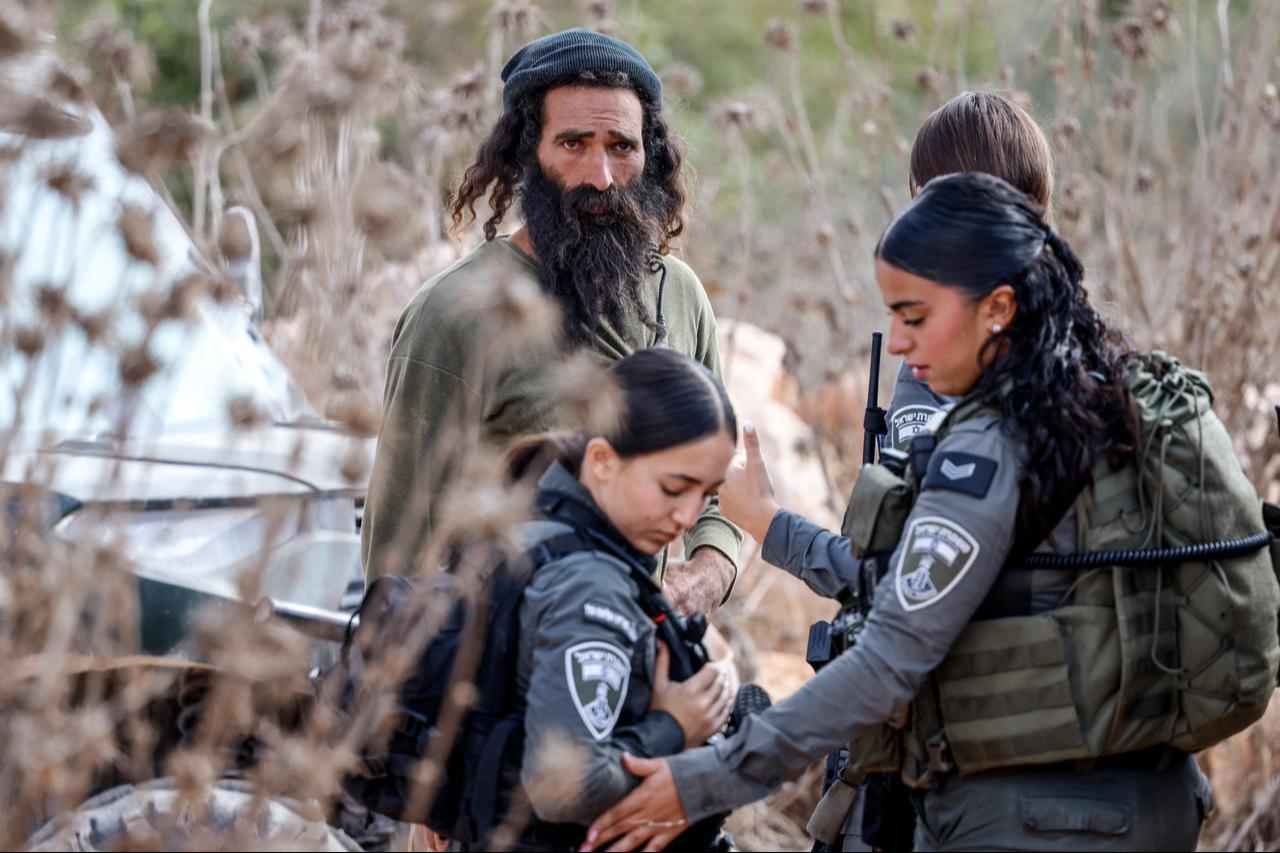

"They jumped on me, I saw at least 25, maybe 50 people at first, and I found myself on the ground as they kicked me for about 10 minutes," Levine said, adding, "All I remember after that is that Palestinians came and rescued me. It’s absolute madness, and I didn’t see anyone trying to stop it."
A preliminary military investigation found reports of settler threats reached the army’s Benjamin Brigade operations room by 1 p.m. on the day of the Taybeh attack, but no troops or police were present to stop it, Haaretz reported.
The military has set up a special team to examine its handling of the incident.
Netanyahu’s office had said "serious accusations require serious evidence," calling reports of settler violence part of "a coordinated campaign to smear Israel and the Jewish residents of Judea and Samaria."
"Anyone who tells you there’s control is lying," a security source told Haaretz.
"The IDF, the Shin Bet and the police have lost control on the ground. They’re running from scene to scene after the rioters," the source added.
Defense officials fear far-right activists will set up new outposts and attack Palestinians after the Oct. 27 election to prevent a future government from evacuating illegal settlements, and the military is reinforcing troops in the West Bank.
A security meeting convened by military chief Lt. Gen. Eyal Zamir on Tuesday ended without substantive decisions, with no representatives from the prime minister, defense minister or National Security Council.
"Attacks are not isolated acts, but a central policy of the Israeli state," said Heba Morayef, Amnesty International’s regional director for the Middle East and North Africa, in a statement, calling for sanctions on Israeli officials and an end to trade with illegal settlements.
Attacks by Israeli occupiers against Palestinians and their land in the West Bank intensify during the olive harvest season. The attacks include assaulting farmers, preventing them from accessing their land, stealing crops and damaging trees.
Official Palestinian figures indicate that around 750,000 Israeli occupiers live in the West Bank, including East Jerusalem, across 194 settlements and approximately 400 outposts.


 Set as preferred source
 Set as preferred source


 4 min read