Newsletters


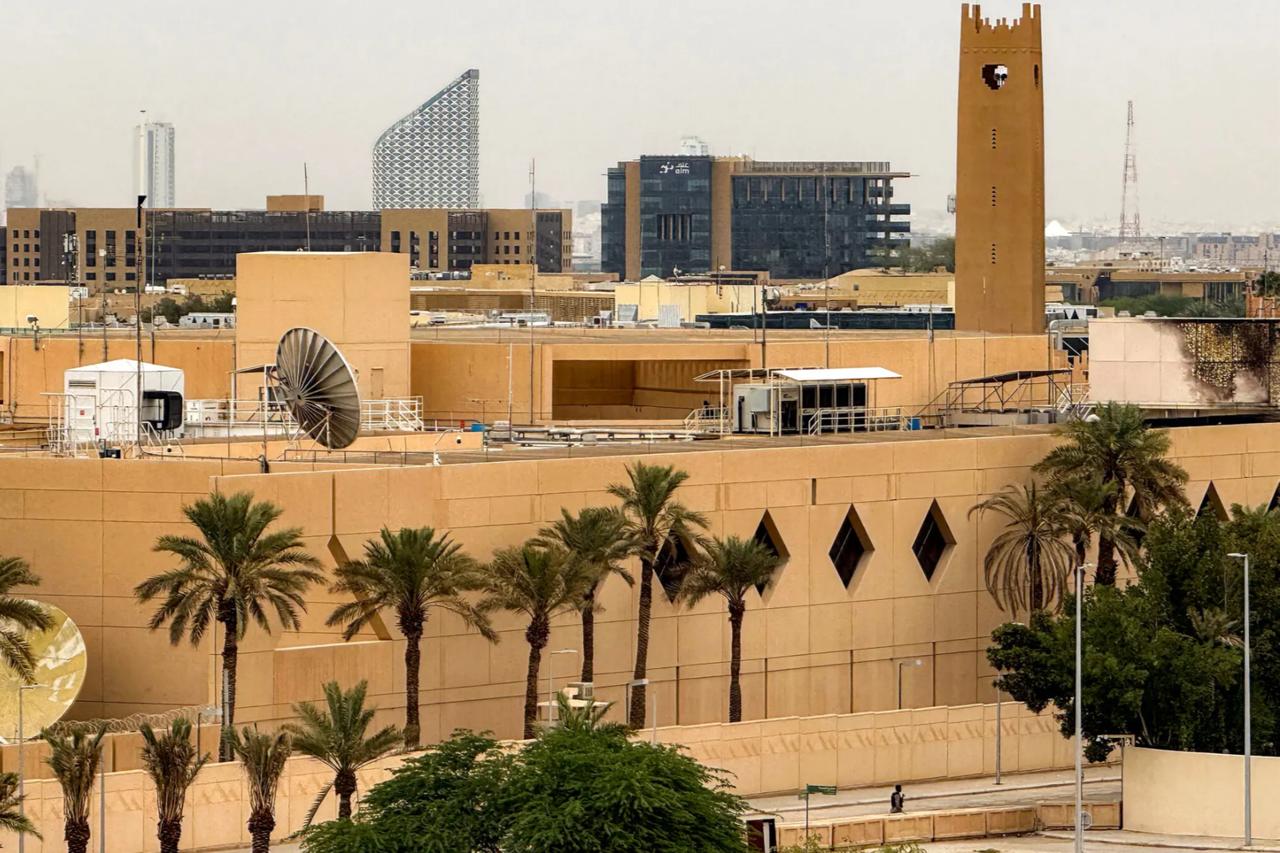


The U.S. State Department has issued mandatory departure orders for American employees at its diplomatic mission in Saudi Arabia, the first such directive since the United States and Israel launched military strikes against Iran on Feb. 28, a move that signals senior officials are bracing for a potential escalation in violence across the Middle East.
The orders, confirmed by current and former U.S. officials who spoke on condition of anonymity because they were not authorized to discuss the matter, mark a sharp escalation from the voluntary departure notices that had been issued to nonessential government employees and family members in recent days. The State Department did not respond to questions about the orders.
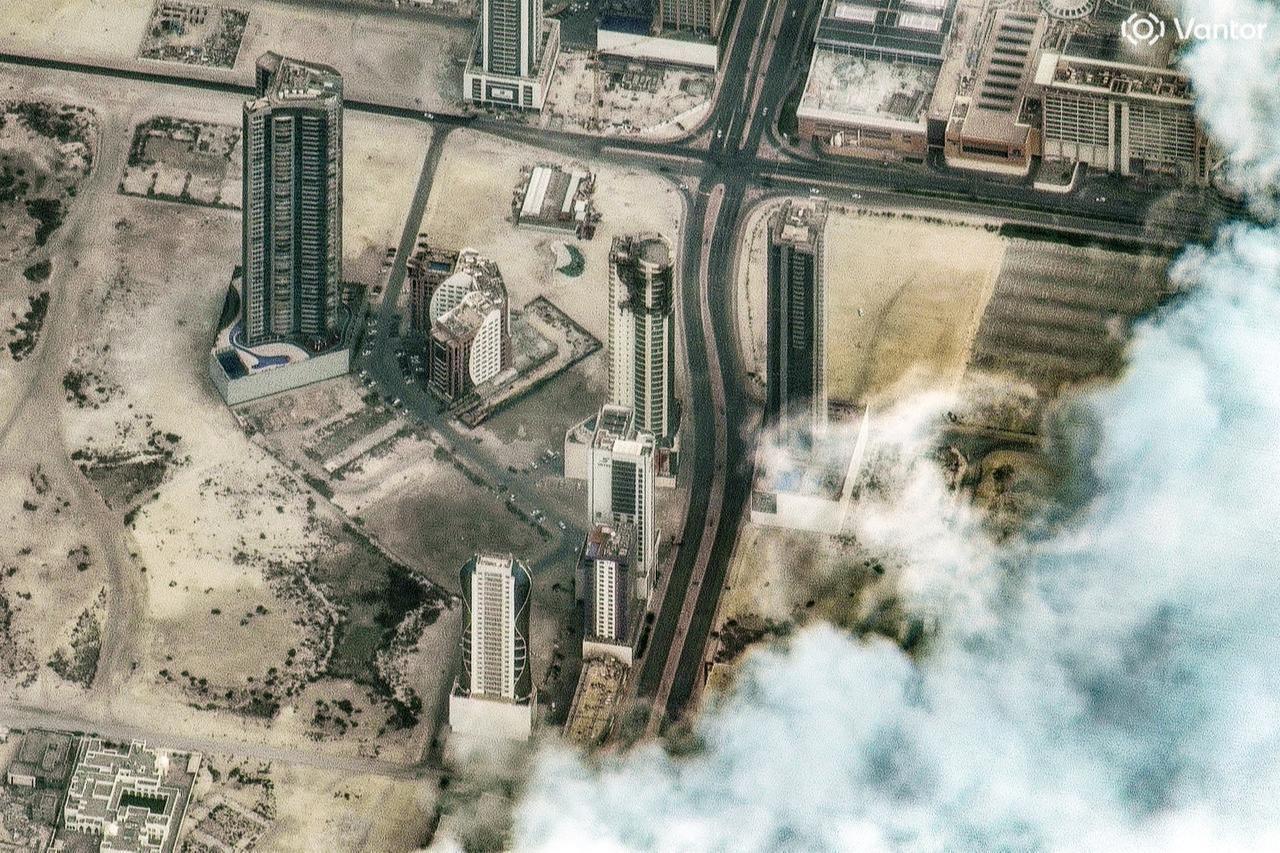

The decision follows a series of Iranian attacks on and around the U.S. Embassy in Riyadh. On Tuesday, the Saudi Defense Ministry said two drones struck the embassy, causing limited fire and minor material damage. Early on Sunday, Saudi forces shot down another drone targeting Riyadh's diplomatic quarter, where the U.S. Embassy and other foreign missions are located.
After the initial strikes, the embassy warned people to avoid the facility and issued shelter-in-place notifications for Americans in Riyadh, Jeddah and Dhahran, the three Saudi cities where the U.S. maintains diplomatic posts. American government employees at the consulates in Jeddah and Dhahran are also being told to prepare for ordered departure.
Senior diplomats in Saudi Arabia had recently requested the mandatory departure status from Washington, expecting approval given the frequency of the attacks.
The U.S. mission in Saudi Arabia is currently led by Alison Dilworth, a career Foreign Service officer serving as acting chief of mission. The embassy has lacked a Senate-confirmed ambassador since the start of the Trump administration, when political appointees in Washington removed Michael Ratney, a career diplomat who held the post. Forcing out a career ambassador before completion of a standard-length tour is an unusual step in American diplomacy.
An ordered departure is one of the most serious measures in the State Department's crisis toolkit, falling just short of a full suspension of operations. Unlike an authorized departure, which allows employees to volunteer to leave, an ordered departure is mandatory and can be initiated by the chief of mission or the secretary of state. The distinction carries significant weight: it compels nonessential personnel and their families to leave post and signals that Washington views the threat environment as severe.
The State Department has faced intense criticism for not warning the thousands of American citizens in the region to leave before the war began, despite the Trump administration and Israel having secretly planned the military strikes for weeks. Once missiles began flying, many countries closed their airspace and commercial airlines suspended flights, leaving Americans with few options to get out.
Dylan Johnson, a senior State Department official, said Sunday that the department had evacuated Americans on nearly two dozen charter flights in recent days.
In the lead-up to the war, only two embassies had moved to authorized departure status. The embassy in Beirut issued its notice four days before strikes began; the embassy in Jerusalem did so just one day before. Mike Huckabee, the ambassador to Israel, urged employees to try to leave "TODAY."
The fallout from the conflict has extended well beyond the Gulf. American diplomats in Muslim-majority countries outside the Middle East are on high alert. In Pakistan, officials said at least 22 people were killed and 120 injured on March 1 when protesters in Karachi and in the country's north clashed with security forces while denouncing the American and Israeli military campaign. At least 10 protesters were killed during an attempted storming of the U.S. Consulate in Karachi, and Reuters reported that U.S. Marines opened fire on demonstrators.
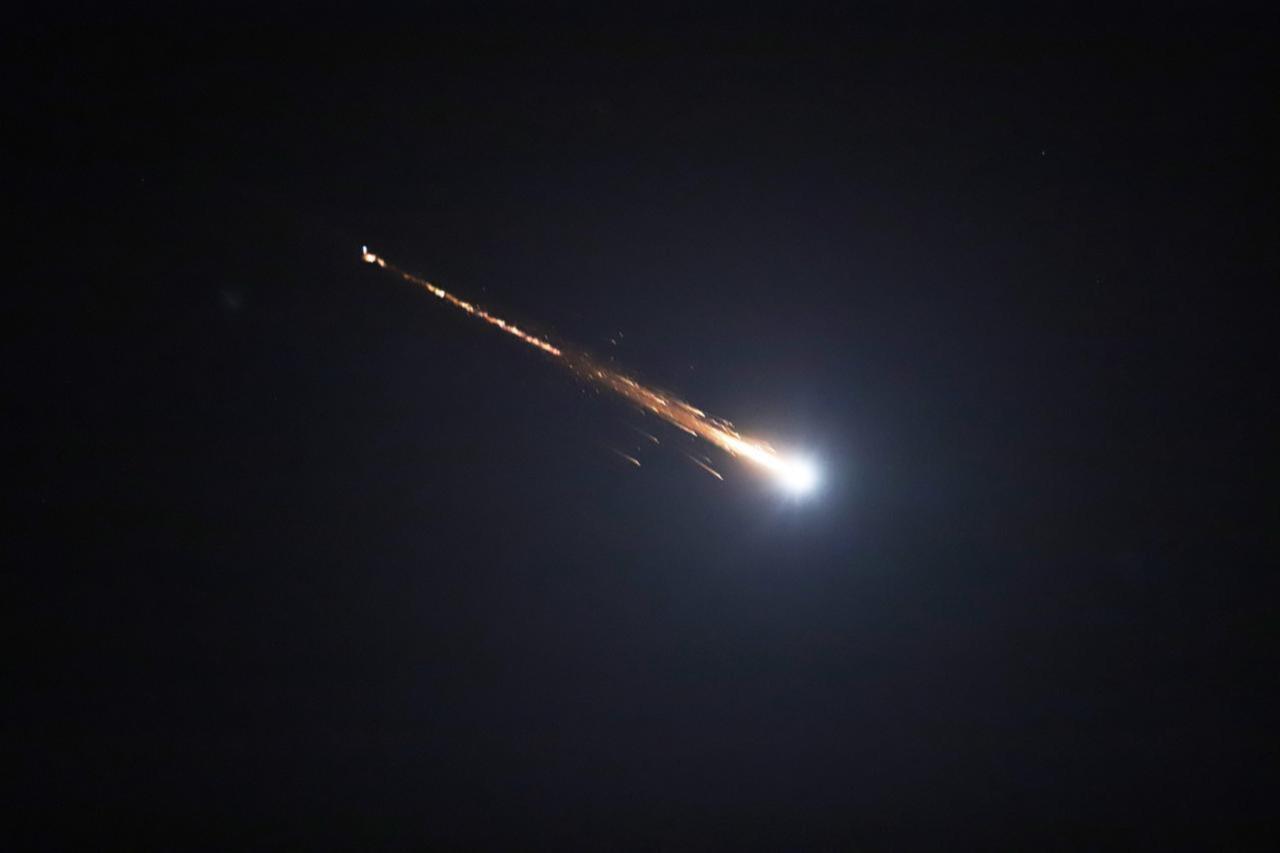
After the initial American and Israeli airstrikes, Iran's military responded with barrages of missiles and drones targeting countries across the region, including Arab Gulf nations that host U.S. military bases or are considered partners of Washington and Israel. The retaliatory strikes have infuriated several of those governments while spreading fear among civilians throughout the Middle East.


 Set as preferred source
 Set as preferred source


 1 min read


 1 min read