Newsletters


A U.S. official said that Washington expects an agreement soon between Iran and Oman that could reopen the Strait of Hormuz, potentially restoring oil exports disrupted by the five-month-old U.S. war with Iran, Reuters reported.
The official, who declined to be identified, said a deal between Iran and Oman over control of the strategic waterway is seen as crucial to a wider peace agreement.
"There is progress between Oman and Iran on the strait, and we expect a deal soon," the official told Reuters, adding, "Once the deal is announced to restore commercial shipping without impediments, the United States will lift the blockade of Iranian ports."
"As always, U.S. actions will continue to be performance-based and tied to Iran's implementation of its commitments," the official said.
Before the U.S. and Israel launched the war on Iran on Feb. 28, about one in every five barrels of oil consumed worldwide transited the strait.
Iran has used the hostilities to justify charging a toll on oil tankers and firing on ships attempting to cross the strait without permission, and the resulting disruption has caused energy prices to surge and fueled inflation.
In recent weeks, the Trump administration has repeatedly signaled that a deal to open the strait could be close, only for Iran to deny that talks are under way. It remains unclear whether the latest round of negotiations will produce a lasting arrangement.
Iranian strikes on Strait of Hormuz shipping have been coupled with increased attacks by Iran's Yemen-based allies, the Houthis, who have targeted ships at another oil chokepoint, the Bab el-Mandeb Strait between the Red Sea and the Gulf of Aden.
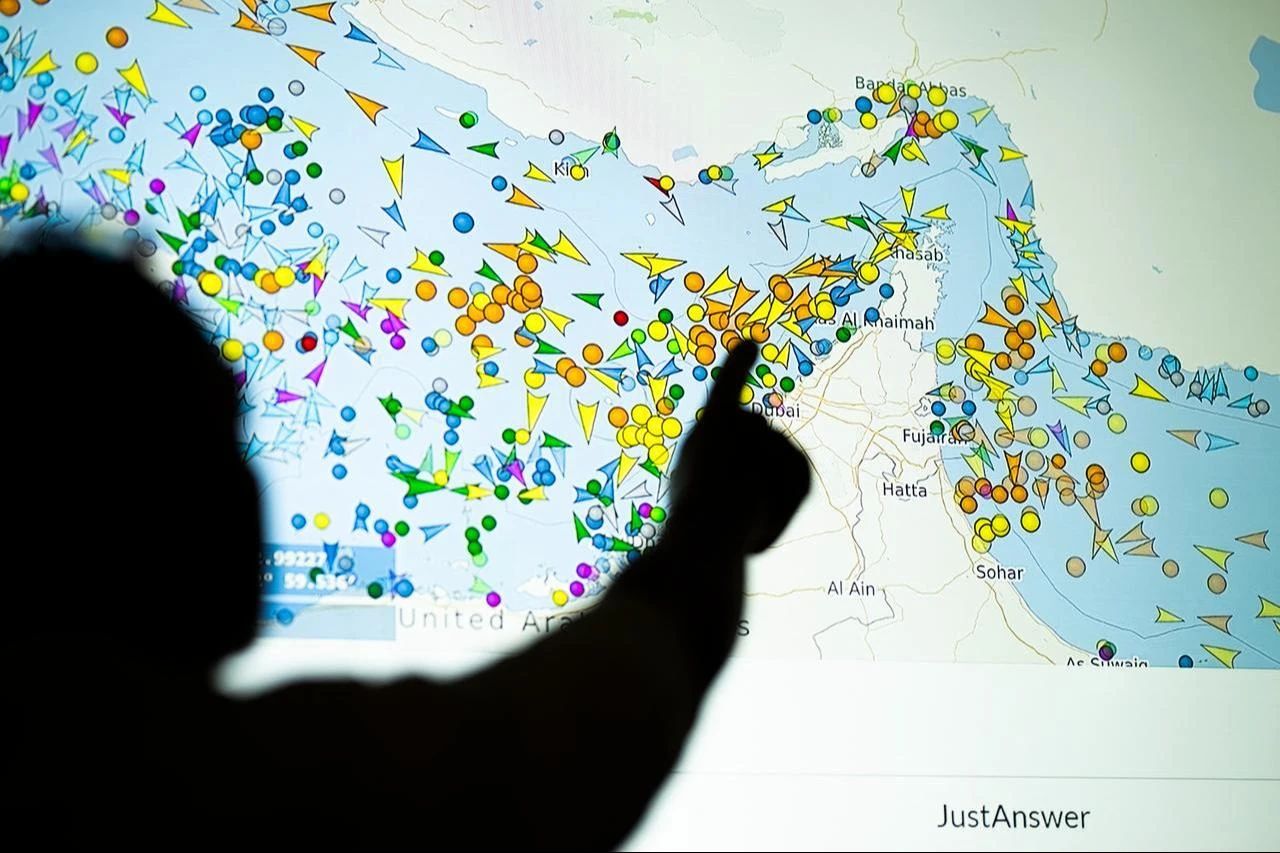

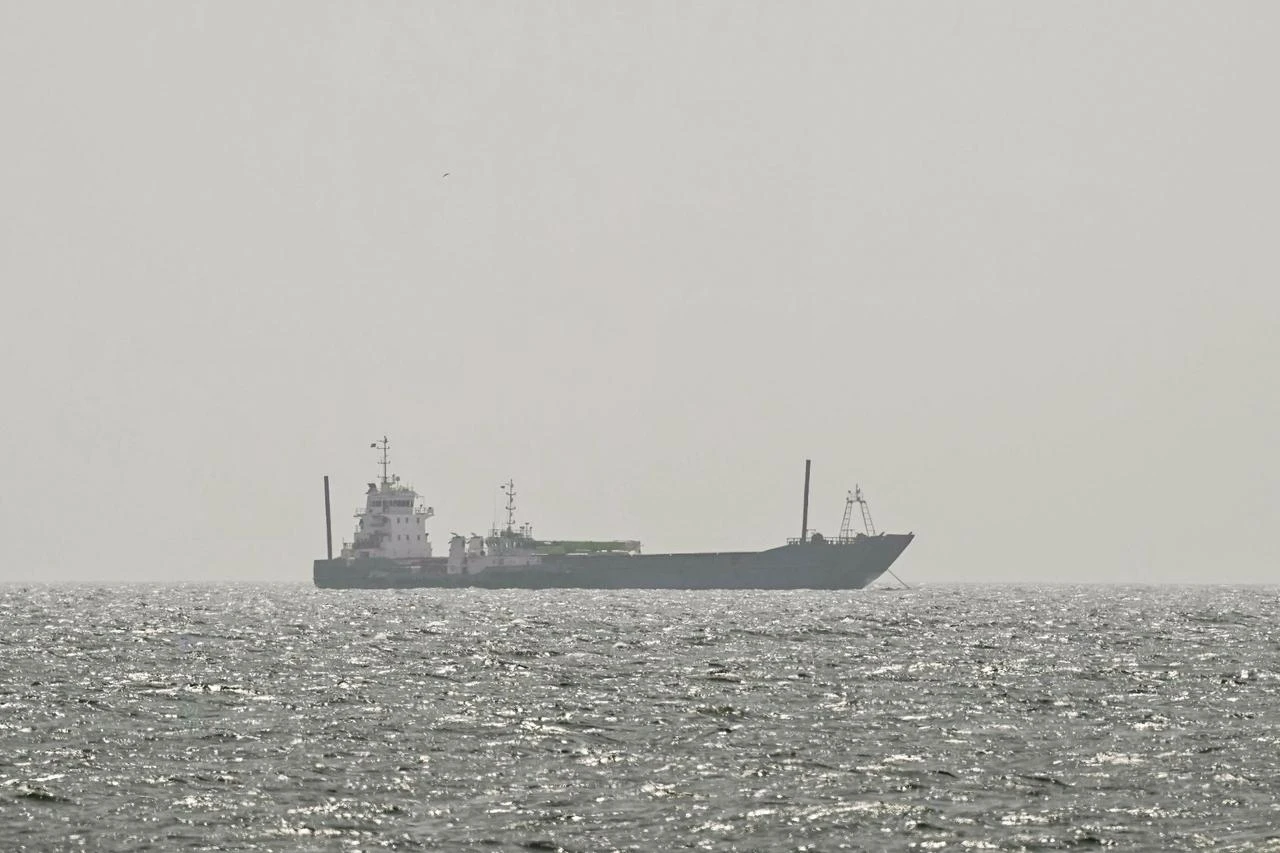
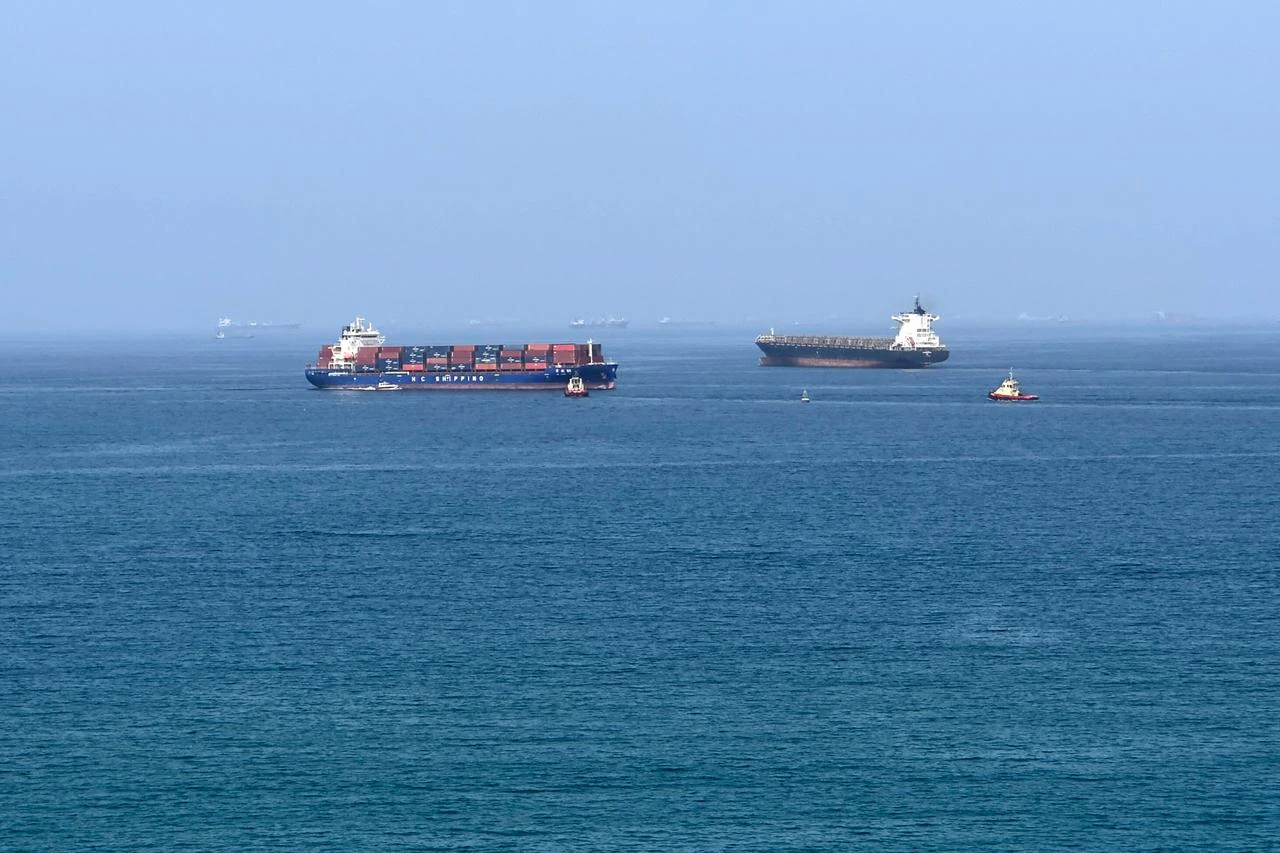
Marine traffic remains minimal in both the Strait of Hormuz and the Bab el-Mandeb Strait, though the latter has stabilized at a highly reduced volume.
Just eight commercial vessels transited the Strait of Hormuz on Thursday, down from 15 on Tuesday and 12 the following Thursday, according to data firm Kpler.
Before the war began, about 130 ships transited the strait daily, carrying 20% of the world's oil and gas shipments, according to Kpler data.
Even with no new attacks reported in either strait, vessels remain hesitant to make the crossings. In the Bab el-Mandeb Strait, 26 vessels made the crossing Thursday, down from 32 on Tuesday and 22 on Wednesday, according to Kpler.
About 50 to 70 ships crossed the strait before Iran-backed Houthi rebels said they would target Saudi-flagged vessels. The Houthis have since fired missiles or drones at about half a dozen Saudi ships over the past several weeks.
Oil prices climbed sharply through Friday after starting the day under pressure, as traders reacted to uncertainty surrounding the Strait of Hormuz and the Iran-Oman negotiations.
Brent crude traded at about $79.08 a barrel early Friday before settling at $83.55, a rise of $4.47, or about 5.7%, from its morning level. U.S. West Texas Intermediate (WTI) moved from about $74.69 to $78.18, a gain of $3.49, or about 4.7%.
Dialogue among Gulf countries could resume if peace and stability return to the region, Iranian Deputy Foreign Minister Kazem Gharibabadi said Friday, arguing that recent developments have convinced Gulf states that regional security must be ensured by the countries of the region themselves.
In an interview with Iran's official IRNA news agency, Gharibabadi said Gulf leaders had already shown political will to launch a new regional dialogue process, including through a proposed meeting of Gulf foreign ministers, which he said could be revived once peace and stability are restored.
"Security is something that must be built from within the region, and all regional countries should participate in providing it," he said.
Gharibabadi said Iran's assessment, based on continuing contacts with Gulf officials, was that neighboring countries had concluded that any expansion or prolongation of the conflict would pose serious threats to their security and economic development.
Gharibabadi also accused some Gulf countries of allowing the United States to use their territory during what he called the 40-day war against Iran.
He said Tehran had documented flights and missile launches originating from neighboring countries and submitted the evidence to the U.N. Security Council.
He further claimed Iran's armed forces had determined that "two or three" attacks were carried out directly by neighboring countries, separate from those launched by U.S. forces, which he said prompted a stronger Iranian response.
Gharibabadi acknowledged the conflict had created a significant rift between Iran and some Gulf states but said Tehran was now seeing signs that regional governments had reassessed their security priorities.
Regional tensions escalated Feb. 28, when Israel and the United States launched coordinated attacks on Iranian military, nuclear and energy infrastructure, and Tehran responded with missile and drone attacks on Israeli and U.S. targets across the region.
Iran and the U.S. signed a Memorandum of Understanding (MoU) June 18 through Pakistani and Qatari mediation, ending active hostilities and launching negotiations toward a final agreement.
The talks later stalled over disputes concerning maritime security and freedom of navigation through the Strait of Hormuz.
The spokesperson of the National Security and Foreign Policy Committee of Iran's parliament announced that a general framework of understanding has been reached with Oman over the Strait of Hormuz, pending final approval from a higher level.
It remains unclear whether the arrangements with Oman, and the broader political understanding Iranian officials are pursuing, will guarantee the return of safe passage for vessels through the Strait of Hormuz.


 Set as preferred source
 Set as preferred source


 1 min read
 1 min read