Newsletters


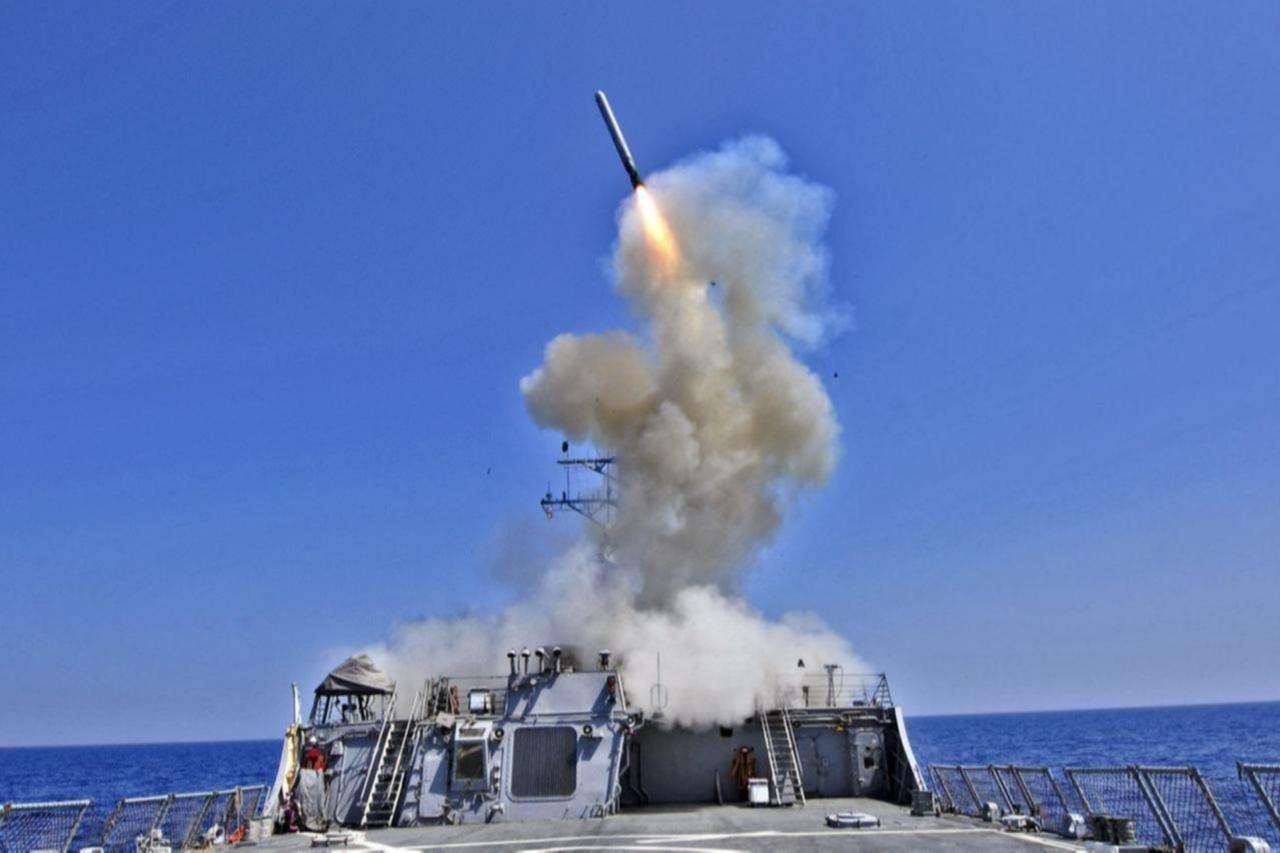


The United States has fired more than 850 Tomahawk cruise missiles in four weeks of its war with Iran, raising concerns among Pentagon officials over the pace of use and strain on supplies, U.S. media reported.
Heavy use of precision weapons has prompted internal talks within the U.S. defense establishment on speeding up production and securing enough stockpiles for ongoing operations, the Washington Post said.
In response, White House Press Secretary Karoline Leavitt told Reuters the U.S. has "more than enough" weapons to meet its goals and that President Donald Trump is pushing for faster production.
Meanwhile, U.S. intelligence estimates about one-third of Iran’s missile stockpile has been destroyed, a Reuters report said, while a further third is likely damaged or buried in underground sites, though the extent remains unclear.
The remaining portion suggests Iran still retains a significant missile capability, with the potential to recover some systems once hostilities end. A similar pattern was observed in Iran’s drone capacity, where only part of the arsenal can be confirmed destroyed.
A Pentagon official said Iranian missile and drone attacks have dropped by about 90% since the war began. U.S. Central Command also reported that more than 66% of Iran’s missile, drone, and naval production infrastructure has been damaged or destroyed.
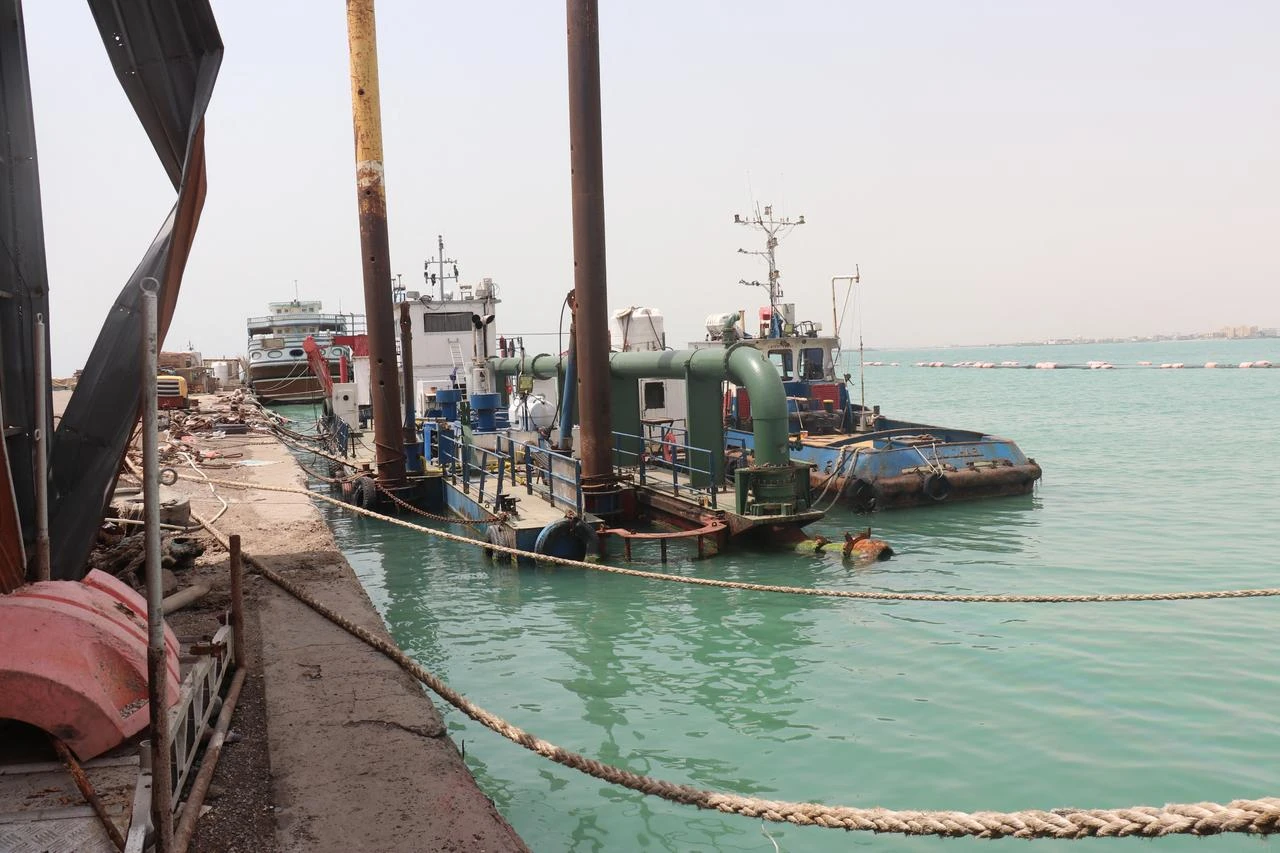
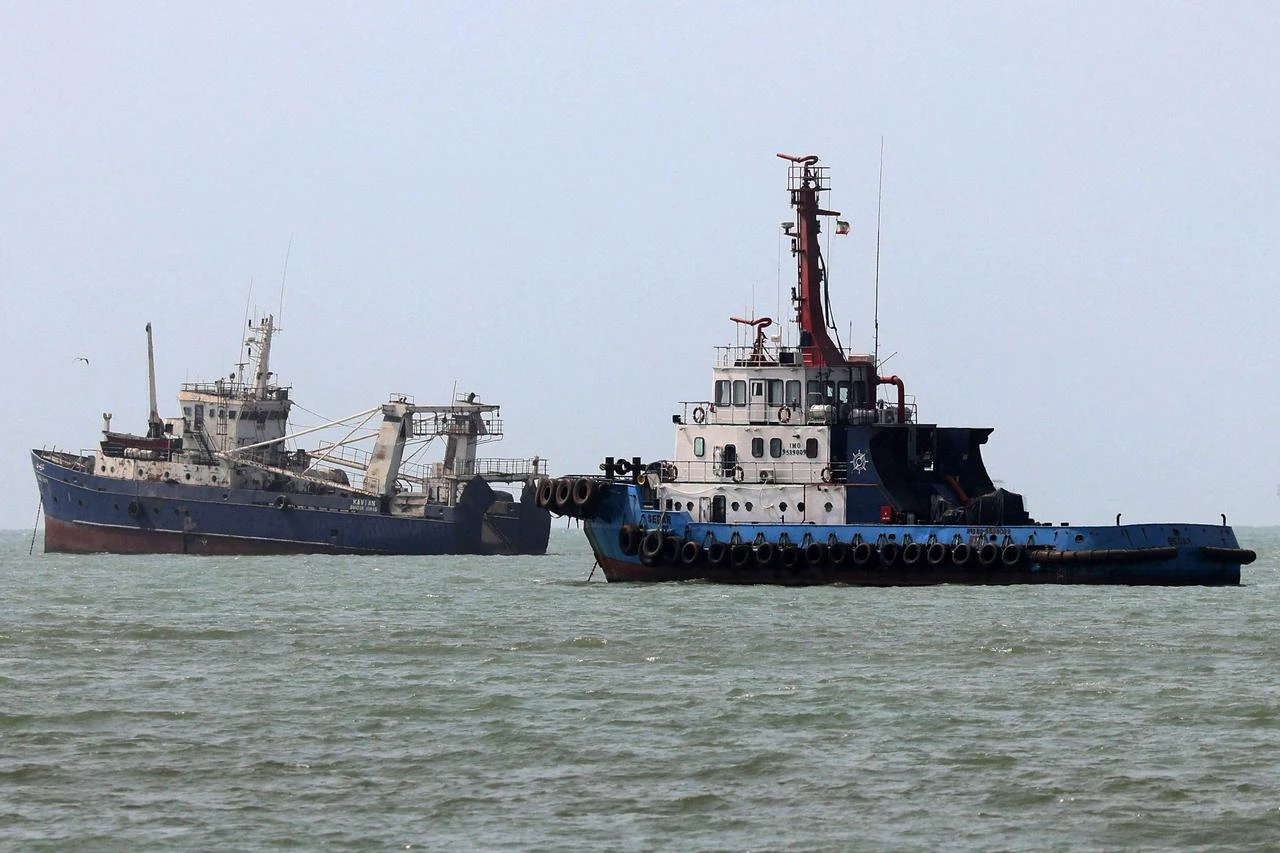
Since the start of operations, U.S. strikes have hit over 10,000 military targets and destroyed 92% of Iran’s large naval vessels, according to official figures. However, the exact scale of remaining missile and drone capabilities remains unclear, partly due to Iran’s use of underground storage and launch systems.
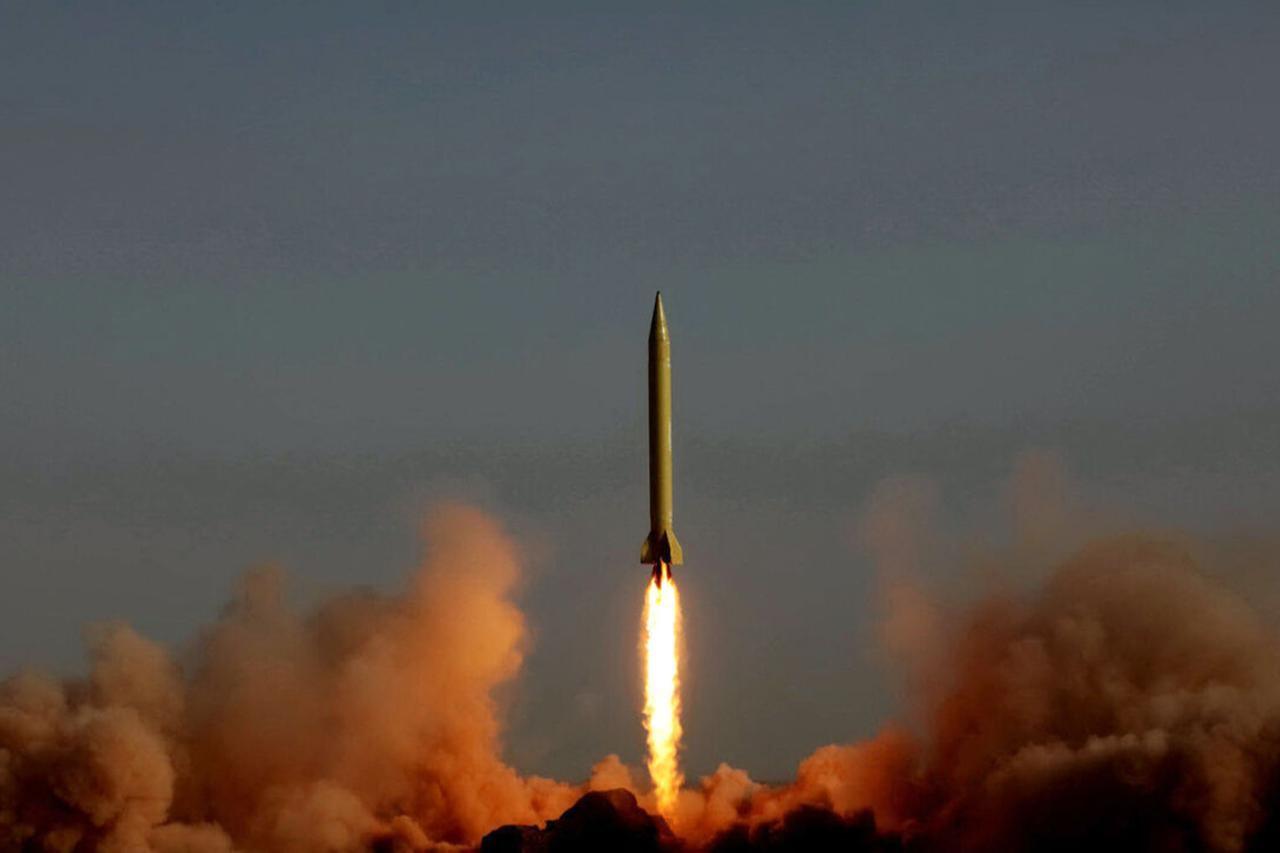

Despite sustained bombardment, Iran has continued launching attacks. On a single day, it fired 15 ballistic missiles and 11 drones at the United Arab Emirates, according to official data.
Iran has also demonstrated extended reach, targeting the U.S.-UK military base at Diego Garcia in the Indian Ocean with long-range missiles for the first time.
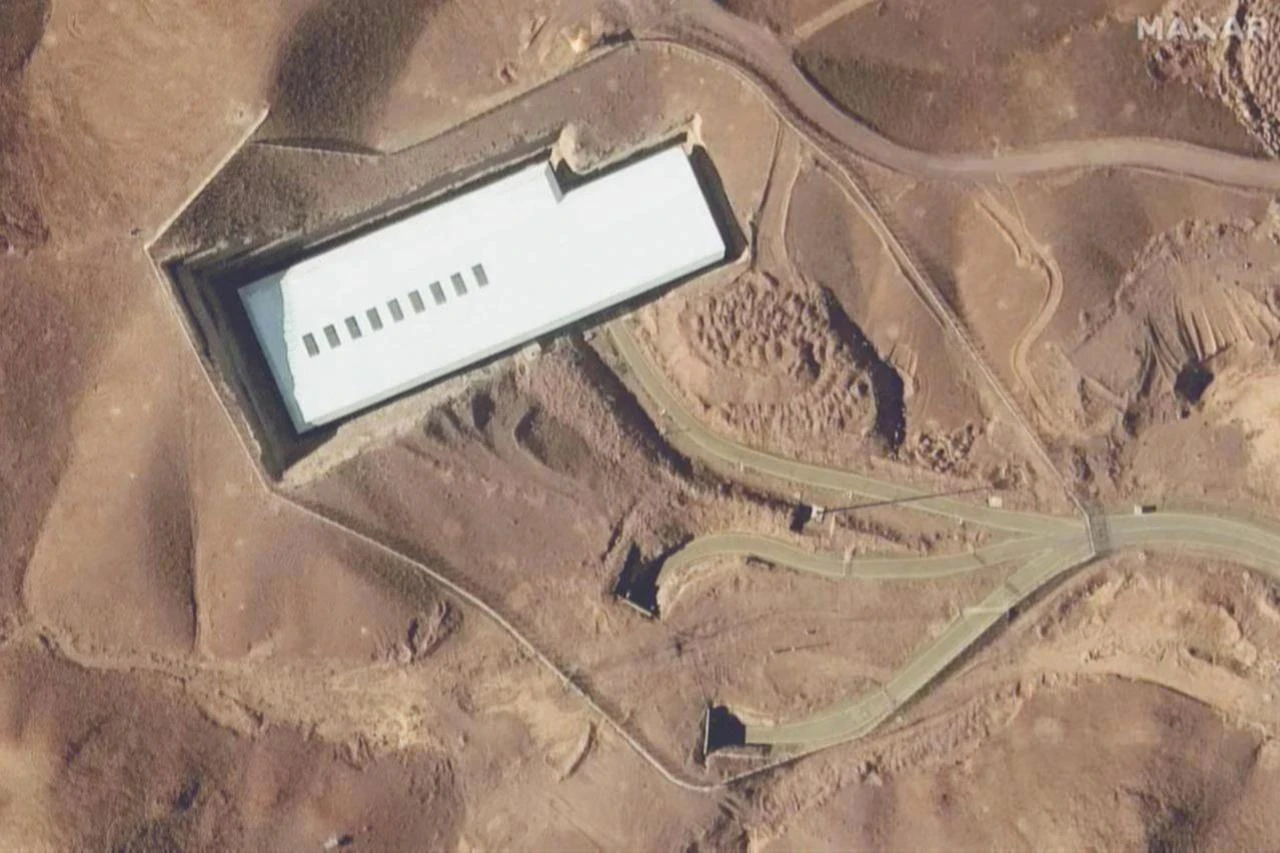
Analysts said these actions suggest that Tehran retains operational capacity. Some estimates indicate Iran may still hold around 30% of its missile capabilities, supported by a network of underground facilities that complicate targeting efforts.
The uncertainty leaves open questions about how much of Iran’s arsenal remains operational and how quickly it could be restored after the conflict.


 Set as preferred source
 Set as preferred source


 1 min read
 1 min read