

 Newsletters


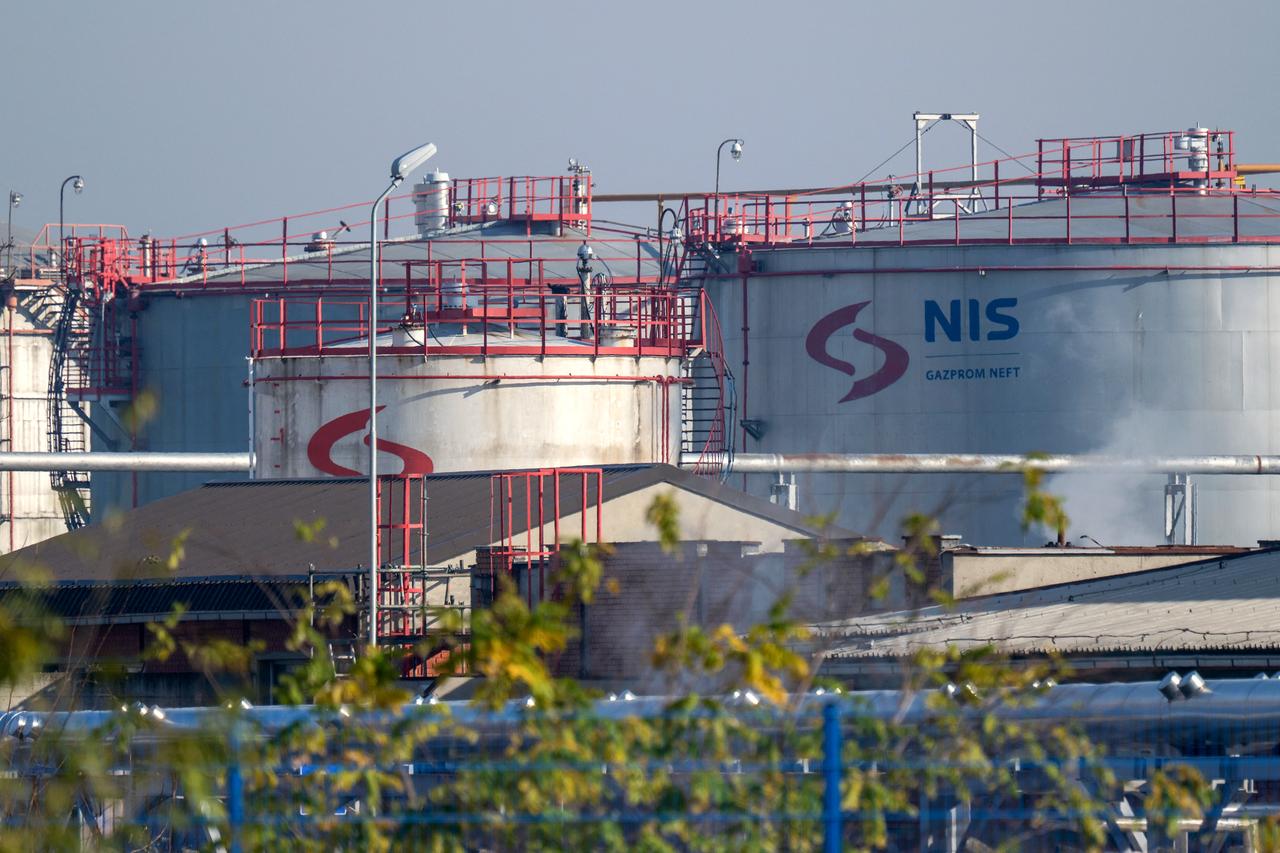


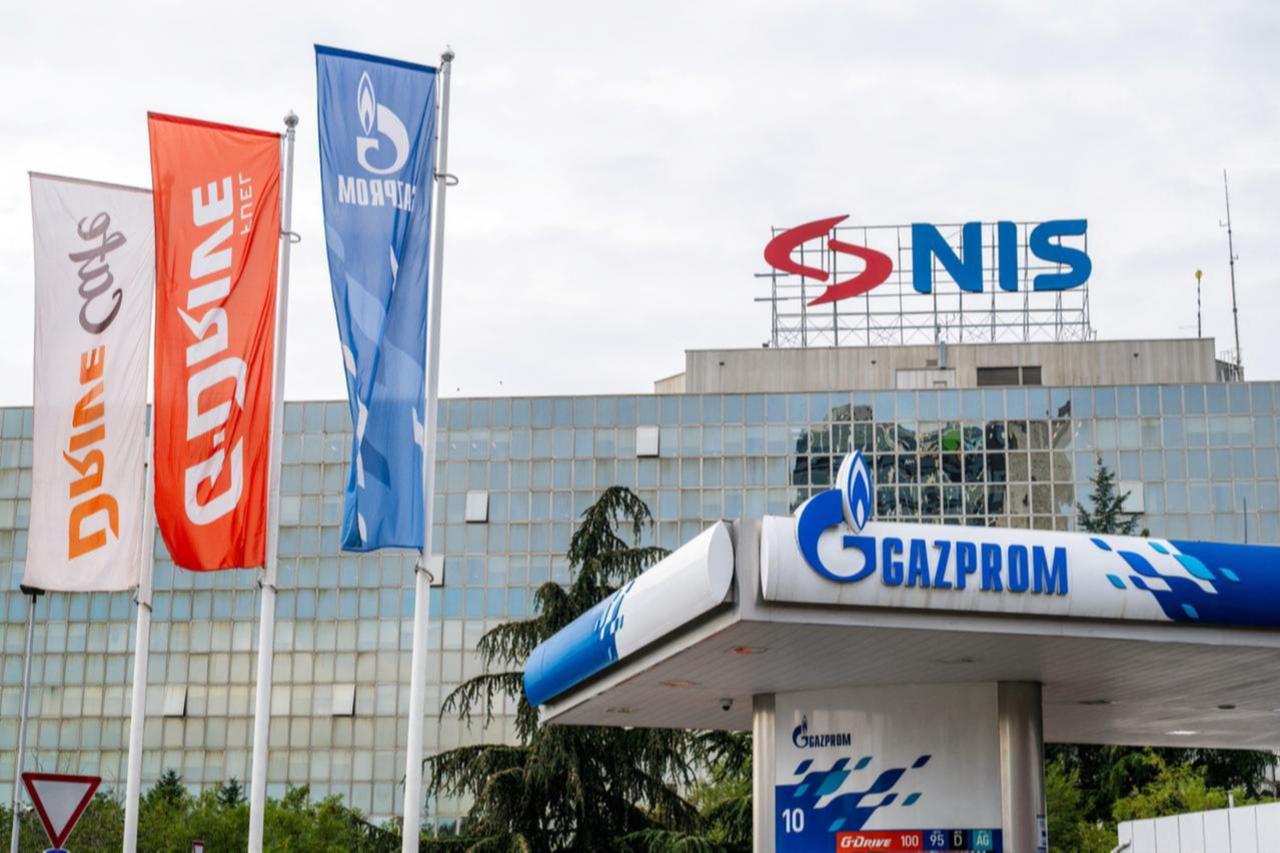
The United States has granted Serbia a two-week extension to complete the sale of the Russian-owned majority stake in Serbia’s oil company NIS, as Belgrade seeks to avoid sanctions and secure a long-term solution for the country’s energy sector.
The new deadline for the sale was set for June 6 after talks failed to conclude before the previous May 22 cutoff.
Serbian Energy Minister Dubravka Djedovic Handanovic confirmed the extension Friday, saying negotiations remained difficult.
“The situation is complex, but our aim and our task is to find a long-term solution and protect the interests of the Serbian state,” she wrote on Instagram.
Negotiations have centered on a possible sale of the stake to Hungarian energy company MOL, the only publicly known bidder.
However, talks have reportedly stalled over the future of the Pancevo refinery near Belgrade.
Serbia, which remains a minority shareholder in NIS, has reportedly pushed for MOL to also assume control of the refinery as part of any agreement.
The Pancevo facility is strategically important as the country’s main refining asset.
Serbian officials recently acknowledged that negotiations had become increasingly difficult.
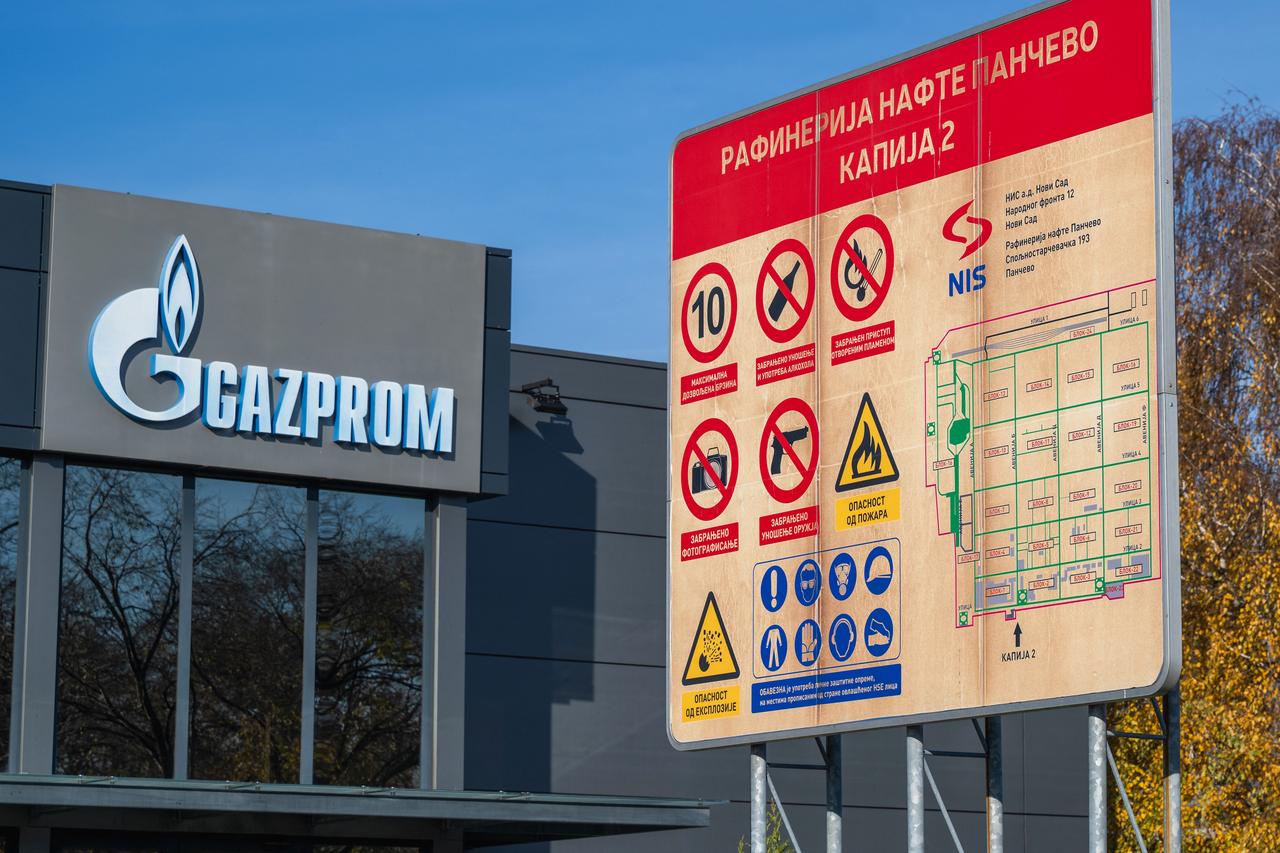

NIS halted production at the Pancevo refinery in December after sanctions-related disruptions cut off crude supplies.
Operations later resumed under a temporary license valid until mid-June.
The disruption raised concerns in Serbia, which remains one of the few European countries not to impose sanctions on Russia over the Ukraine war.
NIS supplies around 80% of Serbia’s fuel market and operates approximately 330 fuel stations nationwide.
Serbia sold a majority stake in NIS to Russia’s Gazprom in 2008 for €400 million ($460 million).
Gazprom Neft, currently under U.S. sanctions, owns 45% of NIS.
An additional 11.3% stake previously held by Gazprom was transferred in September to its affiliate Intelligence.
The Serbian state owns nearly 30%, while the remainder is held by minority shareholders.
Serbian authorities and Gazprom Neft have also rejected claims by a Serbian businessman that his reported €2 billion offer for the company was under consideration.
Officials further said they do not expect the process to be affected by political changes in Hungary following the departure of former Prime Minister Viktor Orban, a close ally of Serbian President Aleksandar Vucic.


 Set as preferred source
 Set as preferred source


 1 min read
 1 min read



