Newsletters


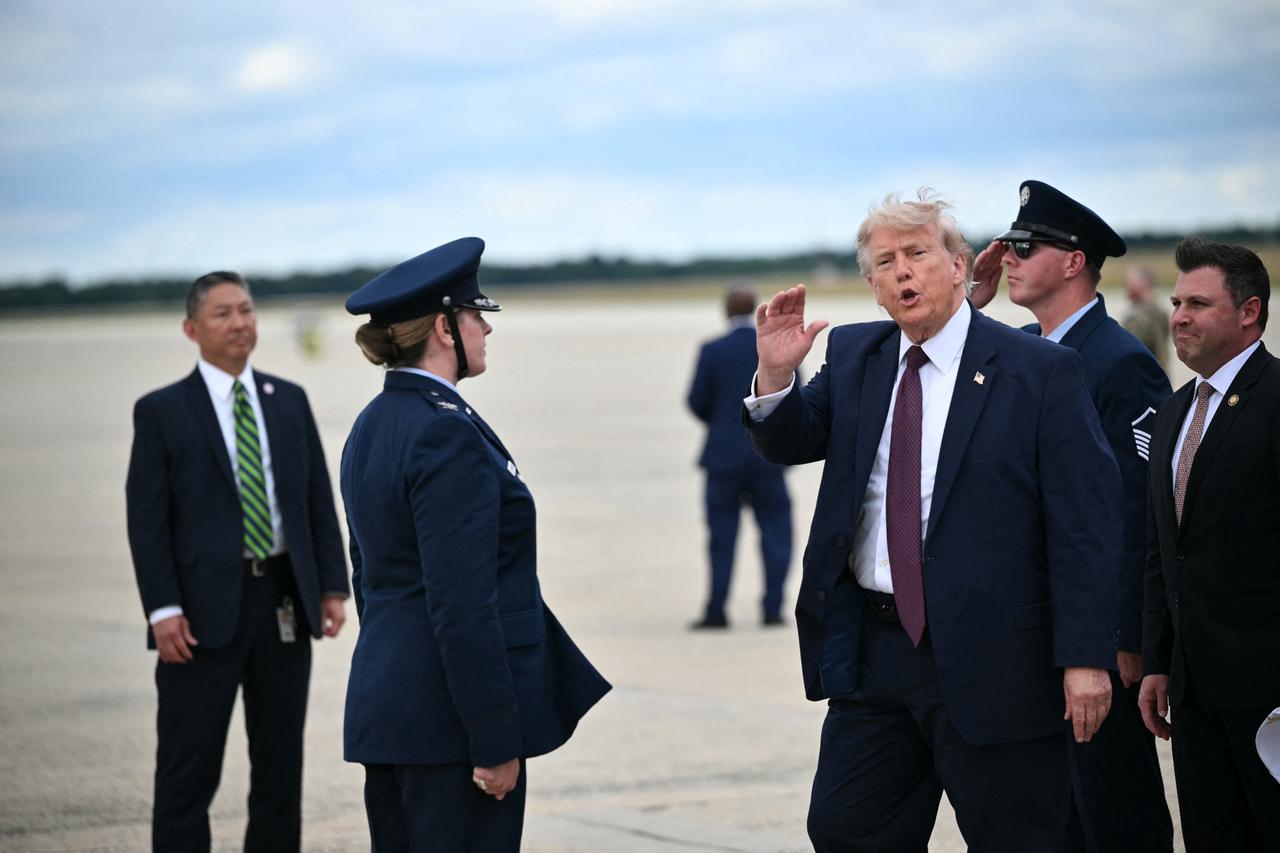


U.S. President Donald Trump said Wednesday that American inspectors will participate in International Atomic Energy Agency (IAEA) missions when the U.N. nuclear watchdog eventually enters Iran for uranium inspections, despite Tehran's denial that it has made new commitments regarding the visit.
Trump told Fox News there was currently "no rush" to deploy the teams and said inspection teams would arrive on the ground at the "appropriate time."
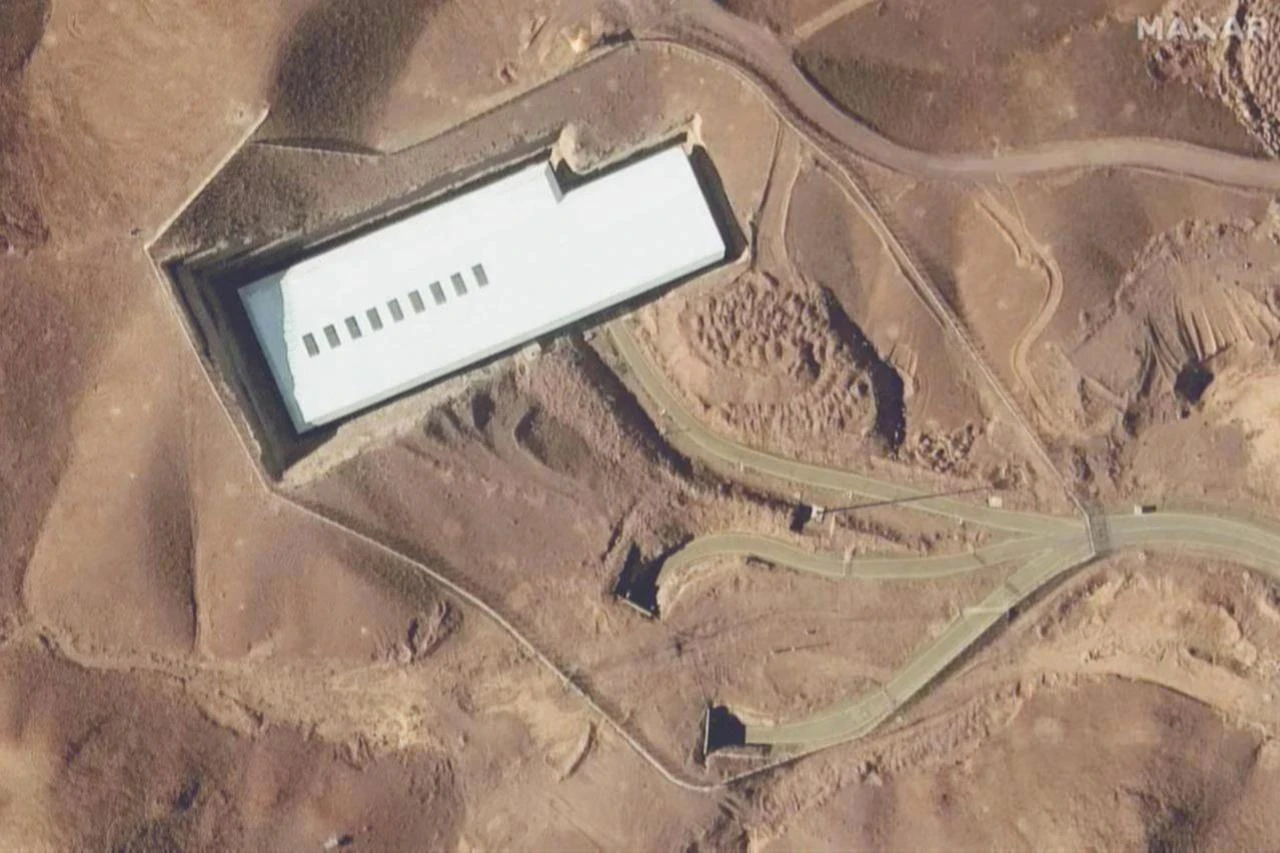
The U.S. president said the nuclear material was trapped under a "mountain" that collapsed following targeted airstrikes on Iran's nuclear facilities in June 2025.
Trump had earlier insisted that Iran would allow nuclear inspectors into the country, despite Tehran's denials.
"They're wrong. They're wrong. They know they're wrong," Trump told reporters on Tuesday, referring to Iranian claims that no visits by IAEA inspectors had been scheduled. "They told us inside and we have it down 100%, inspections."
"If they were right, I cancel the meetings right now," he added.
Asked when inspectors would be allowed to enter Iran, Trump said: "At the appropriate time. There's no rush."
Vice President JD Vance said Monday that Iran had agreed to permit nuclear inspectors back into the country.
The Iranian Foreign Ministry, however, denied making any new commitments regarding its nuclear program or international inspections.

Separately, speaking in Pennsylvania, Trump reiterated that Iran had agreed to "never have a nuclear weapon."
"We're leaving them without any nuclear capacity, and they've agreed to that, and we're getting along quite well. Although, if you read the fake news, you never know," he said.
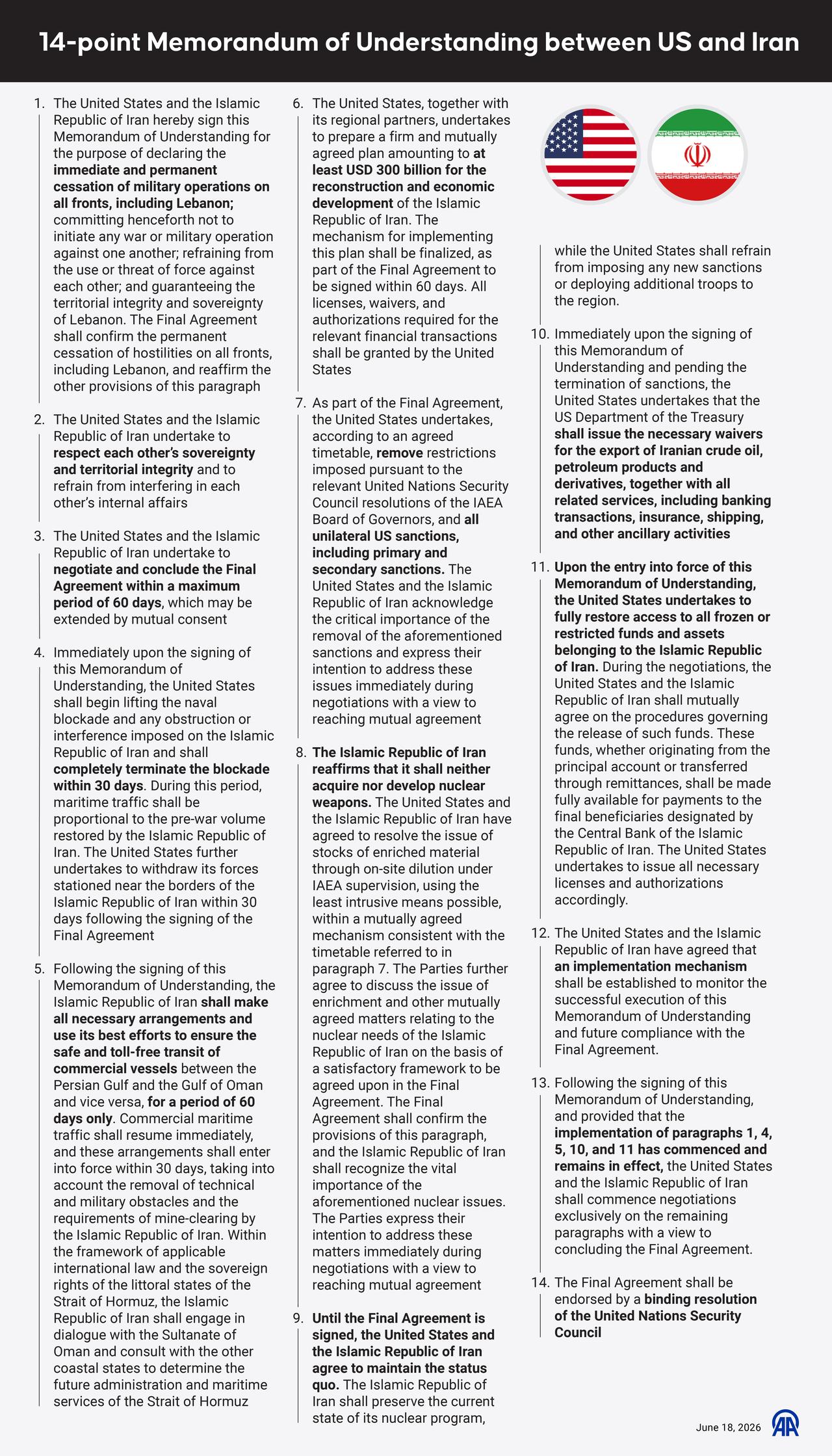
The U.S. and Iran remotely signed a memorandum of understanding (MoU) last week, launching a 60-day negotiating window to resolve disputes, including the fate of Iran's enriched uranium stockpile, its nuclear program and other unresolved issues.
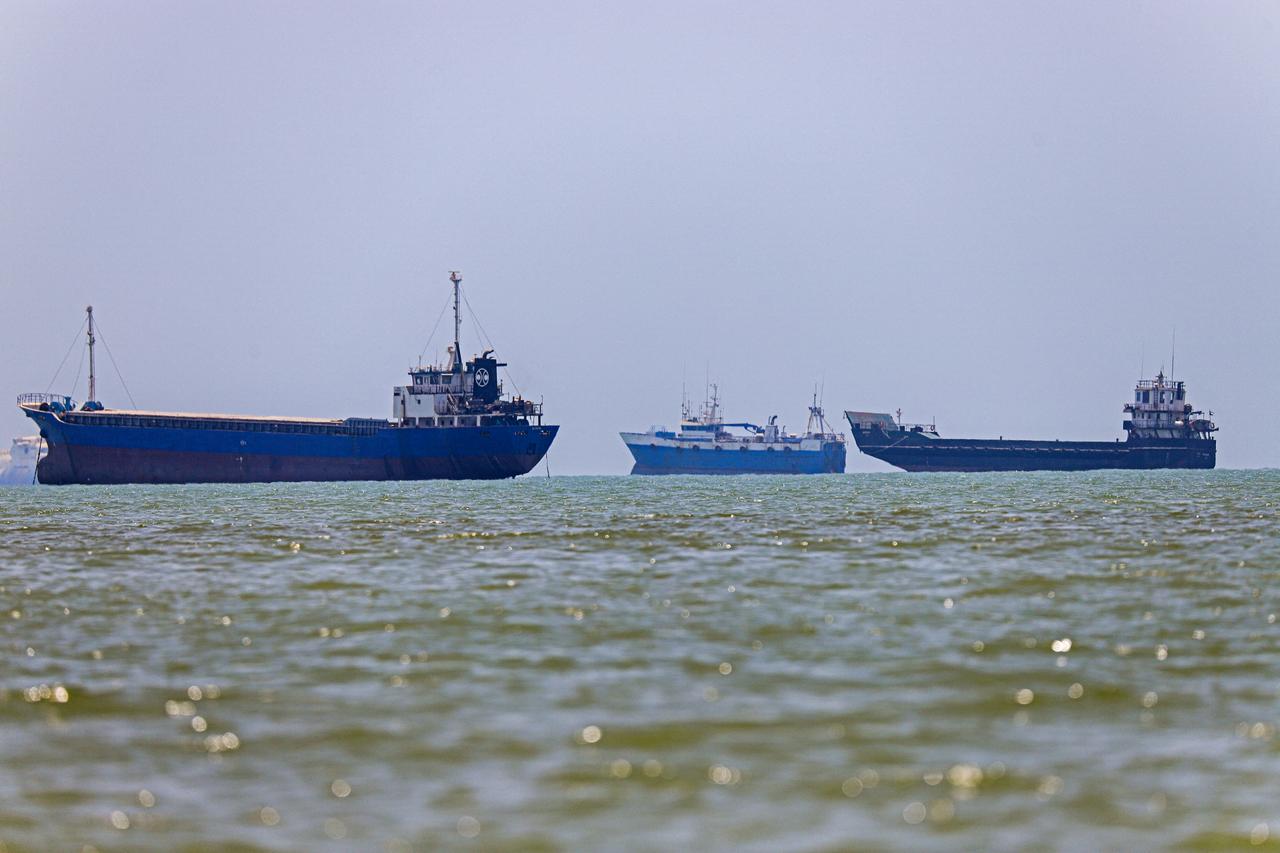
The 14-point document calls for an immediate and permanent end to military operations on all fronts, including Lebanon, the removal of the naval blockade on Iran and safe passage for commercial vessels through the Strait of Hormuz.
It also includes a reconstruction and economic development plan for Iran valued at a minimum of $300 billion, oil export waivers, the release of Iran's frozen assets and a reaffirmation by Tehran that it will not develop nuclear weapons.
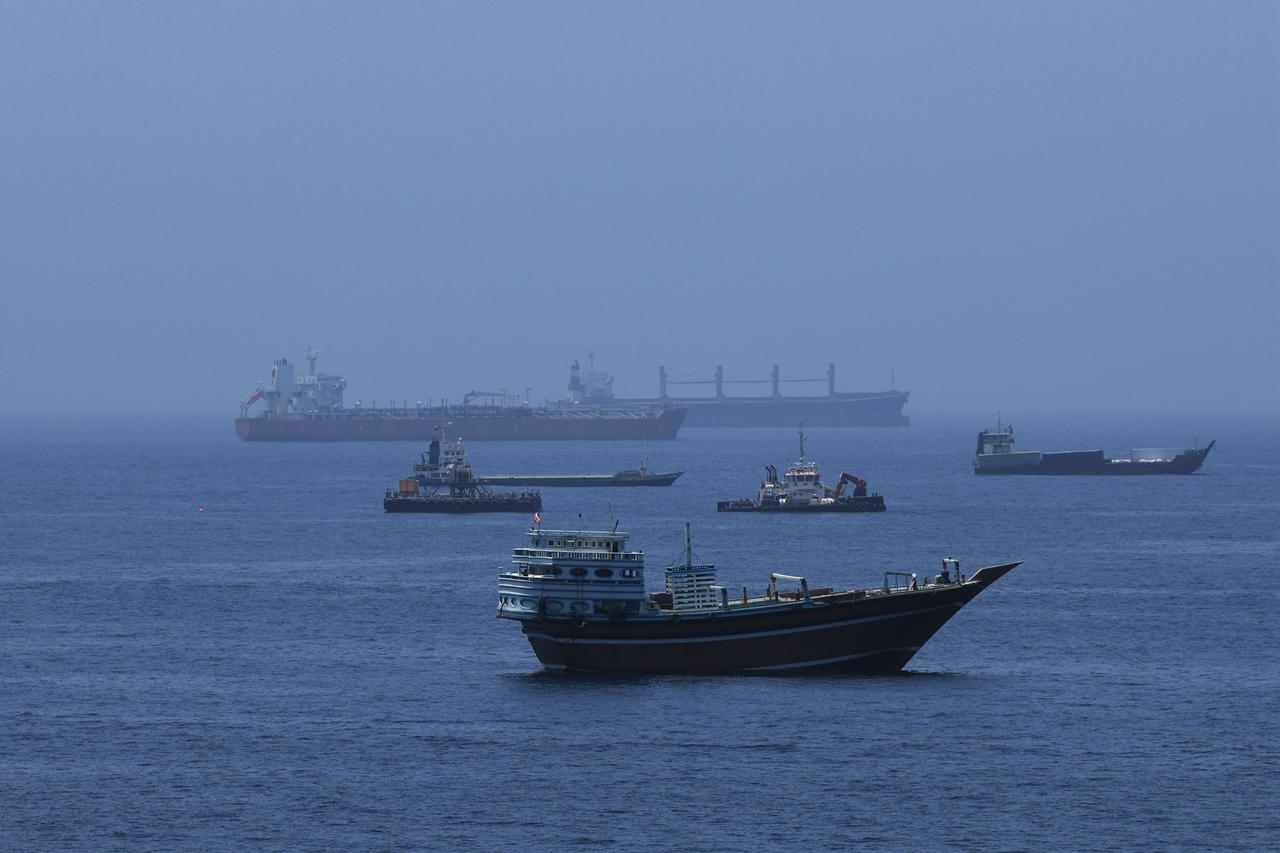
Trump also said Wednesday that he had been assured by Iran that no fees would be collected from ships passing through the Strait of Hormuz as negotiations continue to secure a lasting end to the war in the Middle East.
"Iran has informed the U.S. that ... there are 'NO TOLLS, NO INSURANCE COSTS, & NO OTHER CHARGES OF ANY KIND BEING SOUGHT OR RECEIVED BY IRAN ON SHIPS TRAVELING THE STRAIT OF HORMUZ,'" Trump wrote on Truth Social.
He did not specify whether those assurances would remain in place after the 60-day negotiating period.
 2 min read
Tehran has repeatedly said it plans to charge what it calls maritime service fees for vessels crossing the strait, rather than tolls, a plan fiercely opposed by the United States.
Iran and Oman said Tuesday that they would study the costs to be charged for services provided in administering the Strait of Hormuz, insisting they hold sovereignty over the waterway.


 Set as preferred source
 Set as preferred source


 1 min read